

Unlock your future by making informed decisions about your education. In 2026, knowing how to browse courses effectively can truly transform your career and academic journey.
This comprehensive guide is designed to help you navigate the changing course landscape with confidence. Whether you are a student or a professional, you will find strategies and insights to make the best choices.
Discover expert tips for shortlisting options, application advice, and actionable steps to boost your outcomes. Prepare to explore the trends and opportunities that will shape your success in 2026.
Understanding the 2026 Course Landscape
The landscape you encounter when you browse courses in 2026 is evolving faster than ever. New trends, flexible pathways, and innovative learning options are transforming how students and professionals shape their futures. Understanding these changes is essential for making informed decisions that align with your goals.
Key Trends Shaping Course Offerings
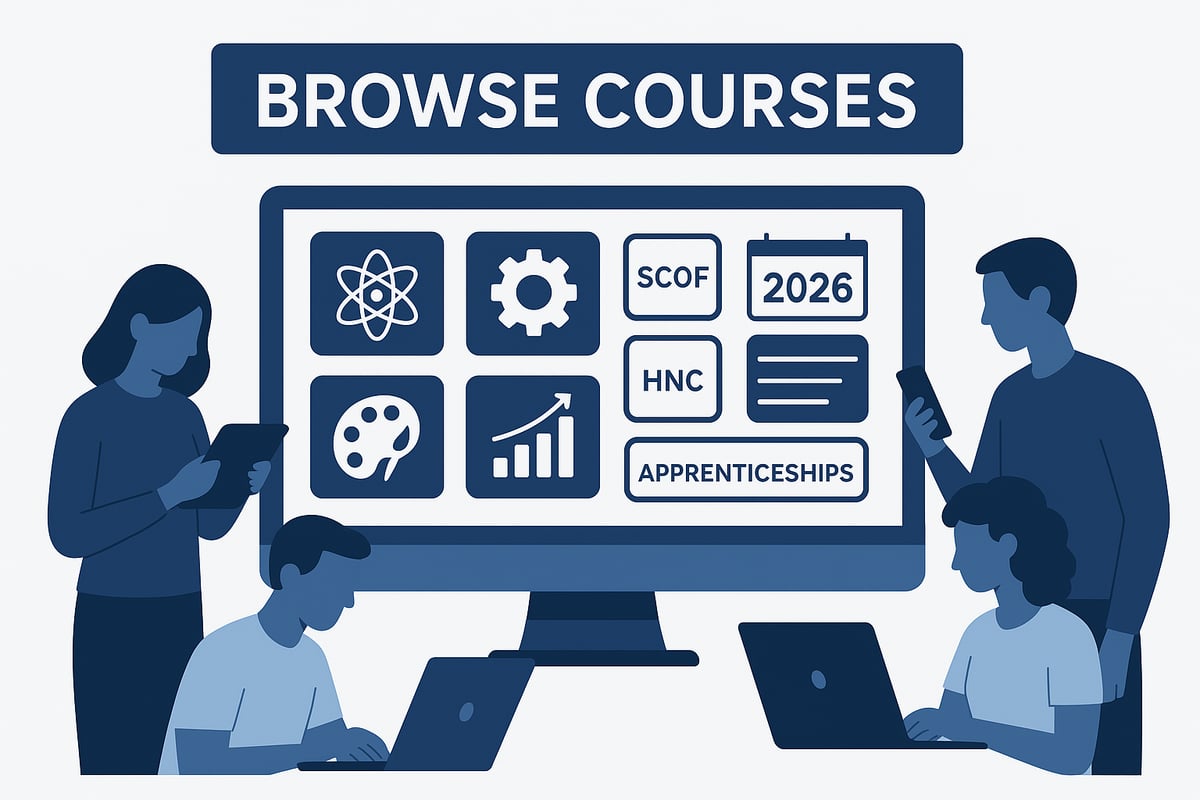
As you browse courses in 2026, expect to see a surge in interdisciplinary and hybrid options. Programmes that blend biosciences with informatics or engineering are highly sought after. There is a clear rise in digital, data science, and technology-focused pathways, reflecting the evolving needs of employers and industries.
Flexible learning is another defining trend. More colleges and universities now offer online, part-time, evening, and community-based study. This expansion makes it easier to browse courses that fit around work or family commitments.
Practical, industry-linked learning is in high demand. Work-based assessment, apprenticeships, and degree pathways are increasingly prominent. Recognised qualifications such as SCQF, City & Guilds, and NEBOSH are more valued than ever, providing clear signals to employers.
Fife College, for example, lists over 484 courses for 2026, spanning diverse study modes and qualification levels. Summer schools at Sutton Trust partner universities are also gaining traction, offering hands-on experience in fields like biological sciences, engineering, and pharmacy.
To explore the full breadth of options and stay ahead of these trends, you can explore all available courses and compare what's on offer across different institutions. This approach ensures you do not miss emerging opportunities as you browse courses.
Navigating Course Categories and Qualification Levels
When you browse courses, understanding subject areas and qualification frameworks is essential. Options span arts, sciences, engineering, social sciences, business, healthcare, and more, letting you tailor your choices to your interests.
Qualification frameworks such as SCQF, City & Guilds, and qualifications like HNC, HND, and apprenticeships help clarify your progression routes. Levels of study range from access and intermediate through to advanced, professional, and degree. Knowing how to interpret qualification equivalencies, such as APM PFQ at SCQF Level 6, is key for aligning your background with entry requirements.
Fife College provides a clear breakdown of levels and pathways, making it easier to browse courses that match your ambitions. Always consider how your goals and prior learning fit with the level on offer. Course guides and online resources are invaluable for comparing your options side by side as you refine your shortlist.
By mastering these frameworks, you can browse courses with confidence, ensuring each step leads you closer to your academic and career objectives.
Step-by-Step Guide to Browsing Courses Effectively
Choosing the right course is a pivotal decision. With hundreds of options and formats, knowing how to browse courses effectively will set you apart in 2026. This step-by-step guide provides a clear path from self-reflection to application, ensuring every choice you make is informed and strategic.

Step 1: Define Your Goals and Interests
Start by clarifying what you want from your academic or professional journey. Ask yourself: What are my long-term career ambitions? Which subjects genuinely spark my interest? What are my academic strengths and weaknesses?
Complete a self-assessment to pinpoint these areas. When you browse courses, align your findings with available subject areas. For example, if you are drawn to biological sciences or data science, focus on pathways that integrate those interests.
Draw inspiration from alumni stories and student success cases. Programmes like Sutton Trust’s pathways in arts, engineering, and medicine showcase how students have mapped their passions to successful outcomes. By taking time to reflect, you ensure that every time you browse courses, your choices are tailored to your ambitions.
Step 2: Filter and Search Courses Strategically
Once you know your direction, use advanced search tools to browse courses efficiently. Start by filtering by subject, qualification level, location, and preferred study mode. Fife College’s filter system, for instance, allows you to sort by area of interest, qualification, and delivery method.
Pay close attention to trending and high-demand areas such as data science or health sciences. These fields often offer strong career prospects. Shortlist options that match your criteria, and use comparison tools to evaluate features like course content, industry links, and flexibility.
For more guidance on effective shortlisting and side-by-side evaluation, explore the Course comparison tools and tips. This resource helps you objectively compare modules, outcomes, and requirements, making your decision process much clearer.
Step 3: Evaluate Course Content and Outcomes
Carefully review the content of each course on your shortlist. Examine modules, practical elements, and assessment methods. Does the course include work placements, lab experience, or industry networking? These features add significant value.
Check whether the course is accredited or recognised by leading bodies. This can affect your future progression. Look for clear links to career pathways or further study. For example, summer schools with hands-on lab experience or industry speakers can give you a competitive edge.
When you browse courses, always consider what you will gain not just academically, but also in terms of real-world skills and connections.
Step 4: Consider Study Modes and Flexibility
Different study modes suit different lifestyles. Decide whether full-time, part-time, evening, or distance learning best fits your needs. Flexible options can make a big difference if you have work or family commitments.
Community-based learning and supported learning models, such as those at Fife College, offer additional support and accessibility. Weigh the pros and cons of each mode. For example, online learning may provide greater flexibility, while in-person classes might offer richer networking opportunities.
When you browse courses, factor in your personal schedule and preferred learning style to ensure long-term success.
Step 5: Check Entry Requirements and Application Deadlines
Before applying, review each course’s entry requirements carefully. Identify academic prerequisites, required qualifications, and any additional documents. Some programmes offer contextual admissions or access routes if you do not meet standard criteria.
Refer to guidance such as Sutton Trust’s eligibility criteria to understand your options. Create a timeline for gathering transcripts, references, and portfolios. Keep track of application deadlines and prepare all supporting documents in advance.
Browsing courses methodically means you are always ready to act when the right opportunity arises, preventing last-minute stress and missed chances.
Expert Tips for Shortlisting and Selecting Courses
Selecting the right course is a critical step in shaping your academic and career future. With so many options available as you browse courses, it is essential to apply a structured approach. The following expert tips will guide you through shortlisting and selecting the courses that best match your ambitions and needs.

Leveraging Data and Reviews to Inform Choices
Gathering reliable information is the foundation for making informed decisions as you browse courses. Start by analysing student feedback, graduate outcomes, and employer ratings. These data sources offer insights into teaching quality, student satisfaction, and career prospects.
Use course guides and prospectuses to compare modules, study modes, and assessment methods. For a comprehensive overview of subject areas, explore the Course topic categories overview, which allows you to identify and compare offerings efficiently.
Consider the following when reviewing data:
- Student satisfaction scores
- Graduate employment rates
- Industry accreditation and links
- Course flexibility and delivery methods
By integrating these data points, you can confidently shortlist courses that align with your goals and expectations.
Consulting with Advisors, Alumni, and Industry Contacts
Expert guidance is invaluable when you browse courses, especially if you are facing uncertainty. Schedule meetings with course advisors or academic counsellors to discuss your interests and clarify entry requirements.
Reach out to alumni through testimonials or student stories to gain real-world perspectives on course content and outcomes. Engaging with industry professionals, whether through networking events or online forums, can reveal current trends and skill demands.
Steps to maximise advisory support:
- Prepare specific questions about course content and progression.
- Request feedback on your shortlist and suitability.
- Seek advice on industry connections and practical experience opportunities.
These conversations can illuminate pathways and help you refine your choices.
Assessing Value: Costs, Funding, and Scholarships
Financial considerations play a major role as you browse courses. Compare tuition fees, additional costs, and available funding options across your shortlist. Investigate scholarships, bursaries, and employer sponsorships to reduce financial pressure.
Use the table below to organise your research:
| Factor | Example Sources | Notes |
|---|---|---|
| Tuition Fees | Course prospectus | Varies by course/level |
| Funding Options | Scholarships, bursaries | Based on eligibility |
| Additional Costs | Materials, travel, exams | Check for hidden fees |
| Sponsorships | Employer or industry grants | Work-based learning links |
By weighing these elements, you can select options that deliver value for money and long-term benefits.
Prioritising Flexibility and Future-Proof Skills
When you browse courses, focus on those offering flexibility and skills that remain relevant as industries evolve. Prioritise courses with strong digital, analytical, and transferable skill components, such as data science or interdisciplinary studies.
Consider hybrid and emerging fields that combine traditional subjects with technology, for example, computer science with biological sciences. Flexible study modes, such as online or part-time options, allow you to balance study with work or personal commitments.
Key future-proof skills to look for:
- Digital literacy
- Critical thinking
- Communication and teamwork
- Adaptability to new technologies
Selecting courses that build these skills will position you for long-term success.
Building a Balanced Shortlist
A strategic shortlist is essential when you browse courses. Aim for a mix of aspirational, solid, and backup options to maximise your chances of success. Use checklists and comparison tools to track your choices and update them as new information arises.
Checklist for your shortlist:
- Matches your academic background and interests
- Meets entry requirements
- Offers flexible study modes
- Provides strong career or progression outcomes
- Fits your financial situation
Review your shortlist regularly, adjusting as new courses become available or as your goals evolve. This balanced approach ensures you remain adaptable and confident throughout the selection process.
Application Strategies for 2026 Course Success
Securing your place on the right course requires more than just enthusiasm. Success depends on a strategic approach at every stage, from your first browse courses search to accepting your final offer. By following a clear application plan, you can present yourself as a strong candidate and maximise your 2026 opportunities.

Preparing a Standout Application
A compelling application starts with a tailored personal statement and CV. Reflect on your academic strengths, skills, and achievements. Highlight hands-on experiences, such as summer schools or internships, that align with your chosen field.
When you browse courses, look for specific attributes or values each programme seeks. Address these directly in your statement. Use concrete examples to demonstrate your motivation and suitability for the course.
Keep your CV concise but detailed, focusing on relevant qualifications and extracurricular activities. Customise each application to show genuine interest in the course and institution.
Gathering and Submitting Required Documents
Gathering the right documents is a crucial part of the application process. Common requirements include academic transcripts, references, and where relevant, a portfolio of work. Make a checklist to ensure you collect everything needed for each course.
When you browse courses, carefully note any additional documentation requested. Some courses may require proof of English proficiency or evidence of work experience. Prepare these items in advance to avoid last-minute stress.
Organise your materials in digital folders labelled by institution and course. This approach helps you submit accurate, complete applications and makes it easier to track your progress.
Meeting Deadlines and Navigating Online Portals
Application deadlines vary by course and institution, so create a master calendar to keep track. Mark key dates for applications, funding, and interviews. Many universities now use digital portals to streamline the process.
As you browse courses, take note of each institution’s application portal and requirements. Efficient use of online systems is vital for timely submissions. For tips on enhancing your browsing and application experience, explore Modernizing Course Catalogs: Best Practices for 2025, which highlights the importance of intuitive digital tools for course selection and application management.
Set reminders for each deadline and double-check all entries before submitting. This proactive approach reduces errors and boosts your chances of success.
Following Up and Preparing for Interviews
After submitting your applications, it is important to follow up. Send polite emails to admissions teams to confirm receipt of documents or to ask any clarifying questions. This shows professionalism and attention to detail.
When you browse courses that require interviews or assessments, start preparing early. Practise your responses to common questions and be ready to discuss your experiences and ambitions. Research the course content and think about how your background connects to the programme.
Mock interviews with friends or mentors can help build confidence and improve your performance on the day.
Tracking Progress and Responding to Offers
Once your applications are in, monitor your status regularly using the relevant online portals. Most institutions will notify you of updates by email or within their system. Respond promptly to requests for additional information.
As you browse courses and receive offers, understand the difference between conditional and unconditional offers. Review each offer carefully and consider your priorities before making a final decision.
Keep a record of all correspondence and deadlines to ensure you never miss an important update. Being organised at this stage is the key to a smooth transition into your chosen course.
Maximising Your Learning and Career Outcomes Post-Selection
Securing your place is just the beginning. To truly benefit from the courses you have chosen, it is crucial to engage with every opportunity, resource, and network available. By approaching your studies with intention, you can ensure that your decision to browse courses pays dividends for your academic and professional future.
Making the Most of Induction and Orientation
Induction and orientation events set the tone for your learning journey. When you browse courses and enrol, make the most of welcome sessions, campus tours, and networking opportunities. These experiences help you familiarise yourself with facilities, meet peers, and understand academic expectations.
Participate in icebreakers and group activities to build confidence. Attend Q&A sessions to clarify doubts and learn about course structures. Early engagement allows you to form valuable connections and identify key contacts who can support your progress throughout your studies.
Accessing Support Services and Resources
Every institution offers a range of support services designed to help you succeed. When you browse courses, look for student funding options, academic support centres, and wellbeing resources. These services can provide guidance on study skills, mental health, and financial planning.
Many colleges also offer online learning course options, enabling you to balance study with personal commitments. Explore libraries, career services, and digital platforms to access materials and advice. Taking advantage of these resources ensures you are well-equipped to handle challenges and excel in your chosen path.
Building Skills Beyond the Classroom
Success in the modern landscape requires more than academic achievement. As you browse courses, consider opportunities for practical experience, such as internships, volunteering, and extracurricular activities. These experiences help you develop transferable skills highly valued by employers.
Engage in work-based learning or apprenticeships to gain real-world insights. Participate in student societies or community projects to strengthen leadership, communication, and teamwork. By pursuing varied experiences, you can build a well-rounded skill set that enhances your employability after graduation.
Creating a Personal Development Plan
A personal development plan keeps your goals clear and progress measurable. After you browse courses and make your selection, set both short- and long-term academic and career targets. Regularly review your achievements, reflect on feedback, and adjust your plan as needed.
Incorporating purpose reflection can help you align your academic interests with your evolving ambitions. For further insight, explore research like Reflection on Purpose Changes Students’ Academic Interests, which highlights how intentional reflection can shape your educational journey. This approach ensures your studies remain relevant and personally meaningful.
Leveraging Alumni Networks and Industry Links
Alumni networks and industry partnerships offer valuable opportunities for mentorship and career development. When you browse courses, research the alumni communities and employer connections available at your institution. Connecting with graduates can provide insights into career pathways and job market trends.
Attend networking events, employer fairs, and guest lectures to expand your professional circle. Seek advice on CV building, interview preparation, and sector-specific skills. These relationships can open doors to internships, placements, and long-term employment opportunities.
Planning for Future Study or Career Moves
Your journey does not end at graduation. As you browse courses, consider how your current choices can support future study or career progression. Investigate degree pathways, graduate apprenticeships, and postgraduate options offered by your institution.
Create a timeline for professional development and explore continuing education opportunities. Stay informed about industry trends and emerging fields to ensure your skills remain competitive. Proactive planning enables you to adapt and thrive in a rapidly changing world.
Troubleshooting Common Course Browsing Challenges
Exploring the world of education can be thrilling, yet the process to browse courses often brings unexpected hurdles. Whether you are overwhelmed by options, confused by application requirements, or facing last-minute changes, you are not alone. Here, we break down the most common course browsing challenges and provide practical, expert-backed solutions to help you stay on track.
Overcoming Information Overload
When you browse courses, the sheer volume of options can quickly lead to decision fatigue. To stay focused, start by setting clear priorities and use advanced filters to narrow your selection. Create a shortlist of top contenders and use comparison tables to weigh essential factors such as course content, mode of study, and qualification level.
- Use digital tools with accessible search functions
- Limit your shortlist to five to seven strong options
- Schedule regular review sessions to reassess choices
For more on digital strategies, see how Higher Ed Website Search Is Changing Fast: 5 Trends to Master by 2026 can help streamline your approach.
Addressing Application Barriers
It is common to encounter application barriers as you browse courses, such as missing prerequisites or unclear entry routes. Begin by thoroughly reading each course’s requirements and noting any gaps in your qualifications. Many institutions offer access courses or contextual admissions designed to help bridge these gaps.
- Contact admissions teams for clarification
- Seek out supported learning or preparatory courses
- Use online forums to connect with peers facing similar issues
Leverage institutional resources to improve your eligibility and boost your application confidence.
Managing Uncertainty and Last-Minute Changes
Even the best plans can be disrupted by course cancellations, timetable shifts, or personal circumstances. When you browse courses, always keep backup options on your shortlist. Stay flexible by considering similar subjects or alternative study modes, such as part-time or distance learning.
- Monitor course updates and institutional announcements
- Prepare a contingency plan with alternative courses
- Keep all documents and deadlines organised
Adaptability is a key skill that will serve you well throughout your academic journey.
Seeking Guidance and Second Opinions
If you feel stuck or uncertain as you browse courses, reaching out for support can provide invaluable clarity. Academic advisors, mentors, and student support services are there to help you interpret requirements and make informed decisions.
- Book a meeting with a course advisor or support staff
- Consult alumni or current students for real-world insights
- Gather second opinions before making your final choice
Remember, you are never expected to navigate the process alone.
Staying Motivated Through the Process
The journey to browse courses can be lengthy and at times discouraging. Break your goals into manageable milestones and celebrate each achievement, no matter how small. Joining peer groups or online forums can provide encouragement and accountability as you progress.
- Set weekly or monthly course browsing goals
- Share experiences with others on similar paths
- Reward yourself for reaching key milestones
Motivation grows when you see tangible progress along the way.
Ensuring Accessibility and Inclusivity
It is crucial to ensure the courses you consider are accessible and inclusive. Many institutions offer community-based learning and supported pathways for diverse needs. Flexible options, such as online learning course options, can open doors for students facing barriers due to location, work, or personal commitments.
- Look for courses with supported learning provisions
- Check for assistive technology and accessible resources
- Explore part-time and remote study opportunities
Prioritising inclusivity ensures a positive and empowering educational experience for every learner.

