

In 2026, strong communication skills are more vital than ever as workplaces rapidly adapt to digital, remote, and multicultural environments. To stay ahead, professionals need targeted courses communication options that address not only the basics but also the latest trends and demands.
This article uncovers the top seven courses communication solutions designed to help you thrive, covering unique features, pricing, and who will benefit most. Whether you’re aiming to boost your career, lead diverse teams, or simply connect more effectively, you’ll find actionable insights to guide your next step.
The right investment in courses communication can unlock new opportunities and set you apart in the evolving professional landscape. Explore your options and choose the path that will elevate your skills for future success.
Why Communication Skills Matter in 2026
In 2026, the ability to communicate clearly and confidently is no longer a simple advantage, it is a necessity. Rapid shifts in workplace technology, team structures, and global collaboration have made strong communication a critical skill for professionals at every level. As organisations adapt to new challenges, investing in the right courses communication becomes essential for career progression and business results.
The Evolving Workplace and Communication Demands
The modern workplace is undergoing significant change, driven by digital transformation and the widespread adoption of remote and hybrid work models. Teams are now more geographically dispersed and culturally diverse than ever before. This creates both opportunities and challenges for communication.
Cross-cultural competence and inclusive communication are now vital, as employees must navigate language barriers, differing expectations, and varied communication styles. Employers increasingly seek individuals who can bridge these gaps and foster collaboration across borders. According to industry surveys, communication consistently ranks among the top three most in-demand soft skills globally.
Miscommunication can have major consequences. Projects may experience costly delays, teams can become disengaged, or businesses might lose valuable opportunities. In this environment, enrolling in courses communication tailored to modern workplace needs is crucial for staying relevant and effective.
The ROI of Communication Training
Investing in communication training delivers clear and measurable benefits for both individuals and organisations. Improved communication leads to greater productivity, stronger team collaboration, and higher employee satisfaction. Many organisations report significant gains after prioritising communication development, with some studies showing that companies with robust communication practices achieve up to 47% higher returns to shareholders.
The link between effective communication and leadership success is well established. Leaders who communicate transparently and empathetically inspire trust, foster loyalty, and drive better performance. For professionals aiming to advance their careers, mastering these skills is a proven pathway to promotion and influence.
Employers are taking note. Recent research indicates that communication skills feature in more than a quarter of new job postings globally. For those looking to future-proof their careers, choosing the right courses communication is a strategic investment that pays dividends in job security, advancement, and workplace impact.
Trends Shaping Communication Courses in 2026
The landscape of courses communication is rapidly evolving to meet new workplace realities. In 2026, expect to see greater integration of artificial intelligence, virtual reality, and adaptive learning technologies in course delivery. These innovations make learning more personalised, interactive, and accessible.
Microlearning and on-demand, self-paced modules are also gaining popularity. They allow busy professionals to fit skill development into their schedules and revisit material as needed. There is a growing emphasis on inclusion, neurodiversity, and cross-cultural competence, ensuring that communication courses address the needs of all learners.
As organisations and individuals look ahead, staying up to date with these trends in courses communication will be key to maintaining a competitive edge and fostering a workplace culture built on clarity, collaboration, and respect.
7 Top Courses Communication Options to Elevate Your Skills 2026
In today's rapidly changing business world, selecting the right courses communication can make the difference between excelling and falling behind. The following seven options have been carefully chosen to help you strengthen your communication skills, adapt to new technologies, and thrive in 2026 and beyond.
1. Communication Skills Training by High Speed Training
If you are searching for affordable and flexible courses communication, High Speed Training offers a robust online solution. This CPD-accredited programme costs just £25 plus VAT, with discounts for teams or bulk purchases. The structure is fully online, allowing you to learn at your own pace from any device.
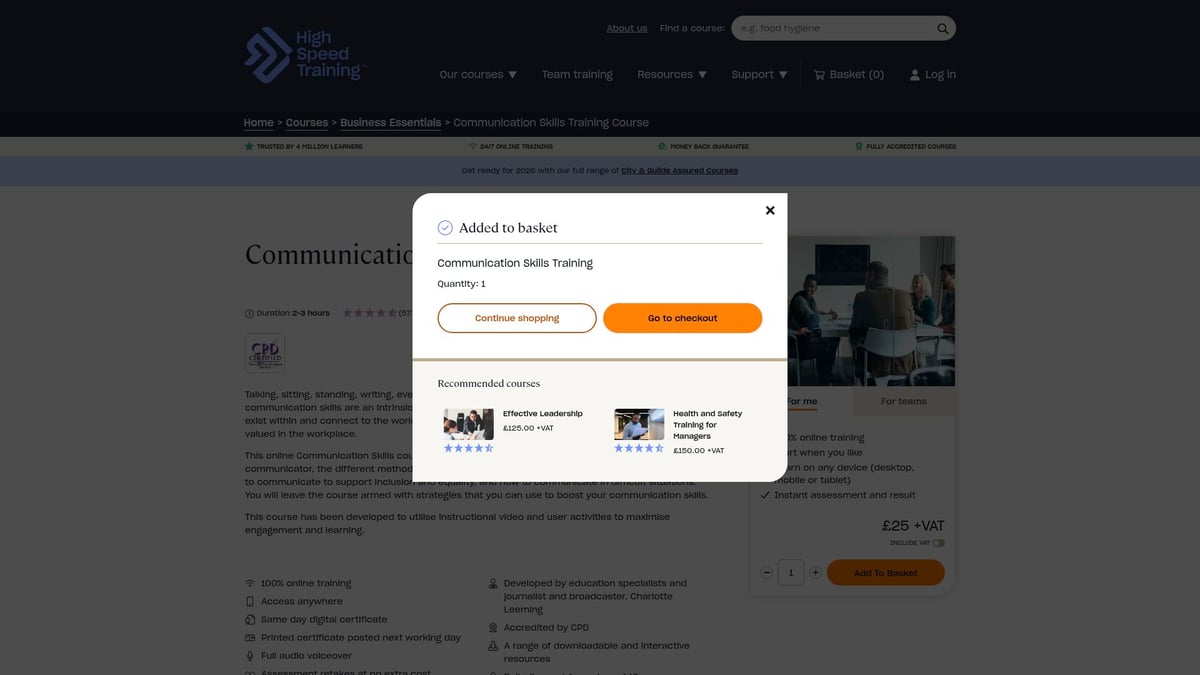
You will cover the essentials of verbal and non-verbal communication, techniques for boosting confidence, strategies for handling difficult conversations, and the importance of inclusion and equality. The interactive modules, instant assessment, and downloadable resources ensure practical learning outcomes. Upon completion, you will receive a same-day digital certificate, making it easy to showcase your new skills.
Key Benefits:
- 100% online and self-paced
- Suitable for individuals, professionals, managers, and teams
- Comprehensive content with immediate certification
Pros:
- Affordable pricing for courses communication
- Accessible on any device
- Well-structured for busy professionals
Cons:
- Limited to online format
- No direct interaction with live instructors
For those wanting a flexible and recognised way to upskill, this is an excellent choice among courses communication.
2. Online Communication Skills Courses by FutureLearn
FutureLearn provides a broad catalogue of courses communication, catering to learners of all backgrounds and experience levels. Their subscription-based model (Unlimited: around $244.99/year) grants access to a wide range of university-led courses, with some free options for those exploring specific topics.
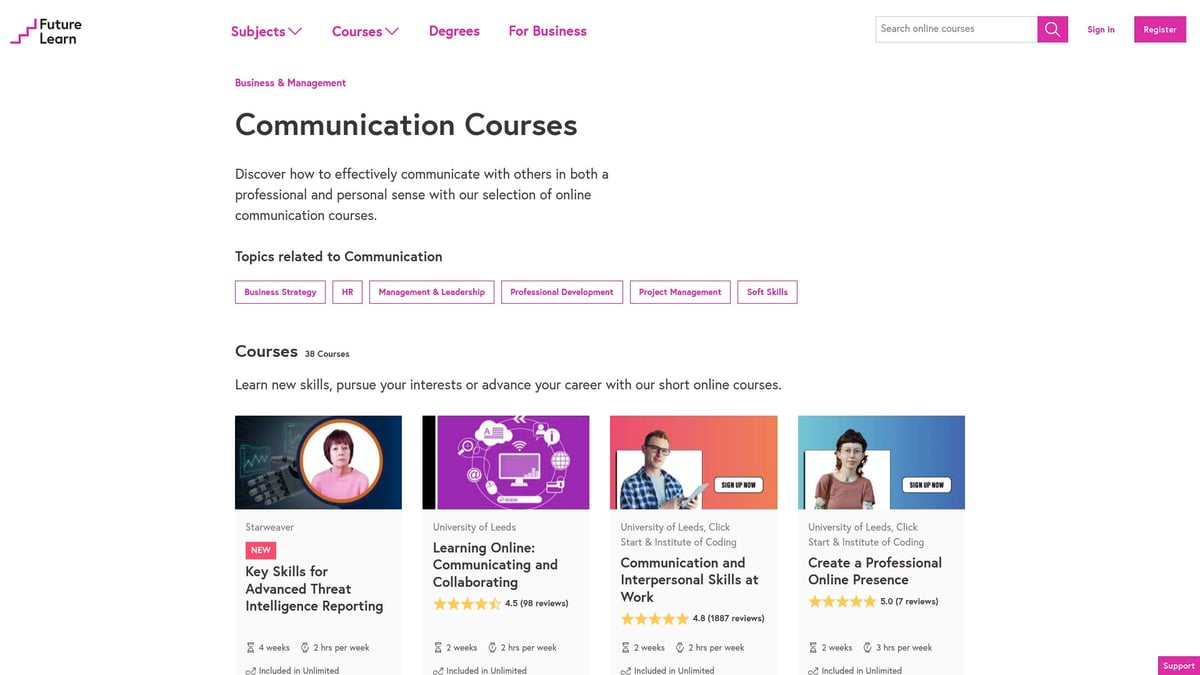
Course formats vary from quick, focused modules to longer, in-depth studies. You can learn from leading institutions, participate in peer discussion forums, and earn certificates to demonstrate your progress. The diversity of content spans business, media, healthcare, and more, making it suitable for lifelong learners, students, and professionals alike.
Key Features:
- University-led instruction
- Mix of short and long courses communication
- Certificates for completion
Pros:
- Wide range of topics and learning formats
- Recognised certification options
- Engaging peer discussions
Cons:
- Subscription needed for full access
- Quality may vary between providers
If you value variety in courses communication and enjoy structured, peer-supported learning, FutureLearn is a strong contender.
3. Effective Communication: Writing, Design, and Presentation Specialisation by Coursera
Coursera's specialisation, delivered by the University of Colorado Boulder, stands out for professionals seeking comprehensive courses communication. Priced at about £39 per month, with a free trial available, this multi-course pathway covers writing, visual communication, public speaking, and storytelling.
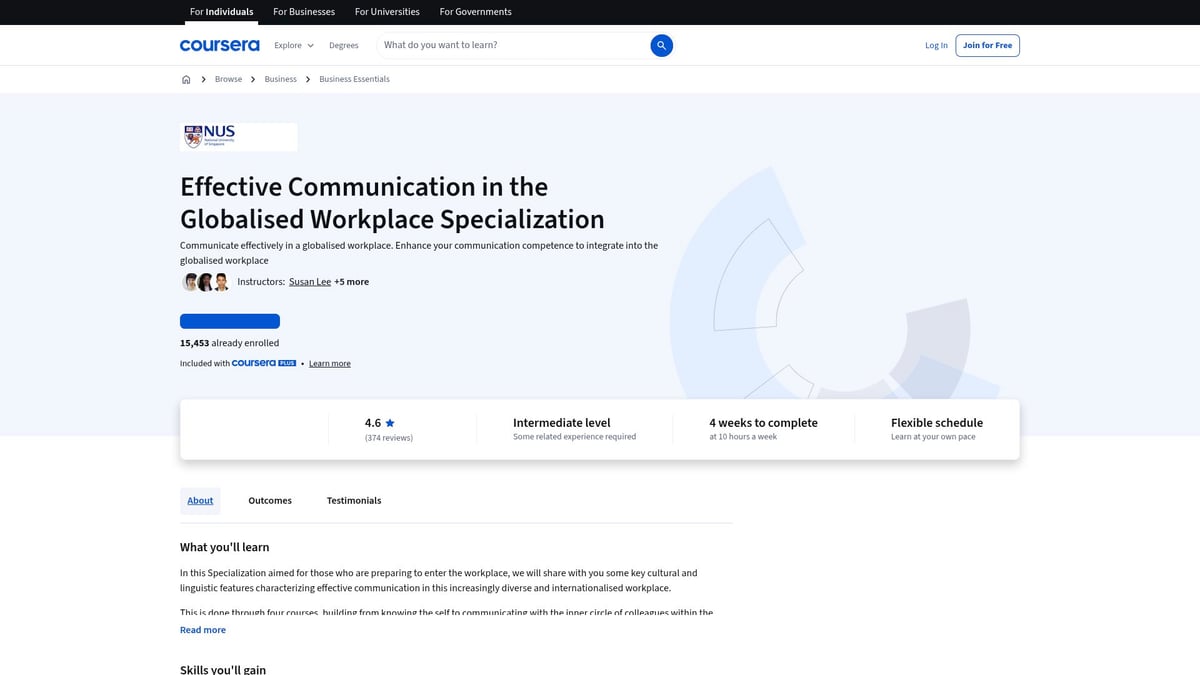
The project-based approach means you will engage in hands-on assignments and receive globally recognised certification upon completion. Flexible deadlines allow you to balance your studies with work or personal commitments, making it suitable for business leaders, professionals, and students aiming to deepen their expertise.
Key Features:
- Multi-course specialisation
- Project-based, practical assignments
- Self-paced with flexible deadlines
Pros:
- In-depth exploration of courses communication
- Recognised certification
- Practical, real-world focus
Cons:
- Requires ongoing commitment
- Subscription cost can add up
For those targeting mastery in courses communication, Coursera offers a rich, immersive experience.
4. My Training Network: Instructor-Led Communication Workshops
For organisations prioritising high-impact courses communication, My Training Network delivers instructor-led workshops tailored to team needs. Pricing is customised based on group size and requirements, ensuring a personalised approach for Canadian businesses and teams.
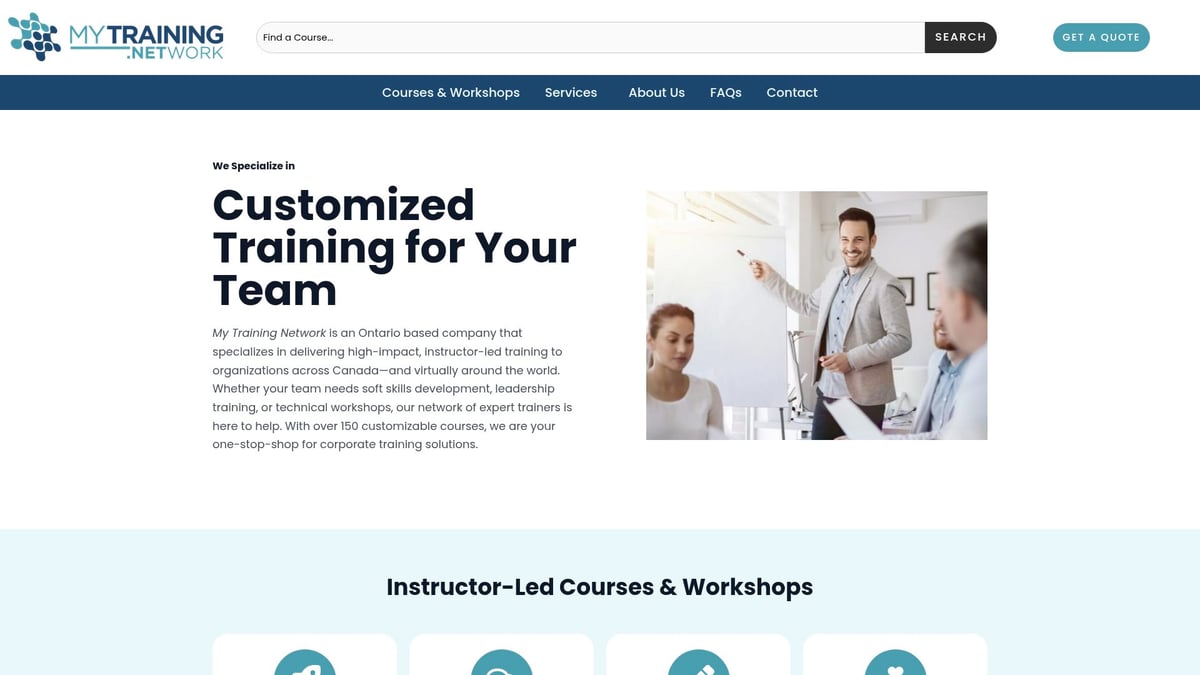
You can select from over 150 courses, with expert trainers facilitating either in-person or virtual sessions. The curriculum is fully customisable, allowing you to focus on the most relevant communication challenges facing your team. Interactive activities and real-time feedback enhance engagement and retention.
Key Features:
- Live, instructor-led courses communication
- Customisable curriculum for teams
- Interactive, real-time learning
Pros:
- Immediate feedback and practical exercises
- Tailored to organisational goals
- Team-focused for maximum impact
Cons:
- Not available for individuals
- Pricing details not public
For teams seeking further development, the Essential Workplace Communication Skills course offers a focused approach to core skills, complementing instructor-led workshops.
5. Communication Skills for Teamwork by edX
EdX offers university-quality courses communication, with this option focusing on teamwork in professional settings. Learners can audit the course for free or pay a fee (typically £40-£100) for a verified certificate.
The curriculum addresses collaboration, conflict resolution, and practical scenarios relevant to project managers, team leaders, and professionals in collaborative roles. The flexible online format allows you to study at your own pace, fitting seamlessly into your schedule.
Key Features:
- University-backed courses communication
- Teamwork and conflict resolution focus
- Flexible and affordable
Pros:
- Practical, real-world content
- Low-cost certification option
- Self-paced learning
Cons:
- Limited personalisation
- Minimal instructor interaction
If you are aiming to improve your effectiveness in courses communication within teams, edX is a reliable option.
6. Business Communication by LinkedIn Learning
LinkedIn Learning specialises in microlearning, making it ideal for busy professionals seeking targeted courses communication. For £29.99 per month (with a free trial), you gain access to video-based lessons led by industry experts.
The platform covers a wide range of topics, including email, presentations, negotiation, and cross-cultural communication. Lessons are short and focused, perfect for fitting into a hectic schedule. Certificates of completion can be added directly to your LinkedIn profile, showcasing your new skills to employers.
Key Features:
- Video-based microlearning
- Industry expert instructors
- Certificates integrated with LinkedIn
Pros:
- Flexible, bite-sized content
- Broad topic coverage in courses communication
- Recognised certificates
Cons:
- Subscription required for access
- Less depth than full-length courses
For those who value flexibility and practical learning, LinkedIn Learning delivers efficient courses communication.
7. Emotional Intelligence and Communication by Udemy
Udemy's offering is perfect for anyone wanting affordable, self-paced courses communication. With a one-time fee (typically £10-£50 per course), you receive lifetime access to video lectures and practical exercises.
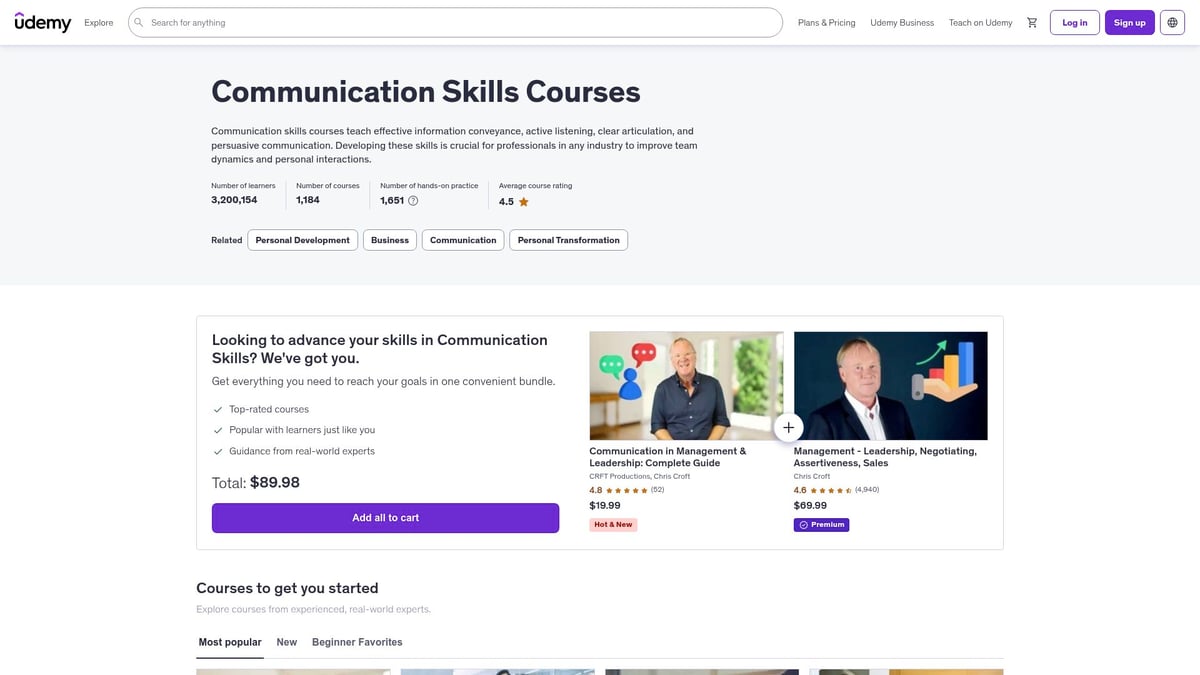
The courses focus on developing emotional intelligence, active listening, assertiveness, and effective feedback. With a wide array of instructors, you can select a course that matches your learning style and objectives. However, quality and accreditation may vary, so reviewing ratings and previews is recommended.
Key Features:
- Self-paced, video-based courses communication
- Lifetime access
- Practical exercises and tools
Pros:
- Affordable and flexible
- Wide choice of topics and instructors
- Practical, real-world focus
Cons:
- Quality varies between instructors
- Lacks formal accreditation
Udemy provides accessible courses communication for those committed to continuous soft skills development.
How to Choose the Right Communication Course for Your Goals
Selecting the best courses communication for your needs can be transformative for your career and personal growth. The right choice will depend on your current abilities, learning preferences, and professional objectives. This section provides a step-by-step approach to help you navigate the options and make an informed decision.
Assessing Your Current Skills and Needs
Begin by evaluating your strengths and areas needing improvement within courses communication. Are you confident in public speaking, or is written communication your challenge? Conduct a self-assessment to identify gaps. Use feedback from colleagues or managers to guide your focus.
For example, if you struggle to listen actively during meetings, consider a targeted course like Active Listening in the Workplace. Setting clear objectives, such as improving presentation skills or mastering conflict resolution, will ensure the chosen courses communication align with your career ambitions.
Comparing Learning Formats and Delivery Methods
The delivery style of courses communication is just as important as the content itself. Reflect on whether you prefer online self-paced modules, live instructor-led workshops, or a blended approach. Online platforms offer flexibility for busy professionals, while live sessions provide real-time interaction and feedback.
Consider your learning style. Visual learners may benefit from video content, while those who prefer discussion might opt for group-based workshops. Matching your preferences to the format of courses communication will boost engagement and outcomes.
Evaluating Course Content and Accreditation
Not all courses communication offer the same depth or credibility. Review the syllabus to confirm it covers essential topics such as inclusion, digital communication, and emotional intelligence. Accreditation is key—look for CPD, university, or industry recognition.
Assess whether the course provides practical tools, such as role-play or scenario-based exercises. Accredited courses communication can add weight to your CV and demonstrate your commitment to professional development.
Budget and Return on Investment
Cost is a major factor when selecting courses communication. Compare subscription models, one-off fees, and corporate packages. Weigh the investment against the potential benefits for your career or organisation.
| Option | Typical Cost | Value Provided |
|---|---|---|
| Online Subscription | £25–£40/month | Ongoing access, certificates |
| One-off Payment | £10–£50/course | Lifetime access, immediate skills |
| Corporate Packages | Custom | Team development, tailored content |
Consider the impact on productivity and advancement. Studies show communication skills impact on productivity, with effective communicators boosting team output by up to 25 percent.
Leveraging Peer Reviews and Success Stories
Before enrolling, read reviews and case studies for your shortlisted courses communication. Peer feedback offers insights into course quality, instructor effectiveness, and practical outcomes.
Look for testimonials highlighting improved confidence, better collaboration, or career progression. High ratings and success stories can reassure you that the courses communication deliver real value and are trusted by other learners.
Maximising the Impact of Communication Training
To truly benefit from courses communication, the key is turning new knowledge into lasting skills. Training alone is not enough. You need targeted strategies to embed these skills into your daily professional life, ensuring ongoing growth and tangible results.
Applying Skills in Real-World Scenarios
The most effective courses communication emphasise practical application. By using role-play, feedback sessions, and workplace simulations, you can bridge the gap between theory and practice. For instance, incorporating active listening in meetings or managing difficult conversations after training helps reinforce new techniques.
To further strengthen these skills, consider dedicated sessions like those found in Effective Feedback Training, which focus on the art of giving and receiving feedback. Regularly practising these approaches ensures that communication improvements are sustained and visible in daily interactions.
Building a Continuous Learning Mindset
Ongoing development is crucial for keeping your courses communication skills sharp. Technology, workplace culture, and team dynamics are always evolving, so it’s important to embrace a mindset of lifelong learning.
Microlearning and on-demand content make it easier to fit skill refreshers into your schedule. By dedicating time each week to review new resources or revisit training modules, you maintain momentum and adapt to new communication challenges as they arise.
Measuring Progress and Success
Tracking your growth is essential to maximising the return on investment from courses communication. Set measurable goals, such as improved peer feedback scores, increased team productivity, or better project outcomes.
Use self-assessment checklists, manager feedback, and peer evaluations to monitor progress. For organisations, measuring training ROI through storytelling provides a compelling way to demonstrate the impact of learning initiatives and secure future support for communication development.
Encouraging Organisational Support
Sustained improvement in courses communication relies on strong organisational backing. Leadership buy-in is vital for embedding communication training into company culture.
Encourage leaders to champion open dialogue, recognise skill improvements, and invest in regular team sessions. When organisations prioritise communication, employees feel more empowered to use their new skills, leading to a more collaborative and effective workplace.
Staying Ahead of Future Trends
As technology and workplace expectations shift, adapting your courses communication approach is essential. Stay informed about emerging tools like AI, VR, and collaboration platforms, which are shaping the future of communication training.
Additionally, prioritise inclusion, neurodiversity, and global competence in your ongoing learning. By staying proactive, you ensure your skills remain relevant and impactful in an ever-changing professional landscape.

