

The quality of customer service can make or break a business. In today's competitive landscape, organizations across Canada recognize that exceptional customer experiences don't happen by accident-they're the result of deliberate, structured training programs. Whether your team interacts with customers face-to-face, over the phone, or through digital channels, investing in comprehensive customer service training creates a foundation for long-term success and customer loyalty.
Why Customer Service Training Matters in 2026
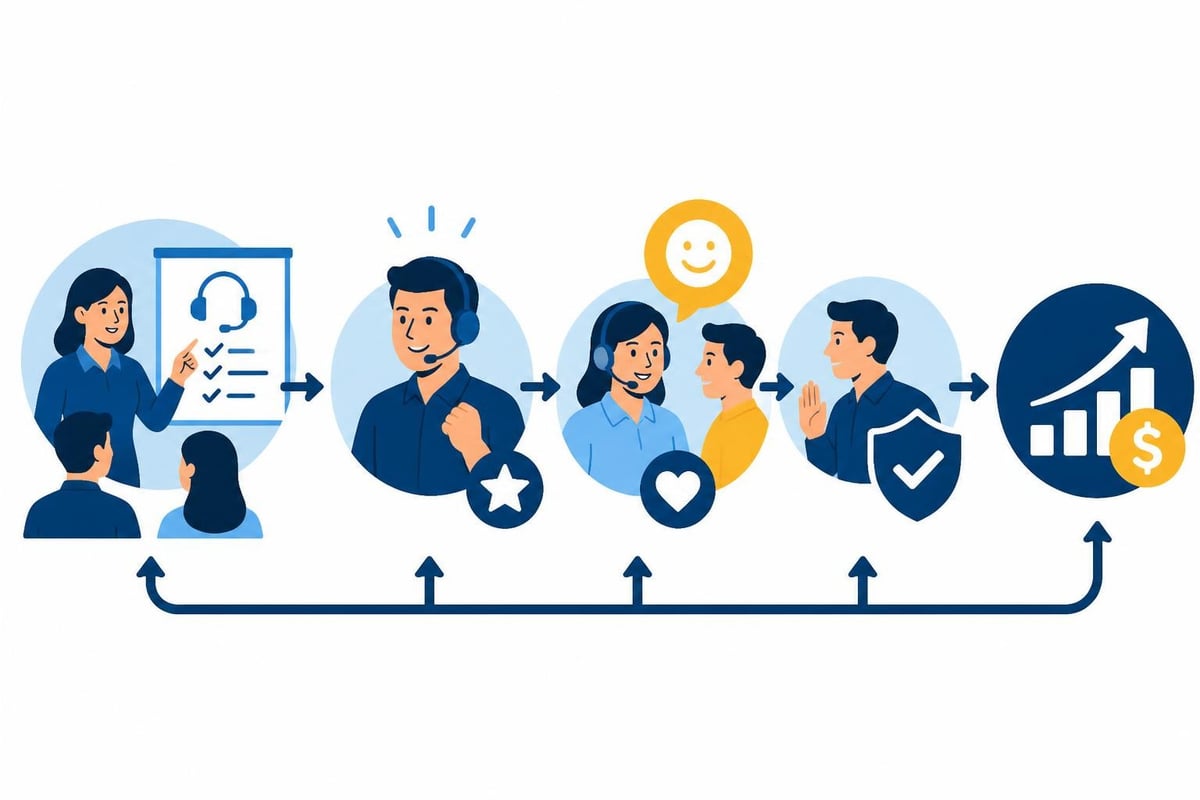
Organizations that prioritize customer service training see measurable improvements in customer retention, employee satisfaction, and revenue growth. The correlation between well-trained staff and positive customer outcomes is undeniable. When employees understand how to handle difficult situations, communicate effectively, and represent your brand values, every customer interaction becomes an opportunity to strengthen relationships.
Research shows that customer service training interventions significantly impact employee behaviour and organizational performance. According to systematic reviews on training effectiveness, programs that emphasize employee empowerment and behaviour modelling produce the strongest results.
The Business Impact of Trained Teams
Consider these key benefits:
- Reduced employee turnover through increased confidence and job satisfaction
- Higher customer satisfaction scores leading to repeat business
- Fewer escalations when frontline staff can resolve issues independently
- Stronger brand reputation built on consistent, positive experiences
- Increased revenue from customers who remain loyal to companies with exceptional service
The investment in customer service training pays dividends across multiple business metrics. Organizations that integrate training into their culture rather than treating it as a one-time event create sustainable competitive advantages.
Essential Components of Effective Customer Service Training
Building a comprehensive customer service training program requires careful attention to multiple elements. Successful programs go beyond basic courtesy and delve into the psychology of customer interactions, problem-solving methodologies, and communication techniques.
Core Skills Every Customer Service Representative Needs
A well-rounded training curriculum should address these fundamental competencies:
- Active listening skills to understand customer needs fully
- Empathy and emotional intelligence for connecting with frustrated or upset customers
- Product and service knowledge to provide accurate information
- Problem-solving abilities to resolve issues efficiently
- Communication clarity across verbal and written channels
- Conflict resolution techniques for managing difficult conversations
- Time management to balance efficiency with quality service
Organizations like My Training Network offer specialized courses that develop these competencies through instructor-led sessions tailored to your industry and customer base.
Structuring Your Training Program
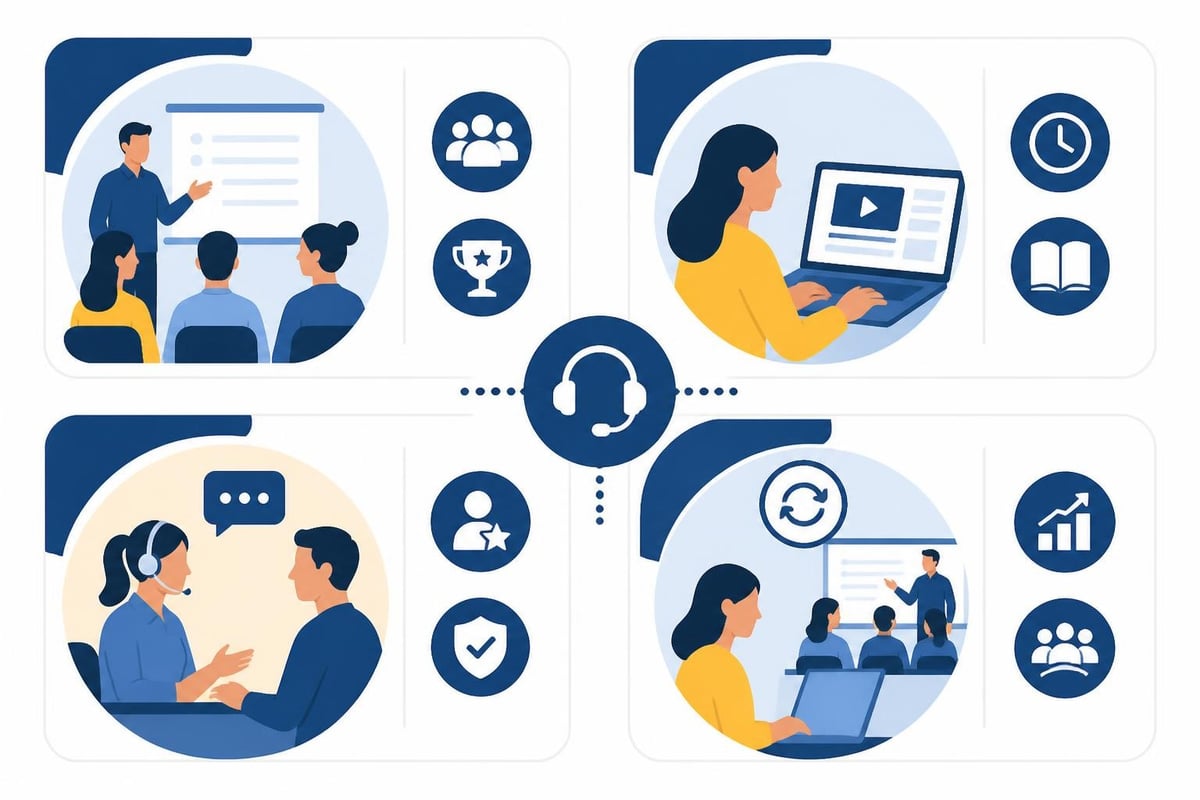
The most effective customer service training programs blend multiple learning formats and extend beyond initial onboarding. Best practices for training customer service representatives recommend short, focused sessions combined with hands-on practice and ongoing reinforcement.
| Training Phase | Duration | Key Activities | Expected Outcomes |
|---|---|---|---|
| Onboarding | 1-2 weeks | Company values, product knowledge, system training | Basic competency and confidence |
| Skill Development | Ongoing | Role-playing, scenario training, workshops | Advanced problem-solving abilities |
| Coaching & Mentoring | Continuous | One-on-one feedback, peer learning | Performance improvement and consistency |
| Advanced Training | Quarterly | Leadership development, specialized skills | Career progression and expertise |
Creating a Customer-Centric Training Culture
Customer service training delivers maximum value when it's embedded in organizational culture rather than isolated to a single department. Every employee, regardless of role, contributes to the customer experience in some capacity.
Aligning Training with Company Values
Your training program should reflect and reinforce your organization's core values. When employees understand how their actions connect to broader business objectives, they're more motivated to apply their learning. This alignment requires leadership commitment and clear communication about why customer service excellence matters.
Consider incorporating leadership skills training for managers who oversee customer-facing teams. Leaders who model excellent service behaviours create environments where frontline staff feel empowered to do the same.
Empowering Employees Through Knowledge
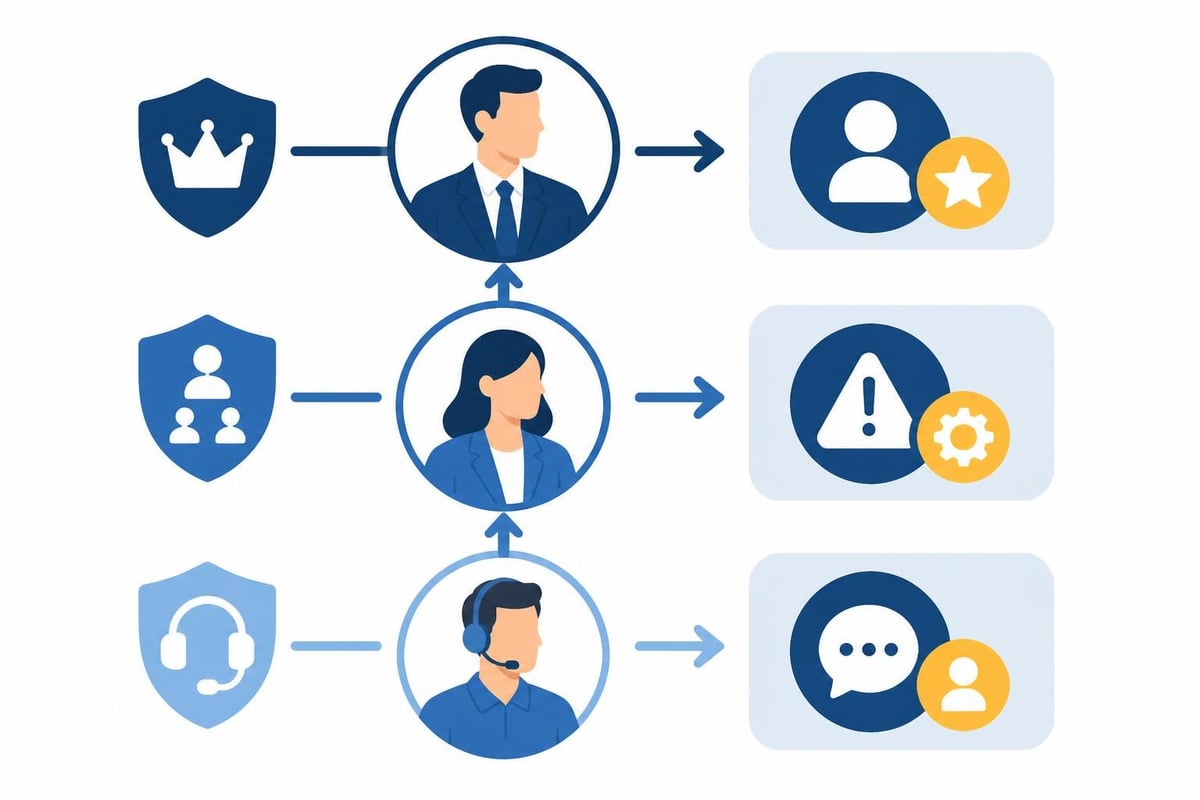
According to comprehensive guides on customer service training, empowerment is a critical success factor. Employees need authority to make decisions that benefit customers without requiring multiple approval layers. Training should include:
- Clear guidelines on when employees can offer refunds, discounts, or exceptions
- Decision-making frameworks for handling unique situations
- Understanding of cost implications to balance generosity with profitability
- Confidence-building exercises to reduce hesitation in customer interactions
Adapting Training for Omnichannel Customer Service
Modern customers interact with businesses through multiple channels-phone, email, chat, social media, and in-person. Your customer service training must prepare teams to deliver consistent, high-quality experiences across all touchpoints.
Understanding Omnichannel Expectations
Omnichannel customer service means customers can seamlessly transition between channels without repeating information or experiencing service degradation. This requires training that addresses channel-specific nuances while maintaining brand consistency.
Different communication channels demand different approaches:
- Phone support requires vocal tone management and verbal clarity
- Email and chat demand strong written communication and emotional intelligence without vocal cues
- Social media necessitates public relations awareness and rapid response capabilities
- Video support combines verbal and visual communication elements
- In-person service leverages body language and immediate rapport-building
Training for Channel Flexibility
Effective customer service training programs include modules specific to each channel your organization uses. Role-playing exercises should simulate real scenarios across multiple platforms. Consider these training components:
- Channel-switching protocols to maintain context when customers change platforms
- Documentation standards so any team member can pick up where another left off
- Technology proficiency for the tools supporting each channel
- Response time expectations tailored to channel norms
- Brand voice consistency across written, verbal, and visual communications
Measuring Training Effectiveness and ROI
Implementing customer service training represents a significant investment of time and resources. Organizations need clear metrics to evaluate whether their training programs produce desired outcomes.
Key Performance Indicators for Training Success
Track these metrics before and after training initiatives:
| Metric | Measurement Method | Target Improvement |
|---|---|---|
| Customer Satisfaction (CSAT) | Post-interaction surveys | 15-25% increase |
| Net Promoter Score (NPS) | Quarterly customer surveys | 10-20 point increase |
| First Contact Resolution | Ticket tracking systems | 20-30% improvement |
| Average Handle Time | Call centre analytics | Balanced with quality metrics |
| Employee Engagement | Internal surveys and retention rates | Reduced turnover by 25% |
| Escalation Rate | Management involvement tracking | 30-40% reduction |
The most successful organizations follow customer service best practices that include regular performance analysis and sentiment measurement alongside training initiatives.
Continuous Improvement Through Feedback
Customer service training shouldn't be static. Regular feedback loops ensure your program evolves with changing customer expectations and business needs. Implement these feedback mechanisms:
- Post-training assessments to gauge immediate knowledge retention
- Customer feedback analysis to identify skill gaps in real interactions
- Employee input sessions where frontline staff share challenges and suggestions
- Quality assurance reviews examining actual customer interactions
- Benchmark comparisons against industry standards and competitors
Building Training Materials That Resonate
The quality of your training materials directly impacts learning outcomes. Generic, one-size-fits-all content fails to address the specific scenarios your team encounters daily.
Developing Scenario-Based Learning
The most effective customer service training uses real examples from your organization. Create case studies based on actual customer interactions, including both successful resolutions and situations that could have been handled better. This approach helps employees:
- Recognize patterns in customer concerns
- Practice applying techniques to realistic scenarios
- Learn from past mistakes without real-world consequences
- Build confidence through repeated exposure to challenging situations
Comprehensive training manuals emphasize empathy and customer-centric approaches, providing frameworks that employees can customize to individual situations.
Incorporating Technology and Interactive Elements
Modern learners expect engaging, interactive content. Consider these formats for your customer service training program:
- Video demonstrations showing excellent and poor service examples
- Interactive quizzes reinforcing key concepts
- Virtual reality simulations for practicing difficult conversations
- Gamification elements to increase engagement and friendly competition
- Mobile-accessible modules allowing learning during downtime
Organizations offering instructor-led training provide the additional benefit of real-time interaction, questions, and personalized feedback that self-paced materials cannot match.
Specialized Training for Different Service Environments
While core customer service principles remain consistent, different industries and service contexts require specialized knowledge. Tailoring your training to your specific environment increases relevance and practical application.
Industry-Specific Considerations
A retail customer service training program differs significantly from one designed for technical support or financial services. Consider these industry variations:
- Healthcare: HIPAA compliance, empathy for vulnerable patients, managing family members
- Technology: Technical troubleshooting, translating complex concepts, patience with varying technical literacy
- Hospitality: Creating memorable experiences, handling complaints gracefully, cultural sensitivity
- Financial services: Regulatory compliance, security protocols, discussing sensitive financial matters
- Retail: Product knowledge, upselling techniques, managing in-person and online channels
Working with training providers who understand your industry ensures relevant examples and appropriate emphasis on sector-specific requirements.
Team Size and Structure Considerations
Small teams require different customer service training approaches than large call centres. Small organizations benefit from cross-training so any team member can handle inquiries. Larger teams need specialized training tracks based on product lines, customer segments, or complexity levels.
Consider how time management training and personal effectiveness training complement customer service skills, particularly for teams juggling multiple responsibilities.
Advanced Training for Service Leaders
Managers and team leaders in customer service roles need training beyond frontline skills. Leadership in customer service environments requires balancing employee development with operational efficiency and customer satisfaction.
Coaching and Development Skills
Customer service managers should receive training in:
- Providing constructive feedback that improves performance without discouraging team members
- Recognizing and celebrating excellent service to reinforce desired behaviours
- Identifying training needs through performance analysis and observation
- Creating development paths that retain talented service professionals
- Managing stress and preventing burnout in high-pressure environments
Coaching skills for managers training equips leaders with techniques to develop their teams continuously rather than relying solely on formal training events.
Strategic Customer Service Leadership
Senior leaders need perspective on how customer service training aligns with broader business strategy. Training at this level addresses:
- Designing service standards that differentiate your organization
- Resource allocation for optimal coverage and response times
- Technology investments supporting service excellence
- Cross-departmental collaboration eliminating silos that frustrate customers
- Long-term workforce planning accounting for growth and seasonal variations
Implementing Training in Virtual and Hybrid Environments
The shift toward remote work has transformed customer service training delivery. Organizations must now train distributed teams while maintaining consistency and engagement.
Virtual Training Best Practices
Remote customer service training presents unique challenges and opportunities. Structured approaches to building training programs emphasize ongoing development alongside initial onboarding, which is particularly important for virtual teams.
Successful virtual training incorporates:
- Breakout rooms for small group practice and discussion
- Screen sharing to demonstrate systems and processes
- Recording sessions for those unable to attend live or for review purposes
- Digital collaboration tools enabling continued learning between formal sessions
- Virtual office hours where trainers are available for questions
Organizations offering online courses and hybrid workshops provide flexibility that accommodates diverse team schedules and locations.
Building Connection in Remote Teams
One challenge of virtual customer service training is creating the camaraderie and peer learning that naturally occurs in physical training environments. Address this through:
- Regular team meetings beyond formal training sessions
- Peer mentoring programs pairing experienced and new team members
- Shared communication channels for quick questions and success stories
- Virtual team-building activities that strengthen relationships
- Recognition programs highlighting excellent service examples
Customizing Training for Your Organization
While external resources and expert guidance provide valuable frameworks, the most effective customer service training is customized to your specific context. Generic training fails to address the unique challenges, customer base, and organizational culture that shape your service environment.
Conducting a Training Needs Assessment
Before designing or purchasing customer service training, assess your current state and identify gaps. This process involves:
- Analyzing customer feedback and complaint patterns
- Reviewing quality assurance findings from actual customer interactions
- Surveying employees about challenges they face and skills they need
- Benchmarking performance metrics against industry standards
- Identifying specific scenarios unique to your products or services
Partnering with Training Experts
Organizations specializing in corporate training bring expertise in adult learning principles, instructional design, and delivery methods. Expert trainers understand how to adapt content to different learning styles and organizational cultures, ensuring maximum engagement and retention.
When selecting a training partner, consider:
| Selection Criteria | Why It Matters | Questions to Ask |
|---|---|---|
| Industry Experience | Ensures relevant examples and context | What similar organizations have you trained? |
| Customization Capability | Addresses your specific needs | How do you tailor content to our situation? |
| Trainer Qualifications | Impacts credibility and engagement | What experience do your instructors have? |
| Measurement Approach | Demonstrates ROI | How do you measure training effectiveness? |
| Ongoing Support | Reinforces learning over time | What resources are available after formal training? |
Maintaining Momentum After Initial Training
Customer service training is not a one-time event but an ongoing process. Skills degrade without reinforcement, and customer expectations continuously evolve.
Creating a Culture of Continuous Learning
Organizations with the strongest customer service embed learning into daily operations. Empowering teams to deliver exceptional experiences requires regular skill refreshers and new technique introduction.
Strategies for sustained learning include:
- Monthly mini-training sessions on specific topics
- Lunch-and-learn events featuring guest speakers or case studies
- Access to on-demand learning resources for just-in-time skill development
- Regular sharing of customer feedback, both positive and negative
- Cross-training opportunities allowing employees to understand related roles
Recognizing and Rewarding Excellence
Recognition reinforces the behaviours emphasized in customer service training. Implement systems that celebrate:
- Employees who receive outstanding customer feedback
- Creative problem-solving that turns negative situations into positive outcomes
- Consistent application of training principles in daily interactions
- Mentoring and knowledge-sharing among team members
- Improvement in individual performance metrics over time
Recognition programs maintain enthusiasm for applying training concepts long after formal learning sessions conclude.
Investing in customer service training creates a competitive advantage that drives customer loyalty, employee satisfaction, and business growth. By developing comprehensive programs that address core skills, channel-specific competencies, and ongoing development, organizations build teams capable of delivering exceptional experiences consistently. Whether you're establishing your first formal training program or enhancing existing initiatives, My Training Network offers customizable, instructor-led training solutions designed for Canadian organizations. Our expert trainers deliver engaging, practical sessions that equip your team with the skills they need to exceed customer expectations and represent your brand with confidence.

