

Email remains the cornerstone of professional communication in 2026, yet countless employees struggle to craft messages that are clear, concise, and effective. Poor email communication costs organizations time, creates misunderstandings, and damages professional relationships. Email writing training addresses these challenges by equipping teams with the skills to compose messages that get results, build credibility, and streamline workplace communication. Whether your team sends five emails daily or fifty, investing in structured email writing training delivers measurable improvements in productivity and professional presence.
Why Email Writing Training Matters in Modern Business
The average professional spends approximately 28% of their workday managing email correspondence. Despite this significant time investment, many employees never receive formal instruction on how to write effective emails. This gap in training creates widespread problems: unclear subject lines that result in missed messages, rambling content that obscures key points, and inappropriate tone that damages relationships.
Email writing training transforms these weaknesses into strengths. Employees learn to craft messages that recipients understand immediately, reducing the back-and-forth exchanges that waste time. They develop skills in structuring information logically, choosing appropriate language for different audiences, and presenting their ideas with clarity and professionalism.
The Business Impact of Poor Email Skills
Organizations face tangible costs when their teams lack proper email writing skills. Consider these common scenarios:
- Misunderstood instructions leading to project delays and rework
- Missed opportunities because important emails went unread or were unclear
- Damaged client relationships resulting from tone-deaf or unprofessional messages
- Decreased productivity from endless email chains that could have been resolved in one well-crafted message
- Compliance risks when employees communicate sensitive information inappropriately
Research indicates that professionals who receive email communication training demonstrate significantly improved clarity and conciseness in their written correspondence. These improvements translate directly to measurable business outcomes, including faster decision-making, reduced miscommunication, and enhanced professional credibility.

Core Components of Effective Email Writing Training
Comprehensive email writing training covers multiple dimensions of professional email communication. Programs must address both technical skills and strategic thinking to create lasting improvement in how employees communicate.
Subject Line Mastery
The subject line represents your first and often only opportunity to capture attention. Training should emphasize creating subject lines that are specific, actionable, and informative. For example, "Meeting Request" becomes "Request: 30-minute budget review meeting Tuesday 3pm." This specificity helps recipients prioritize their inbox and understand the email's purpose before opening it.
Effective professional email writing requires subject lines that accurately reflect content, include relevant dates or deadlines when appropriate, and avoid vague language. Participants should practice writing subject lines for various scenarios, from routine updates to urgent requests.
Structural Excellence
Email writing training must teach participants how to organize information for maximum clarity. The most effective professional emails follow a predictable structure:
- Clear opening that states purpose immediately
- Organized body presenting information in logical sequence
- Specific action items with clear ownership and deadlines
- Professional closing that maintains appropriate tone
Training participants to structure emails consistently helps recipients process information quickly and take appropriate action. Organizations that implement instructor-led training for email writing see dramatic improvements in how teams organize and present information.
Tone and Professionalism
One of the most nuanced aspects of email writing training involves teaching appropriate tone across different contexts. Employees must learn to adjust their language based on the recipient, situation, and organizational culture whilst maintaining professionalism.
| Situation | Appropriate Tone | Avoid |
|---|---|---|
| Client inquiry | Warm, helpful, professional | Overly casual language, slang |
| Internal update | Clear, direct, collaborative | Passive-aggressive undertones |
| Urgent request | Assertive, respectful, specific | Demanding or emotional language |
| Bad news delivery | Empathetic, honest, solution-focused | Blame or defensive posturing |
Training should include real-world examples where tone significantly impacts outcomes. Participants benefit from analyzing both effective and ineffective emails, identifying how word choice, sentence structure, and formatting affect how messages are received.
Advanced Email Writing Techniques
Beyond foundational skills, email writing training should address sophisticated techniques that distinguish exceptional communicators from average ones. These advanced concepts help professionals navigate complex communication scenarios with confidence and skill.
Audience Analysis and Adaptation
Effective email writers understand that different audiences require different approaches. Training should develop participants' ability to analyze their recipients and adapt their message accordingly. Writing to a technical team differs substantially from communicating with senior executives or external stakeholders.
Professionals who complete comprehensive communication training learn to ask critical questions before drafting: What does this recipient already know? What do they need from me? What action do I want them to take? These questions shape every aspect of the email, from level of detail to vocabulary choices.
Formatting for Readability
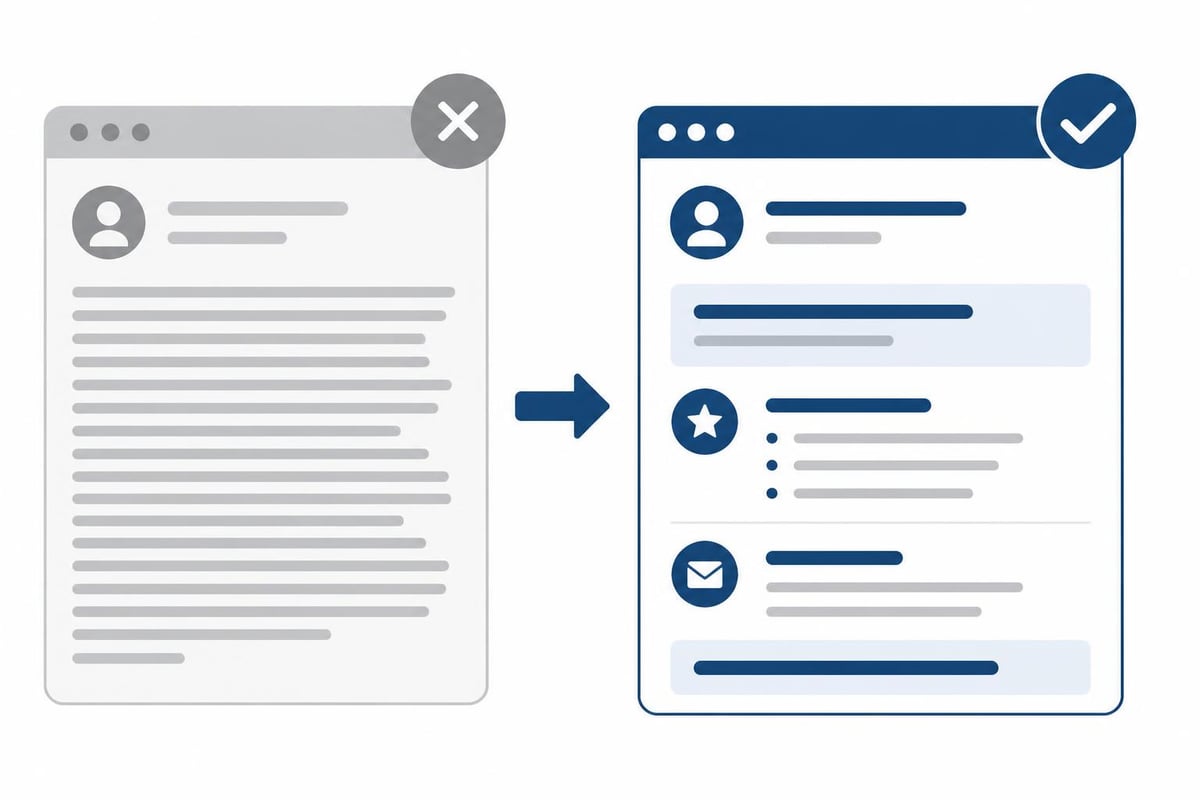
Modern email readers scan rather than read thoroughly. Email writing training must teach formatting techniques that accommodate this reality:
- Strategic use of white space to break up dense text
- Bullet points for lists, options, or multiple pieces of information
- Bold text to highlight critical information or action items
- Short paragraphs (2-3 sentences maximum) for easier scanning
- Numbered lists for sequential steps or prioritized items
These formatting choices dramatically improve comprehension rates and response times. Participants should practice converting dense, paragraph-heavy emails into scannable, reader-friendly versions during training sessions.
Managing Email Volume and Priorities
Email writing training should address not just composition but also strategic email management. Participants learn when email represents the best communication channel and when alternatives like phone calls, video meetings, or project management tools serve better.
Training on business writing fundamentals often includes decision frameworks for channel selection, helping professionals reduce unnecessary email volume whilst ensuring important messages reach their intended audiences through appropriate means.
Building Email Writing Training Into Your Organization
Implementing email writing training requires thoughtful planning to ensure maximum impact and lasting behaviour change. Organizations should consider multiple delivery methods and reinforcement strategies to embed new skills effectively.
Training Delivery Options
Different organizational contexts demand different training approaches. Consider these options when planning your email writing training programme:
Workshop-based training brings teams together for focused skill development. Interactive sessions allow participants to practice writing emails, receive immediate feedback, and learn from peer examples. This format works particularly well for corporate training programmes where teams benefit from developing shared communication standards.
Virtual instructor-led sessions provide flexibility whilst maintaining the benefits of expert guidance and peer interaction. These sessions suit distributed teams or organizations with remote workers, delivering high-quality training without travel requirements.
Self-paced modules combined with group coaching create blended learning experiences. Participants complete foundational content independently, then apply learning during facilitated practice sessions with trainers.
Customization for Industry and Role
Generic email writing training delivers limited value. The most effective programmes customize content for specific industries, roles, and organizational contexts. Customer service teams need different email skills than finance professionals or project managers.
For example, customer service training should emphasize empathy, de-escalation techniques, and solution-focused language. Meanwhile, leadership teams might focus on communicating change, providing feedback, or delivering strategic updates through email.
Organizations should work with training providers to develop scenarios, examples, and practice exercises that reflect real workplace situations. This relevance increases engagement and accelerates skill transfer to daily work.
Measuring Email Writing Training Effectiveness
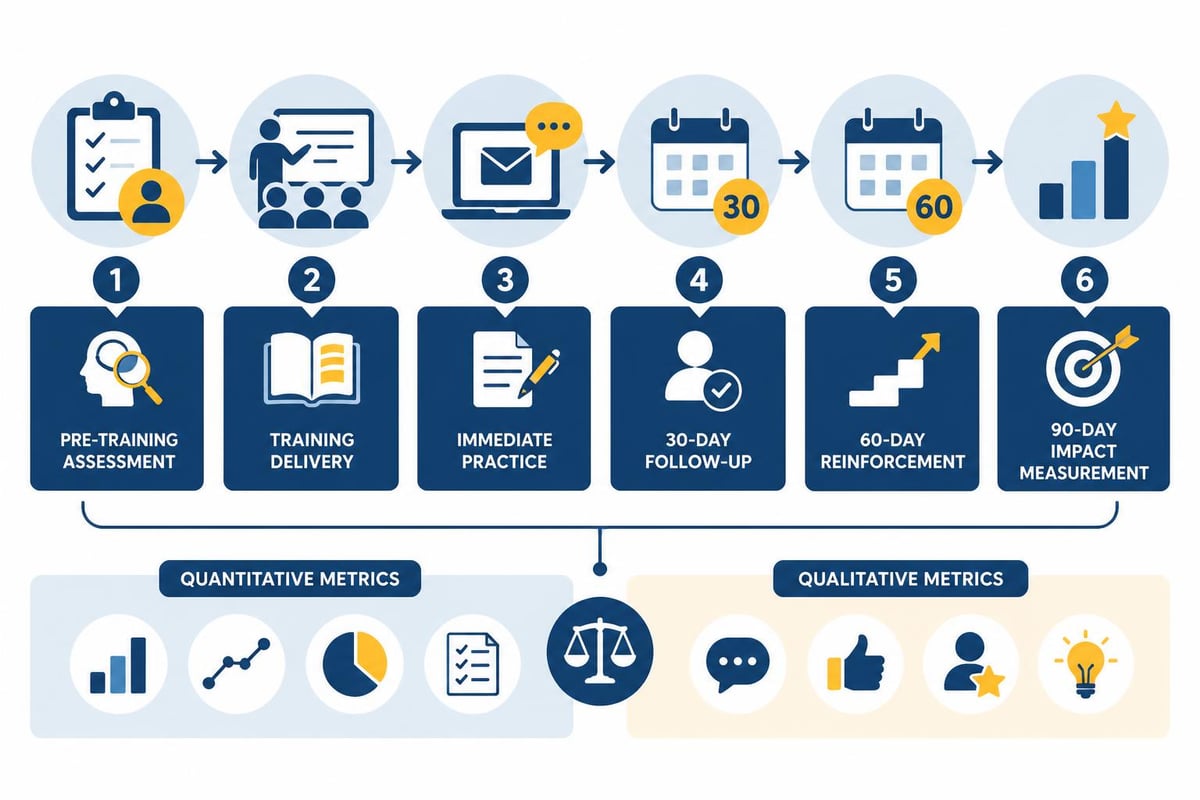
Investment in email writing training deserves rigorous evaluation to ensure programmes deliver expected results. Organizations should establish clear metrics before training begins and track progress systematically.
Quantitative Metrics
Several quantifiable indicators reveal training effectiveness:
| Metric | Measurement Method | Target Improvement |
|---|---|---|
| Email response time | Track average time to receive responses | 20-30% reduction |
| Email chain length | Count messages needed to resolve issues | 25% fewer exchanges |
| Email volume | Monitor sent/received messages per employee | 15% reduction in unnecessary emails |
| Time spent on email | Self-reported or tracked through tools | 20% decrease |
These metrics provide objective evidence of training impact. Organizations should measure baseline performance before training, then track changes at 30, 60, and 90 days post-training to identify sustained improvement.
Qualitative Assessments
Numbers tell only part of the story. Qualitative feedback reveals how email writing training affects workplace culture and communication quality. Consider gathering insights through:
- Manager observations on team communication clarity
- Client feedback regarding email correspondence quality
- Peer reviews of email effectiveness
- Self-assessments tracking confidence and competence growth
Organizations that implement professional development initiatives typically combine quantitative and qualitative measures to gain comprehensive understanding of training impact.
Common Email Writing Challenges and Solutions
Email writing training should address the specific challenges professionals encounter daily. Understanding common pitfalls helps trainers design programmes that solve real problems rather than teaching abstract concepts.
Overcoming Information Overload
Many professionals struggle with emails that try to accomplish too much at once. Training should emphasize the "one email, one purpose" principle. When multiple topics need addressing, separate emails often serve better than combining everything into one overwhelming message.
Participants learn to identify when they're cramming too much into a single email and practice breaking complex communications into manageable pieces. This approach improves comprehension rates and makes it easier for recipients to take appropriate action.
Addressing Tone Misinterpretation
Written communication lacks the vocal inflection and body language that clarify intent in face-to-face conversations. Email writing training must teach techniques for ensuring tone translates accurately. According to research on email communication best practices, choosing positive language and assuming good intent help prevent tone-related misunderstandings.
Training participants to read their emails aloud before sending helps identify unintended harshness or ambiguity. Teams also benefit from establishing shared guidelines around challenging communications like delivering criticism or discussing conflicts.
Managing Response Expectations
Email writing training should address both sending and receiving dynamics. Participants learn to set clear expectations about response timeframes, use out-of-office messages effectively, and manage their own inbox to reduce stress whilst maintaining responsiveness.
Understanding professional email etiquette includes knowing when immediate responses are necessary versus when thoughtful replies serve better, even if they take longer.
Sustaining Email Writing Skills Long-Term
Training represents just the beginning of skill development. Organizations must implement reinforcement strategies to ensure email writing training creates lasting behaviour change rather than temporary improvement.
Creating Support Systems
Successful organizations establish ongoing support for email writing excellence. This might include:
- Email templates for common scenarios that model best practices
- Peer review programmes where colleagues provide feedback
- Monthly refresher sessions addressing new challenges
- Internal style guides establishing organizational standards
- Recognition programmes celebrating excellent email communication
These support systems keep email writing skills top of mind and provide resources when employees encounter unfamiliar situations.
Leveraging Technology Appropriately
Whilst email writing fundamentally remains a human skill, technology can support quality and efficiency. Training should address how to use tools like grammar checkers, templates, and scheduling features effectively without allowing technology to replace critical thinking about communication strategy.
Recent developments in AI-assisted writing raise important questions about maintaining authenticity whilst leveraging helpful tools. Email writing training should help professionals navigate these technologies thoughtfully, using them to enhance rather than replace their communication skills.
Building a Communication Culture
The most successful email writing training occurs within organizations that value clear communication broadly. Leaders who model excellent email practices, recognize strong communicators, and prioritize communication skills in hiring and promotion create environments where training takes root deeply.
Organizations might establish communication champions who advocate for best practices, share tips, and provide informal coaching to colleagues. This peer-to-peer reinforcement extends training impact far beyond formal sessions.
Tailoring Training for Different Learning Needs
Effective email writing training accommodates diverse learning styles, experience levels, and accessibility requirements. Inclusive programme design ensures all participants can develop essential skills regardless of their starting point or learning preferences.
Supporting Multiple Learning Styles
Comprehensive training incorporates various instructional methods to engage different learners. Visual learners benefit from before-and-after email examples and formatting demonstrations. Kinaesthetic learners need hands-on practice drafting and revising emails. Auditory learners gain from discussion, verbal feedback, and explanation of concepts.
Skilled trainers vary their delivery methods within sessions, combining presentation, discussion, individual practice, and collaborative activities to keep all participants engaged and learning effectively.
Accommodating Experience Levels
Email writing training groups often include participants with vastly different experience levels. Some may be early-career professionals just entering the workplace, whilst others bring decades of experience but have developed poor habits over time.
Effective training addresses this range through differentiated activities, allowing newer professionals to focus on fundamentals whilst giving experienced participants opportunities to refine advanced techniques. Small group work enables peer learning where experienced professionals mentor less experienced colleagues.
Ensuring Accessibility
Training programmes must accommodate participants with diverse needs, including those with dyslexia, visual impairments, or other conditions affecting written communication. Research on AI-assisted email writing for accessibility demonstrates how technology can support professionals with different needs whilst they develop core skills.
Trainers should provide materials in multiple formats, allow extra time for activities when needed, and create psychologically safe environments where participants feel comfortable asking questions and requesting support.
Mastering professional email communication transforms workplace efficiency, builds stronger relationships, and elevates your organization's credibility. Email writing training equips your team with skills that pay dividends daily through clearer communication, faster decision-making, and stronger professional presence. My Training Network delivers customizable email writing training across Canada and virtually worldwide, helping organizations develop communication excellence through expert-led, practical programmes designed for lasting impact.

