

In today's rapidly evolving workplace, technical skills alone no longer guarantee success. The ability to understand, manage, and leverage emotions has become a critical differentiator between good and exceptional performance. Emotional intelligence training equips professionals with the skills to navigate complex interpersonal dynamics, lead with empathy, and build resilient, high-performing teams. As organizations across Canada recognize the tangible impact of emotionally intelligent workforces, investing in structured development programmes has shifted from optional to essential for sustainable competitive advantage.
Understanding Emotional Intelligence in Professional Settings
Emotional intelligence represents the capacity to recognize, understand, and manage both your own emotions and those of others. Daniel Goleman’s five key components form the foundation of most training approaches: self-awareness, self-regulation, motivation, empathy, and social skills. These elements work synergistically to enhance decision-making, communication effectiveness, and interpersonal relationships.
Organizations implementing emotional intelligence training typically observe measurable improvements across multiple performance indicators. Teams demonstrate stronger collaboration, leaders make more balanced decisions under pressure, and conflict resolution becomes more constructive and efficient.
The Business Case for Emotional Intelligence Development
Research consistently demonstrates that emotional intelligence predicts workplace success more reliably than traditional intelligence measures. High-EQ employees exhibit superior problem-solving capabilities, adapt more effectively to change, and contribute to healthier organizational cultures. These individuals typically generate better customer relationships, negotiate more effectively, and demonstrate resilience during challenging periods.
The financial implications extend beyond individual performance. Reduced turnover, decreased absenteeism, and improved employee engagement translate directly into bottom-line results. Companies prioritizing emotional intelligence training through professional development assistance report stronger retention rates and enhanced team productivity.
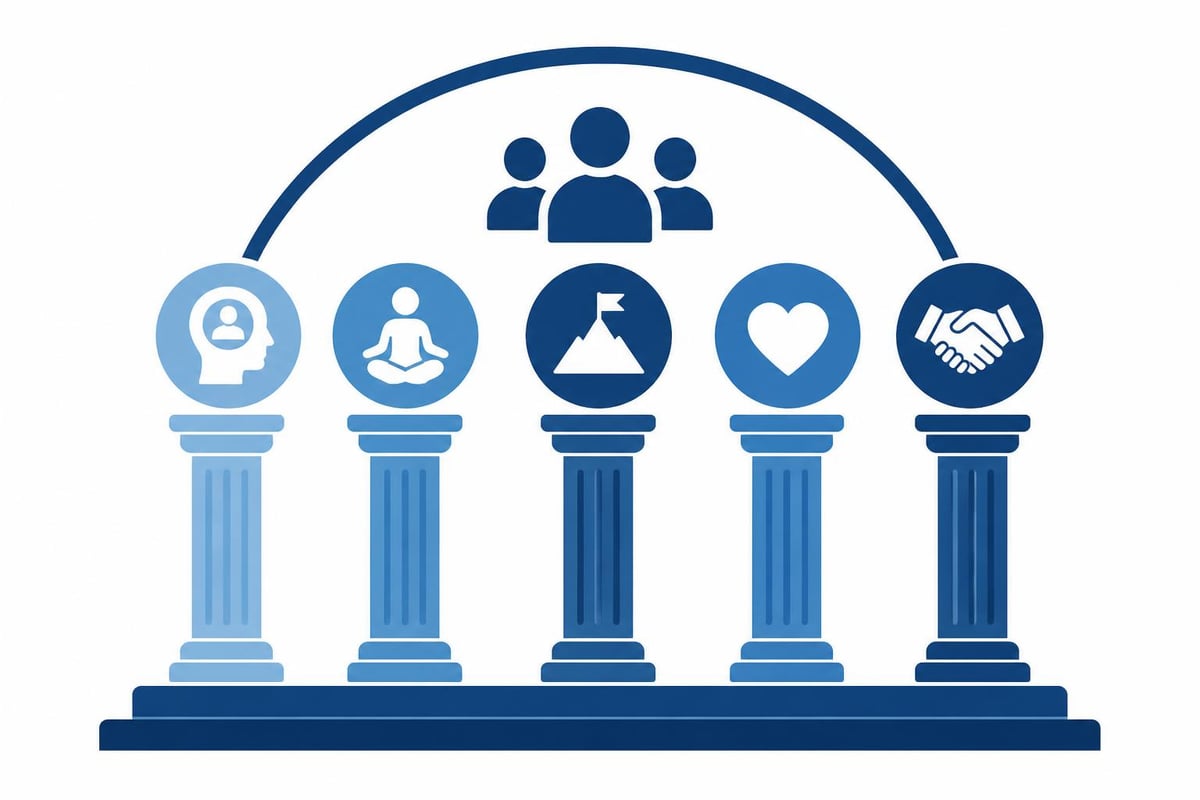
Core Components of Emotional Intelligence Training
Effective emotional intelligence training programmes address specific competency areas through structured, experiential learning methodologies. Each component builds upon the others, creating a comprehensive skill set that transforms how professionals engage with their work and colleagues.
Self-Awareness Development
Self-awareness forms the bedrock of emotional intelligence. Training in this area helps participants identify emotional triggers, recognize behavioral patterns, and understand how their actions affect others. Practical exercises include:
- Reflective journaling to track emotional responses throughout workdays
- 360-degree feedback analysis revealing blind spots in self-perception
- Personality assessment tools providing frameworks for understanding individual tendencies
- Video-recorded simulations allowing participants to observe their communication patterns
Participants learn to distinguish between different emotional states and understand the underlying causes. This awareness enables more intentional responses rather than reactive behaviors that may undermine professional relationships or decision quality.
Emotional Regulation Techniques
Once individuals develop awareness, emotional intelligence training focuses on regulation strategies. These techniques enable professionals to maintain composure during high-pressure situations, manage stress effectively, and respond thoughtfully rather than impulsively.
| Regulation Strategy | Application | Expected Outcome |
|---|---|---|
| Cognitive reframing | Challenging negative thought patterns | Improved perspective-taking |
| Breathing techniques | Managing physiological stress responses | Enhanced calm under pressure |
| Strategic pause practice | Creating space before responding | More measured reactions |
| Emotion labeling | Naming feelings to reduce intensity | Better emotional control |
Training sessions incorporate role-playing scenarios that simulate workplace challenges, allowing participants to practice these techniques in safe environments. The instructor-led training approach ensures immediate feedback and personalized coaching.
Social Awareness and Empathy Building
Understanding others' emotional states distinguishes competent professionals from exceptional leaders. Emotional intelligence training develops empathy through structured exercises that enhance perspective-taking abilities and social perception.
Participants learn to read nonverbal cues, interpret communication context, and recognize unspoken organizational dynamics. These skills prove particularly valuable in diverse workplaces where cultural differences shape emotional expression and interpretation. The Yale Center for Emotional Intelligence has pioneered research-based approaches that many corporate programmes adapt for professional contexts.
Implementing Emotional Intelligence Training in Organizations
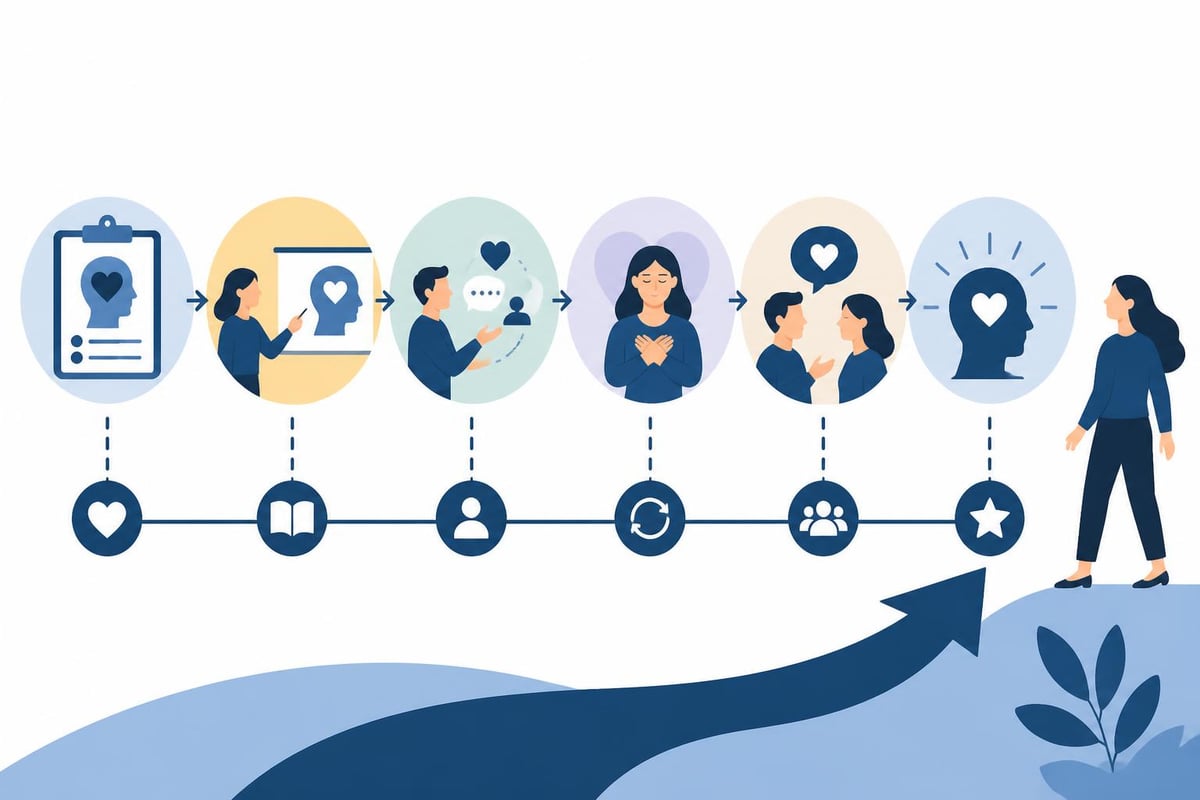
Successful implementation requires strategic planning, leadership commitment, and integration with existing development initiatives. Organizations that treat emotional intelligence training as an isolated event rarely achieve lasting results. Instead, effective programmes weave these competencies throughout the employee experience.
Assessment and Baseline Establishment
Before launching training initiatives, organizations benefit from establishing current emotional intelligence levels across teams. Validated assessment instruments provide objective baselines and identify specific development priorities.
Common assessment approaches include:
- Self-report inventories measuring perceived emotional competencies
- Multi-rater feedback systems capturing perspectives from colleagues, supervisors, and direct reports
- Behavioral observation protocols evaluating actual workplace interactions
- Situational judgment tests assessing responses to hypothetical scenarios
These assessments inform customized training design, ensuring programmes address actual organizational needs rather than generic content. The data also establishes measurable benchmarks for evaluating programme effectiveness post-training.
Training Delivery Methods and Formats
Emotional intelligence training effectiveness depends significantly on delivery methodology. While theoretical understanding matters, sustainable skill development requires experiential learning opportunities and ongoing practice.
Workshop-based sessions combining didactic instruction with interactive exercises form the foundation. These sessions typically span one to three days, providing intensive skill-building experiences. Follow-up reinforcement sessions scheduled at monthly intervals help embed learning and address implementation challenges.
Virtual delivery has expanded accessibility without sacrificing effectiveness. Company training programs now leverage video conferencing technology to deliver interactive sessions across dispersed teams, combining breakout room exercises, live polling, and virtual role-plays.
Blended approaches combining face-to-face intensive sessions with online micro-learning modules maximize retention and application. Participants access brief video lessons, complete reflection exercises, and engage in peer discussion forums between formal training sessions.
Integration with Leadership Development
Emotional intelligence training generates amplified impact when integrated with broader leadership development initiatives. Leaders demonstrating high emotional intelligence create ripple effects throughout organizations, modeling behaviors that shape team culture and performance expectations.
Leadership and management courses increasingly incorporate emotional intelligence as a core competency rather than supplementary content. Training addresses specific leadership applications including:
- Delivering constructive feedback that motivates rather than demoralizes
- Managing team conflict through empathetic mediation
- Building psychological safety where team members feel comfortable taking interpersonal risks
- Adapting communication styles to match individual team member preferences
The Harvard Division of Continuing Education emphasizes these connections between emotional intelligence and leadership effectiveness, highlighting how emotionally intelligent leaders drive superior business results.
Measuring Training Impact and Sustainability
Organizations investing in emotional intelligence training rightfully expect measurable returns. Effective evaluation frameworks capture both immediate skill development and longer-term behavioral changes that translate into business outcomes.
Short-Term Evaluation Metrics
Immediate post-training assessments measure knowledge acquisition and initial skill development. Reaction surveys capture participant engagement and perceived relevance, while skill demonstrations during training sessions reveal competency development.
| Evaluation Method | Timeline | Measurement Focus |
|---|---|---|
| Pre/post assessments | Day 1 vs Final day | Knowledge and awareness gains |
| Skills demonstrations | During training | Applied competency development |
| Participant surveys | End of programme | Engagement and perceived value |
| Trainer observations | Throughout sessions | Behavioral indicators |
These metrics provide early indicators of training effectiveness and identify participants requiring additional support or coaching.
Long-Term Behavioral and Business Metrics
Sustainable impact manifests in changed workplace behaviors and improved business outcomes. Organizations track various indicators including:
- Employee engagement scores measured through regular surveys
- Turnover rates particularly among high-potential employees
- Team performance metrics reflecting collaboration quality
- Customer satisfaction ratings influenced by emotionally intelligent service
- Conflict resolution timeframes indicating improved interpersonal effectiveness
Longitudinal tracking reveals whether initial training gains persist or dissipate over time. Organizations discovering skill erosion implement refresher sessions and ongoing reinforcement mechanisms.
The Workplace Mental Health Institute offers complementary programmes focusing on mental health and resilience that naturally align with emotional intelligence development, creating comprehensive wellbeing strategies.
Reinforcement Strategies for Lasting Change
Initial training provides foundational knowledge and skill introduction, but lasting behavioral change requires sustained reinforcement. Organizations achieving the greatest returns implement multi-layered support systems extending months beyond formal training completion.
Coaching and Mentoring Programmes
Pairing participants with emotionally intelligent mentors or professional coaches accelerates skill integration. One-on-one coaching sessions provide personalized guidance addressing individual challenges and specific workplace situations.
Structured mentoring relationships create accountability while offering safe environments for practicing new approaches. Mentors share their own emotional intelligence journeys, normalizing the ongoing development process and demonstrating that even senior leaders continually refine these competencies.

Creating Emotionally Intelligent Organizational Cultures
Individual development reaches limitations when organizational systems and cultures undermine emotionally intelligent behaviors. Comprehensive approaches address cultural elements including:
- Recognition systems rewarding collaborative behaviors and empathetic leadership
- Meeting protocols incorporating emotional check-ins and psychological safety practices
- Communication norms encouraging authentic expression and active listening
- Decision-making processes valuing diverse perspectives and emotional data
Organizations embedding emotional intelligence into performance management systems and promotion criteria signal genuine commitment beyond superficial training initiatives. When communication courses integrate emotional intelligence principles, entire organizations develop shared language and frameworks for interpersonal effectiveness.
Customizing Training for Different Organizational Contexts
Effective emotional intelligence training acknowledges that different roles, industries, and organizational cultures require tailored approaches. Generic programmes miss opportunities to address specific challenges participants face in their daily work.
Industry-Specific Applications
Healthcare professionals, financial services teams, and manufacturing organizations face distinct emotional intelligence challenges. Training programmes gain relevance by incorporating industry-specific scenarios and vocabulary.
Customer-facing roles benefit from emotional intelligence training emphasizing empathy and regulation during difficult interactions. Customer service courses naturally incorporate emotional intelligence principles, teaching representatives to manage their emotional responses while demonstrating understanding toward frustrated customers.
Technical teams historically focused exclusively on hard skills increasingly recognize that project success depends heavily on collaboration, communication, and conflict navigation. Emotional intelligence training helps engineers, IT professionals, and analysts develop competencies complementing their technical expertise.
Role-Based Customization
Frontline employees, middle managers, and senior executives require different emphases within emotional intelligence training. Frontline staff focus primarily on self-regulation and customer empathy. Middle managers develop skills for team motivation, conflict mediation, and upward influence. Senior leaders concentrate on organizational culture shaping, strategic empathy, and emotionally intelligent change leadership.
This differentiation ensures training time addresses the specific emotional challenges participants encounter rather than covering competencies with limited practical application. The Six Seconds network offers research-backed frameworks that training providers adapt for various organizational levels.
Addressing Common Implementation Challenges
Organizations launching emotional intelligence training frequently encounter predictable obstacles. Anticipating these challenges and implementing proactive strategies increases implementation success and participant buy-in.
Overcoming Skepticism and Resistance
Some employees, particularly those in analytically-oriented roles, initially dismiss emotional intelligence as "soft" or unmeasurable. Addressing this skepticism requires presenting compelling research linking emotional intelligence to concrete business outcomes.
Data-driven presentations showing correlations between emotional intelligence and performance metrics help convince analytical thinkers. Case studies demonstrating measurable improvements in similar organizations provide social proof. Creating pilot programmes with willing teams and sharing their success stories builds broader organizational momentum.
Time and Resource Constraints
Training competes with operational demands for employee time and organizational resources. Positioning emotional intelligence training as performance enhancement rather than additional workload helps shift perspectives.
Modular delivery formats allow organizations to spread training across multiple shorter sessions rather than lengthy programmes requiring extended time away from work. Harvard Health’s guidance on emotional intelligence development emphasizes that even brief, consistent practice generates meaningful improvements.
Ensuring Inclusive and Culturally Sensitive Approaches
Emotional expression and regulation vary significantly across cultures. Training programmes must acknowledge these differences while establishing shared organizational standards for professional interaction.
Facilitators require cultural competence to navigate discussions about emotions in diverse groups. Creating space for participants to share how cultural backgrounds shape their emotional experiences enriches learning while building mutual understanding. Materials and examples should reflect various cultural contexts rather than defaulting to single cultural perspectives.
Building Internal Capacity for Ongoing Development
Rather than relying exclusively on external training providers, forward-thinking organizations develop internal capabilities for sustaining emotional intelligence development. This approach ensures consistency, reduces long-term costs, and creates organizational expertise.
Training Internal Facilitators
Selecting and developing internal emotional intelligence champions creates sustainable infrastructure. Train-the-trainer programmes equip these individuals with facilitation skills, content expertise, and tools for delivering emotionally intelligence training to colleagues.
Internal facilitators understand organizational context, speak the cultural language, and remain available for ongoing support beyond formal training events. They also model emotional intelligence principles, demonstrating that these competencies matter sufficiently for the organization to invest in building internal expertise.
Creating Resource Libraries and Tools
Comprehensive resource collections support continuous learning and just-in-time assistance. Digital libraries might include:
- Video demonstrations of emotional intelligence techniques
- Downloadable templates for reflection exercises
- Curated article collections from reputable sources
- Audio guides for stress management and regulation practices
- Discussion guides for team conversations about emotional dynamics
Making these resources easily accessible through internal platforms encourages employees to engage with emotional intelligence development as ongoing practice rather than one-time training completion.
Future Trends in Emotional Intelligence Training
The field continues evolving as research expands and technology creates new delivery possibilities. Organizations planning long-term development strategies benefit from understanding emerging trends shaping emotional intelligence training.
Technology-Enhanced Learning
Artificial intelligence and virtual reality technologies offer innovative practice environments. VR simulations create realistic scenarios allowing participants to practice difficult conversations, receive immediate feedback, and retry approaches without real-world consequences.
Mobile applications provide daily micro-learning opportunities, prompting users to reflect on emotional experiences, practice regulation techniques, and track skill development over time. These tools complement formal training while extending learning into daily work contexts.
Neuroscience Integration
Advancing neuroscience research reveals the biological mechanisms underlying emotional intelligence, validating training approaches and suggesting new intervention strategies. Understanding how emotions influence decision-making at neurological levels helps participants appreciate why emotional intelligence matters beyond interpersonal harmony.
Training programmes increasingly incorporate neuroscience findings, explaining concepts like amygdala hijacking and the prefrontal cortex's role in emotional regulation. This scientific grounding particularly resonates with analytically-minded participants seeking evidence-based approaches.
Wellbeing Integration
Organizations recognize that emotional intelligence and mental health exist on a continuum rather than separate domains. Comprehensive approaches address both emotional competency development and psychological wellbeing support.
Programmes combining emotional intelligence training with stress management, resilience building, and mental health awareness create holistic employee development systems. This integration acknowledges that employees struggling with mental health challenges may find emotional regulation particularly difficult, requiring compassionate support alongside skills training.
Developing emotional intelligence across organizations represents a strategic investment yielding measurable returns in performance, engagement, and culture. By implementing structured training programmes, reinforcing skills through ongoing support, and integrating emotional intelligence into organizational systems, Canadian companies position themselves for sustained success in increasingly complex business environments. My Training Network delivers customized emotional intelligence training designed for your organization's unique context, with expert instructors facilitating transformative learning experiences that drive lasting behavioral change and business results.

