

Organizations investing in employee development understand that training effectiveness depends on more than simply delivering information. The strategic application of instructional design and training methodologies transforms standard presentations into powerful learning experiences that drive measurable performance improvements. By applying systematic frameworks and evidence-based practices, training professionals create programs that resonate with learners, address specific performance gaps, and deliver tangible business results. This comprehensive approach ensures that training investments translate into lasting behavioral change and organizational growth.
Understanding the Foundations of Instructional Design
Instructional design represents a systematic approach to creating educational and training materials that maximize learning effectiveness. This discipline combines cognitive science, learning theory, and practical application to develop programs that facilitate knowledge acquisition and skill development.
At its core, instructional design and training methodology focuses on identifying learning needs, establishing clear objectives, and creating structured pathways that guide learners from their current state to desired competency levels. The process involves careful analysis of the target audience, assessment of performance gaps, and strategic selection of delivery methods that align with organizational goals.
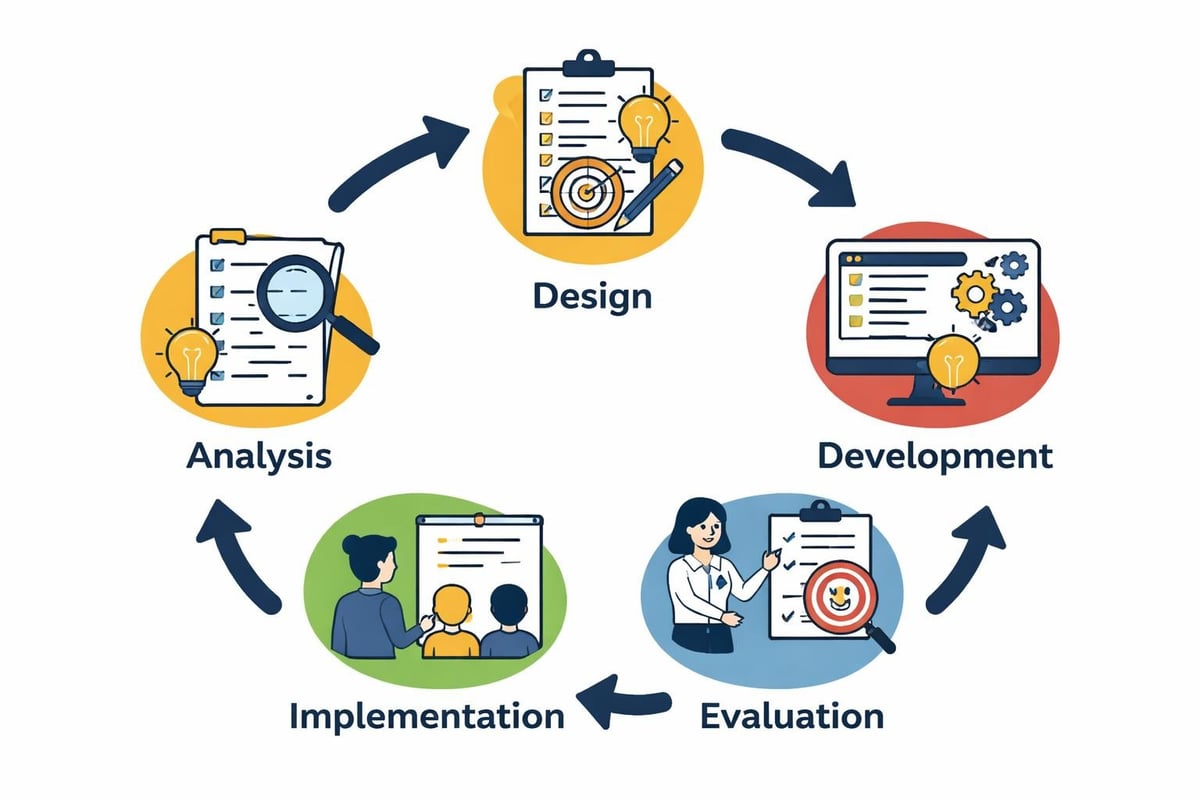
The ADDIE model serves as one of the most widely recognized frameworks in this field. This five-phase approach-Analyze, Design, Develop, Implement, and Evaluate-provides a structured methodology that ensures comprehensive program development. Each phase builds upon the previous one, creating a logical progression from initial needs assessment through final program evaluation.
Key Principles Driving Effective Learning Design
Several foundational principles guide the creation of impactful training programs:
- Learner-centered approach: Programs must address the specific needs, preferences, and existing knowledge of the target audience
- Clear learning objectives: Well-defined, measurable outcomes provide direction for content development and assessment strategies
- Active engagement: Opportunities for practice, application, and interaction enhance retention and skill transfer
- Meaningful feedback: Timely, constructive input helps learners adjust their understanding and improve performance
- Real-world relevance: Content that connects to actual job responsibilities increases motivation and application likelihood
These principles inform every decision throughout the design process, from content selection to assessment methodology. When properly integrated, they create cohesive learning experiences that respect adult learning preferences while driving toward specific performance outcomes.
The Corporate Training Design Process
Developing effective corporate training requires a methodical approach that balances organizational needs with learning science. The instructional design and training process begins long before trainers enter the classroom or participants log into virtual sessions.
Conducting Thorough Needs Analysis
The foundation of any successful training program lies in comprehensive needs assessment. This critical phase identifies performance gaps, determines root causes, and establishes whether training represents the appropriate intervention.
Needs analysis examines three primary levels:
- Organizational analysis: Evaluating business goals, strategic priorities, and performance metrics that training should support
- Task analysis: Breaking down job responsibilities to identify required knowledge, skills, and attitudes
- Learner analysis: Understanding the audience's current competency levels, learning preferences, and workplace context
This investigative work prevents the common pitfall of implementing training when the actual problem stems from inadequate resources, unclear expectations, or system limitations. Proper analysis ensures that instructional design and training efforts address genuine learning needs rather than symptoms of unrelated organizational issues.
Designing Learning Architectures
Once needs are clearly defined, designers create the blueprint for the learning experience. This phase establishes the program's structure, content organization, and delivery approach.
| Design Element | Purpose | Key Considerations |
|---|---|---|
| Learning Objectives | Define measurable outcomes | Alignment with performance needs, observable behaviors |
| Content Sequencing | Organize information flow | Prerequisite knowledge, complexity progression, logical grouping |
| Instructional Strategies | Determine teaching methods | Audience preferences, content type, resource availability |
| Assessment Approach | Measure learning achievement | Objective alignment, validity, practical application |
| Delivery Modality | Select training format | Accessibility, engagement level, cost effectiveness |
The design phase also considers how different elements work together to create a cohesive learning journey. For instance, leadership training programs might combine instructor-led sessions for concept introduction with peer practice activities and individual reflection exercises.
Experts like Ruth Colvin Clark have extensively researched evidence-based practices in instructional design, emphasizing the importance of aligning design decisions with cognitive science rather than relying on intuition or tradition alone.
Developing Engaging Training Content
Content development transforms design blueprints into tangible learning materials. This phase of instructional design and training brings together subject matter expertise, pedagogical knowledge, and creative communication to produce resources that facilitate learning.
Creating Meaningful Learning Activities
Effective training extends far beyond information presentation. The most powerful learning occurs when participants actively engage with content through varied activities that promote different types of thinking and practice.
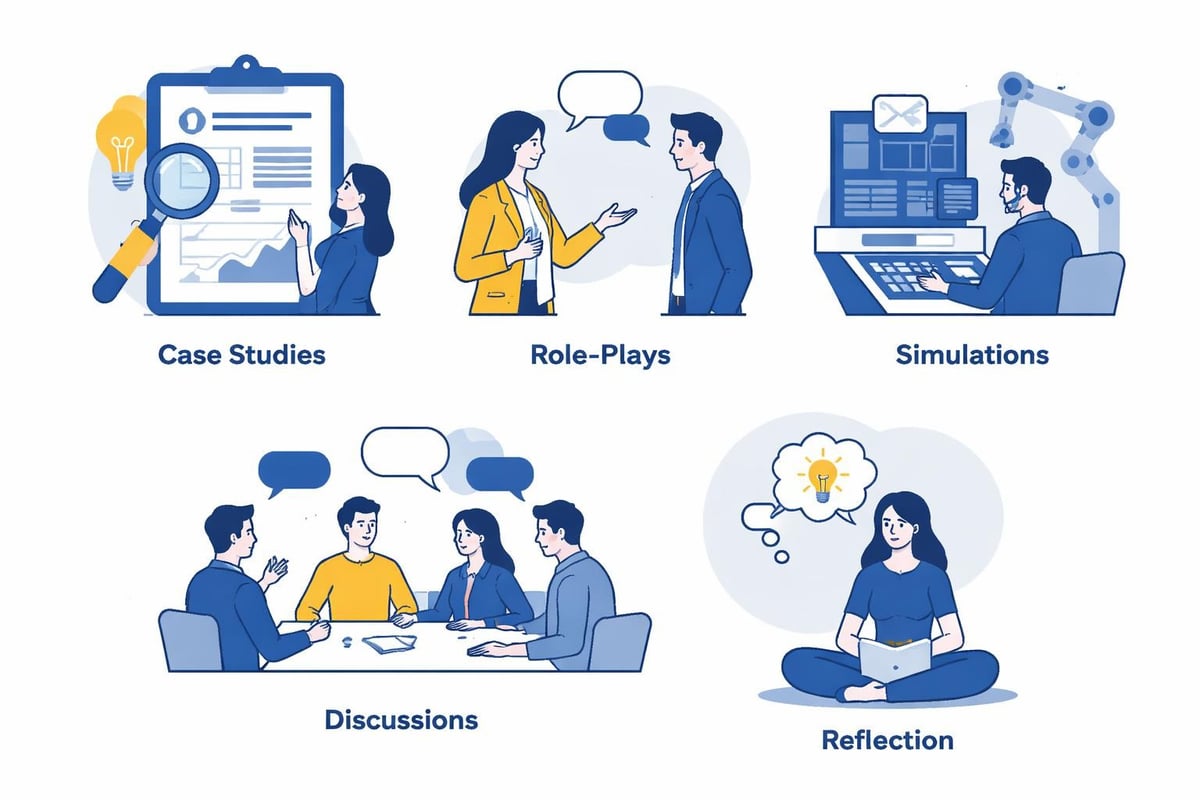
Consider how different activity types serve distinct learning purposes:
- Case studies: Develop analytical thinking and decision-making skills by presenting realistic scenarios
- Role-playing exercises: Build interpersonal competencies through simulated workplace interactions
- Hands-on simulations: Provide safe practice environments for technical or procedural skills
- Group discussions: Encourage knowledge sharing and perspective-taking among participants
- Individual reflection: Promote metacognition and personal application planning
Programs addressing topics like conflict resolution or difficult conversations particularly benefit from experiential activities that allow participants to practice new approaches before applying them in high-stakes workplace situations.
The significance of instructional design in corporate learning becomes evident when comparing passive information delivery with well-designed active learning experiences. The latter consistently produces superior retention, transfer, and performance outcomes.
Incorporating Multimedia and Technology
Modern instructional design and training leverages diverse media formats to enhance engagement and accommodate different learning preferences. Strategic use of visuals, audio, video, and interactive elements can clarify complex concepts and maintain participant attention.
However, technology and multimedia should serve learning objectives rather than functioning as decorative additions. Each element must contribute meaningfully to understanding or skill development. The principle of cognitive load management suggests that excessive or poorly integrated media can actually hinder learning by overwhelming working memory.
When developing content for programs like Microsoft Office training, screen recordings with clear narration and highlighted actions prove more effective than lengthy text descriptions. Similarly, presentation skills training benefits from video demonstrations showing both effective and ineffective techniques.
Implementation Strategies for Maximum Impact
Even brilliantly designed training fails to deliver results if implementation overlooks critical success factors. The delivery phase of instructional design and training requires attention to logistics, facilitation quality, and participant engagement.
Preparing the Learning Environment
Whether training occurs in physical classrooms or virtual spaces, environmental factors significantly influence learning outcomes. Successful implementation addresses both technical and psychological dimensions of the learning space.
Physical environment considerations include:
- Room layout supporting the chosen instructional methods
- Technology functionality and backup plans for technical failures
- Comfortable temperature, lighting, and seating arrangements
- Minimal distractions and interruptions
- Access to necessary materials and resources
Virtual environments require additional attention to platform capabilities, participant technology access, and strategies for maintaining engagement without face-to-face interaction. Programs like active listening or team building present unique challenges in virtual formats that instructional designers must thoughtfully address.
Facilitator Development and Support
The expertise and effectiveness of trainers directly impacts program success. Organizations investing in instructional design and training must equally invest in developing facilitator capabilities.
Effective facilitators demonstrate mastery of:
- Content knowledge: Deep understanding of subject matter and its application
- Instructional techniques: Ability to employ varied teaching methods appropriate to content and audience
- Group management: Skills in fostering psychological safety, managing diverse personalities, and maintaining productive discussions
- Adaptability: Capacity to adjust pacing, activities, or emphasis based on real-time participant needs
- Assessment competency: Ability to gauge understanding and provide meaningful feedback
Training providers like My Training Network maintain rigorous standards for their instructor network, ensuring that facilitators possess both subject expertise and pedagogical competence across their diverse course offerings.
Measuring Training Effectiveness
Evaluation represents the final phase of traditional instructional design and training models, yet it should inform decisions throughout the entire process. Comprehensive measurement strategies assess whether programs achieve intended outcomes and identify opportunities for improvement.
Applying Multi-Level Evaluation Frameworks
The Kirkpatrick Model provides a widely adopted structure for training evaluation, examining four distinct levels of outcomes:
| Level | Focus | Measurement Methods | Example Metrics |
|---|---|---|---|
| 1: Reaction | Participant satisfaction and engagement | Surveys, feedback forms | Session ratings, perceived relevance |
| 2: Learning | Knowledge and skill acquisition | Tests, demonstrations, assessments | Pre/post-test scores, skill demonstrations |
| 3: Behavior | On-the-job application | Observations, interviews, 360 feedback | Behavior change frequency, skill utilization |
| 4: Results | Business impact | Performance data, metrics analysis | Productivity gains, quality improvements, cost reductions |
Comprehensive evaluation examines all four levels, recognizing that positive reactions don't guarantee learning, learning doesn't ensure application, and application doesn't automatically produce business results. Each level provides valuable insights into different aspects of program effectiveness.
For specialized topics like change management or employee development, Level 3 and Level 4 metrics prove particularly critical, as the ultimate goal involves sustained behavioral shifts and organizational performance improvements.

Continuous Improvement Through Data Analysis
Effective evaluation extends beyond measuring outcomes to analyzing patterns and identifying improvement opportunities. Instructional design and training professionals systematically review evaluation data to refine programs and enhance future offerings.
Key questions driving continuous improvement include:
- Which program elements generated the strongest engagement and learning?
- Where did participants struggle to grasp concepts or develop skills?
- What environmental or logistical factors facilitated or hindered learning?
- How effectively did the program prepare participants for real-world application?
- What unexpected outcomes emerged during implementation?
This analytical approach transforms evaluation from a compliance activity into a strategic tool for program enhancement. Organizations maintaining extensive training catalogs benefit from systematic review processes that ensure quality across all offerings.
Emerging Trends Shaping Modern Training Design
The field of instructional design and training continues evolving as new technologies, research insights, and workplace realities reshape how organizations approach learning and development.
Artificial Intelligence in Learning Design
Artificial intelligence increasingly supports various aspects of training development and delivery. Recent frameworks like ARCHED emphasize human-centered approaches to AI-assisted instructional design, focusing on transparency, responsibility, and collaboration rather than complete automation.
AI applications in corporate training include:
- Content personalization: Adapting learning pathways based on individual progress and preferences
- Automated assessment: Providing immediate feedback on practice activities and knowledge checks
- Performance support: Offering just-in-time information and guidance within workflow
- Learning analytics: Identifying patterns and trends across large training populations
- Content generation: Assisting with draft creation for scenarios, questions, and practice activities
However, successful integration requires thoughtful implementation that enhances rather than replaces human judgment and expertise. Topics requiring nuanced understanding and interpersonal skill development, such as emotional intelligence or diversity, equity, and inclusion, particularly benefit from human facilitators who can navigate complex discussions and provide contextual guidance.
Microlearning and Performance Support
Modern workplace demands often conflict with traditional multi-day training programs. Microlearning addresses this challenge by delivering focused content in brief, targeted segments that participants can consume during workflow.
This approach aligns with research on attention spans, memory consolidation, and transfer of learning. Short, specific modules addressing discrete skills or concepts often produce better long-term retention than lengthy comprehensive programs.
Microlearning formats include:
- Brief video demonstrations (3-5 minutes)
- Interactive infographics highlighting key concepts
- Quick reference guides for procedural tasks
- Mobile-accessible tips and reminders
- Short practice scenarios with immediate feedback
Performance support tools extend this concept further, providing resources exactly when and where employees need them. For instance, business writing support might include templates, checklist, and style guides accessible during document creation rather than requiring separate training sessions.
Social and Collaborative Learning
Recognition of social learning's importance has shifted instructional design and training toward more collaborative, peer-driven approaches. Rather than viewing learning as purely individual knowledge acquisition, contemporary models embrace the value of shared experience, collective problem-solving, and community knowledge.
Strategies incorporating social learning include:
- Peer coaching programs: Pairing participants to support mutual skill development
- Community of practice forums: Creating ongoing spaces for knowledge sharing and discussion
- Collaborative problem-solving: Structuring activities requiring team-based solutions
- Expert panels and Q&A sessions: Connecting learners with experienced practitioners
- Action learning projects: Applying new skills to real organizational challenges in team settings
Programs addressing management skills or project management particularly benefit from social learning approaches, as these competencies develop through practice, reflection, and exposure to diverse perspectives and experiences.
Addressing Common Implementation Challenges
Despite careful planning and design, training initiatives frequently encounter obstacles that threaten effectiveness. Understanding common challenges allows instructional design and training professionals to develop proactive mitigation strategies.
Overcoming Resistance and Skepticism
Participant resistance represents one of the most significant barriers to training success. This resistance may stem from previous negative training experiences, skepticism about program relevance, or resentment of time away from regular responsibilities.
Strategies to address resistance include:
- Demonstrating clear relevance: Explicitly connecting content to participants' actual job challenges and responsibilities
- Involving stakeholders early: Engaging managers and participants in needs assessment and design processes
- Setting realistic expectations: Clearly communicating program objectives, time requirements, and expected outcomes
- Providing choice when possible: Offering optional sessions or allowing participants to select from multiple program options
- Delivering quick wins: Structuring programs to provide immediately applicable skills or insights early in the experience
Programs focused on sensitive topics like mental health or providing feedback require particular attention to creating psychologically safe environments where participants feel comfortable engaging with potentially challenging content.
Ensuring Transfer to the Workplace
The ultimate measure of training effectiveness lies not in classroom performance but in sustained workplace application. However, numerous factors beyond instructional design influence whether participants apply new knowledge and skills on the job.
Supporting transfer requires addressing multiple dimensions:
| Transfer Factor | Design Strategy | Implementation Approach |
|---|---|---|
| Manager support | Include manager briefings | Provide coaching guides for supervisors |
| Practice opportunities | Design realistic simulations | Arrange on-the-job application projects |
| Environmental cues | Create job aids and reminders | Establish peer accountability systems |
| Reinforcement | Schedule follow-up sessions | Implement ongoing performance feedback |
| Organizational alignment | Link to performance systems | Integrate with competency frameworks |
Programs like time management or attention management face particular transfer challenges, as workplace demands often conflict with newly learned practices. Effective instructional design and training anticipates these obstacles and builds support structures to help participants navigate competing priorities.
Resources from institutions like George Mason University’s instructional design guide offer comprehensive frameworks and case studies demonstrating how systematic design approaches address common implementation challenges across diverse contexts.
Strategic instructional design and training transforms corporate learning from mandatory compliance exercises into powerful drivers of performance improvement and organizational capability. When training providers apply systematic frameworks, evidence-based practices, and learner-centered approaches, they create experiences that engage participants and produce measurable business results. My Training Network combines expert instructional design with experienced facilitators to deliver customized training solutions that address your organization's unique development needs, whether you require soft skills training, leadership development, or technical workshops across Canada and beyond.

