

Effective communication stands as the cornerstone of successful organizations, yet many teams struggle with misunderstandings, conflicts, and disconnection that undermine productivity. Whether you're managing remote employees across Canada or leading in-person teams in Ontario, the ability to communicate clearly, listen actively, and build genuine rapport determines your organization's capacity to achieve its goals. Interpersonal communication training equips professionals with the essential skills to navigate complex workplace relationships, resolve conflicts constructively, and foster collaboration that drives measurable results.
The Foundation of Workplace Success
Interpersonal communication encompasses far more than simply exchanging information between colleagues. It involves understanding non-verbal cues, managing emotions during difficult conversations, and adapting your communication style to different personalities and situations.
Organizations that invest in instructor-led training for communication skills consistently report improvements in employee engagement, reduced conflict, and stronger team cohesion. The evidence supporting these outcomes continues to grow, with research demonstrating that effective interpersonal skills directly correlate with leadership effectiveness, customer satisfaction, and overall organizational performance.
Why Traditional Communication Approaches Fall Short
Many professionals assume they communicate effectively because they send clear emails or deliver presentations confidently. However, interpersonal communication involves layers of complexity that extend beyond basic message transmission.
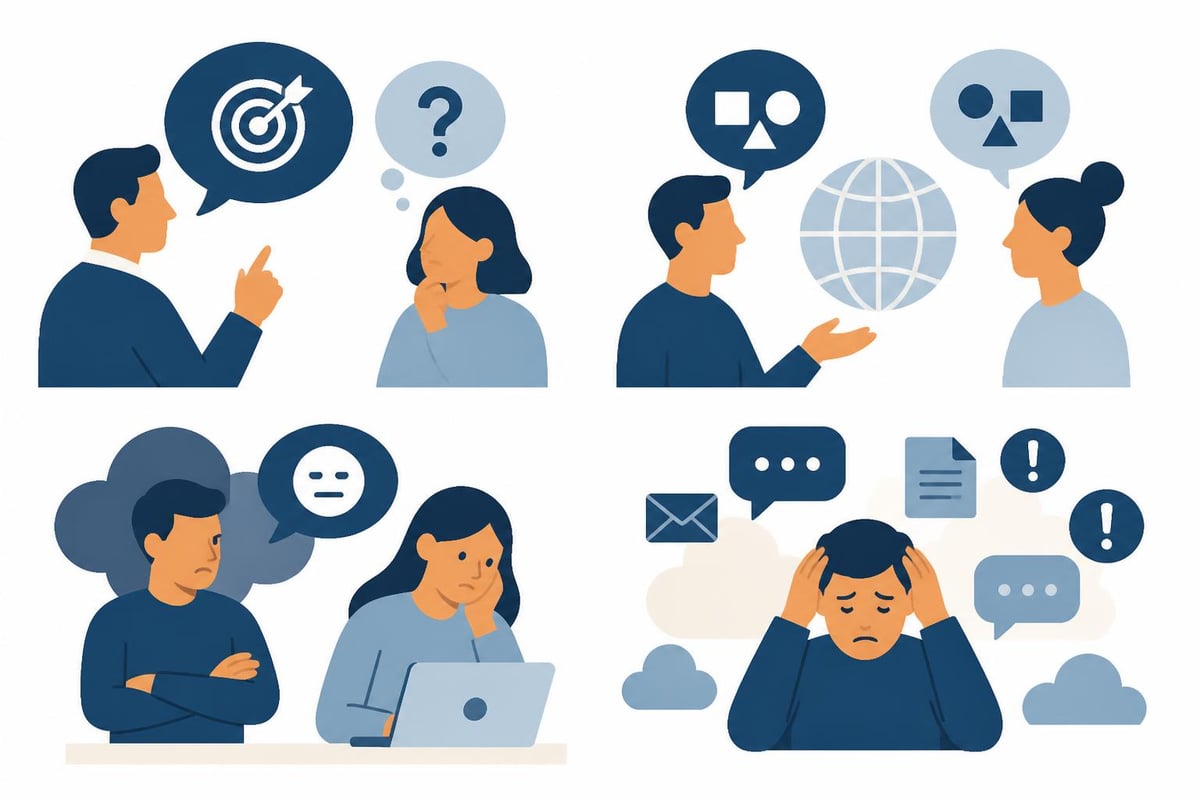
Consider these common workplace scenarios:
- Misread intentions: A manager provides constructive feedback that an employee interprets as harsh criticism
- Cultural misunderstandings: Team members from different backgrounds interpret directness or formality differently
- Passive-aggressive behaviour: Colleagues avoid direct confrontation but express frustration through subtle actions
- Email overload: Important messages get lost in crowded inboxes, creating unnecessary delays
These situations require nuanced interpersonal skills that many professionals never formally develop. Without proper training, organizations leave communication effectiveness to chance.
Core Components of Effective Training Programs
Comprehensive interpersonal communication training addresses multiple skill areas that work together to enhance professional relationships. Each component builds upon the others, creating a holistic framework for workplace interaction.
Active Listening and Attention Management
Active listening represents perhaps the most critical yet undervalued communication skill. It requires complete focus on the speaker, processing both verbal and non-verbal messages, and responding thoughtfully rather than reactively.
Quality training programs teach participants to:
- Minimize internal and external distractions during conversations
- Ask clarifying questions that demonstrate genuine interest and understanding
- Paraphrase and summarize key points to confirm comprehension
- Notice non-verbal signals including body language, tone, and facial expressions
- Resist the urge to interrupt or formulate responses whilst others are speaking
Research on interpersonal communication principles demonstrates that structured approaches to listening significantly improve outcomes in high-stakes environments, from law enforcement to corporate leadership.
Emotional Intelligence and Empathy
Understanding and managing emotions-both your own and others'-separates competent communicators from exceptional ones. Emotional intelligence training helps professionals recognize emotional undercurrents in conversations and respond appropriately.
| Emotional Intelligence Skill | Workplace Application | Training Focus |
|---|---|---|
| Self-awareness | Recognizing your triggers and biases | Reflection exercises, personality assessments |
| Self-regulation | Managing stress during difficult conversations | Breathing techniques, pause strategies |
| Empathy | Understanding colleagues' perspectives | Role-playing, perspective-taking activities |
| Social skills | Building rapport and trust | Practice scenarios, feedback sessions |
Organizations that combine communication courses with emotional intelligence development create powerful synergies that transform workplace culture.
Adapting Communication Styles
Different situations and personalities require different communication approaches. Effective interpersonal communication training teaches flexibility and adaptation rather than one-size-fits-all scripts.
Understanding Personality Frameworks
Personality assessments provide valuable frameworks for understanding communication preferences. These tools help team members recognize that their natural communication style may not resonate with everyone.
Professional development programs often incorporate assessments that reveal:
- Direct versus indirect communication preferences: Some individuals value straightforward feedback whilst others prefer gentler approaches
- Task-oriented versus relationship-oriented styles: Certain team members prioritize efficiency whilst others emphasize connection
- Detail-focused versus big-picture thinking: Communication effectiveness depends on matching the level of detail to the audience
Training sessions that include these frameworks enable participants to adjust their approach based on who they're addressing. This flexibility reduces frustration and enhances mutual understanding across diverse teams.
Cultural Competence in Communication
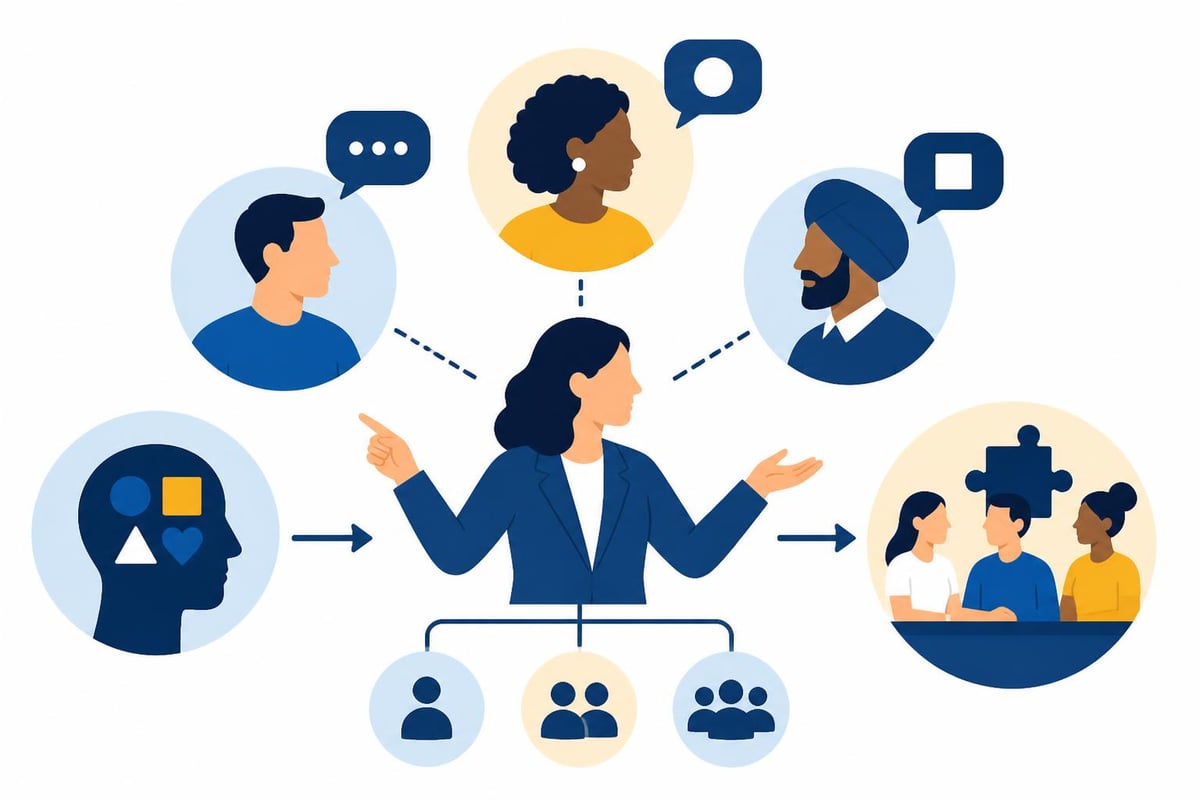
Canadian organizations increasingly operate in multicultural environments where communication norms vary significantly. Interpersonal communication training must address cultural dimensions that influence workplace interaction.
Culturally competent communicators understand concepts such as:
- High-context versus low-context communication patterns
- Varying comfort levels with hierarchy and formality
- Different approaches to time, deadlines, and punctuality
- Diverse perspectives on conflict and disagreement
Carnegie Mellon University’s training resources offer comprehensive frameworks for developing cross-cultural communication competencies that enhance team effectiveness.
Conflict Resolution and Difficult Conversations
Avoiding difficult conversations creates persistent problems that erode team morale and productivity. Interpersonal communication training equips professionals with strategies to address conflicts constructively.
The Anatomy of Productive Conflict
Not all conflict damages relationships. When handled skillfully, disagreements can surface important issues, generate creative solutions, and strengthen trust between colleagues.
Effective training teaches participants to:
- Separate the person from the problem by focusing on behaviours and situations rather than character
- Use "I" statements to express concerns without triggering defensiveness
- Seek to understand before seeking to be understood by asking questions first
- Identify shared interests that provide common ground for resolution
- Generate multiple options before committing to a single solution
These techniques transform potentially destructive arguments into productive problem-solving sessions.
Managing High-Stakes Conversations
Certain conversations carry significant consequences-performance reviews, salary negotiations, project failures, or organizational changes. These high-stakes moments require exceptional interpersonal skills.
Training for critical conversations typically includes:
- Pre-conversation planning: Clarifying objectives, anticipating reactions, and preparing responses
- Opening strategies: Establishing psychological safety and setting appropriate tone
- Managing strong emotions: Techniques for staying calm when discussions become heated
- Finding closure: Ensuring clear understanding and agreement on next steps
Organizations that provide professional development assistance in these areas report fewer escalated conflicts and more successful outcomes during challenging discussions.
Digital Communication Competencies
The shift toward remote and hybrid work has amplified the importance of digital communication skills. Text-based communication lacks the non-verbal cues that facilitate understanding in face-to-face interaction.
Email and Messaging Best Practices
Written communication demands particular attention to tone, clarity, and structure. Without facial expressions or vocal inflection, messages easily create confusion or offense.
Professional communicators develop skills including:
- Crafting clear subject lines that communicate purpose and priority
- Structuring messages logically with appropriate formatting and white space
- Choosing the right medium (email versus instant message versus video call) for each situation
- Proofreading carefully to eliminate ambiguity and errors
Organizations seeking to strengthen written communication often combine interpersonal communication training with professional writing skills training for comprehensive development.
Video Conference Effectiveness
Virtual meetings present unique challenges that require specific techniques. Effective video communicators master skills such as:
| Challenge | Solution | Best Practice |
|---|---|---|
| Reduced engagement | Interactive techniques | Polls, breakout rooms, direct questions |
| Technical difficulties | Preparation and backup plans | Test equipment, have phone numbers ready |
| Meeting fatigue | Shorter, focused sessions | 25 or 50-minute meetings with breaks |
| Multitasking | Clear expectations | Camera-on policies, active participation |
Presentation skills naturally complement interpersonal communication abilities, and partnering with specialists like Prznt Perfect can help teams develop compelling visual communications that enhance virtual engagement.
Measurement and Continuous Improvement
Interpersonal communication training delivers maximum value when organizations measure progress and reinforce learning over time. One-time workshops rarely create lasting change without ongoing practice and accountability.
Assessment Strategies
Effective measurement combines subjective and objective indicators of communication improvement:
- 360-degree feedback: Gathering perspectives from managers, peers, and direct reports
- Behavioral observations: Tracking specific communication behaviors in real workplace situations
- Team satisfaction surveys: Measuring perception of communication effectiveness across groups
- Performance metrics: Connecting communication improvements to business outcomes
Training providers should work with organizations to establish baseline measurements before programs begin and track progress at regular intervals afterwards.
Reinforcement Techniques
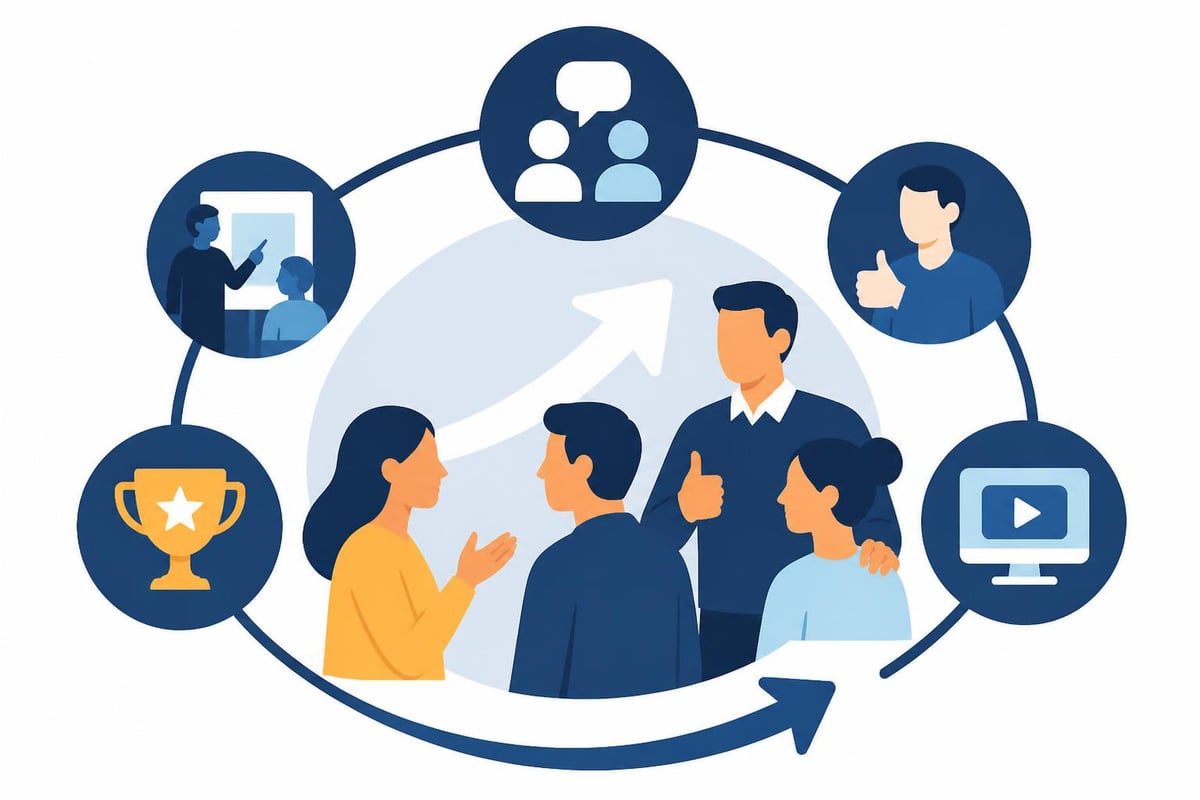
Learning retention requires consistent application and practice. Organizations maximize training investment through:
- Follow-up coaching sessions that address specific challenges participants face
- Peer practice groups where colleagues apply techniques in safe environments
- Manager support including observation and constructive feedback
- Microlearning refreshers that revisit key concepts in brief formats
- Recognition systems that reward improved communication behaviors
Studies exploring interactive training systems demonstrate that just-in-time feedback and simulated practice scenarios significantly enhance skill development and retention.
Industry-Specific Applications
Whilst core communication principles remain constant, different sectors face unique interpersonal challenges that require tailored training approaches.
Customer-Facing Roles
Employees who interact directly with clients need specialized communication skills that balance empathy with problem-solving. Training for customer service teams addresses:
- De-escalation techniques for managing frustrated or angry customers
- Solution-focused language that moves conversations toward resolution
- Boundary-setting to maintain professional relationships whilst providing excellent service
- Recovery strategies when mistakes occur or expectations aren't met
Organizations with frontline teams benefit from specialized customer support courses that integrate interpersonal communication principles with service excellence frameworks.
Leadership and Management
Managers require advanced interpersonal skills to inspire teams, provide feedback, and navigate organizational politics. Leadership-focused communication training emphasizes:
- Delegation conversations that empower employees whilst maintaining accountability
- Performance discussions that motivate improvement without damaging relationships
- Change communication that builds buy-in during transitions
- Influence strategies for situations without formal authority
Comprehensive leadership and management courses combine these communication competencies with strategic thinking and decision-making skills.
Specialized Environments
Certain professions operate in high-stress or high-security settings where communication failures carry serious consequences. Research on interpersonal communication in correctional settings reveals specialized techniques for environments requiring heightened awareness and precise communication protocols.
Building a Communication-Focused Culture
Individual skill development achieves limited impact if organizational culture doesn't support and reward effective communication. Leaders must intentionally create environments where quality interpersonal interaction becomes the norm.
Leadership Modeling
Executives and managers set the tone for communication throughout the organization. When leaders consistently demonstrate active listening, emotional intelligence, and constructive conflict resolution, these behaviors cascade through teams.
Cultural transformation requires leaders to:
- Acknowledge their own communication mistakes and model continuous improvement
- Prioritize relationship-building alongside task completion
- Create psychological safety where team members speak candidly without fear
- Recognize and celebrate employees who exemplify strong interpersonal skills
Systemic Support
Communication-focused cultures embed interpersonal effectiveness into organizational systems:
- Hiring processes that assess communication competencies alongside technical skills
- Performance evaluations that include clear communication metrics
- Promotion criteria that weight interpersonal effectiveness appropriately
- Meeting protocols that ensure productive, respectful dialogue
Organizations serious about communication excellence integrate these elements across company training programs rather than treating interpersonal skills as isolated competencies.
Selecting the Right Training Partner
The effectiveness of interpersonal communication training depends heavily on program quality, instructor expertise, and organizational fit. Choosing the right training provider requires careful evaluation.
Key Selection Criteria
Organizations should assess potential training partners based on:
Instructor qualifications: Look for trainers with both theoretical knowledge and practical experience in corporate environments. The best facilitators combine academic credentials with years of real-world application.
Customization capacity: Generic, off-the-shelf programs rarely address your organization's specific challenges. Effective providers invest time understanding your culture, challenges, and objectives before designing curriculum.
Delivery flexibility: Consider whether you need in-person sessions, virtual training, or hybrid approaches. The right partner should accommodate your logistical requirements whilst maintaining program quality.
Follow-up support: Transformation requires ongoing reinforcement. Evaluate what post-training resources, coaching, and measurement support providers offer.
| Evaluation Factor | Questions to Ask | Red Flags |
|---|---|---|
| Expertise | What credentials do instructors hold? | Vague qualifications, no references |
| Methodology | How do you ensure skill transfer? | Lecture-only format, no practice |
| Measurement | What outcomes can we expect? | No metrics, guaranteed results |
| Customization | How will you adapt to our needs? | One-size-fits-all approach |
Organizations benefit from exploring comprehensive training services that address multiple development needs through coordinated programming.
Investment Return and Business Impact
Leadership teams rightfully question whether interpersonal communication training justifies the investment of time and resources. Research consistently demonstrates tangible returns across multiple organizational dimensions.
Quantifiable Benefits
Organizations that implement quality communication training programs typically observe:
- Reduced conflict costs: Fewer escalated disputes requiring HR intervention or legal resources
- Improved employee retention: Stronger relationships and better manager communication reduce turnover
- Enhanced productivity: Clearer communication minimizes misunderstandings that waste time
- Higher customer satisfaction: Better internal communication translates to improved external service
- Faster decision-making: Teams that communicate effectively resolve issues and move forward more quickly
These outcomes directly impact the bottom line, making interpersonal communication training one of the highest-return professional development investments.
Intangible Advantages
Beyond measurable metrics, communication-focused organizations enjoy cultural benefits that compound over time:
- Stronger trust between team members and leadership
- Greater innovation as diverse perspectives surface more readily
- Enhanced organizational agility during change and uncertainty
- Improved employee wellbeing and job satisfaction
- Stronger employer brand attracting top talent
Accessing diverse reference works on interpersonal communication helps organizations understand the full scope of potential benefits and build compelling business cases for training investment.
Implementation Best Practices
Successful interpersonal communication training requires thoughtful planning and execution. Organizations that achieve the strongest results follow proven implementation principles.
Phased Rollout Strategies
Rather than attempting organization-wide training simultaneously, consider phased approaches:
- Pilot with willing participants: Start with a small group enthusiastic about development
- Gather feedback and refine: Use early sessions to identify improvement opportunities
- Expand to leadership: Ensure managers model skills before broader deployment
- Scale systematically: Roll out training in manageable cohorts with adequate support
- Reinforce continuously: Embed communication development into ongoing learning culture
This methodical approach builds momentum whilst allowing course corrections based on real feedback.
Integration with Existing Initiatives
Interpersonal communication training complements other development programs. Look for natural integration points:
- Combine with professional writing skills training for comprehensive communication development
- Integrate with performance management to reinforce feedback conversations
- Align with customer service initiatives to strengthen external relationships
- Coordinate with change management to support organizational transitions
Integrated approaches create synergies that multiply impact across programs.
Creating Practice Opportunities
Classroom learning alone doesn't create behavioral change. Organizations must intentionally create safe spaces for practice:
- Role-playing exercises during team meetings
- Communication buddy systems pairing participants for mutual support
- Recorded practice allowing self-review and reflection
- Manager observation with constructive feedback in real situations
- Low-stakes experiments encouraging new approaches in non-critical contexts
Resources exploring interactive communication practice demonstrate how simulated scenarios enhance learning and confidence.
Interpersonal communication training represents a strategic investment that touches every aspect of organizational performance, from team collaboration to customer relationships. When employees develop the skills to listen actively, communicate with empathy, and resolve conflicts constructively, entire organizations become more effective, innovative, and resilient. Whether your teams work remotely across Canada or in person at your facilities, strengthening interpersonal communication creates the foundation for sustained success. My Training Network delivers customizable, instructor-led programs designed to develop these essential capabilities in your workforce, with expert facilitators who bring both knowledge and practical experience to every session.

