

Organizations across Canada face a persistent challenge: transitioning talented individual contributors into effective leaders who can drive team performance, navigate change, and inspire innovation. A well-designed leadership skills training course addresses this gap by equipping emerging and established leaders with the competencies necessary to excel in today's complex business environment. Whether you're developing first-time managers or refining executive capabilities, structured leadership development delivers measurable returns through improved retention, enhanced productivity, and stronger organizational culture.
Understanding the Core Components of Leadership Development
A comprehensive leadership skills training course must address multiple dimensions of leadership effectiveness. Rather than focusing solely on theoretical frameworks, modern programmes integrate practical application, self-awareness development, and real-world scenario planning.
Essential Leadership Competencies
The foundation of any effective training programme includes several critical skill areas that distinguish exceptional leaders from average managers:
- Emotional intelligence and self-regulation
- Strategic thinking and decision-making capabilities
- Communication excellence across diverse audiences
- Conflict resolution and difficult conversation management
- Change leadership and organizational agility
- Performance management and coaching skills
These competencies align with contemporary leadership research, including the frameworks outlined in The Leadership Challenge, which emphasizes five practices of exemplary leadership that have stood the test of time.
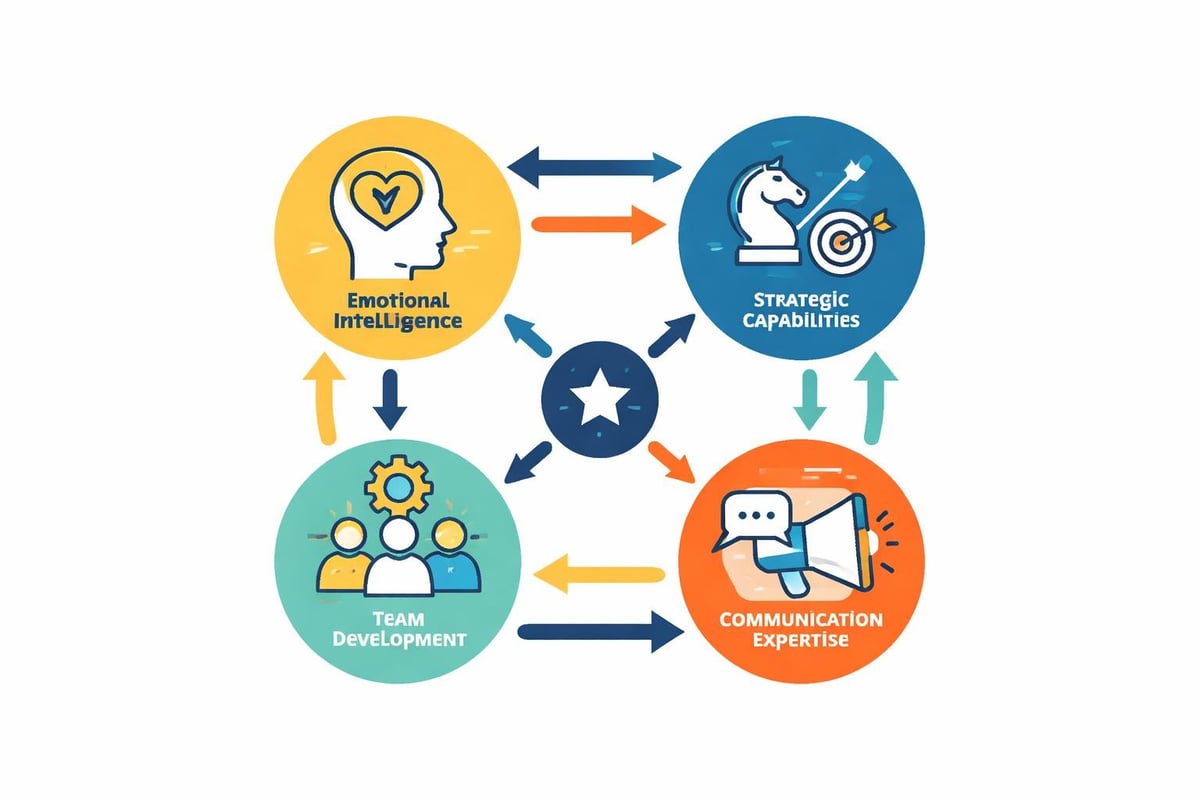
Leadership development extends beyond simple skill acquisition. The most effective programmes incorporate behavioural change methodologies that help participants translate learning into consistent action. This includes establishing accountability mechanisms, peer learning groups, and ongoing reinforcement strategies that prevent the common "training fade" phenomenon.
| Leadership Level | Primary Focus Areas | Training Duration | Key Outcomes |
|---|---|---|---|
| Emerging Leaders | Self-awareness, communication basics, team dynamics | 2-3 days | Transition to leadership mindset |
| Mid-Level Managers | Strategic thinking, performance management, conflict resolution | 3-5 days | Enhanced team effectiveness |
| Senior Executives | Organizational vision, change leadership, executive presence | 5-7 days | Strategic organizational impact |
Building Emotional Intelligence Through Structured Training
Emotional intelligence represents perhaps the most significant differentiator between technically competent managers and truly exceptional leaders. A quality leadership skills training course dedicates substantial attention to developing these capabilities through experiential learning methods.
Self-Awareness and Self-Management
Participants begin by examining their own leadership styles, triggers, and default behaviours under pressure. Through assessment tools, reflective exercises, and peer feedback, leaders gain critical insights into how their emotional patterns impact team dynamics and organizational outcomes.
The emotionally intelligent workplace communication approach emphasizes recognizing emotional states in oneself and others, then adapting communication strategies accordingly. This proves particularly valuable during high-stakes conversations or organizational transitions.
Training should incorporate practical techniques for:
- Recognizing emotional triggers before they derail productive interactions
- Pausing and reflecting rather than reacting impulsively to challenging situations
- Choosing intentional responses that align with leadership values and organizational objectives
- Building emotional resilience to maintain effectiveness during sustained pressure periods
Social awareness and relationship management form the external dimensions of emotional intelligence. Leaders learn to read team dynamics accurately, understand diverse perspectives, and build trust across hierarchical and cultural boundaries.
Strategic Communication Skills for Leadership Impact
Communication failures represent one of the most common sources of organizational dysfunction and leadership ineffectiveness. A comprehensive leadership skills training course addresses multiple communication contexts and challenges that leaders encounter regularly.
Adapting Communication Styles to Different Stakeholders
Effective leaders recognize that identical messages require different delivery approaches depending on audience needs, preferences, and contexts. Training participants learn to assess situational factors and adjust their communication strategies accordingly.
This includes mastering clear workplace communication techniques that eliminate ambiguity, reduce misunderstandings, and ensure critical information reaches intended recipients accurately. Leaders discover how their communication preferences may differ from team members' needs, creating potential disconnects.
Key communication scenarios addressed in training:
- Presenting strategic initiatives to executive stakeholders requiring concise, results-focused messaging
- Coaching individual team members through performance challenges with empathy and clarity
- Facilitating team meetings that generate engagement rather than passive attendance
- Delivering difficult feedback that promotes growth rather than defensiveness
- Communicating during organizational change with transparency and reassurance
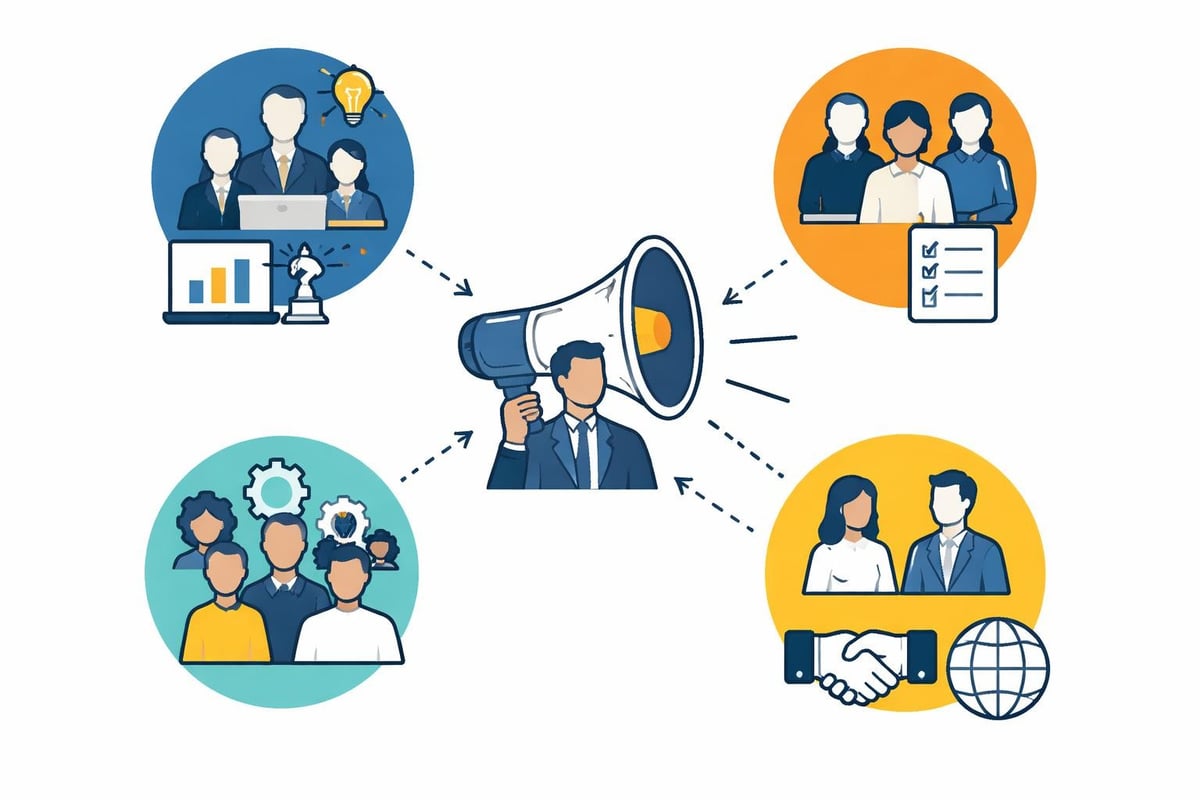
The LinkedIn Learning leadership skills courses provide supplementary resources for leaders seeking to deepen their communication capabilities beyond initial training programmes. These modules cover specialized topics such as virtual team communication, cross-cultural messaging, and persuasive presentation techniques.
Decision-Making Frameworks for Complex Business Challenges
Leaders face increasingly complex decisions that require balancing multiple stakeholder interests, incomplete information, and time constraints. A robust leadership skills training course equips participants with structured decision-making methodologies that improve outcomes while building team confidence.
Moving From Reactive to Strategic Thinking
Many managers operate primarily in reactive mode, responding to immediate demands rather than shaping strategic direction. Training helps leaders transition to more proactive, systems-oriented thinking patterns.
The structured decision-making approach introduces frameworks for analyzing problems systematically, identifying root causes rather than symptoms, and evaluating options against clear criteria. This proves particularly valuable when facing decisions with significant resource implications or organizational impact.
Participants explore decision-making models including:
- RACI matrices for clarifying decision authority and stakeholder involvement
- Decision trees for mapping potential outcomes and probability assessments
- Stakeholder analysis to understand varying interests and influence levels
- Risk assessment frameworks balancing innovation with prudent risk management
Developing Teams Through Trust and Psychological Safety
Outstanding leaders understand that team performance depends fundamentally on trust, psychological safety, and clear role expectations. A leadership skills training course must address the interpersonal and systemic factors that enable high-performing teams.
Creating Environments Where Teams Thrive
The research is unequivocal: teams perform best when members feel safe taking interpersonal risks, sharing divergent perspectives, and admitting mistakes without fear of punishment. Leaders create these conditions through intentional behaviours and systemic practices.
Training in leading teams with trust and safety explores practical strategies for building psychological safety, including modelling vulnerability, responding constructively to failures, and establishing team norms that encourage healthy debate. These skills prove essential for innovation-dependent organizations.
| Trust-Building Practice | Implementation Method | Expected Timeline | Measurement Approach |
|---|---|---|---|
| Regular one-on-one conversations | Weekly 30-minute check-ins | Immediate | Employee engagement scores |
| Transparent decision-making | Share rationale behind major decisions | 2-3 months | Team trust surveys |
| Acknowledging mistakes | Leader models admitting errors | Ongoing | Psychological safety assessment |
| Celebrating team wins | Public recognition of contributions | Immediate | Retention rates |
Leaders also learn to distinguish between productive conflict (debate about ideas and approaches) and destructive conflict (personal attacks or political maneuvering). The ability to foster the former while preventing the latter separates exceptional team leaders from average ones.
Navigating Change and Building Organizational Resilience
In today's business environment, change represents the only constant. A comprehensive leadership skills training course prepares leaders to guide their teams through transitions while maintaining productivity and morale.
Change Leadership Competencies
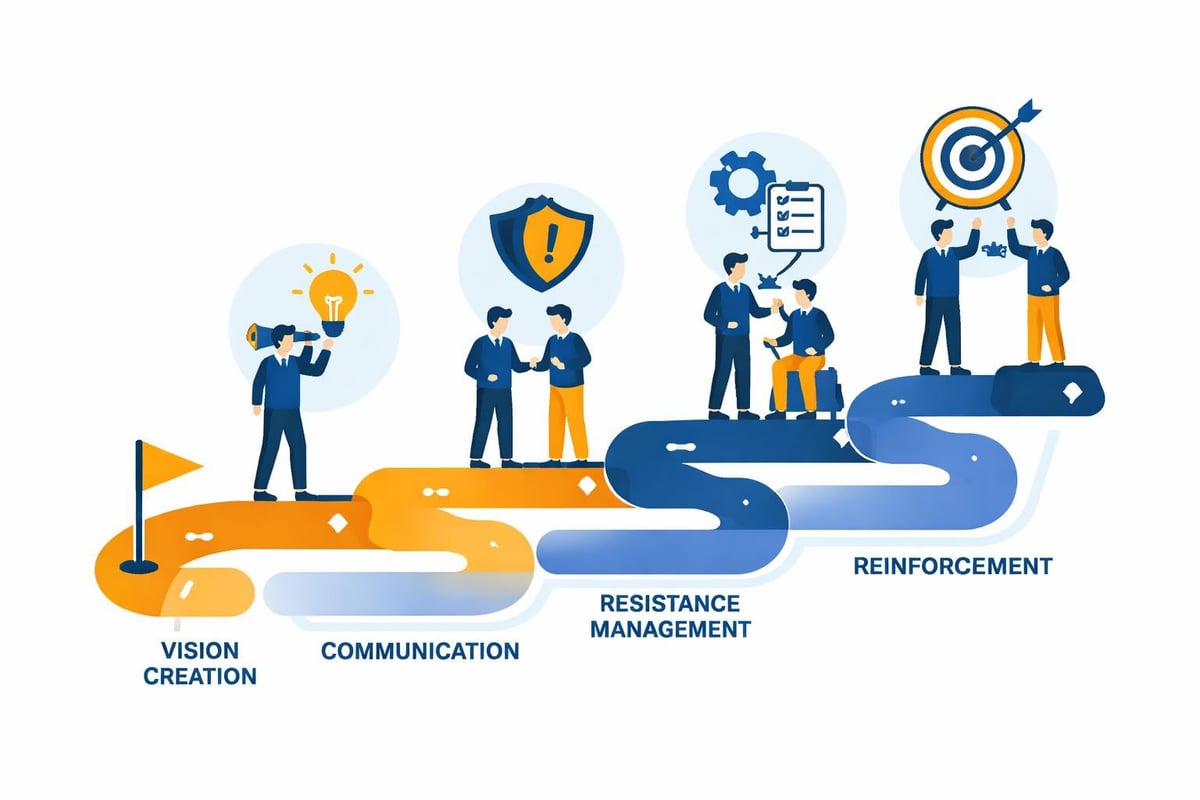
Effective change leadership requires both technical project management skills and sophisticated people leadership capabilities. Leaders must understand change psychology, resistance patterns, and engagement strategies that help teams navigate uncertainty.
The adapting to workplace change using NLP course provides complementary techniques for helping individuals reframe their relationship with organizational transitions. These methods prove particularly valuable during major restructuring, technology implementations, or cultural transformations.
Essential change leadership capabilities include:
- Articulating compelling vision that connects change initiatives to meaningful outcomes
- Identifying and addressing resistance sources through empathetic listening and problem-solving
- Maintaining transparent communication even when complete information isn't available
- Building coalition support across organizational boundaries and hierarchical levels
- Celebrating short-term wins that build momentum toward larger objectives
Organizations implementing leadership development programmes often overlook the importance of teaching leaders how to manage their own stress and maintain effectiveness during sustained change periods. The Center for Creative Leadership’s online programmes emphasize this dimension, recognizing that leaders cannot guide others through uncertainty if they're overwhelmed themselves.
Coaching and Performance Management Excellence
Traditional performance management approaches focused on annual reviews and rating scales have proven ineffective for developing talent and driving performance improvement. Modern leaders require coaching skills that enable ongoing development conversations and real-time feedback.
Shifting From Evaluator to Coach
A quality leadership skills training course helps participants reframe their role from judge and evaluator to coach and developer. This mindset shift fundamentally changes how leaders approach performance conversations and talent development.
Leaders learn to ask powerful questions rather than simply providing answers, a technique that builds team member capability and ownership. This includes exploring open-ended questions like "What obstacles are preventing progress?" and "What resources would enable you to succeed?" rather than immediately jumping to solutions.
The Coursera leadership skills programme covers coaching fundamentals comprehensively, including modules on providing constructive feedback, setting developmental goals, and tracking progress without micromanaging. These capabilities prove essential for organizations seeking to build internal talent pipelines.
Effective coaching conversations follow structured frameworks:
- Opening: Establish purpose and create psychological safety for honest dialogue
- Exploration: Understand the situation from the team member's perspective
- Goal-Setting: Define clear, achievable objectives with measurable success criteria
- Action Planning: Identify specific steps, resources needed, and accountability checkpoints
- Commitment: Secure explicit agreement on actions and timelines
Influencing Without Direct Authority
Leaders increasingly need to drive results through individuals and teams outside their direct reporting lines. A comprehensive leadership skills training course addresses the influence skills necessary for matrix organizations and cross-functional initiatives.
Building Credibility and Strategic Relationships
The ability to influence others depends fundamentally on credibility, relationship quality, and understanding stakeholder motivations. Training helps leaders develop these capabilities systematically rather than relying solely on positional authority.
The power of influence over authority course explores specific strategies for building trust with lateral stakeholders, understanding their priorities, and creating mutually beneficial outcomes. These skills prove essential for project managers, change agents, and leaders in complex organizational structures.
Leaders discover how to:
- Map stakeholder landscapes to identify key influencers and decision-makers
- Build relationship capital before needing to make requests or drive initiatives
- Frame proposals in terms of stakeholder benefits rather than personal or departmental needs
- Navigate organizational politics ethically while advancing important objectives
- Create win-win solutions that address multiple stakeholder interests simultaneously
The influencing others in the workplace programme provides practical tools for enhancing persuasive communication and building strategic partnerships across organizational boundaries.
Developing Leadership Presence and Executive Credibility
Leadership presence represents the intangible quality that inspires confidence, commands attention, and establishes credibility. While often perceived as innate, these capabilities can be developed through focused training and practice.
Components of Leadership Presence
Leadership presence encompasses multiple dimensions including physical bearing, communication style, emotional regulation, and authentic connection with audiences. A well-designed leadership skills training course addresses each dimension systematically.
Participants explore how factors such as body language, vocal variety, and spatial awareness impact perceived authority and trustworthiness. The leadership presence and confidence programme provides specific techniques for projecting executive presence during high-stakes presentations, difficult conversations, and organizational events.
Key elements of leadership presence:
- Confident physical presence without arrogance or dominance displays
- Clear, articulate communication that balances authority with approachability
- Emotional composure during challenging situations or unexpected setbacks
- Authentic connection with diverse audiences across hierarchical levels
- Strategic silence and active listening that demonstrates respect and thoughtfulness
Leaders also learn to recognize and overcome common presence detractors such as verbal fillers ("um," "like," "you know"), apologetic language patterns, and incongruent body language that undermines their messages.
Customizing Leadership Development for Organizational Context
Generic leadership training programmes often fail to generate sustained impact because they don't account for specific organizational cultures, challenges, and strategic priorities. Effective leadership skills training courses incorporate customization that ensures relevance and application.
Aligning Training With Business Objectives
The most successful leadership development initiatives begin with thorough needs assessment that identifies specific gaps, challenges, and opportunities within the organization. This diagnostic phase informs curriculum design, case study selection, and skill emphasis.
Organizations should consider factors including:
- Industry-specific challenges requiring specialized knowledge or regulatory awareness
- Organizational culture and values that should inform leadership approaches
- Strategic priorities such as growth, transformation, or operational excellence
- Team demographics including generational diversity and geographic distribution
- Technology environment affecting communication methods and work patterns
The My Training Network course catalogue demonstrates how customizable programmes can address diverse organizational needs while maintaining core leadership development principles. This flexibility ensures training investments generate practical returns rather than generic knowledge that participants struggle to apply.
Measuring Leadership Development Impact
Organizations investing in leadership skills training courses rightfully expect measurable returns. Effective programmes incorporate assessment mechanisms that track both individual development and organizational outcomes.
Multi-Level Evaluation Frameworks
Comprehensive evaluation extends beyond participant satisfaction surveys to measure behavioural change, business impact, and return on investment. Training providers should establish clear metrics at programme inception.
| Evaluation Level | What It Measures | Assessment Methods | Timeline |
|---|---|---|---|
| Reaction | Participant satisfaction and engagement | Post-session surveys, feedback forms | Immediate |
| Learning | Knowledge and skill acquisition | Pre/post assessments, role-plays | During training |
| Behaviour | On-the-job application of skills | 360-degree feedback, observation | 3-6 months post |
| Results | Business impact and ROI | Performance metrics, retention rates | 6-12 months post |
Organizations should track both leading indicators (such as increased coaching conversations or improved team meeting effectiveness) and lagging indicators (such as employee engagement scores, retention rates, and productivity metrics). This comprehensive approach validates training investment and identifies areas requiring reinforcement.
The authoritative leadership guide from IMD emphasizes that leadership development represents an ongoing journey rather than a single event. Organizations achieving sustained impact combine initial training with reinforcement activities, peer learning communities, and executive coaching.
Integrating Leadership Development Into Organizational Culture
Isolated training events, regardless of quality, rarely generate transformational leadership capability. Organizations must embed leadership development into broader talent management systems and cultural expectations.
Creating Sustainable Development Ecosystems
Leadership development becomes most effective when integrated with performance management, succession planning, and organizational values. This systemic approach ensures consistent messaging and reinforcement across multiple touchpoints.
Successful organizations implement practices such as:
- Leadership competency frameworks that define expectations at each organizational level
- Development planning processes requiring annual goal-setting and progress review
- Mentoring programmes pairing emerging leaders with experienced executives
- Action learning projects applying new skills to real business challenges
- Leadership communities facilitating ongoing peer learning and support
The building high-performance habits course complements formal leadership training by helping participants establish routines and practices that sustain behavioural change beyond initial programme completion.
Organizations should also consider how leadership expectations cascade from executive levels through middle management to frontline supervisors. Consistency in leadership philosophy and practice strengthens organizational culture and accelerates development across all levels.
Investing in a comprehensive leadership skills training course represents one of the most impactful decisions organizations can make to strengthen their competitive position and build sustainable success. The competencies addressed throughout this article-from emotional intelligence and strategic communication to change leadership and coaching excellence-form the foundation of effective leadership across industries and organizational contexts. My Training Network delivers customizable, instructor-led leadership development programmes throughout Canada and virtually worldwide, combining expert facilitators with practical, application-focused curriculum that drives measurable results. Whether you're developing emerging leaders or refining executive capabilities, our team can design and deliver training solutions that transform leadership effectiveness within your organization.

