

Effective communication stands as the cornerstone of successful organisations, yet research consistently reveals that most professionals spend more time formulating responses than genuinely listening. This gap between hearing and truly understanding creates costly misalignments, erodes trust, and diminishes productivity across teams. Listening skills training addresses this critical deficiency by equipping employees with techniques that transform how they process information, engage with colleagues, and drive organisational outcomes. Whether delivered virtually or in-person, structured training programmes create measurable improvements in collaboration, leadership effectiveness, and overall workplace culture.
The Business Case for Investing in Listening Development
Organisations that prioritise listening skills training experience tangible returns across multiple performance indicators. Research demonstrates that teams with strong listening capabilities resolve conflicts 40% faster, experience fewer project delays, and maintain higher employee retention rates. These outcomes directly impact the bottom line whilst fostering environments where innovation thrives.
The financial implications extend beyond immediate productivity gains. Poor listening contributes to costly errors, repeated work, and client dissatisfaction. When team members fail to grasp requirements accurately, projects veer off course, deadlines slip, and budgets balloon. Investing in systematic listening development mitigates these risks whilst building organisational resilience.
Key business benefits include:
- Reduced miscommunication errors and associated costs
- Improved client satisfaction scores and retention
- Enhanced employee engagement and morale
- Faster decision-making processes
- Stronger cross-departmental collaboration
- Better crisis management and response capabilities
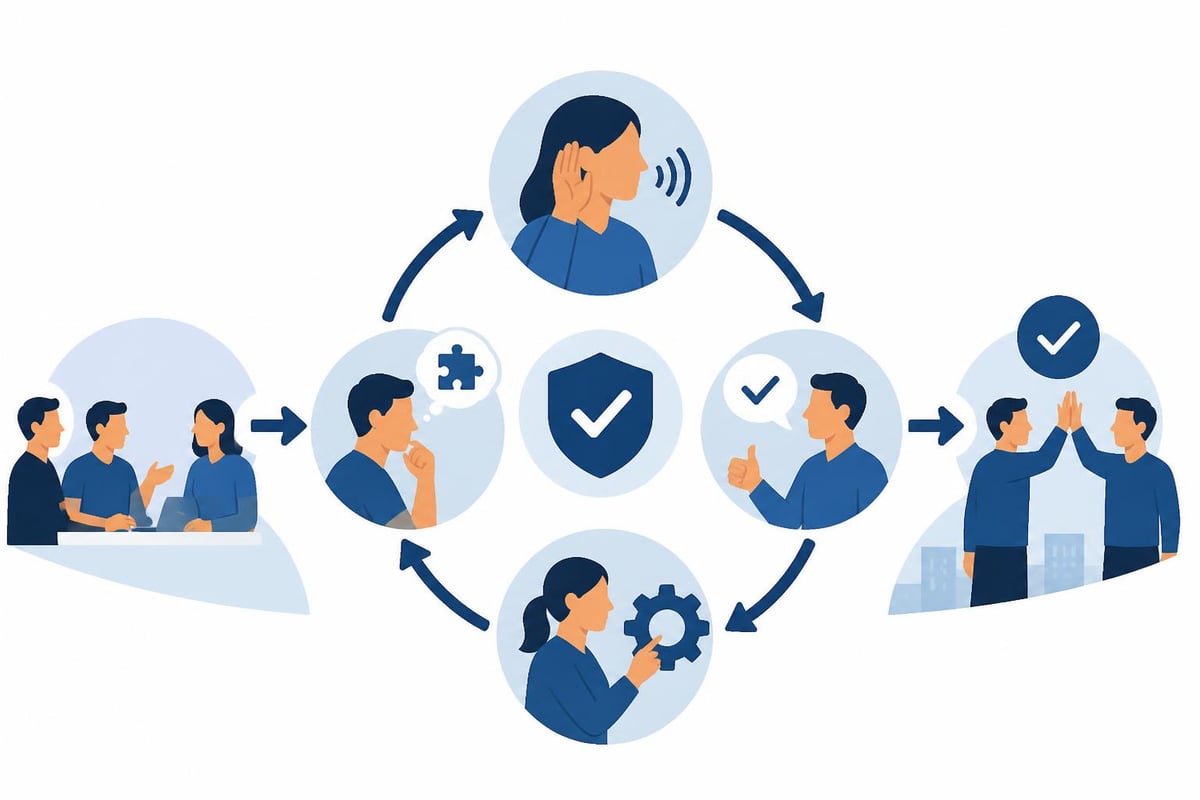
Modern listening skills training programmes leverage evidence-based methodologies that align with how adults learn and retain new behaviours. The University of Wisconsin–Madison’s professional development resources emphasise techniques that become ingrained through practice and reinforcement, ensuring lasting behavioural change rather than temporary awareness.
Core Components of Effective Training Programmes
Comprehensive listening skills training encompasses multiple dimensions that work together to create competent, confident communicators. These components build upon one another, forming a framework that participants can apply immediately in their daily interactions.
Active Listening Fundamentals
Active listening forms the foundation of effective communication. Unlike passive hearing, this skill requires conscious effort to understand both explicit messages and underlying meaning. Training programmes teach participants to focus entirely on speakers, resist the urge to interrupt, and demonstrate engagement through verbal and non-verbal cues.
Participants learn to identify the difference between listening to respond versus listening to understand. This distinction proves transformative for leaders who must make informed decisions based on team input. The Center for Creative Leadership’s approach emphasises this principle as essential for developing trust and psychological safety within teams.
Comprehension and Retention Strategies
Structured training addresses how professionals can improve their ability to retain and accurately recall information from conversations, meetings, and presentations. Memory techniques, note-taking systems, and clarification protocols ensure that critical details don't slip through the cracks.
| Technique | Application | Expected Outcome |
|---|---|---|
| Summarisation | Repeat key points in own words | Confirms understanding |
| Reflective responses | Mirror emotions and content | Builds rapport |
| Questioning frameworks | Use open-ended queries | Uncovers deeper insights |
| Mental rehearsal | Visualise information | Enhances retention |
These strategies become particularly valuable in complex environments where multiple stakeholders communicate different priorities simultaneously. Training helps participants develop systems for processing diverse inputs without losing critical information.
Non-Verbal Communication Awareness
Research indicates that up to 93% of communication effectiveness stems from non-verbal elements including tone, facial expressions, and body language. Listening skills training develops awareness of these signals whilst teaching participants to align their own non-verbal communication with their listening intent.
Participants practise maintaining appropriate eye contact, adopting open postures, and using facial expressions that encourage speakers to share openly. They also learn to recognise when non-verbal signals contradict verbal messages, a skill essential for identifying underlying concerns or resistance.
For organisations serving diverse populations, including those needing emergency communication solutions like Convey911’s multilingual platform, understanding cultural variations in non-verbal communication becomes especially critical. Training programmes can incorporate cultural competency elements that prevent misinterpretation across different backgrounds.
Overcoming Common Listening Barriers
Even well-intentioned professionals encounter obstacles that diminish their listening effectiveness. Comprehensive training programmes identify these barriers and provide practical strategies for overcoming them in real workplace situations.
Internal Distractions and Cognitive Load
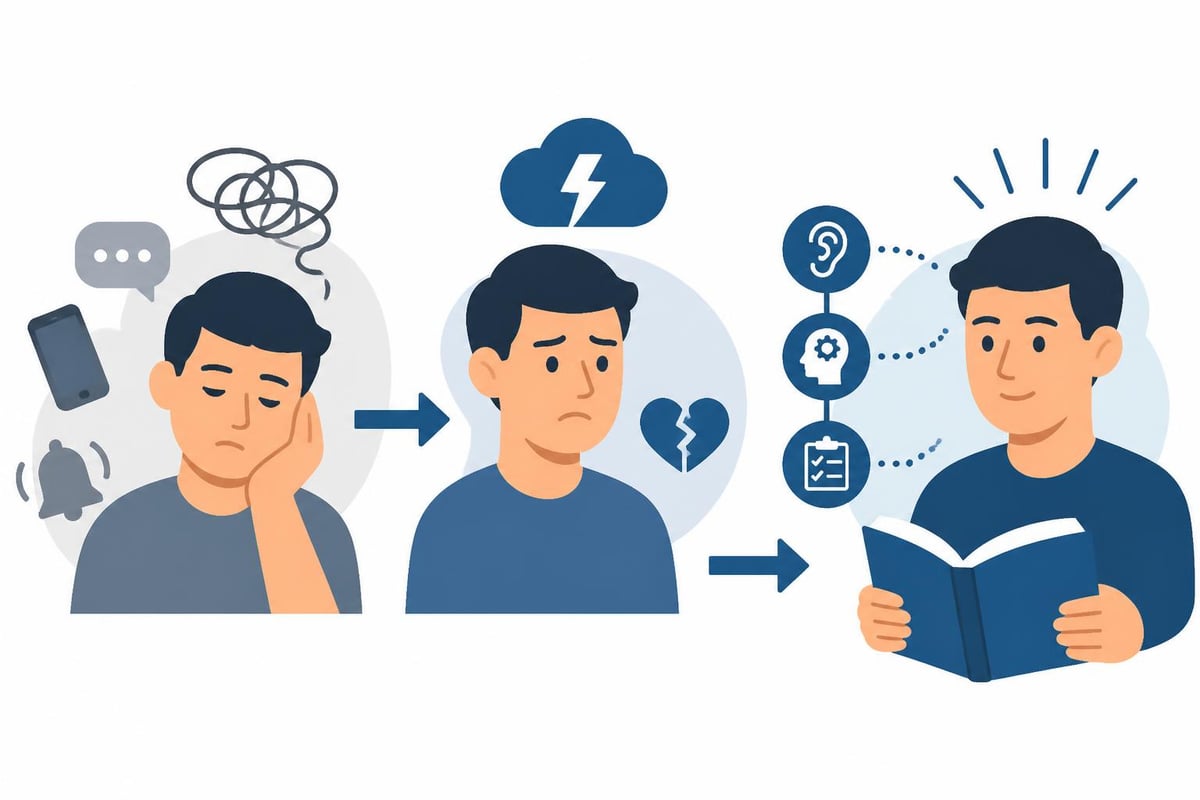
The modern workplace bombards employees with constant stimuli: notifications, competing priorities, and mental to-do lists that fragment attention. Training helps participants develop techniques for managing cognitive load, including mindfulness practices that anchor attention to present conversations.
Participants learn to recognise when their minds wander and develop gentle redirection techniques that bring focus back without judgment. This metacognitive awareness proves particularly valuable during lengthy meetings or when discussing complex technical subjects.
Emotional Triggers and Defensive Listening
Certain topics, phrases, or speakers activate emotional responses that override rational listening. When individuals feel threatened, criticised, or challenged, they shift into defensive mode, formulating rebuttals rather than seeking understanding. According to Coursera’s analysis of active listening, recognising these triggers represents the first step toward managing them effectively.
Common emotional barriers include:
- Confirmation bias (hearing only what supports existing beliefs)
- Status concerns (feeling challenged by subordinates)
- Time pressure (rushing to conclusions)
- Personal stress (external worries bleeding into conversations)
- Relationship conflicts (past disagreements colouring current exchanges)
Training provides frameworks for pausing before reacting, questioning assumptions, and separating message content from delivery style. These skills prove especially valuable for leaders navigating difficult conversations or performance discussions.
Environmental and Technological Challenges
Physical environments and communication technologies introduce additional barriers that require specific strategies. Poor acoustics, background noise, and unreliable video connections all compromise listening quality in modern workplaces.
Training programmes address both in-person and virtual listening challenges. Participants learn optimal positioning for in-person conversations, techniques for managing Zoom fatigue, and protocols for clarifying information when technical issues arise. These practical skills ensure consistent communication quality regardless of medium.
Measuring Training Impact and Programme Success
Organisations investing in listening skills training rightfully expect measurable returns. Effective programmes incorporate assessment mechanisms that demonstrate both immediate skill acquisition and long-term behavioural change.
Pre and Post-Training Assessments
Baseline assessments establish each participant's starting point across key listening dimensions. These might include scenario-based exercises, self-assessments, and 360-degree feedback from colleagues. Post-training evaluations using identical metrics reveal improvement areas whilst identifying participants who may benefit from additional coaching.
Leading organisations conduct follow-up assessments at 30, 60, and 90-day intervals to track retention and application of learned techniques. This longitudinal approach provides data on training efficacy whilst reinforcing accountability for behaviour change.
| Metric | Measurement Method | Tracking Frequency |
|---|---|---|
| Listening comprehension | Scenario tests | Pre/post/quarterly |
| Active listening behaviours | Peer observation | Monthly |
| Meeting effectiveness | Participant surveys | After each meeting |
| Project clarity | Error rates | Ongoing |
| Client satisfaction | Feedback scores | Quarterly |
Behavioural Indicators and Observable Changes
Beyond formal assessments, organisations can monitor workplace indicators that signal improved listening. These include reduced email chains clarifying previous conversations, fewer project scope misunderstandings, and improved meeting efficiency as participants grasp information the first time.
The University of Oxford’s communication skills resources emphasise that sustainable behaviour change requires reinforcement beyond initial training. Organisations achieve best results when they create systems supporting ongoing practice and peer accountability.
Advanced Techniques for Leadership and Client-Facing Roles
Whilst foundational listening skills benefit all employees, certain roles demand advanced capabilities that warrant specialised training modules. Leaders, sales professionals, customer service representatives, and consultants face unique listening challenges that require targeted development.
Empathetic Listening for Leadership
Leaders who master empathetic listening build cultures of trust and psychological safety where team members share concerns, admit mistakes, and propose innovative ideas. This listening level goes beyond understanding words to genuinely experiencing others' perspectives and emotions.
Training helps leaders develop presence, the ability to give undivided attention despite competing demands. Participants practise holding space for difficult emotions without rushing to fix problems or offer premature solutions. The Cleveland Clinic’s active listening techniques provide evidence-based approaches for developing this critical capability.
The same principles that help leaders connect with their teams also benefit young people developing emotional intelligence. Resources like Emmadavisbooks.com’s teen development guides apply listening and emotional awareness concepts to help adolescents build stronger relationships and self-awareness.
Strategic Listening in Sales and Negotiations
Sales professionals and negotiators require the ability to listen for unstated needs, concerns, and decision criteria. Strategic listening involves tracking patterns across multiple conversations, identifying gaps between stated requirements and underlying motivations, and formulating solutions that address both.
Training develops questioning techniques that uncover deeper insights whilst building rapport. Participants learn to resist the urge to pitch prematurely, instead using curiosity to fully understand client contexts before proposing solutions. This consultative approach consistently outperforms product-focused sales tactics.
Advanced techniques include:
- Listening for buying signals and hesitations
- Identifying stakeholder priorities and political dynamics
- Recognising when to probe deeper versus when to allow silence
- Tracking verbal patterns that indicate readiness to commit
- Managing group conversations where multiple viewpoints compete
Crisis Communication and High-Stakes Listening
When crises emerge, effective listening becomes even more critical yet harder to execute under pressure. Specialised training prepares participants to maintain composure, gather accurate information rapidly, and avoid assumptions that could escalate situations.
The U.S. Department of Veterans Affairs guidance on listening skills offers protocols particularly relevant for high-pressure environments where missing critical details carries serious consequences. Training simulates stressful scenarios that allow participants to practise maintaining listening quality when adrenaline runs high.
Building a Culture That Reinforces Listening Excellence
Training programmes deliver maximum value when organisations create cultures that reinforce and reward effective listening. Without systemic support, even well-trained individuals revert to old habits when facing workplace pressures and competing priorities.
Leadership Modeling and Accountability
Cultural transformation begins at the top. When senior leaders consistently demonstrate listening excellence, they establish organisational norms that cascade throughout all levels. This requires leaders to visibly prioritise listening in meetings, decision-making processes, and one-on-one interactions.
Organisations can embed listening expectations into performance management systems, making it a evaluated competency for advancement. Recognition programmes that celebrate employees who demonstrate exceptional listening reinforce desired behaviours whilst providing positive role models.
Creating Systems and Processes That Support Listening
Beyond individual skills, organisations benefit from implementing structural supports that facilitate better listening. Meeting protocols that allocate specific time for questions and clarification ensure space for understanding. Documentation standards that require summarising key decisions and action items create accountability for accurate listening.
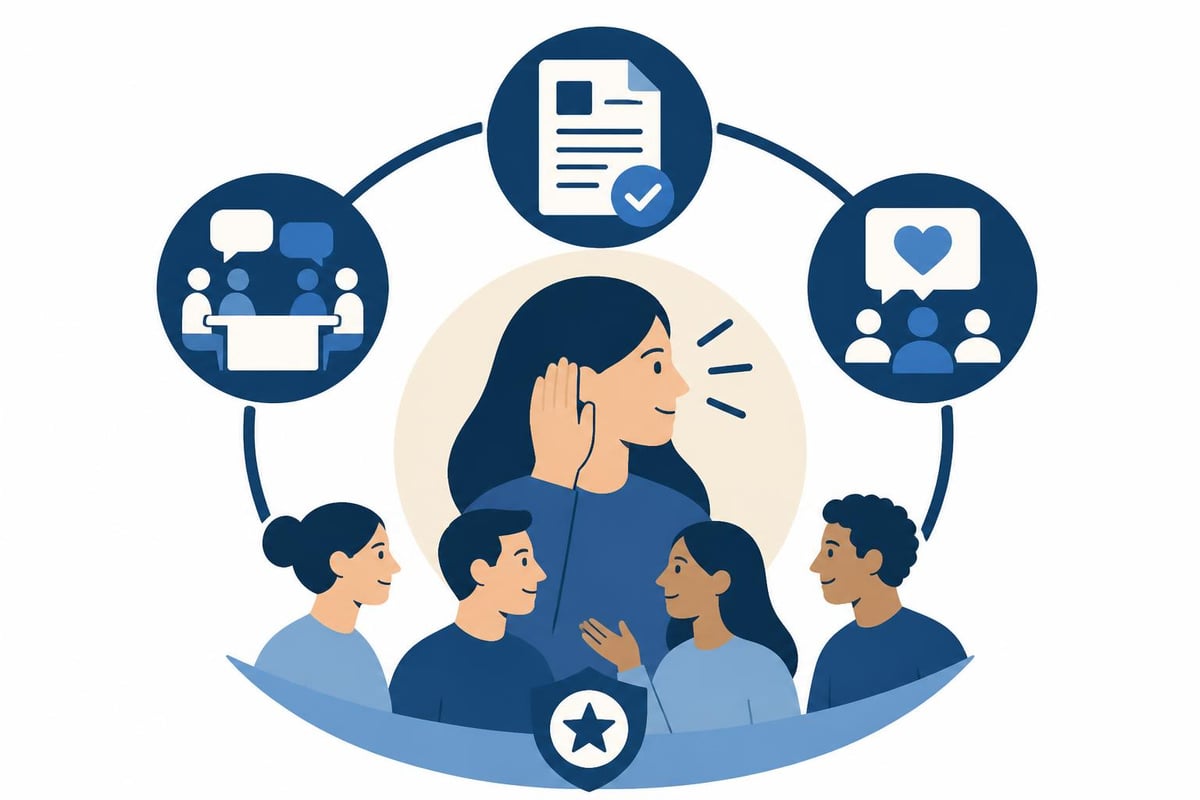
Technology solutions can also support listening development. Recording important meetings (with appropriate consent) allows participants to review content they might have missed. Collaboration platforms that capture decisions and rationales create reference points that reduce reliance on memory alone.
Ongoing Development and Skill Maintenance
Like any skill, listening capabilities erode without regular practice and refreshment. Forward-thinking organisations schedule periodic refresher sessions, provide access to coaching resources, and create peer learning opportunities where employees can practise and refine techniques together.
Microlearning modules delivered through mobile platforms allow busy professionals to engage with listening concepts in short bursts that fit naturally into their workflows. This approach maintains awareness whilst accommodating the time constraints that prevent longer training sessions.
Customising Training for Your Organisation's Unique Needs
Generic listening skills training provides value, yet organisations achieve superior results when programmes align with their specific challenges, communication styles, and business contexts. Customisation ensures relevance whilst addressing the precise barriers that limit listening effectiveness within particular environments.
Industry-Specific Applications
Different industries face distinct communication challenges that warrant tailored approaches. Healthcare organisations must navigate sensitive conversations with patients and families whilst managing complex interdisciplinary teams. Technology companies need to bridge communication gaps between technical experts and business stakeholders who speak different professional languages.
Manufacturing environments require listening protocols that function effectively in noisy settings with diverse workforces. Financial services firms demand precision listening where missing a single detail could trigger compliance violations or costly errors. Effective training incorporates scenarios and examples that reflect participants' actual work contexts.
Virtual and Hybrid Workplace Considerations
The shift toward remote and hybrid work models introduces unique listening challenges that demand specific training elements. Virtual communication strips away many non-verbal cues that support comprehension whilst introducing technological barriers and attention fragmentation.
Specialised modules address virtual listening techniques including camera positioning for maximum engagement, strategies for managing video fatigue, protocols for clarifying when audio quality degrades, and methods for ensuring all voices are heard when some participants join remotely whilst others gather in conference rooms.
Multilingual and Cross-Cultural Contexts
Organisations operating across borders or serving diverse populations encounter listening complexity rooted in language differences, cultural communication norms, and varying expectations around directness, formality, and decision-making processes.
Training that incorporates cross-cultural competency helps participants recognise how their own cultural conditioning shapes listening assumptions. They learn to suspend judgment when communication styles differ from familiar patterns, ask culturally appropriate clarifying questions, and verify understanding across language barriers without appearing condescending.
Research compiled in Wiley’s comprehensive Handbook of Listening demonstrates that listening effectiveness varies significantly across cultural contexts, requiring adaptable approaches rather than one-size-fits-all methodologies.
Selecting the Right Training Partner and Delivery Format
Organisations face numerous options when implementing listening skills training, from self-paced online modules to intensive instructor-led workshops. Each approach offers distinct advantages depending on organisational goals, workforce characteristics, and resource constraints.
Instructor-Led versus Self-Directed Learning
Live instruction provides opportunities for immediate feedback, real-time practice with peers, and dynamic adaptation to participant questions and challenges. Skilled facilitators create safe environments where participants can experiment with new techniques, receive coaching on their application, and learn from others' experiences.
Self-directed online learning offers flexibility and cost efficiency, allowing participants to progress at their own pace whilst accommodating varied schedules. However, this format requires high self-motivation and provides limited opportunities for the interactive practice essential for ingraining new listening behaviours.
Blended approaches combine both modalities, using online modules for foundational concepts whilst reserving instructor-led sessions for practice, coaching, and addressing nuanced challenges. This format optimises learning efficiency whilst managing costs.
Workshop Duration and Follow-Up Support
Intensive multi-day workshops allow deep immersion in listening development, creating space for significant practice and reflection. However, busy professionals often struggle to dedicate extended time away from responsibilities. Half-day or full-day sessions provide concentrated learning without overwhelming schedules.
Research from Listeners Without Borders indicates that spacing learning over time with periodic reinforcement sessions produces better long-term retention than single intensive experiences. Organisations achieve optimal results by combining initial training with ongoing touchpoints that refresh concepts and address application challenges.
Evaluating Trainer Expertise and Methodology
The facilitator's skill dramatically impacts training effectiveness. Experienced trainers bring practical insights from diverse organisational contexts, adapt content to participant needs in real-time, and model the very listening behaviours they teach. When evaluating potential training partners, organisations should assess facilitator credentials, review client testimonials, and request sample materials that reveal pedagogical approaches.
Strong programmes balance theory with extensive practice opportunities. Participants should spend significantly more time actively listening in scenarios, receiving feedback, and refining techniques than passively absorbing information through lectures or presentations.
Listening skills training represents one of the highest-return professional development investments organisations can make, transforming communication effectiveness whilst reducing costly errors and strengthening workplace relationships. When employees genuinely listen, teams collaborate more effectively, leaders make better decisions, and clients feel truly understood. My Training Network delivers customised, instructor-led listening skills training programmes across Canada and virtually worldwide, offering over 150 courses designed to meet your organisation's specific development needs. Our expert trainers bring proven methodologies and practical insights that create measurable improvements in communication quality, employee engagement, and organisational performance.

