

The landscape of workplace leadership continues to evolve at an unprecedented pace, and organisations across Canada recognise that investing in management development is no longer optional. Management skills courses have become essential tools for building capable leaders who can navigate complexity, inspire teams, and drive organisational success. Whether you're developing first-time supervisors or seasoned executives, the right training programmes create measurable improvements in team performance, employee engagement, and business outcomes.
Why Management Skills Training Matters in Today's Workplace
The demands placed on managers have multiplied dramatically over recent years. Beyond traditional responsibilities of task delegation and performance monitoring, today's leaders must demonstrate emotional intelligence, adapt to hybrid work environments, and guide teams through constant organisational change.
Research consistently shows that poor management is one of the leading causes of employee turnover. Conversely, organisations that invest in developing their managers see significant returns through improved retention, higher productivity, and stronger team cohesion. Management skills courses provide structured pathways for leaders to develop these critical capabilities.
The Financial Impact of Leadership Development
Organisations that prioritise management training typically see returns within the first year of implementation. Key metrics include:
- Reduced turnover costs through improved employee satisfaction
- Increased productivity from more effective delegation and workflow management
- Faster decision-making processes that capitalise on market opportunities
- Enhanced team collaboration leading to innovation
The initial investment in quality training programmes pays dividends through these tangible improvements. When managers understand how to communicate expectations clearly, provide constructive feedback, and create psychologically safe environments, entire teams perform at higher levels.
Core Competencies Developed Through Management Training
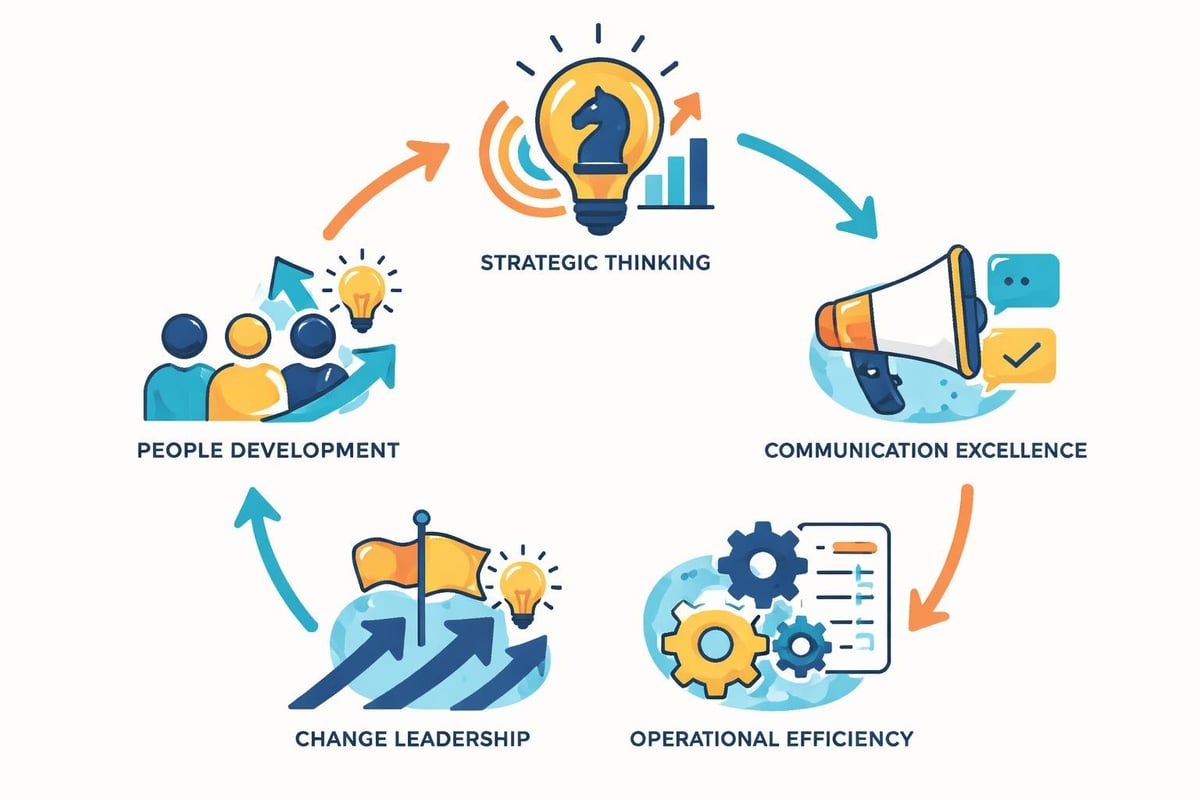
Effective management skills courses address multiple competency areas that work together to create well-rounded leaders. Understanding these core areas helps organisations select training programmes that align with their specific development needs.
Strategic Thinking and Decision-Making
Managers must balance day-to-day operational demands with longer-term strategic objectives. Quality training programmes teach frameworks for analysing complex situations, weighing competing priorities, and making decisions that align with organisational goals. Courses focused on structured decision making help leaders develop systematic approaches to navigating uncertainty.
Strategic competency includes understanding how individual team contributions connect to broader business objectives. Managers learn to communicate this strategic context effectively, helping team members see the purpose behind their work.
People Development and Team Leadership
The most impactful management skills courses dedicate substantial attention to the human side of leadership. This encompasses recruitment, onboarding, performance management, coaching, and succession planning.
Key people development skills include:
- Identifying individual strengths and development opportunities
- Providing specific, actionable feedback that drives improvement
- Creating development plans aligned with career aspirations
- Building inclusive teams that leverage diverse perspectives
- Recognising and rewarding contributions effectively
Programmes like leading teams with trust and safety address the foundational elements of creating environments where people thrive.
Communication Excellence Across Contexts
Communication forms the backbone of effective management. Leaders must adapt their communication style across various contexts, from one-on-one coaching conversations to team meetings, written correspondence, and presentations to senior leadership.
Management training addresses both verbal and written communication competencies. Courses in emotionally intelligent workplace communication teach managers how to tailor their approach based on audience needs, organisational culture, and situational demands.
| Communication Context | Key Skills Required | Common Challenges |
|---|---|---|
| One-on-One Meetings | Active listening, empathy, specificity | Balancing support with accountability |
| Team Meetings | Facilitation, time management, inclusivity | Ensuring participation from all voices |
| Written Communication | Clarity, conciseness, appropriate tone | Avoiding misinterpretation in digital channels |
| Presentations | Structure, storytelling, confidence | Managing anxiety and technical difficulties |
| Difficult Conversations | Emotional regulation, directness, respect | Addressing performance issues constructively |
Selecting the Right Management Skills Courses
With countless training options available, organisations must evaluate programmes strategically to ensure alignment with development goals and budget constraints. Several factors influence the effectiveness of any management development initiative.
Delivery Format Considerations
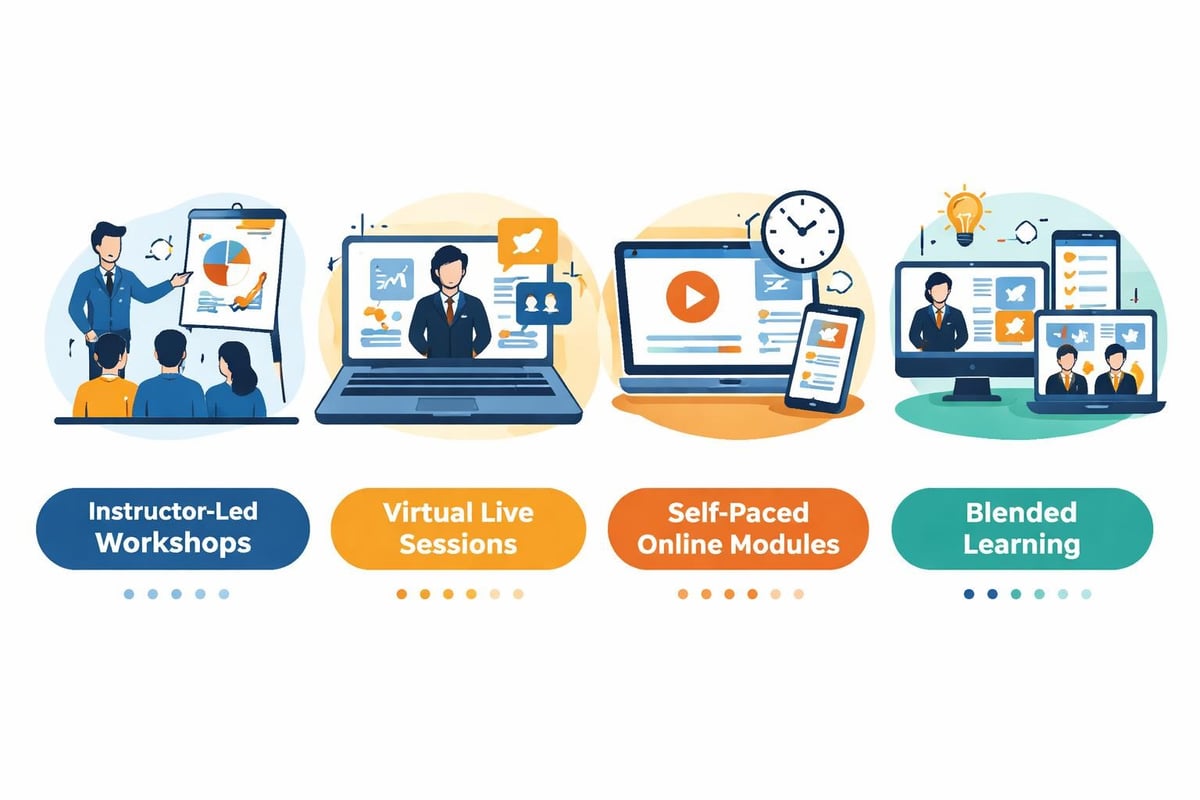
Management skills courses come in various formats, each with distinct advantages. Instructor-led training, whether delivered in-person or virtually, offers real-time interaction, immediate clarification of concepts, and opportunities for practice through role-playing exercises.
Self-paced online courses provide flexibility for busy managers but may lack the accountability and peer learning that structured programmes offer. Platforms like LinkedIn Learning’s management skills courses provide accessible options for individual development.
Blended approaches combining online modules with live facilitation sessions often deliver optimal results. Managers complete foundational content independently, then apply concepts through facilitated workshops with peers.
Customisation and Contextualisation
Generic management training often falls short because it fails to address organisation-specific challenges, culture, and workflows. The most effective programmes incorporate real examples from participants' work environments.
Look for training providers who offer customisation capabilities. At My Training Network, courses are adapted to reflect your industry context, organisational values, and specific development objectives. This customisation ensures concepts translate directly into workplace application.
Instructor Expertise and Credibility
The quality of instruction makes or breaks any training programme. Seek instructors with both theoretical knowledge and practical management experience. The best trainers share relevant stories, answer questions with depth, and facilitate discussions that deepen learning.
Credentials matter, but real-world experience often provides greater value. An instructor who has navigated organisational change, built high-performing teams, and recovered from leadership mistakes brings authenticity that resonates with participants.
Essential Topics Covered in Comprehensive Management Programmes
While specific course content varies, comprehensive management skills courses address several foundational topics that prepare leaders for diverse responsibilities.
Time Management and Prioritisation
Managers frequently struggle with competing demands on their time. Effective training programmes teach practical frameworks for prioritisation, delegation, and personal productivity. Courses such as mastering your most valuable asset: time provide techniques for managing calendar commitments, reducing interruptions, and focusing energy on high-impact activities.
Time management competencies include:
- Distinguishing urgent from important tasks
- Delegating effectively without micromanaging
- Protecting time for strategic thinking
- Managing meeting schedules efficiently
- Setting boundaries with stakeholders
Performance Management and Accountability
Creating clear expectations, monitoring progress, and addressing performance gaps represent core management responsibilities. Training programmes teach structured approaches to goal-setting, regular check-ins, documentation, and performance improvement planning.
The most valuable courses address the emotional complexity of performance conversations. Managers learn to balance directness with empathy, holding team members accountable whilst maintaining positive relationships.
Emotional Intelligence and Self-Awareness
Technical skills alone do not create exceptional managers. Understanding emotions, both one's own and those of team members, fundamentally shapes leadership effectiveness. Courses in adopting emotional intelligence in the workplace develop capabilities in self-awareness, self-regulation, empathy, and relationship management.
Emotionally intelligent managers recognise how stress affects decision-making, notice when team members struggle, and adapt their approach based on individual needs. This awareness prevents common pitfalls like reactive decision-making or inadvertently demotivating team members.
Change Management and Adaptability
Organisational change has become a constant reality. Managers must guide teams through transitions whilst maintaining productivity and morale. Quality management skills courses address change communication, resistance management, and maintaining team engagement during uncertainty.
Training in adapting to workplace change using NLP introduces techniques for reframing challenges and supporting teams through transitions.
Measuring Training Effectiveness and ROI
Investing in management development requires assessing whether programmes deliver meaningful results. Organisations should establish clear metrics before launching training initiatives.
Pre and Post-Training Assessments
Baseline assessments identify current competency levels and specific development needs. These might include 360-degree feedback surveys, skills assessments, or management competency frameworks. Post-training assessments conducted 30, 60, and 90 days after programme completion reveal knowledge retention and behaviour change.
Observable Behaviour Changes
The ultimate test of training effectiveness is whether managers demonstrate new behaviours in their daily work. Observable indicators include:
- More frequent and higher-quality coaching conversations
- Improved meeting facilitation and time management
- Proactive conflict resolution before issues escalate
- Clearer communication of expectations and feedback
Supervisors and human resources partners should monitor these behaviours and provide reinforcement when positive changes occur.
Team Performance Metrics
Management development should ultimately improve team outcomes. Track metrics such as employee engagement scores, retention rates, productivity measures, and quality indicators. While multiple factors influence these metrics, sustained improvements following management training suggest positive ROI.
| Metric Category | Specific Measures | Target Improvement Timeframe |
|---|---|---|
| Employee Engagement | Engagement survey scores, participation rates | 3-6 months |
| Retention | Voluntary turnover, regrettable losses | 6-12 months |
| Productivity | Output per employee, project completion rates | 3-9 months |
| Quality | Error rates, customer satisfaction | 3-6 months |
| Development | Internal promotion rates, succession readiness | 12-24 months |
Advanced Management Development Pathways
Whilst foundational management skills courses establish essential competencies, organisations benefit from creating progressive development pathways that grow with managers throughout their careers.
First-Time Manager Programmes
New managers transitioning from individual contributor roles require targeted support. These programmes address the fundamental shift from personal performance to team performance. Topics include delegating effectively, having difficult conversations, and establishing credibility with former peers.
Coursera’s management skills collections offer structured pathways for new managers seeking to build foundational competencies.
Mid-Level Leadership Development
Experienced managers benefit from advanced programmes addressing strategic leadership, cross-functional collaboration, and organisational influence. At this level, training shifts from tactical skills to broader leadership capabilities.
Courses in calm leadership under pressure and resilient leadership under pressure prepare managers for the increased complexity and stress that accompany senior roles.
Executive Leadership Programmes
Senior leaders require training focused on enterprise-wide thinking, stakeholder management, and organisational transformation. Programmes like effective leadership: master management styles help executives evaluate and adapt their leadership approach across different contexts.

Building a Culture of Continuous Learning
One-time training events create temporary knowledge spikes that fade without reinforcement. Organisations that view management development as an ongoing journey create sustainable capability improvements.
Reinforcement Strategies
Post-training reinforcement transforms knowledge into embedded habits. Effective strategies include:
- Manager peer learning groups: Monthly discussions where managers share challenges and solutions
- Micro-learning refreshers: Brief modules reviewing key concepts from completed courses
- Manager coaching partnerships: Pairing managers for mutual accountability and support
- Leadership book clubs: Structured reading programmes that deepen concepts
- Application assignments: Real-world projects applying training concepts
Integrating Training with Performance Systems
Management skills courses deliver maximum impact when learning objectives align with performance expectations. Include specific leadership competencies in job descriptions, performance reviews, and promotion criteria. This integration signals that management development is valued and expected, not optional.
Creating Internal Subject Matter Experts
As managers complete advanced training, identify those who could mentor others or facilitate internal workshops. This approach extends training reach whilst developing teaching skills that deepen the expert's own competency.
Addressing Common Management Development Challenges
Even well-designed training programmes encounter obstacles. Anticipating these challenges allows organisations to implement preventive strategies.
Time Constraints and Competing Priorities
Managers frequently cite lack of time as the primary barrier to training participation. Address this challenge by offering multiple delivery formats, breaking content into digestible modules, and securing executive sponsorship that emphasises development priorities.
Programmes focused on practical time productivity strategies help managers create capacity for their own development.
Transfer of Learning to Workplace Application
Knowledge gained in training rooms often fails to translate into workplace behaviour changes. Maximise transfer through action planning, manager accountability partners, and supervisor coaching. Require participants to identify three specific applications they will implement immediately following training.
Measuring Soft Skills Development
Unlike technical competencies with clear proficiency standards, management capabilities can be difficult to quantify. Utilise multiple assessment methods including self-assessments, peer feedback, supervisor observations, and team outcome metrics. Triangulating these perspectives provides a comprehensive view of development progress.
Budget Limitations
Organisations with limited training budgets must prioritise strategically. Focus initial investments on highest-impact areas such as new manager transitions or critical skill gaps identified through employee feedback. As programmes demonstrate ROI, expand offerings to additional management levels and competency areas.
Virtual delivery formats significantly reduce costs whilst maintaining quality. The extensive range of courses available through My Training Network provides options at various investment levels.
Emerging Trends in Management Skills Development
The field of leadership development continues evolving in response to workplace changes and new research insights. Staying current with these trends ensures training programmes remain relevant and effective.
Neuroscience-Informed Leadership Training
Understanding how the brain processes stress, makes decisions, and forms habits enhances management effectiveness. Programmes incorporating neuroscience principles, such as leading through neuroscience and emotional intelligence, provide evidence-based strategies for managing teams.
Well-being and Sustainable Performance
The recognition that burnout undermines leadership effectiveness has elevated well-being within management training curricula. Courses addressing topics like reducing microstress and preventing burnout at work equip managers to maintain their own resilience whilst supporting team member well-being.
Well-being competencies for managers include:
- Recognising early warning signs of burnout in themselves and team members
- Creating realistic workload expectations
- Modelling healthy boundaries
- Encouraging recovery practices
- Addressing systemic stress factors
Technology Integration and Digital Leadership
As artificial intelligence and automation reshape work, managers require new competencies in leading hybrid teams, managing digital workflows, and making ethical technology decisions. Training in responsible AI use in the workplace prepares leaders for these evolving responsibilities.
Psychological Safety and Inclusive Leadership
Creating environments where team members feel safe to take risks, share ideas, and acknowledge mistakes has become a critical leadership competency. Management skills courses increasingly address inclusive leadership practices, unconscious bias awareness, and psychological safety principles. Courses such as mental health awareness and psychological safety at work develop these contemporary leadership capabilities.
Investing in management skills courses represents one of the most strategic decisions organisations can make to drive performance, retain talent, and build sustainable competitive advantage. By selecting programmes that combine evidence-based frameworks with practical application opportunities, providing ongoing reinforcement, and measuring outcomes systematically, you create managers who inspire teams and deliver results. My Training Network specialises in delivering customised, instructor-led management development programmes across Canada and virtually worldwide, offering over 150 courses designed to build the exact capabilities your leaders need. Connect with our team to design a management development strategy that transforms your leadership bench strength.

