

Promoting talented individual contributors into management roles represents one of the most significant investments an organisation can make in its future. However, this transition frequently becomes a stumbling block rather than a stepping stone to success. Without proper preparation, newly appointed managers often struggle to navigate the complex demands of leadership, team dynamics, and strategic thinking. A comprehensive new manager training programme bridges this critical gap, equipping emerging leaders with the tools, knowledge, and confidence needed to excel in their expanded responsibilities whilst maintaining team productivity and morale.
The Critical Importance of Structured Management Development
The shift from individual contributor to manager demands an entirely different skill set. Technical expertise alone cannot prepare someone to motivate teams, resolve conflicts, or make strategic decisions that affect multiple stakeholders. Research consistently demonstrates that organisations investing in structured new manager training experience higher retention rates, improved team performance, and reduced costly mistakes.
New managers face unique challenges during their first year. They must establish credibility with former peers who now report to them, balance operational demands with strategic responsibilities, and develop a leadership style that aligns with organisational values. Without proper support, these challenges can lead to burnout, team dysfunction, and ultimately, failure in the role.
Why Traditional Approaches Fall Short
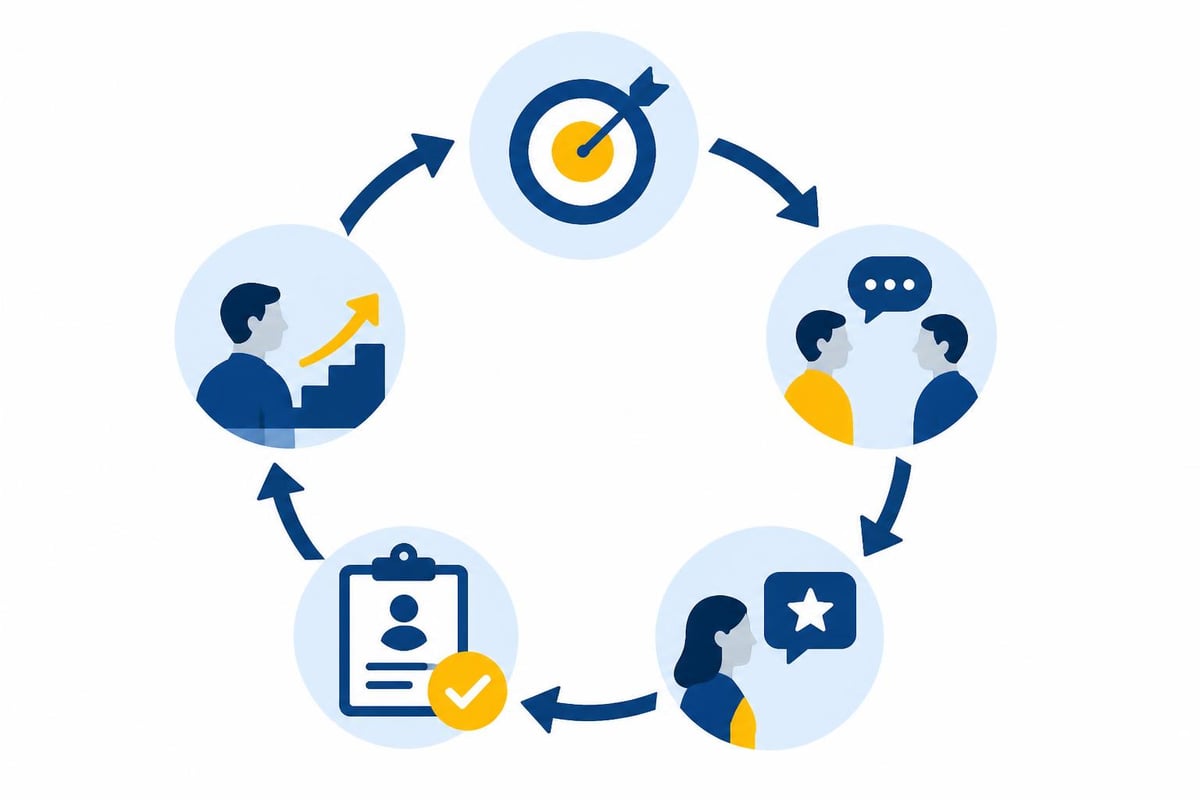
Many organisations approach new manager training as a one-off event rather than a continuous development journey. A single workshop on delegation or communication, whilst valuable, cannot adequately prepare someone for the multifaceted demands of leadership. Effective programmes recognise that management skills develop through practice, feedback, and reflection over time.
The most successful new manager training programmes integrate multiple learning methodologies:
- Instructor-led workshops for foundational knowledge
- Peer learning circles for shared experiences
- One-on-one coaching for personalised development
- Real-world application through structured assignments
- Regular feedback loops for continuous improvement

Essential Components of Effective New Manager Training
Building a comprehensive new manager training curriculum requires careful consideration of both immediate needs and long-term development goals. The most impactful programmes address practical challenges whilst establishing a foundation for sustained leadership growth.
Communication and Interpersonal Skills
Effective communication stands as the cornerstone of successful management. New managers must master various communication forms, from delivering difficult feedback to facilitating productive meetings. Interpersonal communication training helps emerging leaders navigate sensitive conversations, build trust with team members, and create an environment where open dialogue flourishes.
Strong listening skills training proves particularly valuable, as new managers often focus on directing rather than understanding. Active listening enables managers to identify underlying issues, gather diverse perspectives, and make more informed decisions.
| Communication Skill | Application | Business Impact |
|---|---|---|
| Active Listening | Understanding team concerns and ideas | Improved morale and innovation |
| Constructive Feedback | Performance improvement conversations | Enhanced productivity and development |
| Meeting Facilitation | Leading productive discussions | Better decisions and time management |
| Written Communication | Clear directives and documentation | Reduced confusion and errors |
Delegation and Task Management
Many new managers struggle with delegation, either micromanaging every detail or abdicating responsibility entirely. Effective delegation training teaches managers how to assess team capabilities, assign appropriate responsibilities, and provide support without creating dependency.
New managers must learn to prioritise their own time whilst ensuring team members receive adequate guidance. This balance requires understanding the difference between urgent and important tasks, recognising when to step in versus step back, and developing systems for tracking progress without hovering.
Building Leadership Presence and Emotional Intelligence
Technical management skills represent only one dimension of effective leadership. The ability to inspire, motivate, and connect with team members on a human level distinguishes exceptional managers from merely adequate ones. Leadership development training focuses on cultivating these intangible yet critical capabilities.
Developing Self-Awareness
Strong leaders understand their own strengths, weaknesses, triggers, and biases. Emotional intelligence training helps new managers recognise how their emotions affect decision-making and team dynamics. This self-awareness enables managers to regulate their responses during stressful situations, maintain composure when facing challenges, and model the behaviour they expect from their teams.
Just as athletes benefit from progressive development through endurance training programmes that build capacity over time, new managers require structured support to develop their leadership stamina and resilience.
Managing Performance and Development
Performance management often generates anxiety for new managers, particularly when addressing underperformance with former peers. Comprehensive new manager training must address:
- Setting clear, measurable expectations aligned with organisational goals
- Conducting regular check-ins to monitor progress and provide support
- Delivering balanced feedback that recognises achievements whilst addressing gaps
- Creating development plans that align individual growth with business needs
- Handling difficult conversations with confidence and compassion
Best practices for onboarding new managers emphasise the importance of establishing these performance management foundations early, before issues escalate into crises.
Creating Your New Manager Training Programme
Organisations seeking to develop effective new manager training must balance standardisation with flexibility. Whilst core competencies remain consistent across roles, specific applications vary based on department, team size, and organisational culture.
Assessing Training Needs
Before designing curriculum, conduct thorough needs assessments that identify:
- Skill gaps between current capabilities and role requirements
- Organisational priorities that new managers must support
- Team dynamics that influence management approaches
- Industry-specific challenges requiring specialised knowledge
This assessment should involve input from senior leadership, experienced managers, and the new managers themselves. Understanding both perceived and actual gaps ensures training addresses real needs rather than assumed deficiencies.
Structuring the Learning Journey
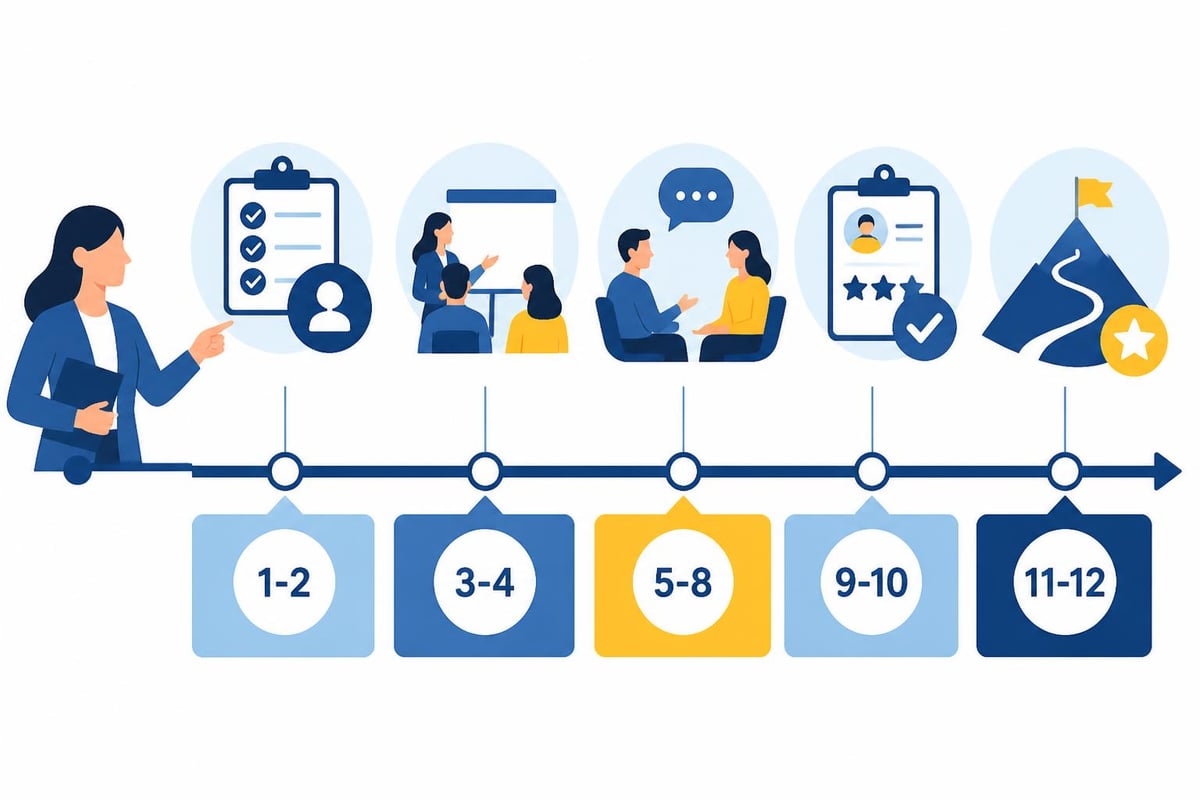
Effective new manager training extends beyond initial onboarding into ongoing development. A robust programme typically includes:
Phase One: Pre-Transition Preparation (Weeks Before Promotion)
- Shadow current managers to understand daily realities
- Complete self-assessment tools identifying development areas
- Review role expectations and performance criteria
- Begin foundational reading and online learning modules
Phase Two: Intensive Onboarding (First 90 Days)
- Core skills workshops covering essential management competencies
- Regular coaching sessions addressing immediate challenges
- Peer learning groups facilitating shared problem-solving
- Structured check-ins with mentors and senior leaders
Phase Three: Continued Development (Months 4-12)
- Advanced skills training in specialised areas
- Cross-functional projects building broader perspective
- Leadership skills training programmes focusing on strategic thinking
- Regular performance reviews tracking progress against development goals
Selecting Training Delivery Methods
Modern new manager training leverages multiple delivery formats to accommodate different learning styles and organisational constraints. Forbes identifies several effective approaches, including mentorship programmes, practical simulations, and continuous feedback mechanisms.
Consider blending:
- Instructor-led workshops for interactive skill building and immediate feedback
- Virtual training sessions enabling participation across geographic locations
- Microlearning modules delivering focused content in digestible formats
- Coaching relationships providing personalised guidance and accountability
- Action learning projects applying new skills to real business challenges
Key Skills Every New Manager Must Master
Whilst comprehensive new manager training covers numerous competencies, certain skills prove particularly critical during the transition period. Research on essential new manager skills highlights capabilities that differentiate successful managers from those who struggle.
Strategic Thinking and Decision-Making
New managers must elevate their perspective from task completion to strategic contribution. This shift requires understanding how team activities connect to broader organisational objectives, anticipating future challenges, and making decisions that balance short-term pressures with long-term goals.
Training should help new managers develop frameworks for:
- Analysing complex situations from multiple perspectives
- Weighing trade-offs between competing priorities
- Making timely decisions with incomplete information
- Communicating the rationale behind strategic choices
Conflict Resolution and Difficult Conversations
Avoiding conflict represents one of the most common mistakes new managers make. However, unaddressed tensions escalate into larger problems that undermine team effectiveness. New manager training must build confidence and competence in addressing interpersonal challenges directly yet compassionately.
Effective programmes teach managers to:
- Recognise early warning signs of brewing conflicts
- Create safe spaces for open dialogue
- Facilitate discussions that address root causes rather than symptoms
- Reach resolutions that preserve relationships and dignity
- Follow through on commitments made during difficult conversations
Team Building and Motivation
Creating cohesive, high-performing teams requires more than assigning tasks and monitoring progress. New managers must learn to cultivate environments where team members feel valued, challenged, and connected to meaningful work.
| Motivation Strategy | Implementation Approach | Expected Outcome |
|---|---|---|
| Recognition | Regular acknowledgment of contributions | Increased engagement and morale |
| Development Opportunities | Stretch assignments and learning experiences | Enhanced skills and retention |
| Autonomy | Empowering decision-making within clear boundaries | Greater ownership and innovation |
| Purpose Connection | Linking daily work to organisational mission | Improved commitment and performance |
Training on motivating employees effectively helps new managers understand intrinsic versus extrinsic motivators and tailor approaches to individual team members.
Measuring Training Effectiveness and ROI
Investing in new manager training requires demonstrating tangible returns. Organisations should establish clear metrics for evaluating programme impact, both immediately following training and throughout the first year of management.
Quantitative Performance Indicators
Track measurable outcomes that indicate training effectiveness:
- Team productivity metrics comparing performance before and after manager training
- Employee retention rates within teams led by trained versus untrained managers
- 360-degree feedback scores measuring management competency improvements
- Time to productivity for new managers reaching full effectiveness
- Promotion readiness of managers advancing to senior leadership roles
Qualitative Success Measures
Numbers alone cannot capture the full value of effective new manager training. Gather qualitative feedback through:
- Structured interviews with new managers exploring confidence levels and perceived preparedness
- Team member surveys assessing management effectiveness and satisfaction
- Senior leader observations noting changes in strategic thinking and decision quality
- Case studies documenting specific situations where training directly influenced positive outcomes
Best practices for training new managers emphasise continuous assessment and programme refinement based on these metrics.
Common Pitfalls to Avoid
Even well-intentioned new manager training programmes can fall short when organisations make predictable mistakes. Understanding these pitfalls enables proactive course correction.
Treating Training as a One-Time Event
Management development represents a continuous journey, not a destination. Organisations that provide initial training without ongoing support often see skills atrophy and managers revert to problematic behaviours.
Neglecting Practical Application
Theory divorced from practice creates managers who understand concepts but cannot implement them effectively. Build in structured opportunities for new managers to practise skills in safe environments before applying them to high-stakes situations.
Ignoring Organisational Context
Generic management training that fails to address company-specific culture, systems, and challenges leaves new managers struggling to translate learning into action. Customised programmes delivered by experienced trainers who understand your organisation prove far more effective.
Overwhelming New Managers
Attempting to cover every possible management competency in compressed timeframes creates cognitive overload. Prioritise essential skills for immediate success whilst creating pathways for ongoing development.
Building Support Systems Beyond Formal Training
New manager training provides the foundation, but surrounding structures determine whether learning translates into sustained behavioural change. Organisations serious about management development invest in complementary support mechanisms.
Mentorship and Coaching Relationships
Pairing new managers with experienced leaders creates invaluable learning opportunities. Mentors provide perspective on navigating organisational politics, making difficult decisions, and balancing competing demands. Regular coaching conversations enable new managers to reflect on experiences, identify patterns, and develop personalised strategies for improvement.
Peer Learning Communities
New managers benefit tremendously from connecting with others experiencing similar transitions. Facilitated peer learning groups create spaces for sharing challenges, brainstorming solutions, and normalising the inevitable struggles that accompany new responsibilities. These communities often evolve into lasting professional networks that support career-long development.
Resource Libraries and Tools
Provide new managers with curated resources supporting continuous learning:
- Management frameworks and decision-making tools
- Templates for common tasks like performance reviews and meeting agendas
- Reading lists covering essential leadership topics
- Access to professional development courses addressing specialised needs
- Internal case studies illustrating successful management approaches
Adapting Training for Different Management Levels
Not all management roles require identical preparation. Effective new manager training differentiates between first-line supervisors managing individual contributors, middle managers leading other managers, and senior leaders setting strategic direction.
First-Line Manager Training focuses heavily on operational skills: delegation, feedback delivery, performance management, and team coordination. These managers need practical tools for daily situations and confidence in handling common challenges.
Middle Manager Development emphasises strategic thinking, cross-functional collaboration, change management, and developing other leaders. Training must address the unique challenge of managing through others whilst maintaining individual contributor relationships.
Senior Leadership Preparation concentrates on vision-setting, organisational culture, stakeholder management, and long-term strategic planning. These programmes often include executive coaching and exposure to board-level decision-making.
Investing in comprehensive new manager training represents one of the highest-return development initiatives organisations can undertake, directly impacting team performance, employee retention, and long-term leadership pipeline strength. By combining structured skill development with ongoing support systems, companies create confident, capable managers who drive results whilst developing their people. My Training Network specialises in delivering customised, instructor-led management training across Canada and virtually worldwide, offering over 150 courses designed to transform emerging leaders into exceptional managers who inspire their teams and achieve measurable business outcomes.

