

Non profit organisations face unique challenges that distinguish them from their corporate counterparts. Limited budgets, volunteer management complexities, donor relationship maintenance, and mission-driven objectives require specialised knowledge and continuous professional development. Non profit training programs address these specific needs by equipping staff, volunteers, and board members with the skills necessary to maximise impact whilst operating efficiently. In 2026, as charitable organisations navigate economic uncertainty and increased competition for donor funding, investing in comprehensive training has become not just beneficial but essential for sustainability and growth.
Understanding the Unique Training Needs of Non Profit Organisations
Non profit organisations operate within a distinct ecosystem that demands specialised competencies beyond general business skills. Staff members often wear multiple hats, volunteers require structured onboarding and development, and leadership teams must balance mission fulfilment with financial sustainability.
The challenges facing charitable organisations in Canada and globally have intensified significantly. Donor expectations have evolved, requiring greater transparency and measurable outcomes. Regulatory compliance has become more complex, particularly around charitable status maintenance and financial reporting. Technology adoption, whilst offering tremendous opportunities, requires training investments that many organisations struggle to prioritise.
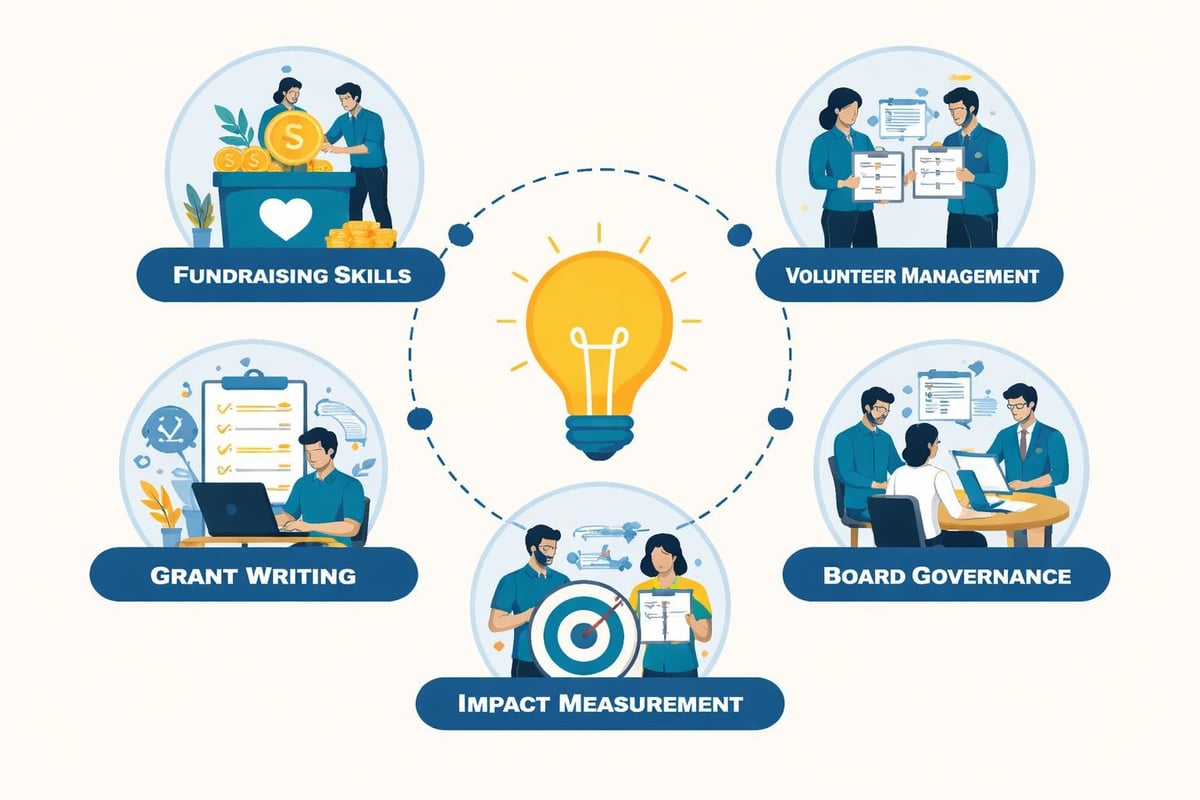
Core competency areas typically addressed in non profit training programs include:
- Fundraising and donor relationship management
- Grant writing and proposal development
- Volunteer recruitment, training, and retention
- Board governance and fiduciary responsibility
- Programme evaluation and impact measurement
- Financial management and budget oversight
- Marketing and communications for mission-driven organisations
- Strategic planning and organisational development
Non profit training programs must acknowledge the resource constraints inherent to the sector. Many charitable organisations cannot afford to send entire teams to multi-day conferences or expensive certification programmes. This reality has driven innovation in delivery methods, with organisations like NonprofitReady.org offering free online resources that address fundamental skill gaps without financial barriers.
Customising Training Solutions for Different Organisational Sizes
A community-based organisation with three staff members faces entirely different training needs than a national charity employing hundreds. Small non profits typically require generalist training that helps individuals manage multiple responsibilities effectively. Leadership development in these contexts often focuses on founder syndrome, succession planning, and building sustainable infrastructure beyond a single charismatic leader.
Mid-sized organisations benefit from specialised functional training that allows team members to develop deeper expertise in specific areas. These organisations can support dedicated roles in fundraising, programme management, and communications, making advanced training in these disciplines worthwhile investments.
Large non profit organisations frequently require enterprise-level training solutions comparable to corporate programmes, including leadership academies, management development tracks, and technical certification pathways.
Leadership Development as a Foundation for Non Profit Success
Leadership quality directly correlates with organisational effectiveness in the charitable sector. Non profit training programs focused on leadership development address both traditional management competencies and sector-specific challenges that executive directors, programme managers, and board members encounter.
Effective non profit leaders must balance competing priorities: delivering on mission whilst maintaining financial sustainability, empowering staff whilst ensuring accountability, and pursuing growth whilst preserving organisational culture. The Nonprofit Leadership Academy at Indiana University exemplifies comprehensive approaches to building these multifaceted capabilities through structured, long-term development programmes.
Essential Leadership Competencies for Non Profit Executives
| Leadership Area | Key Skills | Training Focus |
|---|---|---|
| Strategic Thinking | Vision development, environmental scanning, scenario planning | Long-term organisational positioning and sustainability |
| Financial Stewardship | Budget management, financial reporting, risk assessment | Ensuring resources align with mission priorities |
| Stakeholder Engagement | Board relations, donor communications, community partnerships | Building and maintaining critical relationships |
| Team Development | Coaching, performance management, succession planning | Creating high-performing, mission-driven teams |
Leadership training for non profits must also address the emotional and psychological dimensions of working in mission-driven environments. Burnout rates in the charitable sector consistently exceed those in corporate settings, making resilience, emotional intelligence, and self-care essential leadership competencies. Courses such as managing emotions at work provide frameworks for leaders to maintain effectiveness whilst navigating the emotional demands inherent to social impact work.
Emerging leaders in non profit organisations particularly benefit from structured development pathways. Many talented programme staff possess deep subject matter expertise but lack formal management training. Non profit training programs designed for this transition phase address delegation, difficult conversations, performance feedback, and strategic thinking-skills rarely required in direct service roles but essential for leadership positions.
Volunteer Management and Engagement Training
Volunteers represent both tremendous assets and significant management challenges for charitable organisations. Effective volunteer programmes require sophisticated recruitment, training, supervision, and recognition systems that many non profits struggle to implement without proper guidance.
Non profit training programs addressing volunteer management equip staff with frameworks for designing meaningful volunteer roles, creating effective onboarding experiences, and maintaining engagement over time. These programmes recognise that volunteers have diverse motivations, availability constraints, and skill levels requiring differentiated management approaches.
Critical elements of volunteer management training include:
- Needs assessment and role design – Identifying genuine organisational needs and creating volunteer positions that deliver value whilst providing meaningful experiences
- Recruitment and screening – Developing targeted recruitment strategies and appropriate vetting processes that balance risk management with accessibility
- Orientation and training – Creating structured onboarding that communicates mission, clarifies expectations, and builds necessary competencies
- Supervision and support – Implementing oversight systems that ensure quality whilst respecting volunteers' contributed time
- Recognition and retention – Designing appreciation strategies that acknowledge contributions and encourage sustained involvement
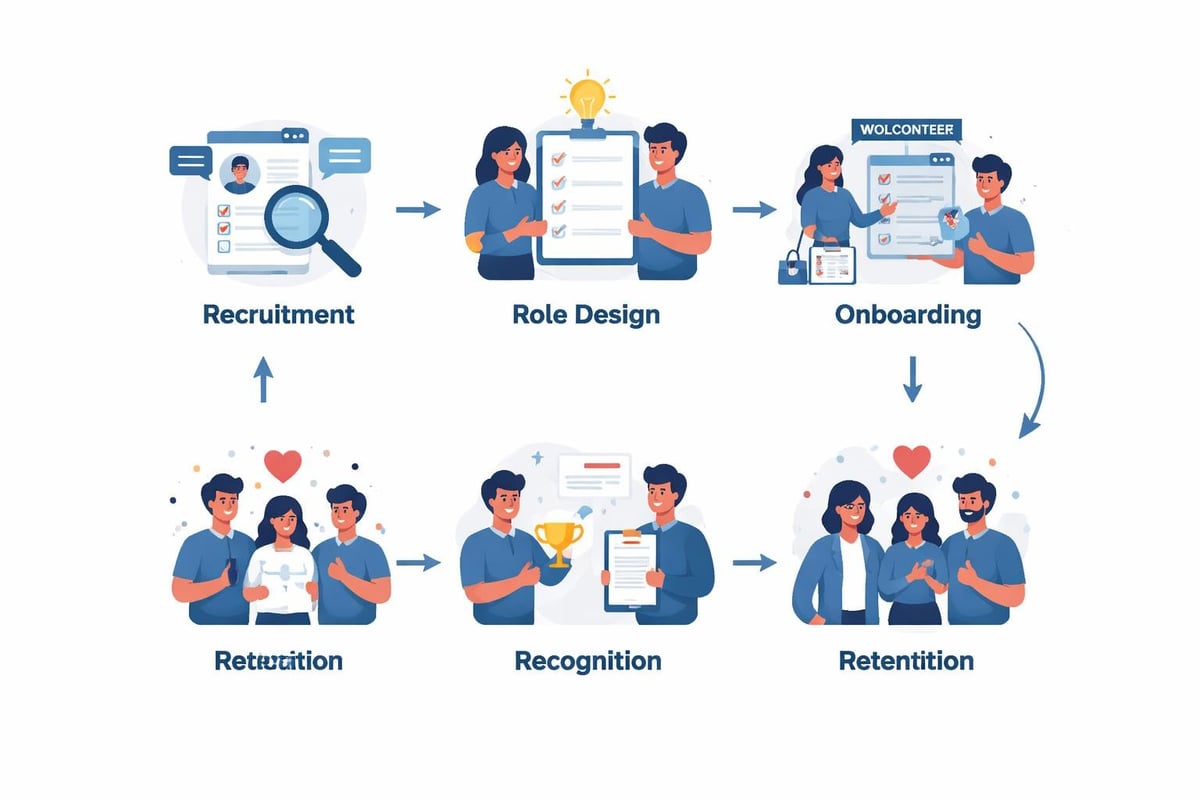
The Nonprofit Learning Lab offers specialised resources for volunteer programme development, recognising this area as critical infrastructure for many charitable organisations. Training in this domain helps organisations shift from ad hoc volunteer utilisation to strategic volunteer engagement that amplifies organisational capacity.
Building Cross-Generational Volunteer Teams
Contemporary volunteer programmes must engage multiple generations simultaneously, each with distinct preferences and expectations. Baby Boomers often seek substantial time commitments and leadership roles. Generation X volunteers typically prefer flexible, project-based opportunities that accommodate family and career obligations. Millennials and Generation Z increasingly expect skill-building opportunities, social connections, and clear impact measurement from their volunteer experiences.
Non profit training programs addressing this complexity help organisations design volunteer opportunities that appeal across generational divides whilst maintaining programme coherence and quality standards.
Fundraising and Development Competencies
Financial sustainability remains the paramount challenge for most charitable organisations, making fundraising competency essential across multiple organisational roles. Non profit training programs in development address both foundational fundraising principles and advanced techniques for major gifts, corporate partnerships, and planned giving.
Effective fundraising training recognises that relationship building, storytelling, and impact communication matter more than transaction-focused solicitation techniques. Staff members learn to articulate organisational value propositions compellingly, identify and cultivate potential donors strategically, and steward relationships that result in sustained support rather than one-time contributions.
Grant writing represents a specialised fundraising competency requiring dedicated training. The Grantsmanship Center has long provided resources for organisations seeking to strengthen proposal development and grant management capabilities. These skills extend beyond writing, encompassing funder research, budget development, programme design, and compliance reporting.
Diversified Revenue Strategy Development
Overreliance on single funding sources creates organisational vulnerability. Non profit training programs increasingly address revenue diversification strategies including:
- Individual donor cultivation and major gift programmes
- Corporate sponsorship and cause marketing partnerships
- Earned revenue through fee-for-service programmes
- Planned giving and endowment development
- Government grants and contracts
- Special events and peer-to-peer fundraising
- Online fundraising and digital campaigns
Training helps organisations assess which revenue streams align with their mission, capacity, and market position, then develop implementation roadmaps that build diversified funding portfolios over time.
Board Development and Governance Training
Non profit boards hold unique legal responsibilities and strategic roles that require specific training for effective performance. Many board members join charitable organisations with tremendous goodwill but limited understanding of governance responsibilities, creating potential liability and undermining organisational effectiveness.
Non profit training programs for board members address fiduciary duties, strategic oversight versus operational management, financial literacy for non-financial board members, and effective board meeting facilitation. These programmes help trustees understand their legal obligations whilst empowering them to provide strategic value beyond compliance.
Effective board training covers:
| Governance Area | Training Content | Desired Outcomes |
|---|---|---|
| Legal Duties | Duty of care, duty of loyalty, duty of obedience | Understanding fiduciary responsibilities and liability |
| Financial Oversight | Financial statement interpretation, audit processes, investment policies | Confident financial stewardship and risk management |
| Strategic Leadership | Strategic planning, CEO evaluation, succession planning | Board functioning at strategic rather than operational level |
| Fundraising Role | Personal giving expectations, donor cultivation, ambassador responsibilities | Active board engagement in resource development |
The Center for Nonprofit Advancement’s Training Hub provides resources specifically designed for board development, recognising that trustee effectiveness significantly impacts organisational performance. Board training investments yield returns through improved governance, enhanced fundraising, and reduced organisational risk.
Addressing Board Dynamics and Effectiveness
Beyond formal responsibilities, board effectiveness depends on group dynamics, clear role definitions, and productive CEO-board relationships. Non profit training programs addressing these dimensions help organisations diagnose dysfunction, implement structural improvements, and build board cultures characterised by engagement, accountability, and strategic contribution.
Skills-Based Training for Programme Delivery Excellence
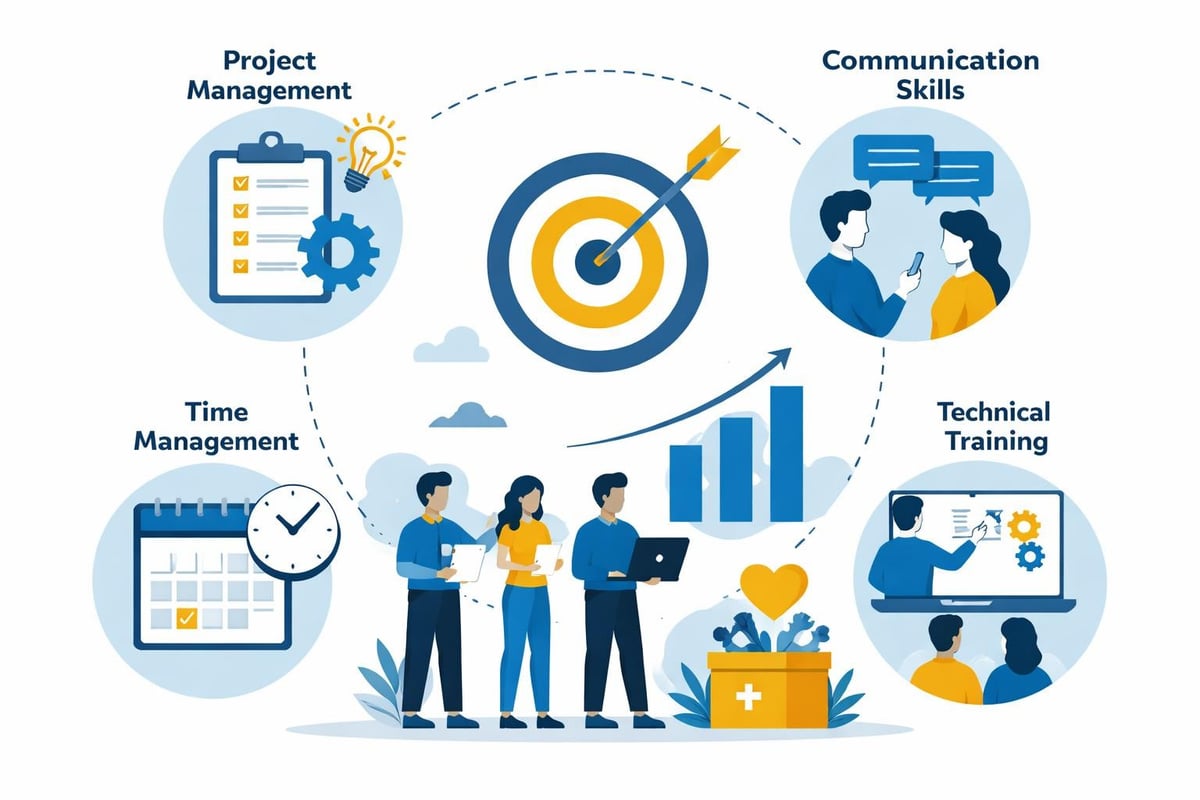
Non profit organisations delivering direct services require staff competencies comparable to their for-profit counterparts whilst operating with fewer resources. Skills-based non profit training programs in project management, communication, time management, and technical disciplines strengthen programme delivery capabilities.
Project management training proves particularly valuable for non profits implementing grant-funded initiatives with specific deliverables, timelines, and reporting requirements. Courses such as essential project management skills provide frameworks for planning, executing, and monitoring projects effectively-competencies that ensure grant compliance whilst maximising programme impact.
Communication skills represent another critical training domain. Non profit staff must communicate effectively with diverse stakeholders including clients, donors, volunteers, board members, and community partners. Training in clear workplace communication and business writing skills enhances organisational professionalism and stakeholder engagement.
Time Management and Productivity in Resource-Constrained Environments
Non profit staff consistently report working beyond capacity, managing multiple priorities with insufficient time and resources. Training in effective time management skills helps individuals prioritise effectively, eliminate time-wasting activities, and protect capacity for strategic work rather than perpetual crisis management.
Productivity training for non profits must acknowledge sector realities. Unlike corporate environments where efficiency improvements might reduce staffing, non profit productivity gains typically redirect capacity toward expanded services or enhanced quality rather than workforce reduction-a distinction that influences how training content frames efficiency improvements.
Technology and Digital Competency Development
Digital transformation has fundamentally altered how non profit organisations operate, communicate, and deliver services. Non profit training programs addressing technology adoption help organisations leverage digital tools for fundraising, programme delivery, volunteer management, and impact measurement without requiring extensive IT infrastructure.
Constituent relationship management (CRM) systems, email marketing platforms, social media channels, and video conferencing technologies offer tremendous capabilities but only deliver value when staff possess competencies to utilise them effectively. Training investments ensure technology adoption translates to organisational capacity rather than expensive unused software licences.
Emerging technologies including artificial intelligence present both opportunities and challenges for the charitable sector. Courses such as responsible AI use in the workplace help non profits navigate ethical considerations whilst exploring efficiency gains through automation and data analysis.
Data Literacy and Impact Measurement
Funders increasingly demand quantitative evidence of programme effectiveness, requiring non profit staff to develop data collection, analysis, and reporting competencies. Training in impact measurement helps organisations move beyond anecdotal success stories to rigorous evaluation frameworks that demonstrate outcomes and inform continuous improvement.
Data literacy training also supports better strategic decision-making. Organisations that can analyse donor retention patterns, programme utilisation trends, and volunteer engagement metrics make more informed resource allocation decisions than those relying solely on intuition and tradition.
Diversity, Equity, and Inclusion Training for Non Profits
Non profit organisations often serve diverse communities and must ensure their internal cultures, policies, and practices reflect equity principles. Non profit training programs addressing diversity, equity, and inclusion (DEI) help organisations examine structural barriers, implement inclusive practices, and build cultures where all stakeholders feel valued and empowered.
DEI training for non profits extends beyond generic workplace sensitivity to address sector-specific considerations including equitable service delivery, inclusive volunteer recruitment, diverse board composition, and culturally responsive programme design. Training such as indigenous cultural awareness at work provides frameworks for organisations serving or working alongside specific communities.
Comprehensive DEI training addresses:
- Unconscious bias recognition and mitigation
- Inclusive communication and language
- Accessibility in programme design and delivery
- Diverse hiring, promotion, and leadership development
- Culturally responsive service provision
- Equity-focused resource allocation
- Community accountability and power sharing
Organisations committed to authentic DEI transformation recognise that one-time training workshops prove insufficient. Sustained change requires ongoing learning, policy revision, accountability mechanisms, and willingness to redistribute power-investments that distinguish genuine commitment from performative gestures.
Implementing Effective Non Profit Training Programs
Designing and delivering effective non profit training programs requires understanding adult learning principles, addressing resource constraints, and ensuring training translates to workplace application rather than remaining theoretical knowledge.
Successful implementation typically involves needs assessment to identify genuine skill gaps rather than assumed deficiencies, learning objectives that specify measurable outcomes, delivery methods appropriate to learner preferences and organisational constraints, and evaluation mechanisms that assess both learning and application.
Delivery method considerations include:
- In-person workshops – Offer interaction, networking, and hands-on practice but require travel time and costs
- Virtual instructor-led training – Provides expert facilitation and real-time interaction whilst eliminating travel barriers
- Self-paced online courses – Deliver maximum flexibility and scalability but require strong self-direction
- Blended learning – Combines online content with live facilitation, balancing flexibility with interaction
- Peer learning circles – Leverage collective knowledge whilst building supportive professional networks
- Coaching and mentoring – Provide personalised guidance for leadership development and complex challenges
Organisations can explore the full catalogue of available courses to identify training solutions aligned with their specific development priorities and delivery preferences.
Measuring Training Impact and Return on Investment
Training investments must demonstrate value, particularly for resource-constrained non profits. Effective evaluation moves beyond participant satisfaction to assess knowledge acquisition, behaviour change, and organisational impact.
The Kirkpatrick Model provides a useful framework for non profit training programs evaluation:
- Level 1: Reaction – Did participants find the training valuable and relevant?
- Level 2: Learning – Did participants acquire intended knowledge and skills?
- Level 3: Behaviour – Are participants applying learning in their work?
- Level 4: Results – Has training contributed to organisational outcomes?
Organisations that systematically evaluate training effectiveness make more informed development investments, justify training budgets to boards and funders, and continuously improve their professional development strategies.
Building Training Cultures in Non Profit Organisations
Individual training interventions deliver limited impact without organisational cultures that value continuous learning. Building training cultures requires leadership commitment, resource allocation, systems for knowledge sharing, and norms that frame professional development as essential rather than discretionary.
Leading non profit organisations incorporate professional development into performance management systems, setting learning goals alongside operational objectives. They create communities of practice where staff share knowledge and learn from collective experience. They implement succession planning processes that identify future leaders and provide developmental opportunities preparing them for advancement.
Budget allocation sends powerful cultural messages. Organisations that consistently invest meaningful percentages of operating budgets in staff development-even during financial challenges-communicate that people development matters as much as programme delivery. This commitment attracts talented staff, reduces turnover, and builds organisational capacity over time.
External training providers like My Training Network offer particularly valuable resources for smaller non profits lacking internal training capacity, delivering expert-facilitated programmes that would be impractical to develop independently whilst providing exposure to practices and perspectives beyond individual organisations.
Non profit training programs represent strategic investments that strengthen organisational capacity, enhance service delivery, and improve sustainability across the charitable sector. By prioritising leadership development, functional competencies, and organisational culture alongside programme activities, non profits position themselves for greater impact and longevity. My Training Network specialises in delivering customised, instructor-led training designed specifically for organisations seeking to develop their teams' capabilities, offering over 150 courses that address the diverse professional development needs of Canadian non profits and beyond. Explore how My Training Network can support your organisation's growth and mission delivery through high-impact professional development solutions.

