

Effective communication stands as one of the most valuable competencies in modern business environments. Whether delivering quarterly results to stakeholders, pitching new ideas to clients, or leading team meetings, the ability to present information clearly and persuasively directly impacts organizational success. Yet many professionals struggle with presentation anxiety, poor structure, or ineffective delivery techniques that undermine their message. Investing in comprehensive training programmes transforms these weaknesses into competitive advantages, equipping teams with the tools to communicate with confidence and impact.
Why Presentation Skills Matter in Today's Workplace
Strong presentation abilities create measurable business value across every organizational level. Sales professionals who communicate product benefits effectively close more deals. Leaders who articulate strategic vision clearly inspire teams to execute. Technical specialists who translate complex information into accessible insights enable better decision-making.
Beyond immediate outcomes, polished presenters build credibility and professional reputation. Colleagues and clients associate articulate communication with competence, leadership potential, and reliability. This perception opens doors to advancement opportunities and strengthens professional networks.
The consequences of poor presentation skills extend throughout organizations:
- Lost sales opportunities due to unconvincing pitches
- Reduced stakeholder confidence from unclear financial reporting
- Decreased team engagement during unfocused meetings
- Missed career advancement for talented professionals who cannot showcase their work
- Weakened client relationships stemming from ineffective communication
Organizations that prioritize developing these capabilities gain competitive advantages in markets where clear communication differentiates winners from also-rans.
Core Components of Effective Presentation Skills Training
Comprehensive programmes address multiple dimensions of presentation excellence. Surface-level training focused solely on slide design or delivery techniques fails to build lasting capabilities. Instead, effective presentation skills training integrates structural, technical, and psychological elements.
Content Development and Structure
The foundation of any compelling presentation lies in its organization. Professional trainers teach participants frameworks for structuring information that audiences can follow and remember. The classic introduction-body-conclusion format works for simple messages, but complex topics require more sophisticated approaches.
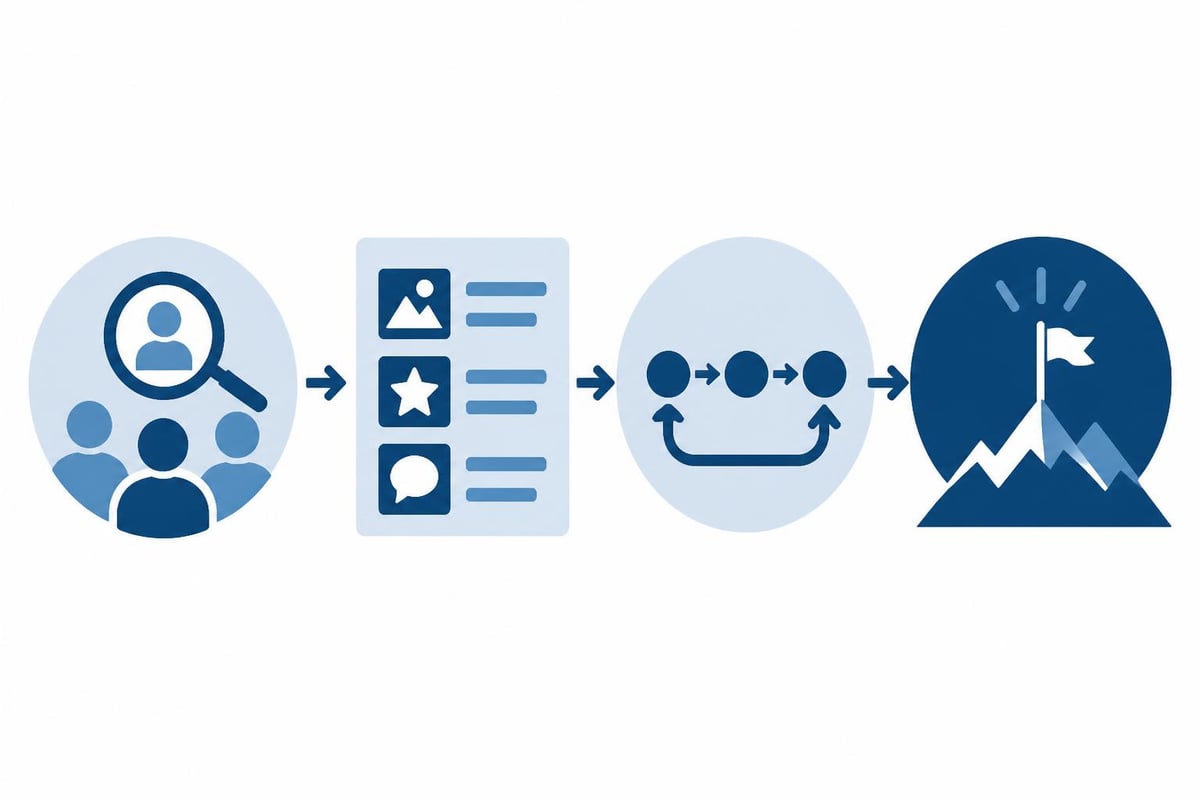
Skilled presenters begin by defining clear objectives. What should audiences know, feel, or do after the presentation? This clarity drives every subsequent decision about content inclusion and emphasis. Developing presentation skills requires understanding how to sequence information for maximum comprehension and retention.
Effective structure includes:
- Opening hooks that capture attention and establish relevance
- Clear signposting that helps audiences navigate content
- Logical transitions connecting ideas smoothly
- Supporting evidence that reinforces key messages
- Memorable conclusions that drive action or reinforce learning
Training participants learn to eliminate tangential information and focus ruthlessly on what serves their objectives. This discipline creates presentations that respect audience time whilst delivering maximum value.
Visual Design and Multimedia Integration
Slides should enhance spoken messages rather than compete with them. Unfortunately, many presenters treat presentations as document substitutes, cramming slides with dense text that audiences must read rather than hear. Professional training corrects these habits through evidence-based design principles.
Effective visual aids follow the "less is more" philosophy. Each slide should convey one primary idea supported by minimal text, relevant images, or clear data visualizations. St. Louis Community College’s presentation skills guide offers practical guidance on creating slides that support rather than distract from verbal delivery.
| Design Element | Best Practice | Common Mistake |
|---|---|---|
| Text Volume | 6-8 words per line, 6 lines maximum | Dense paragraphs requiring reading |
| Font Size | Minimum 24pt for body text | Small text invisible to back rows |
| Colour Contrast | High contrast for readability | Low contrast causing eye strain |
| Images | High-quality, relevant visuals | Generic stock photos or clip art |
| Animation | Minimal, purposeful transitions | Distracting effects and movements |
Training programmes teach participants to create visual hierarchies that guide attention naturally. Bold headings, strategic white space, and consistent formatting help audiences process information effortlessly whilst maintaining focus on the speaker.
Delivery Techniques and Body Language
Content excellence means nothing if delivery undermines credibility. Voice control, physical presence, and non-verbal communication dramatically influence how audiences receive messages. Research examining the impact of oratory skills on presentation success demonstrates that body language, facial expressions, and vocal features significantly affect audience engagement and message retention.
Professional presentation skills training addresses common delivery challenges through practical exercises and constructive feedback. Participants learn to project voices confidently, maintain appropriate eye contact, and use gestures purposefully rather than nervously.
Key delivery elements include:
- Vocal variety: Modulating pace, pitch, and volume to maintain interest
- Pausing: Using strategic silence for emphasis and processing time
- Posture: Standing confidently with open body language
- Movement: Moving purposefully rather than pacing anxiously
- Eye contact: Engaging individuals throughout the audience
- Gesture: Reinforcing messages through natural hand movements
Many professionals benefit from video recording practice sessions to identify unconscious habits like filler words ("um," "like," "basically"), repetitive gestures, or nervous movements. Seeing themselves from the audience perspective accelerates improvement and builds self-awareness.
Addressing Presentation Anxiety and Building Confidence
Fear of public speaking ranks among humanity's most common anxieties. Even experienced professionals sometimes experience nervousness before important presentations. Rather than viewing anxiety as weakness, effective training reframes it as natural energy that can be channelled productively.
Programmes incorporate psychological techniques alongside skill development. Participants learn breathing exercises to manage physical symptoms of nervousness, cognitive strategies to challenge negative self-talk, and preparation routines that build confidence through thorough rehearsal.
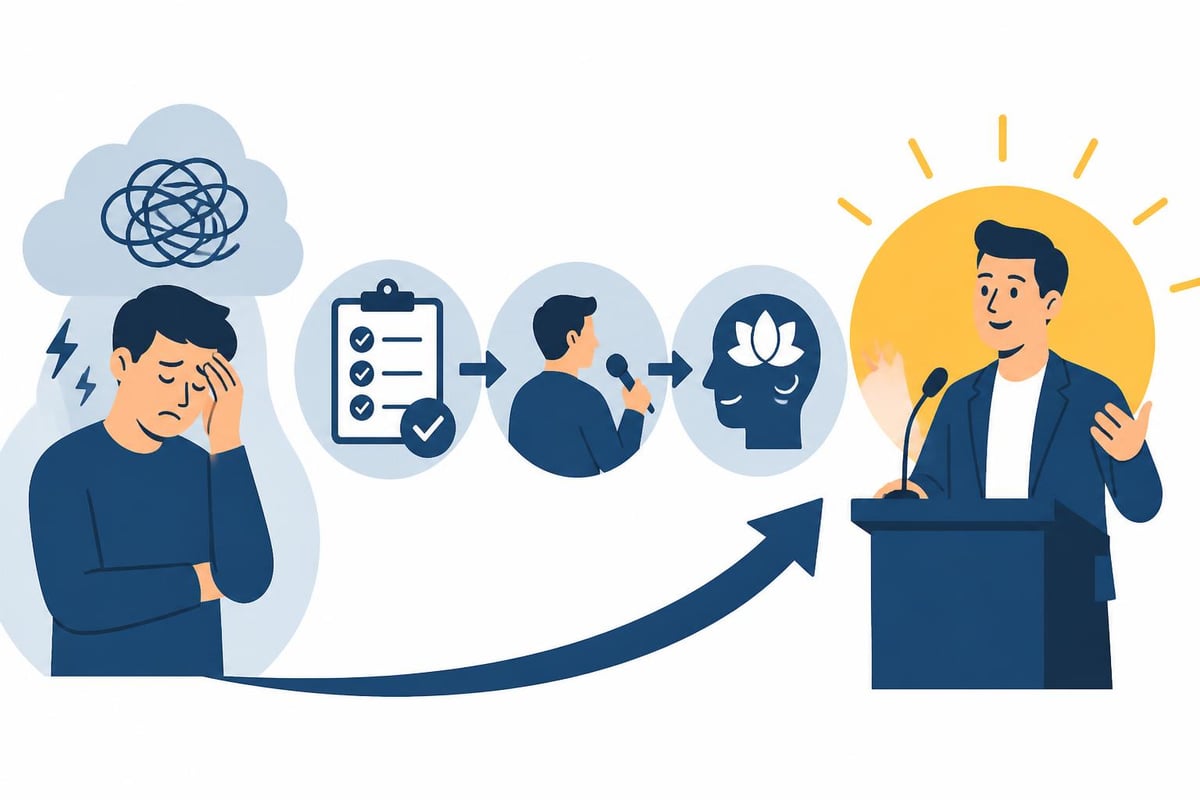
Resources from Purdue University emphasize overcoming speech anxiety through systematic desensitization and improved vocal delivery techniques. Repeated practice in supportive environments gradually reduces fear responses whilst building competence.
Virtual reality technologies now offer innovative approaches to anxiety management. Research on VR-assisted public speaking training shows promise in helping individuals practice presentations in simulated realistic scenarios without the pressure of live audiences. This technology allows unlimited rehearsal opportunities and gradual exposure to increasingly challenging presentation contexts.
Preparation and Rehearsal Strategies
Confidence stems primarily from thorough preparation. Training teaches systematic approaches to rehearsal that build competence and reduce anxiety. The most effective presenters invest significant time practising delivery, not just creating slides.
Effective rehearsal includes:
- Solo practice to internalize content and refine transitions
- Timed run-throughs to ensure appropriate pacing
- Feedback sessions with colleagues or trainers
- Equipment testing to prevent technical difficulties
- Question anticipation to prepare for audience interactions
Many professionals make the mistake of over-rehearsing to the point of sounding robotic. Training helps participants find the balance between preparation and natural spontaneity that keeps presentations fresh whilst maintaining structure.
Tailoring Presentations to Different Audiences and Contexts
One-size-fits-all approaches rarely succeed in presentation contexts. Effective communicators adapt content, style, and delivery to specific audience needs and situational requirements. Professional training develops this crucial flexibility through exposure to diverse presentation scenarios.
Technical specialists often struggle to translate complex information for non-expert audiences. Sales professionals must adjust pitches based on client sophistication and buying stage. Leaders need different approaches for motivating teams versus reporting to boards.
Audience Analysis and Adaptation
Before creating any presentation, skilled communicators gather intelligence about their audiences. What knowledge do they already possess? What motivates their interest in this topic? What objections or concerns might they raise? What outcomes do they hope to achieve from this interaction?
| Audience Factor | Analysis Questions | Adaptation Strategy |
|---|---|---|
| Knowledge Level | How familiar are they with this topic? | Adjust technical depth accordingly |
| Motivation | Why do they care about this information? | Emphasize relevant benefits |
| Decision Authority | Can they act on recommendations? | Frame conclusions appropriately |
| Time Constraints | How long can they engage? | Prioritize essential content |
| Cultural Context | What communication norms apply? | Adapt formality and style |
Training programmes incorporate exercises where participants present the same content to different audience types, developing adaptability through practice. This skill proves particularly valuable in organizations serving diverse stakeholder groups.
Specialized Presentation Contexts
Different presentation scenarios demand specific approaches. Conference presentations differ from board updates, which differ from sales pitches, which differ from training sessions. Comprehensive presentation skills training exposes participants to multiple contexts and their unique requirements.
Virtual and Hybrid Presentation Excellence
The shift toward remote and hybrid work models has created new presentation challenges. Engaging audiences through screens requires different techniques than in-person delivery. Camera positioning, lighting quality, background selection, and platform features all influence effectiveness.
Virtual presenters must work harder to maintain engagement without physical presence. Training teaches techniques like frequent interaction prompts, strategic use of chat features, breakout room facilitation, and creating visually dynamic content that compensates for reduced personal connection.
Professional programmes often integrate virtual presentation practice using the same platforms participants will use in their work. This practical experience builds comfort with technology whilst identifying potential technical issues before high-stakes presentations.
Data-Driven Presentations
Financial reporting, research findings, and performance metrics require special treatment. Numbers without context confuse audiences, but excessive detail overwhelms. Training teaches participants to transform raw data into compelling narratives that drive understanding and action.
Effective data presenters use visualization principles to make numbers accessible. Charts and graphs replace tables where possible. Comparisons, trends, and outliers receive emphasis whilst granular details appear in appendices for interested parties. The story behind the numbers takes precedence over exhaustive reporting.
Professional writing skills training complements presentation development by strengthening participants' ability to craft clear, concise supporting documentation that reinforces verbal messages.
Interactive Presentation Techniques and Audience Engagement
Passive listening produces minimal retention and engagement. The most effective presentations incorporate interactive elements that transform audiences from spectators into participants. Training equips professionals with techniques to foster genuine dialogue rather than one-way information transmission.
Engagement strategies include:
- Asking provocative questions that stimulate thinking
- Incorporating brief activities or exercises
- Soliciting audience experiences and perspectives
- Using polling technology for real-time feedback
- Creating scenarios for group discussion
- Facilitating productive debate on controversial points
The key lies in designing interactions that genuinely enhance understanding rather than simply breaking up content delivery. Gratuitous activities waste time and frustrate audiences. Purposeful engagement deepens learning and increases message retention.

Interpersonal communication training strengthens the relational skills necessary for facilitating productive audience interactions. Presenters must read room dynamics, respond to verbal and non-verbal cues, and adjust engagement approaches based on audience receptivity.
Measuring Presentation Effectiveness and Continuous Improvement
Professional development doesn't end when training concludes. The most successful communicators treat presentation skills as capabilities requiring ongoing refinement. Organizations benefit from establishing systems that support continuous improvement beyond initial training investments.
Feedback Collection and Analysis
Constructive feedback accelerates skill development. Training programmes teach participants to solicit and integrate feedback effectively. Post-presentation surveys capture audience perspectives on content clarity, delivery effectiveness, and overall value. Peer reviews from colleagues provide additional insights.
Self-assessment proves equally valuable. Recording presentations enables objective review of delivery elements that feel different from the presenter's perspective than they appear to audiences. Many professionals discover unconscious habits only visible through video review.
Application and Practice Opportunities
Skills atrophy without regular use. Organizations maximize training ROI by creating opportunities for participants to apply new capabilities. Instructor-led training delivered by experienced facilitators provides structured practice environments with expert coaching.
Internal presentation programmes, lunch-and-learn series, or departmental knowledge-sharing sessions give teams low-stakes opportunities to practice whilst delivering organizational value. These platforms normalize presenting and accelerate skill development through repetition.
Advanced practitioners might pursue additional development through specialized programmes. Leadership skills training often incorporates sophisticated presentation elements necessary for executive communication, whilst communication courses address specific aspects like persuasive techniques or crisis communication.
Integration with Broader Communication Capabilities
Presentation skills rarely exist in isolation. The most effective communicators integrate multiple competencies to maximize impact across channels and contexts. Organizations benefit from viewing presentation development as one component of comprehensive communication capability building.
Written communication skills directly support presentation preparation. The ability to craft clear, concise content translates seamlessly from documents to slides and verbal delivery. Business writing courses strengthen participants' capacity to distill complex ideas into accessible language.
Listening skills prove equally crucial, particularly during question-and-answer sessions or interactive presentations. Understanding audience concerns, detecting unstated objections, and responding appropriately requires active listening capabilities developed through specialized training.
Team Presentation Dynamics
Many organizational presentations involve multiple presenters. Seamless handoffs, consistent messaging, and coordinated delivery require team-specific preparation. Training helps groups establish roles, create smooth transitions, and present unified fronts to audiences.
Building high-performing teams incorporates elements of collaborative presentation planning and delivery, recognizing that team presentations reveal underlying dynamics and communication patterns that affect overall performance.
Selecting the Right Presentation Skills Training Programme
Organizations face numerous options when investing in capability development. The most effective programmes combine proven instructional methods with customization addressing specific organizational needs and challenges. Generic off-the-shelf training rarely delivers maximum value compared to tailored approaches.
Evaluation criteria should include:
- Trainer expertise: Demonstrated presentation excellence and teaching capability
- Practical application: Hands-on practice with constructive feedback
- Customization options: Adaptation to industry context and participant needs
- Ongoing support: Resources enabling continued development post-training
- Measurement approach: Clear methods for assessing skill improvement
Organizations benefit from trainers who understand their industry context and can incorporate relevant examples. Generic case studies resonate less effectively than scenarios reflecting participants' actual challenges and opportunities. Expert trainers bring both presentation excellence and pedagogical skills necessary for effective adult learning.
Virtual delivery options expand access whilst reducing logistical complexity. Online courses provide flexibility for distributed teams whilst maintaining interaction quality through skilled facilitation and appropriate technology integration.
Developing exceptional presentation capabilities transforms professional effectiveness across every organizational function and career level. The skills learned through structured training programmes compound over time, delivering increasing value as participants tackle more sophisticated communication challenges. Whether your team needs foundational skill building or advanced executive communication development, My Training Network offers customizable instructor-led programmes delivered by expert facilitators across Canada and virtually worldwide. Our comprehensive approach combines proven methodologies with practical application, ensuring your investment translates into measurable performance improvements.

