

Alberta's dynamic business landscape demands skilled project managers who can navigate complex deliverables, tight timelines, and evolving stakeholder expectations. Whether you're in Calgary's energy sector, Edmonton's technology hub, or one of the province's growing construction markets, investing in project management training alberta delivers measurable returns through improved project outcomes, reduced costs, and enhanced team performance. Organizations across the province are recognising that structured training programmes transform good managers into exceptional leaders who drive strategic initiatives from conception through completion.
Understanding the Alberta Project Management Training Landscape
The demand for qualified project managers in Alberta has intensified as organizations recover from economic fluctuations and embrace digital transformation. Project management training alberta encompasses various formats, from university certificates to industry-specific workshops, each designed to address unique professional development needs.
Alberta's training ecosystem includes academic institutions, professional associations, and corporate training providers. Universities such as the University of Alberta offer foundational project management skills suitable for professionals transitioning into management roles. These programmes provide theoretical frameworks that underpin effective project execution.
Industry-Specific Training Demands
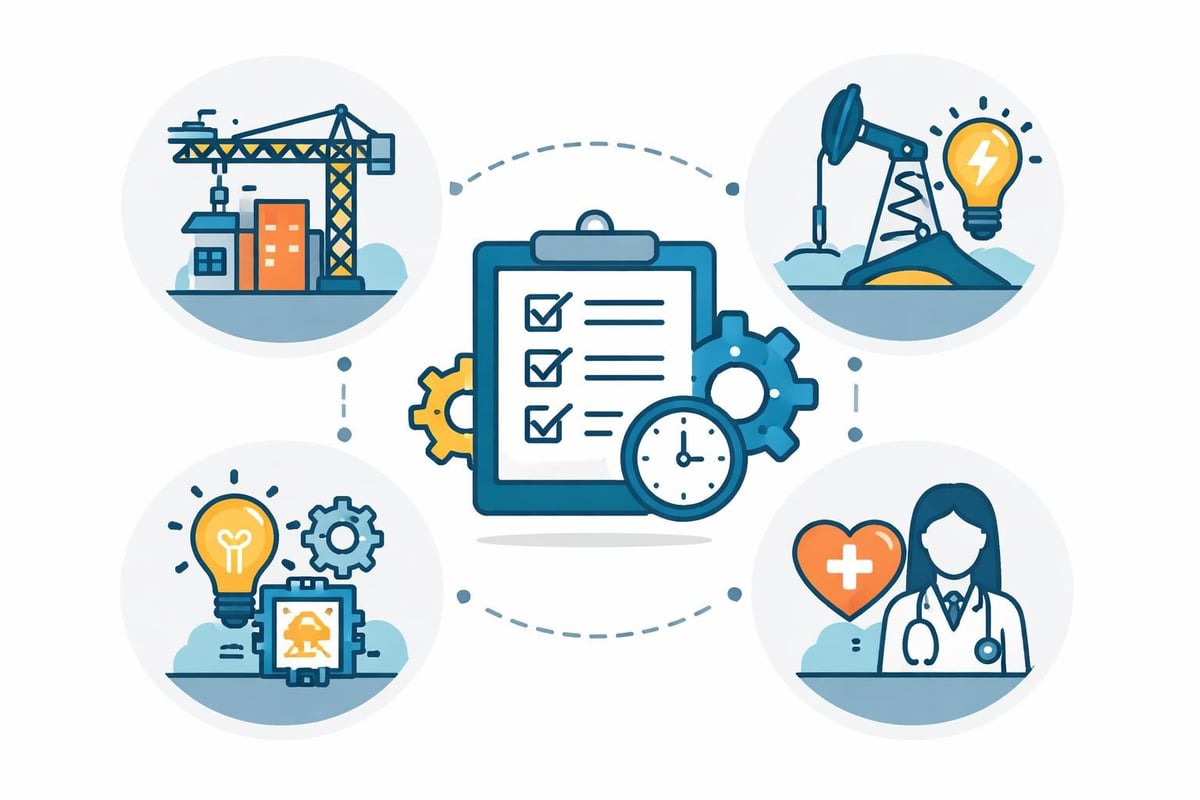
Different sectors require tailored approaches to project management education. Construction professionals face unique challenges managing on-site teams, equipment procurement, and regulatory compliance. The Mechanical Contractors Association of Alberta provides virtual instructor-led courses specifically designed for construction project managers who must balance technical specifications with client expectations.
Energy sector projects demand expertise in risk management, stakeholder engagement, and budget control across multi-year timelines. Technology projects require agile methodologies, rapid iteration, and cross-functional collaboration. Understanding these sector-specific requirements helps organizations select appropriate training pathways.
Certification Pathways and Academic Programmes
Professional certification remains a cornerstone of project management training alberta, offering structured learning paths aligned with global standards. The Project Management Institute's CAPM and PMP designations provide internationally recognised credentials that validate expertise and open career advancement opportunities.
Mount Royal University’s Project Management program develops introductory-level skills based on PMBOK guidelines, creating a foundation for certification pursuit. These academic programmes combine theoretical knowledge with practical application through case studies and project simulations.
Comprehensive Training Series Options
For professionals seeking extensive skill development, comprehensive training series offer structured progression through multiple competency areas. Cornerstone College of Alberta’s Ultimate Project Management Training Series packages nine courses covering planning, execution, monitoring, and control phases.
These multi-course programmes typically address:
- Project initiation and charter development
- Scope definition and work breakdown structures
- Schedule management and critical path analysis
- Budget development and cost control
- Risk identification and mitigation strategies
- Quality assurance and performance metrics
- Stakeholder communication and engagement
- Team leadership and conflict resolution
The sequential nature of comprehensive programmes ensures learners build foundational skills before advancing to complex topics. This scaffolded approach produces confident project managers capable of handling diverse project portfolios.
Corporate Training Solutions for Alberta Organizations
Many Alberta businesses prefer customised corporate training delivered at their facilities or through virtual platforms. This approach allows organizations to address specific operational challenges whilst training entire teams simultaneously, creating shared vocabulary and consistent methodologies across departments.
My Training Network’s instructor-led training brings expert facilitators directly to Alberta organizations, eliminating travel costs and scheduling complexities. Corporate programmes can incorporate real organizational projects as case studies, making training immediately applicable to daily work.
| Training Format | Best For | Key Advantages | Typical Duration |
|---|---|---|---|
| On-site Corporate | Teams of 8+ | Customisation, immediate application | 1-3 days |
| Virtual Instructor-Led | Distributed teams | Flexibility, cost-effectiveness | 2-4 weeks |
| University Certificate | Individual development | Credentials, comprehensive theory | 3-12 months |
| Professional Association | Certification pursuit | Standards alignment, networking | Varies |
Organizations considering corporate training in Calgary should evaluate how different formats align with learning objectives, budget constraints, and operational requirements. The right choice depends on team size, experience levels, and specific competency gaps.
Building Cross-Functional Project Teams
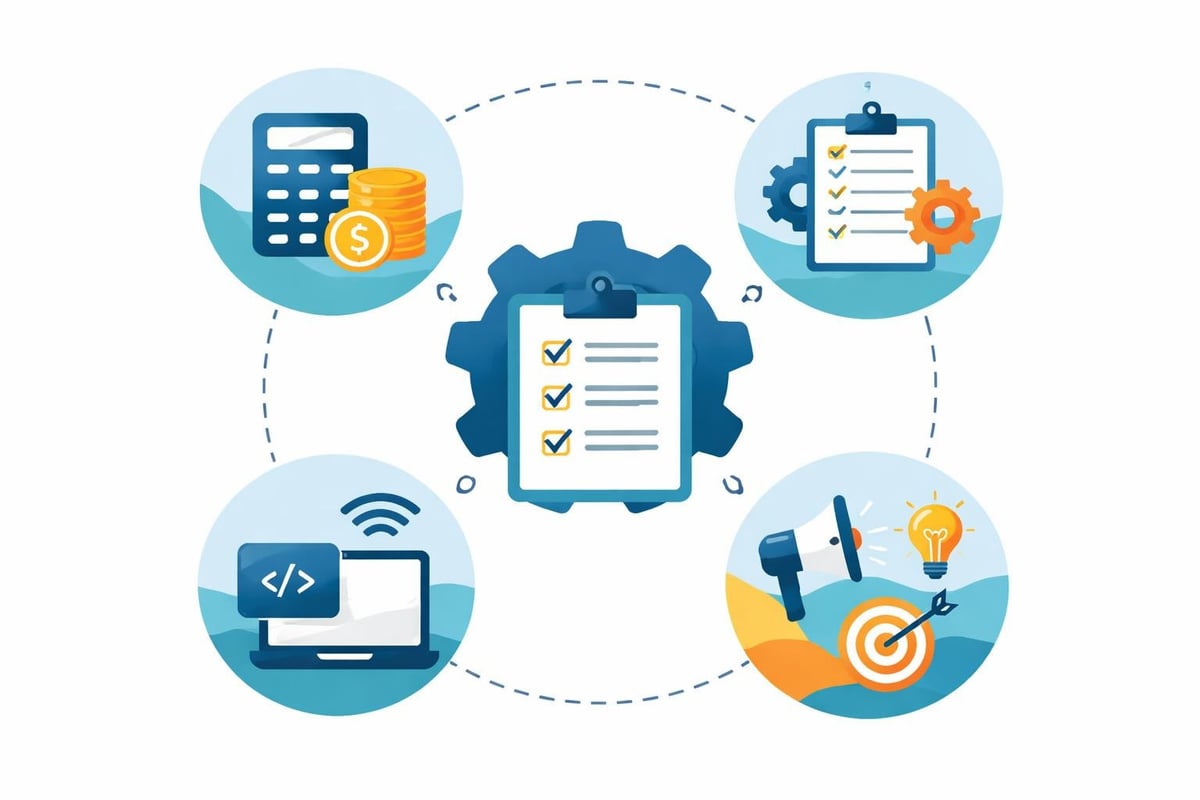
Effective project management training alberta programmes recognise that successful projects require collaboration across functions. Finance teams need project management awareness to support budget forecasting. Technical teams benefit from understanding stakeholder management. Executive sponsors require insights into project governance structures.
Cross-functional training creates organizational alignment around project methodologies. When marketing, operations, IT, and finance speak the same project management language, communication improves and deliverables accelerate. This shared understanding reduces misalignment that typically causes project delays and budget overruns.
Behavioural Competencies and Soft Skills Development
Technical project management skills represent only part of successful project leadership. Research on behavioural biases in project management demonstrates how cognitive patterns influence decision-making, risk assessment, and stakeholder interactions. Modern project management training alberta programmes increasingly emphasise soft skills alongside technical competencies.
Effective project managers excel at communication, negotiation, conflict resolution, and adaptive leadership. They navigate organizational politics, manage diverse personalities, and inspire teams through challenging project phases. These interpersonal skills often determine project success more than technical expertise alone.
Communication Excellence for Project Leaders
Project managers spend approximately 90% of their time communicating with stakeholders, team members, sponsors, and vendors. Training programmes should develop both written and verbal communication capabilities across various contexts:
- Executive reporting: Concise status updates highlighting key metrics, risks, and decisions required
- Team facilitation: Running productive meetings that drive progress and engagement
- Stakeholder management: Tailoring messages to different audience needs and priorities
- Conflict resolution: Addressing disagreements constructively before they escalate
- Change communication: Explaining project impacts and securing buy-in for transitions
Communication training workshops complement project management education by developing these essential capabilities. Organizations investing in both technical and soft skills training create well-rounded project leaders capable of managing complex human dynamics alongside project mechanics.
Optimising Existing Tools and Methodologies
Many Alberta organizations already use project management software, frameworks, or methodologies but struggle to maximise their potential. Priority Management Alberta’s accredited programmes help teams optimize existing tools whilst acquiring new techniques for enhanced effectiveness.
Training that builds upon current organizational practices generates faster adoption and immediate value. Rather than completely overhauling established systems, skilled facilitators identify gaps, introduce complementary techniques, and refine existing processes for better outcomes.
Integrating Agile and Traditional Approaches
Modern project environments rarely fit neatly into purely agile or traditional waterfall methodologies. Hybrid approaches combine structured planning with iterative development, adapting to project requirements rather than forcing projects into rigid frameworks.
Project management training alberta programmes increasingly address this reality by teaching methodology selection based on project characteristics:
- Waterfall methodologies for projects with fixed requirements, regulatory constraints, and sequential dependencies
- Agile approaches for initiatives requiring rapid iteration, customer feedback, and evolving requirements
- Hybrid models that apply appropriate techniques to specific project phases or workstreams
Understanding when and how to apply different methodologies represents advanced project management capability that separates competent managers from exceptional leaders.
Addressing Alberta's Unique Business Environment
Alberta's economic landscape presents distinct challenges that influence project management training priorities. The province's strong energy sector, growing technology ecosystem, and significant construction activity create specific training requirements not found in other regions.
Energy projects involve lengthy timelines, substantial capital investments, regulatory complexity, and environmental considerations. Project managers in this sector need advanced risk management capabilities, stakeholder engagement expertise, and understanding of industry-specific compliance requirements.

Seasonal Workforce and Project Timing
Construction and certain industrial projects face seasonal constraints that compress timelines and intensify resource management challenges. Project managers must account for weather-related delays, seasonal labour availability, and accelerated schedules during optimal working periods.
Training programmes addressing these realities help Alberta project managers develop contingency planning skills, resource levelling techniques, and schedule compression strategies specific to seasonal constraints. Understanding these local factors makes training more relevant and immediately applicable.
Virtual and Hybrid Training Delivery Models
The shift toward remote work and distributed teams has transformed project management training alberta delivery. Virtual instructor-led training now rivals on-site programmes in effectiveness whilst offering greater flexibility and reduced costs.
Modern virtual training incorporates interactive elements that maintain engagement and facilitate learning:
- Live polls and quizzes testing comprehension
- Breakout rooms for small group exercises
- Virtual whiteboards for collaborative planning
- Screen sharing for software demonstrations
- Chat features for questions and discussions
These technological capabilities create dynamic learning environments comparable to physical classrooms. Organizations with geographically dispersed teams particularly benefit from virtual formats that unite participants regardless of location.
Measuring Training Effectiveness and ROI
Successful organizations evaluate project management training through measurable outcomes rather than participant satisfaction alone. Key performance indicators might include:
| Metric Category | Example Measures | Data Sources |
|---|---|---|
| Project Performance | On-time delivery rate, budget variance | Project tracking systems |
| Team Productivity | Velocity, throughput, cycle time | Workflow management tools |
| Risk Management | Issue resolution speed, risk realization rate | Risk registers |
| Stakeholder Satisfaction | Survey scores, complaint frequency | Feedback mechanisms |
Establishing baseline measurements before training enables accurate assessment of improvement. Organizations should track metrics for 6-12 months post-training to capture sustained behavioural change rather than temporary enthusiasm.
Partnership-Based Training Delivery
Several Alberta institutions deliver project management training through partnerships that combine academic rigour with industry relevance. Keyano College’s Project Management Certificate Program, delivered with MacEwan University, prepares individuals to manage project teams, timelines, budgets, and risks whilst aligning with PMI standards.
These partnerships leverage institutional expertise whilst ensuring curriculum reflects current industry practices. Participants benefit from academic credentials combined with practical skills immediately applicable in professional contexts.
Industry Association Training Programmes
Professional associations offer another valuable training avenue, particularly for individuals pursuing specific certifications or sector expertise. These programmes typically feature:
- Networking opportunities with fellow practitioners
- Access to industry research and best practices
- Continuing education credits for certification maintenance
- Mentorship connections with experienced project managers
Association-based training complements corporate programmes by providing external perspectives and broader industry insights beyond single-organization contexts.
Customisation and Organizational Alignment
Generic project management training rarely addresses unique organizational challenges, industry-specific requirements, or existing methodology investments. Customised programmes incorporate company projects, terminology, tools, and processes into training content, accelerating application and improving retention.
Company training programs designed specifically for Alberta organizations consider provincial business climate factors, industry concentrations, and regional workforce characteristics. This localization makes training more relevant and immediately valuable to participants.
Pre-Training Assessments and Needs Analysis
Effective customisation begins with thorough needs assessment identifying current capability levels, specific skill gaps, and organizational objectives. Assessment methods include:
- Competency surveys measuring self-reported proficiency across key areas
- Stakeholder interviews exploring training expectations and success criteria
- Project performance reviews identifying recurring challenges and failure patterns
- Methodology audits examining current practices and tool utilization
- Role analysis defining specific responsibilities and required capabilities
This diagnostic phase ensures training addresses actual needs rather than assumed deficiencies, maximising relevance and impact.
Leadership and Management Skills Integration
Project management training alberta programmes increasingly recognise the overlap between project leadership and general management capabilities. Skills such as delegation, performance management, strategic thinking, and change leadership apply across both domains.
Leadership and management courses complement project-specific training by developing broader capabilities that enhance overall managerial effectiveness. Project managers who understand organizational strategy, financial management, and human resource principles make better decisions aligned with enterprise objectives.
Developing Future Project Leaders
Structured training pathways help organizations develop project management talent pipelines rather than relying on external hiring. Progressive development might include:
- Foundation level: Basic methodology, terminology, and tools for team members
- Intermediate level: Planning, scheduling, and execution skills for aspiring project managers
- Advanced level: Portfolio management, strategic alignment, and organizational change leadership
- Executive level: Programme governance, investment prioritization, and capability development
This tiered approach builds organizational capacity systematically whilst creating clear career progression pathways that improve retention and engagement.
Selecting the Right Training Provider
Alberta organizations evaluating project management training options should consider several factors beyond cost alone. Provider expertise, delivery flexibility, customisation capabilities, and post-training support significantly influence outcomes.
Questions to guide provider selection include:
- What relevant experience does the provider have in your industry?
- Can they demonstrate measurable results from previous clients?
- How do they customise content to organizational needs?
- What credentials and experience do their instructors possess?
- What post-training resources support continued learning?
- How do they measure training effectiveness?
Reputable providers offer transparent information about their methodologies, instructor qualifications, and client outcomes. They conduct thorough needs assessments before proposing solutions rather than offering standardized programmes regardless of client requirements.
Ongoing Support and Reinforcement
Training impact diminishes rapidly without reinforcement mechanisms supporting behavioural change. Effective providers offer post-training resources such as:
- Job aids and templates for common project documents
- Access to online learning platforms with supplementary materials
- Follow-up coaching sessions addressing implementation challenges
- Community forums connecting participants for peer support
- Refresher workshops reinforcing key concepts
These support structures help participants apply learning consistently, overcoming initial implementation obstacles and building sustainable new habits.
Technology Integration and Modern Project Tools
Contemporary project management training must address digital tools that have transformed how teams plan, collaborate, and track progress. Software platforms for scheduling, resource management, collaboration, and reporting have become essential project management infrastructure.
Training programmes should balance methodology fundamentals with practical tool utilization. Participants need to understand both the "why" behind project management practices and the "how" of executing them through modern platforms. This dual focus produces project managers who make informed decisions whilst leveraging technology effectively.
Artificial Intelligence and Project Management
Emerging technologies are reshaping project management practices through predictive analytics, automated scheduling, intelligent risk assessment, and natural language processing for documentation. Project managers must understand how to leverage these capabilities whilst maintaining critical thinking and human judgment.
AI-driven change management training helps leaders navigate technological transformation whilst developing skills for AI-enhanced project delivery. As these tools become mainstream, project management training alberta programmes must evolve to prepare professionals for technology-augmented workflows.
Building Organizational Project Management Maturity
Individual training represents just one component of organizational project management excellence. Mature project management capabilities require standardized processes, executive support, appropriate tools, performance metrics, and continuous improvement mechanisms.
Training initiatives should align with broader organizational development efforts that build systematic project management maturity. This might include developing project management offices, establishing governance frameworks, creating methodology standards, and implementing portfolio management practices.
Organizations progressing through maturity stages-from ad hoc to optimized-require different training emphases. Early-stage organizations need foundational methodology training. Intermediate organizations benefit from advanced techniques and tool optimization. Mature organizations focus on strategic alignment and continuous improvement.
Investing in project management training alberta equips your teams with the structured approaches, leadership capabilities, and practical tools needed to deliver complex initiatives successfully in 2026 and beyond. Whether you're building foundational skills, pursuing professional certification, or developing advanced competencies, selecting training aligned with your organizational objectives and industry requirements produces measurable performance improvements. My Training Network delivers customised, instructor-led project management training to Alberta organizations through on-site workshops and virtual programmes designed around your specific business challenges, industry context, and team development goals. Our expert facilitators bring real-world project experience and proven teaching methodologies that transform learning into immediate workplace application.

