

Project management training British Columbia has become increasingly vital for organisations seeking to strengthen their competitive position in 2026's dynamic business environment. British Columbia's diverse economy-spanning technology, natural resources, construction, and professional services-demands project managers who can navigate complexity, manage stakeholder expectations, and deliver results on time and within budget. Whether you're developing infrastructure in Vancouver, coordinating research projects in Victoria, or managing remote teams across the province, the right training foundation transforms theoretical knowledge into practical capability that drives measurable outcomes.
The Current Landscape of Project Management Training in British Columbia
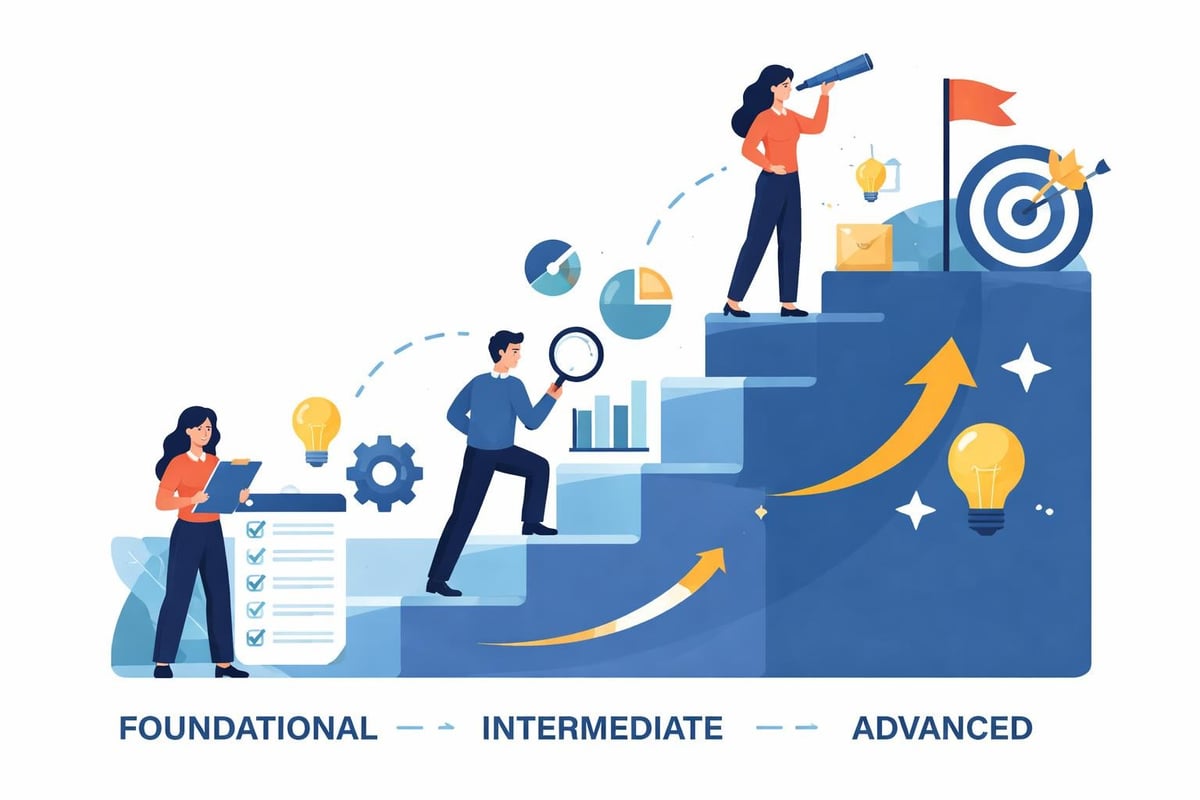
British Columbia's training ecosystem offers diverse pathways for professionals at every stage of their project management journey. From intensive workshops to comprehensive certificate programmes, organisations and individuals can select options that align with their specific needs and career trajectories.
Provincial training providers deliver programmes through multiple formats:
- In-person workshops in major centres like Vancouver, Victoria, and Kelowna
- Virtual instructor-led sessions accessible throughout the province
- Hybrid models combining online theory with practical application
- Customised corporate programmes delivered at organisational sites
The University of British Columbia’s Project Management Certificate program follows PMI standards and includes a capstone team project, providing structured learning for professionals seeking formal credentials. Meanwhile, institutions like the College of New Caledonia offer Project Management Fundamentals courses focusing on essential skills such as communication, critical thinking, and data management.
Industry-Specific Training Requirements
Different sectors across British Columbia demand specialised project management approaches. Technology companies in Vancouver's innovation district require agile methodologies and digital transformation expertise. Construction firms working on infrastructure projects need traditional waterfall approaches combined with risk management capabilities. Research institutions pursuing grant-funded initiatives benefit from academic project management frameworks.
Sector-specific considerations include:
| Industry Sector | Key Training Focus | Typical Programme Duration |
|---|---|---|
| Technology & IT | Agile, Scrum, DevOps integration | 3-5 days intensive |
| Construction | Risk management, contract administration | 5-10 days comprehensive |
| Healthcare | Regulatory compliance, stakeholder management | 4-6 days focused |
| Natural Resources | Environmental considerations, community engagement | 5-8 days specialised |
This specialisation ensures that project management training British Columbia provides remains relevant and immediately applicable to participants' daily responsibilities.
Essential Competencies Developed Through Professional Training
Effective project management extends beyond scheduling software and budget spreadsheets. Modern training programmes cultivate a comprehensive skill set that balances technical proficiency with interpersonal capabilities.
Technical Foundation and Methodology Mastery
Professional training establishes fluency in core project management concepts. Participants gain expertise in scope definition, schedule development, resource allocation, and quality assurance. They learn to apply methodologies appropriately-understanding when traditional approaches serve better than agile frameworks, and how to blend techniques for optimal results.
The two-day interactive Project Management workshop at UBC covers both technical and interpersonal skills essential for effective project leadership, demonstrating how institutions combine hard and soft skill development.
Core technical competencies include:
- Work breakdown structure creation and maintenance
- Critical path analysis and schedule optimisation
- Budget forecasting and variance management
- Risk identification, assessment, and mitigation planning
- Quality metrics definition and monitoring
- Stakeholder analysis and communication planning
Leadership and Communication Excellence
Projects succeed or fail based on human factors. Training programmes increasingly emphasise the leadership dimensions that transform competent coordinators into exceptional project managers. Participants develop skills in conflict resolution, negotiation, influence without authority, and adaptive leadership.
Research from Bramcon Project Consultants Ltd. highlights how effective communication strategies prevent project failures, underlining the critical importance of interpersonal skill development alongside technical training.
Building clear workplace communication capabilities enables project managers to articulate vision, align teams, and maintain stakeholder confidence throughout project lifecycles.
Certification Pathways and Professional Credentials
British Columbia professionals pursuing project management training often seek credentials that validate their expertise and enhance career prospects. Understanding the certification landscape helps individuals and organisations make strategic investment decisions.
Project Management Institute (PMI) Credentials
PMI certifications represent the gold standard in project management professional recognition. The Certified Associate in Project Management (CAPM) provides entry-level validation, whilst the Project Management Professional (PMP) designation demonstrates advanced capability and experience.
Greystone College’s Diploma in Project Management Co-op program equips students with full-cycle project management skills and specifically prepares them for the CAPM exam, illustrating how academic programmes align with industry-recognised credentials.
PMI certification requirements include:
- Documented project management experience hours
- Formal education or training contact hours
- Examination demonstrating knowledge mastery
- Ongoing professional development for credential maintenance

Agile and Specialised Certifications
Beyond traditional PMI credentials, professionals increasingly pursue agile-specific certifications such as Certified ScrumMaster (CSM), PMI Agile Certified Practitioner (PMI-ACP), and SAFe certifications for scaled agile frameworks. These credentials demonstrate capability in iterative, adaptive project approaches that suit British Columbia's technology and innovation sectors.
Organisations can access comprehensive training workshops that prepare teams for these varied certification pathways whilst building practical application skills.
Selecting Appropriate Training for Organisational Needs
Choosing project management training British Columbia requires careful consideration of organisational context, team capabilities, and strategic objectives. The wrong programme wastes resources and fails to deliver meaningful capability improvement.
Assessment and Needs Analysis
Effective training selection begins with honest assessment. Organisations should evaluate current project performance, identify capability gaps, and define desired outcomes. This analysis reveals whether teams need foundational concepts, advanced techniques, or specialised methodologies for specific project types.
Key assessment questions include:
- What percentage of projects currently meet time, budget, and quality targets?
- Where do project failures most commonly occur (planning, execution, closure)?
- Do team members understand core project management terminology and concepts?
- What methodologies do current projects employ, and are they appropriate?
- How effectively do project managers communicate with stakeholders and sponsors?
Training Delivery Models and Formats
British Columbia's geography presents unique challenges for training delivery. Whilst Vancouver and Victoria offer abundant in-person options, organisations in Prince George, Kelowna, or smaller communities often require alternative approaches.
| Delivery Model | Advantages | Best Suited For |
|---|---|---|
| In-person workshops | Maximum interaction, hands-on practice, team building | Central locations, larger cohorts, foundational training |
| Virtual instructor-led | Geographic flexibility, reduced costs, scheduling options | Distributed teams, advanced topics, follow-up sessions |
| Hybrid programmes | Balances interaction with accessibility | Mixed locations, comprehensive certifications |
| On-site corporate training | Customised content, team cohesion, confidential examples | Large organisations, specific methodologies, culture integration |
The training and professional development offerings available through comprehensive providers enable organisations to match delivery models with their specific requirements and constraints.
Building Sustainable Project Management Capability
One-time training events rarely create lasting organisational change. Sustainable capability development requires systematic approaches that embed learning, provide ongoing support, and reinforce new behaviours.
Creating a Learning Ecosystem
Organisations achieving lasting benefit from project management training British Columbia establish comprehensive learning ecosystems. These systems combine formal training with mentoring, communities of practice, knowledge repositories, and continuous improvement processes.
Developing building lasting workplace habits ensures that skills acquired during training translate into consistent application and ongoing performance improvement.
Effective learning ecosystems incorporate:
- Formal training as the foundation
- Mentoring relationships pairing experienced and developing project managers
- Regular knowledge-sharing sessions where teams discuss challenges and solutions
- Project retrospectives that capture lessons and inform future approaches
- Documentation standards that preserve organisational learning
- Recognition systems that reward excellent project management practice
Managing Change and Adoption
Introducing new project management approaches requires careful change management. Teams accustomed to informal project coordination may resist structured methodologies they perceive as bureaucratic. Leadership commitment, clear communication about benefits, and patience during transition periods prove essential.
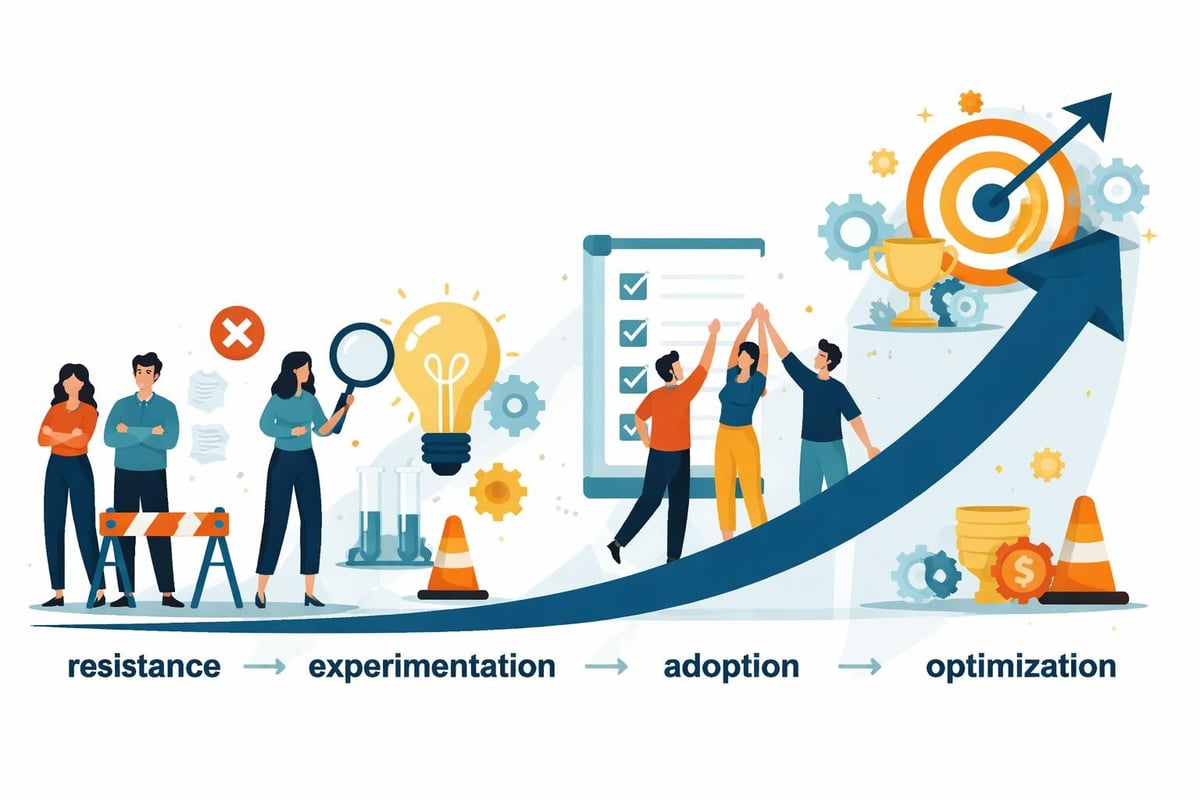
Leading teams with trust and safety creates the psychological environment necessary for teams to embrace new approaches without fear of failure during the learning process.
Measuring Training Impact and Return on Investment
Forward-thinking organisations measure training effectiveness to justify investment and guide future development decisions. Project management training British Columbia should demonstrably improve project outcomes and organisational capability.
Establishing Baseline and Target Metrics
Before initiating training programmes, organisations should establish baseline measurements across key project performance indicators. These metrics provide objective evidence of improvement and justify continued investment in capability development.
Critical performance metrics include:
- Schedule performance index (planned versus actual completion)
- Cost performance index (budgeted versus actual expenditure)
- Stakeholder satisfaction scores
- Team member engagement and capability ratings
- Project closure success rate
- Benefits realisation achievement
| Metric Category | Example Measures | Typical Improvement Target |
|---|---|---|
| Time Performance | % projects completed on schedule | 15-25% improvement |
| Cost Performance | Budget variance reduction | 10-20% reduction in overruns |
| Quality Delivery | Defect rates, rework hours | 20-30% reduction |
| Team Capability | Assessment scores, certification rates | 25-40% skill improvement |
Long-term Capability Tracking
Training impact extends beyond immediate project outcomes. Organisations should track career progression, retention of trained staff, internal capability to handle increasingly complex projects, and reduced dependence on external consultants.
Developing data fluency and performance metrics capabilities enables organisations to establish sophisticated measurement systems that capture training value across multiple dimensions.
Addressing Common Project Management Challenges
Project management training British Columbia equips professionals to navigate recurring challenges that derail projects and frustrate stakeholders. Understanding these common obstacles helps organisations prioritise training content.
Scope Creep and Requirements Management
Uncontrolled scope expansion represents one of the most frequent project killers. Training programmes teach rigorous requirements gathering, change control processes, and stakeholder management techniques that prevent scope creep whilst accommodating legitimate change.
Scope management techniques include:
- Comprehensive initial requirements documentation
- Formal change request procedures
- Impact assessment for proposed modifications
- Stakeholder communication about trade-offs
- Regular scope verification and validation
Resource Constraints and Competing Priorities
Projects rarely enjoy dedicated resources operating in isolation. Team members balance project work with operational responsibilities, creating scheduling conflicts and availability challenges. Effective training addresses resource negotiation, priority management, and creative problem-solving.
The University of British Columbia’s Fundamentals of Project Management Program offers comprehensive coverage of project management principles tailored for research settings where resource constraints prove particularly acute.
Stakeholder Alignment and Communication
Misaligned stakeholder expectations create conflict and undermine project success. Training programmes emphasise stakeholder analysis, communication planning, expectation management, and relationship building as core competencies.
Developing emotionally intelligent workplace communication enables project managers to navigate complex stakeholder relationships and maintain alignment throughout challenging project phases.
Virtual and Hybrid Training Considerations
The shift towards remote work fundamentally changed how British Columbia organisations approach project management training. Virtual and hybrid options now represent mainstream delivery models rather than emergency alternatives.
Maximising Virtual Training Effectiveness
Virtual training overcomes geographic barriers but requires thoughtful design to maintain engagement and learning outcomes. Effective virtual project management training British Columbia incorporates interactive elements, breakout discussions, practical exercises, and follow-up reinforcement.
Virtual training best practices include:
- Sessions limited to 90-120 minutes with breaks
- Interactive polls and quizzes maintaining engagement
- Breakout rooms for small group exercises
- Digital collaboration tools for real-time practice
- Pre-work and post-session assignments extending learning
- Recording availability for review and absent participants
Technology Platform Selection
Training effectiveness depends partly on platform capabilities. Organisations should ensure chosen platforms support screen sharing, breakout rooms, polling, chat functions, and recording whilst maintaining security and privacy standards.
Access to comprehensive courses through flexible platforms enables organisations to deliver training that matches modern work patterns and geographic distribution.
Future Trends Shaping Project Management Training
British Columbia's project management training landscape continues evolving in response to technological advancement, changing work patterns, and emerging business challenges. Forward-looking organisations anticipate these trends when planning capability development.
Artificial Intelligence and Automation Integration
AI tools increasingly automate routine project management tasks like scheduling, resource allocation, and risk identification. Training programmes must prepare professionals to leverage these technologies effectively whilst maintaining critical thinking and judgement.
Understanding responsible AI use in the workplace ensures project managers adopt these powerful tools appropriately whilst recognising their limitations and ethical implications.
Sustainability and Social Responsibility
Projects increasingly face expectations around environmental impact, social responsibility, and stakeholder equity. Modern training incorporates these considerations into planning, execution, and evaluation frameworks.
Emerging training topics include:
- Carbon footprint assessment and reduction strategies
- Indigenous consultation and partnership approaches
- Environmental impact mitigation planning
- Social procurement and local benefit requirements
- Circular economy principles in project delivery
Adaptive and Hybrid Methodologies
The false dichotomy between traditional and agile approaches gives way to pragmatic methodology selection and blending. Training programmes teach professionals to assess project characteristics and select appropriate techniques rather than dogmatically applying single frameworks.
Certstaffix Training offers various Project Management classes in Vancouver, including fundamentals, essentials, and PMP preparation courses that reflect this evolution towards methodology flexibility.
Investing in Continuous Professional Development
Project management training British Columbia should not represent isolated events but rather components of ongoing professional development strategies. Sustained excellence requires continuous learning, skill refinement, and exposure to emerging practices.
Building Personal Development Plans
Effective project managers take ownership of their capability development through structured personal development plans. These plans identify skill gaps, set learning objectives, schedule training activities, and track progress against targets.
Development plan components include:
- Annual capability self-assessment against competency frameworks
- Specific learning objectives aligned with career goals
- Mix of formal training, mentoring, reading, and practical application
- Timeline for certification achievement or renewal
- Budget allocation for courses, conferences, and materials
Creating Communities of Practice
Project managers benefit enormously from peer networks where they share experiences, discuss challenges, and learn from colleagues facing similar situations. Organisations can foster these communities internally or encourage participation in provincial professional associations.
Developing resilient leadership under pressure helps project managers navigate the stress and complexity inherent in demanding projects whilst supporting colleagues facing similar challenges.
Investing in project management training British Columbia provides organisations with the capabilities needed to deliver complex initiatives successfully in 2026's challenging business environment. Whether pursuing formal certifications, developing foundational skills, or refining advanced techniques, the right training transforms project outcomes and builds sustainable competitive advantage. My Training Network delivers high-impact, instructor-led project management training across Canada-with expert trainers, customisable content, and flexible delivery options that meet your organisation's specific needs. Contact us today to discuss how we can strengthen your team's project management capabilities.

