

The demand for Skills Development Facilitators is set to rise sharply in 2026, with organisations across industries focusing on workforce growth and adaptability. As companies recognise the need to close skills gaps, the spotlight turns to professionals equipped to drive this change.
This guide explores skills development facilitator courses, offering insights to help you navigate your learning options and make confident decisions. Whether you are new to the field or seeking to enhance your expertise, understanding course structures and outcomes is essential.
Discover the role of the facilitator, types of courses available, detailed curriculum insights, enrolment steps, career opportunities, and emerging trends. Start your journey with the knowledge needed to advance your future in this dynamic profession.
Understanding the Role of a Skills Development Facilitator
A Skills Development Facilitator (SDF) is a pivotal figure in today’s evolving workplaces. As organisations navigate rapid digital transformation and shifting skill demands, the role of SDFs has expanded. Those pursuing skills development facilitator courses are preparing to bridge critical skills gaps and empower teams to thrive in 2026.
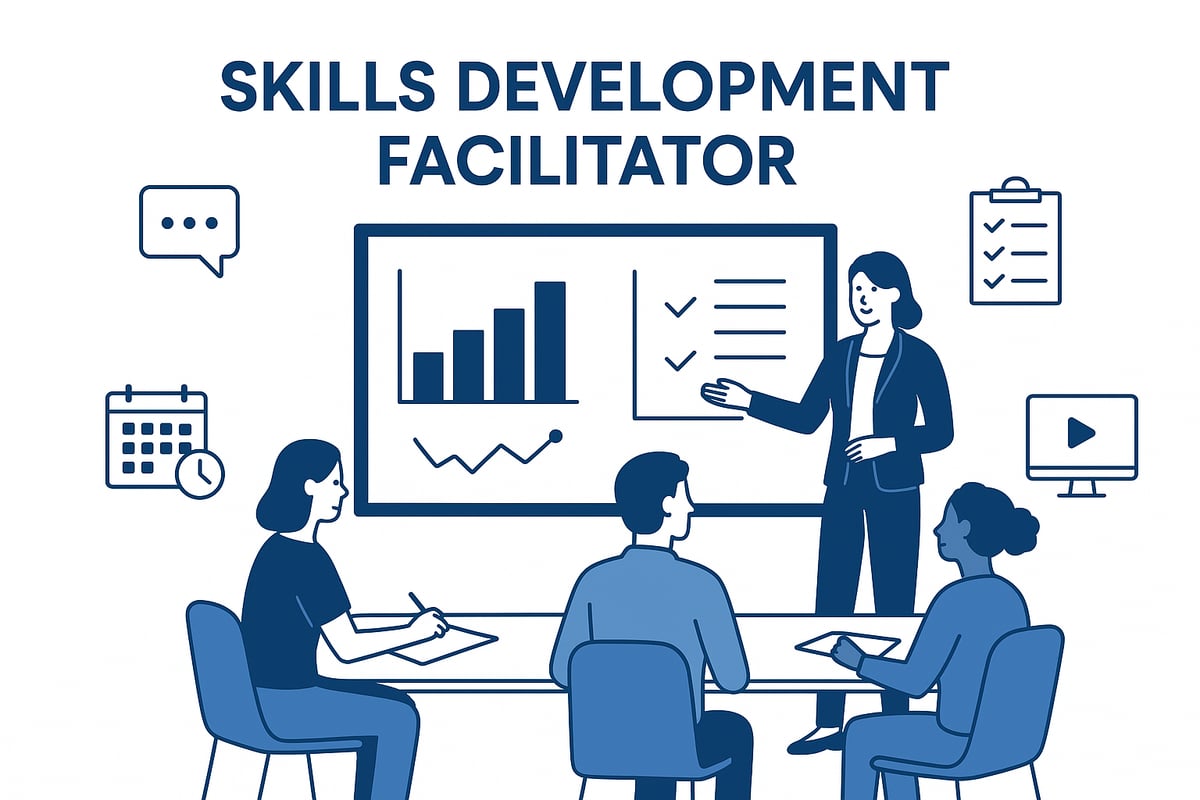
Defining the Skills Development Facilitator
At its core, a Skills Development Facilitator is responsible for assessing organisational training needs, designing tailored learning programmes, and ensuring that employees acquire essential competencies. These professionals act as a bridge between management, staff, and external training providers.
Key responsibilities include:
- Conducting skills audits and needs analyses
- Developing and implementing training plans
- Facilitating learning sessions, workshops, and e-learning modules
- Monitoring progress and evaluating outcomes
Core Skills and Competencies
Success in this field begins with completing high-quality skills development facilitator courses. Essential skills include effective communication, structured planning, and the ability to facilitate both group and individual learning. SDFs must be adept at assessment and feedback, ensuring training aligns with both company goals and employee development.
Other must-have competencies involve:
- Analytical thinking
- Digital literacy
- Cultural competence
- Adaptability in fast-changing environments
Addressing Skills Gaps and Workforce Development
SDFs are critical to closing skills gaps and fostering an agile workforce. By identifying training needs and implementing targeted interventions, facilitators support employee growth and organisational resilience. Their work ensures companies remain competitive in the face of technological disruption.
According to industry reports, businesses investing in skills development facilitator courses see improved productivity and reduced turnover. Facilitators also play a key role in compliance, helping organisations meet regulatory training requirements.
Industries and Sectors Seeking Facilitators in 2026
The demand for SDFs is rising across multiple sectors in 2026, including:
- Corporate enterprises (finance, technology, retail)
- Public services (healthcare, education, government)
- Non-profit and NGO sectors
- Manufacturing and logistics
As organisations prioritise upskilling and reskilling, SDFs are increasingly valued partners in strategic workforce planning.
Regulatory and Accreditation Requirements
Regulatory frameworks and accreditation are essential considerations for anyone evaluating skills development facilitator courses. In South Africa, the SETA system mandates specific qualifications and standards. Canada and the UK have their own frameworks, often requiring accredited programmes for professional recognition.
To ensure your training meets industry standards, explore accredited workplace skill courses that align with regional requirements and best practices.
Comparing Related Roles
While SDFs share some similarities with trainers, coaches, and learning & development specialists, their scope is distinct. Trainers focus primarily on content delivery, coaches on individual performance, and L&D specialists on broader strategy. SDFs combine these elements, managing the full cycle from needs analysis to programme evaluation.
Real-World Impact: Case Studies
Many organisations report significant benefits after investing in skilled facilitators. For example, a large retail chain in the UK reduced onboarding time by 30% after implementing programmes led by certified SDFs. Another case in the healthcare sector saw improved compliance rates and employee satisfaction following targeted facilitation.
Job Growth and Salary Trends
The outlook for SDFs is promising. Industry data projects an 8% increase in facilitator roles by 2026. Salaries vary by region and sector, but recent averages are summarised below:
| Region | Median Salary (2026) | Projected Growth |
|---|---|---|
| UK | £38,000 | +8% |
| South Africa | R320,000 | +10% |
| Canada | CA$60,000 | +7% |
As skills development facilitator courses become more prevalent, professionals with the right credentials are well positioned for career growth and job security.
Types of Skills Development Facilitator Courses Available in 2026
The world of skills development facilitator courses in 2026 is more diverse and accessible than ever before. With demand rising across industries, learners can choose from a broad range of programmes tailored to different career stages and aspirations. Selecting the right course is crucial for building a strong foundation and advancing confidently in the field.

Accredited vs. Non-Accredited Courses and Delivery Formats
A key decision for prospective learners is whether to pursue accredited or non-accredited skills development facilitator courses. Accredited courses, validated by recognised authorities, often provide formal certification that is highly valued by employers. Non-accredited options may focus on practical skills or niche topics, offering more flexibility but less formal recognition.
Delivery formats have evolved rapidly. In 2026, learners can select from:
- In-person classroom-based courses
- Fully online programmes
- Hybrid models combining online and face-to-face sessions
- Microlearning modules for targeted skill-building
Online and hybrid options are especially popular, enabling learners to balance studies with professional commitments. For those researching digital delivery, a comprehensive summary of online facilitator courses options highlights the flexibility and interactivity available.
Course Types, Specialisations, and Structures
Skills development facilitator courses span from short, intensive workshops to in-depth diploma programmes. Short courses typically last a few weeks, focusing on specific skills or compliance areas, while comprehensive programmes extend up to a year, covering the full facilitator skill set.
Common specialisations include:
- Soft skills facilitation
- Technical or sector-specific facilitation
- Leadership and management training
- Compliance and regulatory facilitation
Popular providers in 2026 range from universities and technical colleges to private training bodies and professional associations. Below is a comparison of two typical course structures:
| Course Type | Duration | Focus | Outcome |
|---|---|---|---|
| Short Course | 4–8 weeks | Practical skills, basics | Certificate of attendance |
| Comprehensive Diploma | 6–12 months | Full facilitator curriculum | Accredited qualification |
This variety ensures that skills development facilitator courses meet the needs of both new entrants and experienced professionals seeking to upskill.
Entry Requirements and Learner Satisfaction
Entry requirements for skills development facilitator courses vary by provider and course level. Most short courses are open to all, requiring only a secondary education certificate. Comprehensive diplomas may ask for prior work experience, a relevant qualification, or proficiency in English.
Learner satisfaction and completion rates are closely tracked by institutions. In 2026, online courses report completion rates of 74%, while hybrid models see even higher engagement. Feedback indicates that practical modules, real-world projects, and peer collaboration are key drivers of positive learner outcomes.
When considering options, it is important to review course reviews, alumni success stories, and the reputation of the provider. This helps ensure that the chosen skills development facilitator courses align with both personal goals and industry expectations.
What to Expect: Curriculum, Skills, and Assessment Methods
Enrolling in skills development facilitator courses offers a structured pathway for building expertise in workforce training and development. These programmes are designed to equip learners with both theoretical knowledge and practical skills, ensuring graduates are ready to address evolving workplace needs.

Core Curriculum and Learning Outcomes
Most skills development facilitator courses share a set of foundational modules. These include adult learning theory, needs analysis, training design, and facilitation techniques. Learners are introduced to best practices for identifying organisational skills gaps and creating targeted interventions.
The curriculum is structured to ensure that every participant gains a clear understanding of how to plan, deliver, and evaluate training sessions. By the end of these courses, learners are expected to demonstrate confidence in facilitating diverse groups and supporting ongoing professional development.
Key Topics and Digital Focus
A major emphasis in skills development facilitator courses is the integration of digital learning. Topics such as e-learning design, virtual classroom management, and digital content creation are now core components. This ensures that facilitators remain relevant in a technology-driven environment.
Essential subjects covered include:
- Adult learning theory and motivation
- Effective communication strategies
- Digital facilitation tools
- Training needs assessment methods
- Culturally responsive facilitation
Course providers often update content to reflect the latest trends in digital education, preparing learners for the future workplace.
Assessment Methods and Practical Skills
Assessment in skills development facilitator courses is multifaceted, focusing on both knowledge and practical application. Learners are typically evaluated through a combination of:
| Assessment Method | Description |
|---|---|
| Practical Demonstrations | Facilitating real or simulated training sessions |
| Assignments | Written tasks analysing case studies or designing training |
| Peer Reviews | Receiving and giving feedback within learning groups |
| Exams | Testing theoretical understanding |
These varied approaches ensure that graduates are not only proficient in theory but also capable of applying concepts in real-world scenarios.
Integration of Soft Skills and Technology
Modern skills development facilitator courses place strong emphasis on soft skills. Modules on leadership, conflict resolution, and cultural competence help learners manage diverse teams and complex workplace situations.
Technology is woven throughout the curriculum. Learners use learning management systems (LMS), participate in virtual classrooms, and engage with digital assessment platforms. This hands-on experience with technology enhances both their confidence and employability.
Innovative Features and Competency Gains
Top skills development facilitator courses in 2026 incorporate innovative elements such as microlearning units, gamified assessments, and project-based learning. Programmes like the Training & Facilitation Certificate at ATD26 exemplify this trend by offering comprehensive, industry-aligned training that covers the full facilitation cycle.
Data from recent industry reports indicate that learners completing these courses show a marked improvement in facilitation skills and digital literacy. Post-course surveys reveal that over 90% of graduates feel confident leading training sessions and designing learner-centred interventions.
Choosing the right skills development facilitator courses means investing in a curriculum that balances foundational theory, practical experience, and future-ready skills. This holistic approach prepares facilitators to thrive in dynamic and diverse organisational environments.
Step-by-Step Guide to Enrolling in a Skills Development Facilitator Course
Embarking on the journey to become a qualified facilitator starts with a clear, structured approach. Enrolling in skills development facilitator courses is both a personal investment and a strategic career move. This guide breaks down each step, ensuring you have a seamless path from research to course commencement.
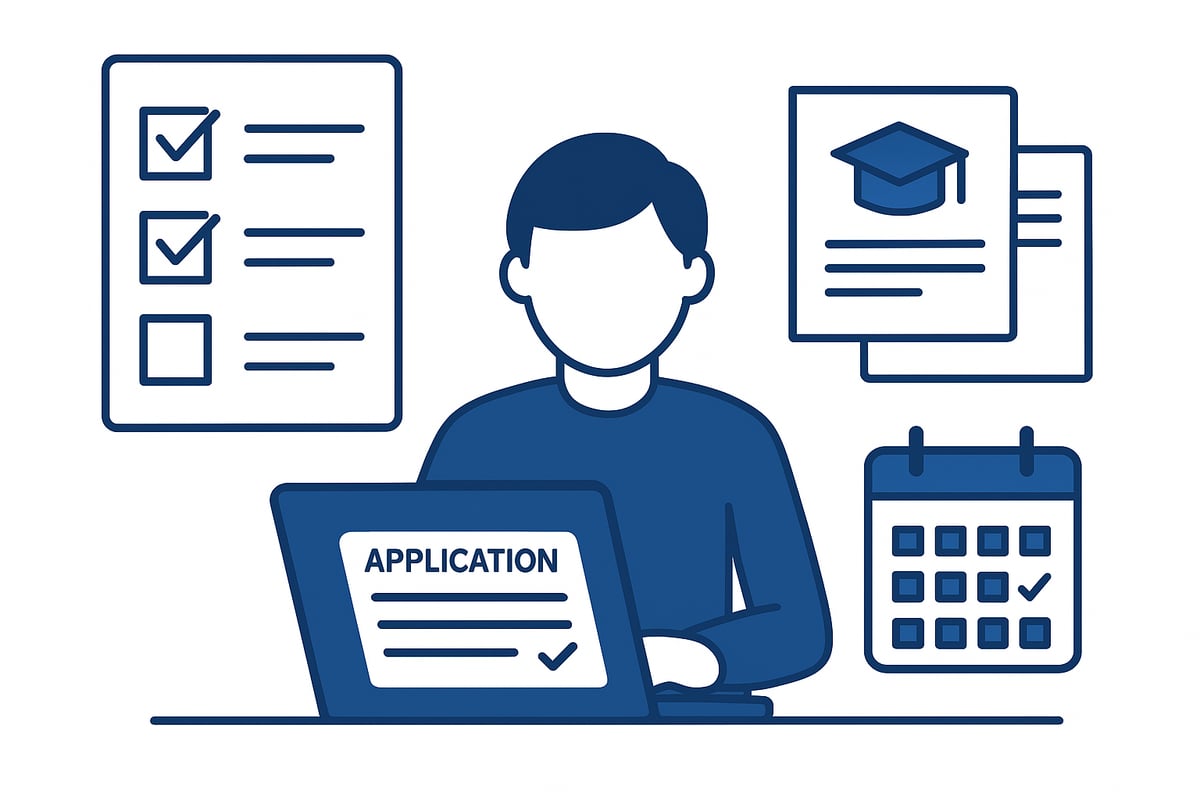
Step 1: Research Accredited Course Providers
Begin by identifying reputable institutions that offer skills development facilitator courses. Look for accreditation, course reviews, and alignment with your career goals. Consider the delivery format—whether online, in-person, or hybrid—and explore practical options such as instructor-led training for facilitators to enhance hands-on learning. Compile a shortlist of providers that meet industry standards and offer recognised qualifications.
Step 2: Assess Eligibility and Entry Requirements
Carefully review the eligibility criteria for each course. Most skills development facilitator courses require a secondary education certificate, but some advanced programmes may expect prior work experience or foundational training. Check for prerequisites like language proficiency or basic IT skills. Confirm that your background matches the entry requirements before proceeding.
Step 3: Gather Required Documentation
Prepare all necessary documents to support your application. Typical requirements include academic transcripts, proof of work experience, a CV, and identification. Some providers may also request a personal statement or references. Ensuring you have these documents ready will streamline the application process and minimise delays.
Step 4: Complete the Application Process
Most providers facilitate online applications, requiring you to fill out forms and upload supporting materials. Some institutions may conduct interviews or ask you to complete an assessment. Review deadlines and selection criteria carefully. For answers to common queries, consult the frequently asked questions about facilitator training to clarify any uncertainties during this stage.
Step 5: Secure Funding or Employer Sponsorship
Consider the financial aspects of skills development facilitator courses. Tuition fees vary by provider and course format. Investigate scholarships, bursaries, or payment plans if self-funding, or approach your employer to discuss sponsorship opportunities. Be clear about the return on investment and the benefits to your organisation or career.
Step 6: Prepare for Course Start
Once accepted, set up your technology and access any pre-course materials provided. Familiarise yourself with the learning management system and schedule time for study. Effective time management is crucial, especially for those balancing work and study. Engage with any orientation resources to ensure a smooth transition.
Step 7: Orientation and Setting Learning Goals
Participate in orientation sessions and connect with your instructors and peers. Establish clear learning goals for the duration of your skills development facilitator courses. Proactive engagement from the outset helps build confidence and sets the stage for success.
Typical Enrolment Timeline
| Step | Estimated Duration |
|---|---|
| Research Providers | 1–2 weeks |
| Prepare Documentation | 1 week |
| Application & Interview | 2–4 weeks |
| Funding Arrangements | 1–3 weeks |
| Pre-course Preparation | 1 week |
| Total Time to Commencement | 6–11 weeks |
Common Challenges and Practical Solutions
- Navigating complex entry requirements: Contact admissions teams for guidance.
- Gathering documentation: Start early to avoid last-minute issues.
- Balancing work and study: Use time management tools and set realistic study goals.
- Financial concerns: Explore all funding options and discuss with employers.
Following these steps ensures that enrolling in skills development facilitator courses is a structured and rewarding process. With preparation and determination, you can confidently take the first step towards a dynamic career in workforce development.
Career Opportunities and Future Trends for Skills Development Facilitators
The landscape for skills development facilitator courses is rapidly evolving, presenting diverse career opportunities and exciting future trends. As organisations across sectors invest in workforce growth, the demand for skilled facilitators is expected to rise sharply through 2026 and beyond.
Career Pathways for Skills Development Facilitators
Graduates of skills development facilitator courses can pursue roles in a variety of sectors. Corporate organisations often seek facilitators to design and deliver internal training, while educational institutions value specialists who can enhance curriculum and staff development. Non-profit and government agencies rely on facilitators to upskill communities and support public workforce initiatives.
Freelance and consultancy work is also on the rise, offering flexibility and the chance to work across multiple industries. The need for skilled facilitators is not limited to one region, as global demand is growing in both developed and emerging markets.
Emerging Roles and Digital Transformation
As technology reshapes learning environments, new roles are emerging for those who complete skills development facilitator courses. Digital facilitation, remote training delivery, and skills analytics are now integral to many organisations’ learning strategies. Facilitators who can leverage virtual classrooms, interactive platforms, and data-driven approaches are particularly sought after.
According to the Future of Jobs Report 2025 by WEF, analytical thinking, technological literacy, and adaptability are among the fastest-growing skill areas across all sectors. These trends are influencing the design of skills development facilitator courses, ensuring graduates are future-ready.
Continuous Upskilling and Lifelong Learning
The future of work requires facilitators to commit to lifelong learning and continuous professional development. Enrolling in updated skills development facilitator courses is essential to keep pace with changing technologies, methodologies, and regulatory frameworks.
Programmes such as the Skills Academy by ITCILO highlight the importance of building future-ready skills systems and fostering cross-sector partnerships. Ongoing training not only sharpens technical and digital skills but also enhances soft skills like leadership and cultural competence.
Skills in Demand and Career Progression
Employers are seeking facilitators with a blend of digital literacy, adaptability, and cross-cultural communication skills. The ability to interpret data, facilitate virtual sessions, and support diverse learners is now crucial. Skills development facilitator courses increasingly incorporate these competencies into their curricula.
Career progression is promising. Many facilitators advance to senior roles such as learning and development manager, skills strategist, or even director of talent development. Those who specialise in high-demand areas, such as e-learning or compliance training, often command higher salaries and greater job security.
Future Outlook and Industry Insights
The outlook for professionals with skills development facilitator courses is bright. Projected job growth remains steady, with sectors like technology, healthcare, and education leading the way in new facilitator hires. Industry leaders predict that as automation and AI transform workplaces, facilitators will play a key role in supporting reskilling and upskilling efforts.
In summary, investing in skills development facilitator courses opens doors to a dynamic and future-proof career. By staying ahead of trends and embracing continuous learning, facilitators can thrive in a rapidly changing world of work.

