

Modern workplaces demand more than technical expertise alone. As organisations navigate complex challenges, rapid technological change, and increasingly diverse teams, the human skills that enable collaboration, communication, and adaptability have become critical differentiators. Soft skills training programs address this gap by developing the interpersonal and cognitive abilities that drive workplace success. From emotional intelligence to conflict resolution, these programmes equip professionals with the competencies needed to thrive in today's dynamic business environment.
Understanding the Foundation of Soft Skills Development
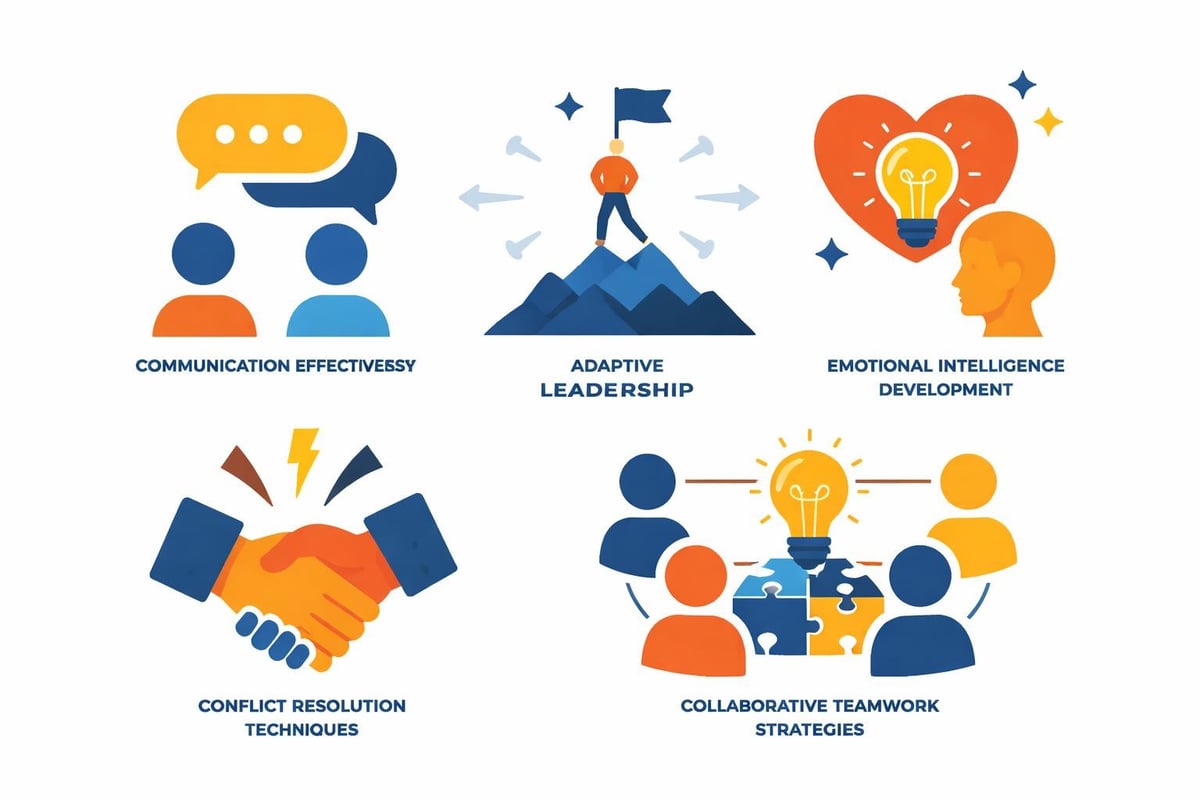
The concept of soft skills encompasses a broad range of interpersonal and cognitive abilities that complement technical knowledge. Unlike hard skills, which are job-specific and measurable, soft skills relate to how people interact, communicate, and navigate workplace challenges. These capabilities include communication, teamwork, problem-solving, adaptability, and emotional intelligence.
Organisations increasingly recognise that technical proficiency alone cannot guarantee success. Workplace effectiveness depends on how well employees collaborate, manage conflicts, and respond to change. Research consistently demonstrates that professionals with strong soft skills advance more quickly, contribute more effectively to team outcomes, and adapt better to organisational shifts.
The Business Case for Investing in People Skills
The financial impact of soft skills training programs extends across multiple organisational dimensions. Teams with well-developed communication abilities experience fewer misunderstandings, reducing costly errors and rework. Leaders who possess emotional intelligence create more engaged workforces, directly influencing retention rates and productivity.
Consider the following benefits organisations report after implementing comprehensive training:
- Enhanced team collaboration leading to faster project completion
- Improved client relationships resulting in increased customer satisfaction scores
- Reduced workplace conflicts decreasing time spent on dispute resolution
- Stronger leadership pipelines preparing employees for advancement opportunities
- Higher employee engagement contributing to better retention rates
Canadian organisations face particular challenges in today's competitive talent market. With remote work normalising and generational diversity increasing, the ability to communicate effectively across digital platforms and cultural backgrounds has never been more crucial. My Training Network’s communications training courses address these evolving needs through customisable, instructor-led sessions.
Designing Effective Training Programmes for Maximum Impact
Successful soft skills training programs require thoughtful design and strategic implementation. Unlike technical training that often follows linear learning paths, developing interpersonal capabilities demands experiential learning, practice opportunities, and sustained reinforcement.
Key Components of High-Performance Training
The most effective programmes incorporate multiple learning modalities to accommodate different learning styles and workplace contexts. Identifying effective soft skills training solutions requires aligning programme content with specific organisational challenges and measuring outcomes systematically.
Instructor-led workshops provide the foundation for skill development. These sessions create safe environments where participants can practice new behaviours, receive immediate feedback, and learn from peers' experiences. The presence of expert facilitators ensures discussions remain focused and productive whilst addressing individual questions and concerns.
| Training Component | Purpose | Expected Outcome |
|---|---|---|
| Interactive workshops | Introduce concepts and frameworks | Knowledge acquisition |
| Role-playing exercises | Practice real-world scenarios | Skill application |
| Group discussions | Share experiences and insights | Peer learning |
| Individual coaching | Address specific challenges | Personalised development |
| Follow-up sessions | Reinforce learning and measure progress | Behaviour change |
Experiential learning activities transform theoretical knowledge into practical capability. When participants engage in realistic scenarios-negotiating difficult conversations, resolving team conflicts, or presenting to stakeholders-they develop muscle memory for these interactions. This hands-on approach proves particularly valuable for developing emotional intelligence in the workplace, where understanding concepts differs significantly from applying them under pressure.
Customising Content to Organisational Needs
Generic training programmes rarely deliver optimal results. Organisations achieve the greatest return on investment when soft skills training programs address specific challenges their teams face. A technology company scaling rapidly requires different training than a manufacturing organisation improving safety culture.
Effective customisation begins with thorough needs assessment. This process identifies:
- Current skill gaps through performance reviews and manager feedback
- Strategic priorities aligned with business objectives
- Team dynamics considering departmental cultures and working styles
- Learning preferences accommodating diverse employee backgrounds
- Success metrics defining how improvements will be measured
Leadership and management courses exemplify this tailored approach by addressing the specific challenges leaders face within their organisational contexts rather than teaching abstract leadership theories.
Essential Skills Every Training Programme Should Address
Whilst organisational needs vary, certain core competencies appear consistently across successful soft skills training programs. These foundational abilities create the infrastructure upon which more specialised skills develop.
Communication Excellence as the Cornerstone
Workplace communication extends far beyond basic information exchange. It encompasses active listening, clear articulation, persuasive presentation, and adaptive messaging across different audiences and platforms. Understanding in-demand soft skills for 2026 reveals communication consistently ranks among the most valuable workplace capabilities.
Effective communication training addresses multiple dimensions:
- Written communication including emails, reports, and documentation
- Verbal communication covering presentations, meetings, and conversations
- Non-verbal signals understanding body language and tone
- Digital communication navigating virtual collaboration tools
- Cross-cultural awareness adapting messages for diverse audiences
For professionals seeking to enhance their writing capabilities specifically, courses like business writing skills and email writing skills provide targeted development in these critical areas.
Emotional Intelligence and Self-Awareness
Emotional intelligence-the ability to recognise, understand, and manage emotions in oneself and others-serves as a multiplier for virtually every other soft skill. Leaders with high emotional intelligence build stronger teams, navigate conflicts more effectively, and create more inclusive work environments.
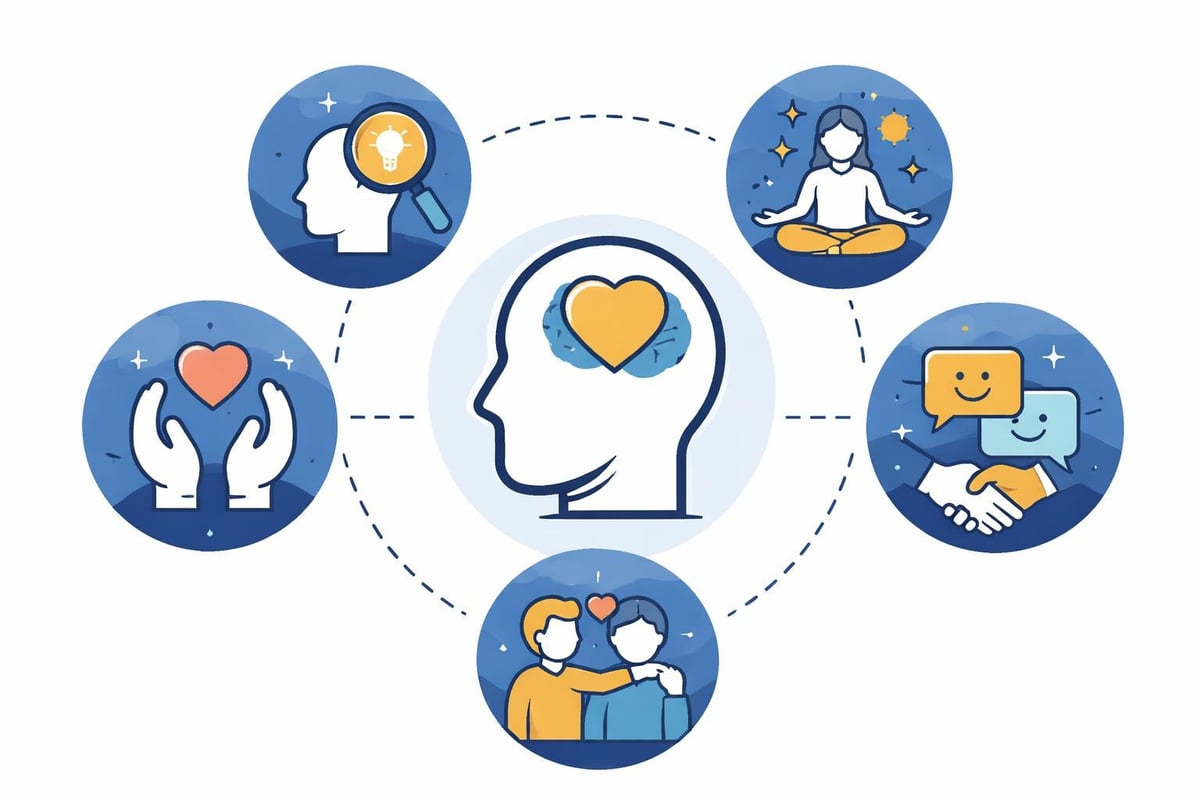
Training programmes focusing on emotional intelligence typically address five core competencies:
- Self-awareness: Understanding personal emotions, strengths, and limitations
- Self-regulation: Managing disruptive emotions and adapting to change
- Motivation: Maintaining drive and commitment despite setbacks
- Empathy: Recognising and responding to others' emotional states
- Social skills: Building relationships and influencing outcomes
These capabilities prove particularly valuable for leaders managing diverse teams. Programmes such as leading teams with trust and safety demonstrate how emotional intelligence translates into practical leadership behaviours.
Problem-Solving and Critical Thinking
Modern workplace challenges rarely present straightforward solutions. Professionals must analyse complex situations, evaluate multiple perspectives, weigh competing priorities, and make sound decisions with incomplete information.
Effective problem-solving training develops both analytical frameworks and creative thinking approaches. Participants learn structured methodologies-like root cause analysis or design thinking-whilst also cultivating the flexibility to adapt these tools to unique situations. Structured decision-making courses provide systematic approaches to navigating these challenges.
Implementation Strategies That Drive Results
Even the most well-designed soft skills training programs fail without proper implementation and organisational support. Success requires strategic planning, executive commitment, and systematic follow-through.
Building Leadership Buy-In
Training initiatives succeed when organisational leaders actively champion development efforts. Executives must communicate why soft skills matter, participate in training sessions themselves, and reinforce learned behaviours through recognition and accountability.
Leadership support manifests through concrete actions:
- Allocating sufficient budget and time for comprehensive training
- Participating in training sessions alongside team members
- Incorporating soft skills into performance evaluations and promotion criteria
- Recognising and rewarding employees who demonstrate skill improvement
- Modelling desired behaviours in their own leadership practices
Creating Sustainable Learning Environments
Single training events rarely produce lasting behaviour change. Sustainable development requires ongoing reinforcement, practice opportunities, and supportive organisational cultures. Soft skills training strategies for modern teams emphasise the importance of embedding learning into daily work routines.
Organisations achieve sustainability through:
| Strategy | Description | Implementation Example |
|---|---|---|
| Peer learning groups | Regular meetings to discuss applications | Monthly skill practice sessions |
| Manager coaching | Leaders reinforce training concepts | Weekly one-on-one development conversations |
| Microlearning reinforcement | Bite-sized content between major sessions | Weekly email tips and reminders |
| Real-world projects | Applying skills to actual work challenges | Task force assignments requiring collaboration |
| Recognition programmes | Celebrating skill demonstrations | Quarterly awards for communication excellence |
Measuring Training Effectiveness
Demonstrating return on investment requires systematic measurement beyond participant satisfaction scores. Comprehensive evaluation examines multiple levels of impact, from immediate reactions through long-term business results.
Kirkpatrick's Four Levels of Evaluation provide a proven framework:
- Reaction: How participants respond to the training experience
- Learning: Knowledge and skills acquired during training
- Behaviour: Application of learning in workplace settings
- Results: Business outcomes influenced by behaviour changes
Effective measurement combines quantitative metrics-such as improved productivity scores, reduced conflict incidents, or enhanced customer satisfaction ratings-with qualitative feedback through interviews and observations. This comprehensive approach demonstrates how training investments deliver tangible organisational value.
Adapting Training for Virtual and Hybrid Environments
The shift toward remote and hybrid work arrangements has transformed how organisations deliver soft skills training programs. Virtual training presents unique challenges-building rapport through screens, maintaining engagement without physical presence, and facilitating experiential learning remotely-whilst also offering unprecedented flexibility and accessibility.
Overcoming Virtual Training Challenges
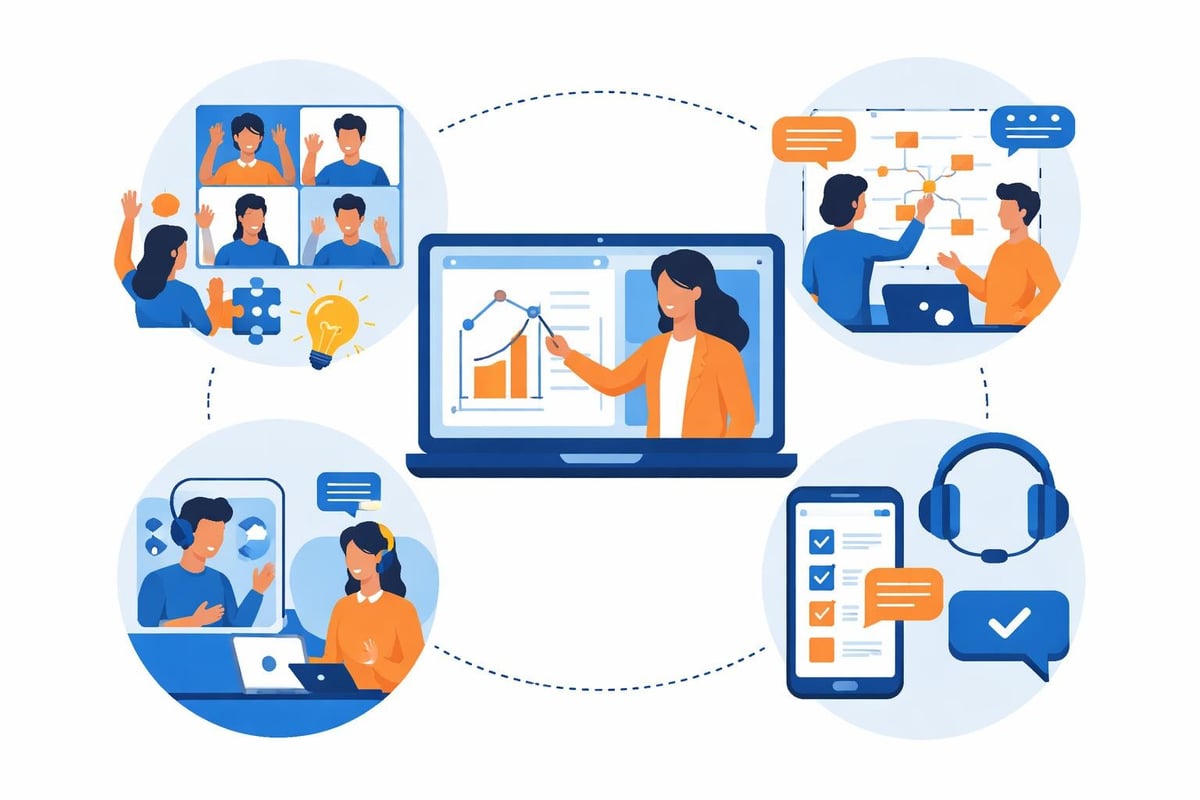
Teaching soft skills virtually requires intentional design choices that compensate for reduced physical interaction. Successful virtual programmes incorporate interactive elements that keep participants engaged and create connection despite physical distance.
Effective virtual training techniques include:
- Breakout room discussions enabling small-group interaction
- Digital collaboration tools facilitating real-time cooperation
- Interactive polls and quizzes maintaining attention and assessing understanding
- Video role-plays allowing practice with feedback
- Virtual whiteboards supporting visual collaboration
The key lies in designing activities specifically for virtual delivery rather than simply transferring in-person content to online platforms. Skills like active listening require particular attention in virtual settings where communication cues become more subtle.
Hybrid Approaches for Maximum Flexibility
Many organisations find optimal results combining in-person intensive sessions with virtual follow-up and reinforcement. This hybrid model delivers the relationship-building benefits of face-to-face interaction whilst providing the convenience and accessibility of digital learning.
A typical hybrid programme might include:
- Foundational workshop (in-person): Two-day intensive introducing core concepts
- Weekly virtual sessions (online): One-hour meetings reinforcing specific skills
- Individual coaching (virtual or in-person): Personalised development conversations
- Practice assignments (workplace application): Real-world skill application
- Quarterly reviews (in-person): Progress assessment and advanced topics
This structure accommodates diverse learning preferences whilst building sustained capability over time rather than expecting immediate transformation from single training events.
Specialised Training for Critical Workplace Scenarios
Beyond foundational competencies, soft skills training programs often address specific workplace challenges requiring targeted development. These specialised programmes help professionals navigate particularly complex or high-stakes situations.
Navigating Difficult Conversations
Workplace conflicts, performance discussions, and sensitive feedback situations demand sophisticated communication skills. Many professionals avoid necessary conversations due to discomfort or uncertainty about effective approaches. Training in effective strategies for tough talks equips participants with frameworks and language for navigating these challenging interactions.
Effective training in this area covers:
- Preparing mentally and practically for difficult discussions
- Managing personal emotions during tense conversations
- Using language that reduces defensiveness
- Listening actively to understand underlying concerns
- Finding collaborative solutions to contentious issues
Building Resilience and Managing Stress
Modern workplace demands create unprecedented pressure. Professionals managing multiple priorities, navigating constant change, and maintaining performance expectations need resilience skills to sustain effectiveness without burning out. Programmes focusing on stress and burnout recovery strategies provide practical tools for maintaining wellbeing.
Resilience training typically addresses:
- Recognising early signs of excessive stress
- Developing healthy coping mechanisms
- Building support networks
- Establishing sustainable work habits
- Maintaining perspective during challenging periods
These capabilities prove particularly valuable for leaders bearing additional responsibility for team wellbeing alongside their own performance demands.
Leading Through Change and Uncertainty
Organisational change-whether technological transformation, restructuring, or market disruption-tests leadership capabilities profoundly. Leaders must maintain team morale, communicate transparently despite incomplete information, and model adaptability whilst managing their own uncertainty.
Specialised training for change leadership develops capabilities including:
| Leadership Capability | Application | Development Focus |
|---|---|---|
| Strategic communication | Explaining change rationale clearly | Crafting compelling narratives |
| Emotional support | Acknowledging team concerns | Building psychological safety |
| Adaptive planning | Adjusting course as situations evolve | Scenario analysis skills |
| Resilience modelling | Demonstrating positive responses | Personal stress management |
| Vision articulation | Maintaining focus on future state | Inspirational communication |
Courses such as resilient leadership under pressure specifically address these high-stakes leadership scenarios.
Future Trends Shaping Soft Skills Development
The landscape of soft skills training programs continues evolving as workplace dynamics shift and new technologies emerge. Forward-thinking organisations prepare teams for tomorrow's challenges whilst addressing today's needs.
Artificial Intelligence and Human Skills
As artificial intelligence assumes more analytical and routine tasks, uniquely human capabilities become increasingly valuable. Creativity, empathy, complex judgement, and relationship building cannot be automated, making these skills even more critical for career success.
Training programmes increasingly emphasise skills that complement rather than compete with technology. Understanding responsible AI use in the workplace becomes essential, as does developing the judgement to know when human interaction surpasses algorithmic solutions.
Neuroscience-Informed Training Methods
Advances in neuroscience provide deeper understanding of how people learn, form habits, and change behaviours. Progressive soft skills training programs incorporate these insights to enhance effectiveness and accelerate development.
Neuroscience principles informing modern training include:
- Spacing learning over time rather than intensive single sessions
- Creating emotional connections to enhance memory retention
- Providing immediate practice opportunities to strengthen neural pathways
- Reducing cognitive load through focused skill development
- Leveraging social learning for deeper engagement
Programmes like leading through neuroscience and emotional intelligence demonstrate how scientific understanding enhances practical application.
Continuous Micro-Development
Traditional training models centred on periodic intensive programmes are giving way to continuous development through microlearning. Brief, focused learning moments integrated into workflow enable ongoing skill refinement without disrupting productivity.
This approach recognises that behaviour change requires consistent reinforcement rather than occasional intensive exposure. Daily or weekly micro-sessions addressing specific skills prove more effective than annual comprehensive training for sustaining capability development.
Selecting the Right Training Partner
The success of soft skills training programs depends significantly on the expertise and approach of training providers. Organisations seeking maximum return on investment should evaluate potential partners across multiple dimensions.
Evaluating Trainer Expertise and Methodology
Expert trainers bring more than content knowledge-they facilitate learning experiences, adapt to participant needs, and create safe environments for skill practice. Understanding what makes soft skills training actually work involves assessing both trainer credentials and instructional approaches.
Key criteria include:
- Real-world experience applying skills in professional contexts
- Facilitation expertise engaging diverse participants effectively
- Customisation capability adapting content to specific organisational needs
- Evidence-based methods grounding training in research and proven approaches
- Measurement orientation tracking outcomes and demonstrating impact
Flexibility and Customisation Options
Generic programmes rarely address unique organisational challenges effectively. The best training partners offer extensive customisation whilst maintaining quality and evidence-based practices. With over 150 customisable courses, comprehensive training networks provide breadth whilst accommodating specific requirements.
Important flexibility factors include:
- Content adaptation modifying examples and exercises for industry relevance
- Delivery options offering in-person, virtual, and hybrid formats
- Scheduling accommodation working within organisational calendars and constraints
- Group size flexibility delivering effective training for various cohort sizes
- Follow-up support providing ongoing reinforcement beyond initial sessions
Geographic Reach and Local Understanding
Organisations operating across regions benefit from training partners understanding local workplace cultures whilst maintaining consistent quality standards. Canadian organisations, for example, may prioritise trainers familiar with provincial employment contexts, cultural diversity, and specific industry challenges within Canadian markets.
National training networks deliver this combination of local insight and broad reach, ensuring Toronto teams receive culturally relevant training whilst maintaining consistency with Vancouver or Montreal colleagues. Virtual delivery capabilities extend this reach internationally whilst preserving the engagement benefits of live instruction.
Investing in comprehensive soft skills training programs delivers measurable returns through improved collaboration, enhanced leadership, and stronger workplace relationships. As organisations navigate increasingly complex challenges, the human capabilities that enable adaptability, communication, and emotional intelligence become critical competitive advantages. My Training Network provides Canadian organisations with access to expert instructors, customisable content, and proven methodologies that transform workplace capability-whether your team needs foundational communication skills, advanced leadership development, or specialised training for specific challenges. Our instructor-led approach ensures your people develop the skills that drive sustainable success.

