

Workplace stress has reached unprecedented levels in 2026, with organisations across Canada reporting significant challenges in maintaining employee wellbeing and productivity. The modern professional environment demands more from teams than ever before, creating pressure points that affect performance, retention, and overall organisational health. A structured stress management course provides employees with evidence-based techniques to navigate these challenges effectively whilst building long-term resilience. Through targeted training interventions, companies can equip their workforce with practical skills that translate directly into improved mental health, enhanced focus, and sustainable performance outcomes.
Understanding the Business Case for Stress Management Training
Workplace stress costs Canadian businesses billions annually through absenteeism, reduced productivity, and increased turnover. Research consistently demonstrates that organisations investing in preventative wellbeing initiatives see measurable returns across multiple metrics. When employees lack effective stress management strategies, the ripple effects extend throughout entire departments and project timelines.
A comprehensive stress management course addresses these challenges systematically rather than reactively. Participants learn to recognise early warning signs of burnout, implement daily practices that regulate nervous system responses, and develop personalised coping mechanisms suited to their specific roles and responsibilities. This proactive approach creates cultural shifts that normalise mental health conversations whilst reducing stigma.
Immediate and Long-Term Organisational Benefits
The advantages of structured stress management training extend far beyond individual wellbeing improvements. Teams that complete these programmes together develop shared language around stress triggers and support mechanisms, strengthening collaborative relationships.
Key organisational benefits include:
- Reduced absenteeism through preventative strategies that address stress before it escalates
- Enhanced decision-making as employees develop clearer thinking under pressure
- Improved conflict resolution through emotional regulation techniques
- Higher retention rates when staff feel supported in managing workplace demands
- Increased innovation as reduced stress creates mental space for creative problem-solving
For organisations exploring workplace culture and people development initiatives, stress management training serves as a foundational investment that amplifies the effectiveness of other professional development programmes.
Core Components of Effective Stress Management Courses
Not all stress management training delivers equal value. The most impactful programmes combine theoretical frameworks with immediately applicable techniques that participants can integrate into their daily routines. Understanding what constitutes quality training helps organisations select programmes that generate genuine results.
Evidence-Based Frameworks and Methodologies
Reputable stress management courses ground their content in established psychological research and neuroscience principles. Harvard University's comprehensive stress management programme exemplifies this approach, providing participants with deep understanding of how stress affects physiological and cognitive systems. This foundation enables learners to make informed choices about which techniques will work best for their circumstances.
The nervous system regulation framework has gained particular prominence in professional training contexts. Programmes like nervous system regulation: managing stress and preventing burnout teach participants to recognise their autonomic nervous system states and apply specific interventions that restore balance during high-pressure situations.
| Framework | Primary Focus | Application Context |
|---|---|---|
| Cognitive Behavioural Techniques | Thought pattern modification | Anxiety and worry management |
| Mindfulness-Based Stress Reduction | Present-moment awareness | Overwhelm prevention |
| Nervous System Regulation | Physiological state management | Acute stress response |
| Time Management Integration | Workload optimisation | Chronic pressure reduction |
| Boundary Setting Protocols | Energy preservation | Work-life integration |
Practical Skill Development Beyond Theory
Whilst understanding stress mechanisms provides valuable context, participants need concrete tools they can implement immediately. The most effective stress management course dedicates substantial time to skill practice and application planning. Coursera's tools and techniques for managing stress offers practical approaches that participants can test and refine throughout the learning journey.
Breathing techniques, for instance, represent one of the most accessible yet powerful stress management tools. A quality programme teaches multiple breathing patterns suited to different scenarios-box breathing for rapid calming, coherent breathing for sustained focus, and alternate nostril breathing for mental clarity. Participants practice these techniques during sessions and receive guidance on building them into existing routines.
Progressive muscle relaxation, cognitive reframing exercises, and grounding techniques constitute additional practical components that participants can deploy across various professional contexts. The American Institute of Health Care Professionals provides foundational training in stress management that covers these essential coping strategies comprehensively.
Customising Stress Management Training for Different Professional Contexts
Generic stress management programmes often fall short because workplace stressors vary dramatically across industries, roles, and organisational cultures. Customised training that addresses specific pressure points delivers substantially better outcomes than one-size-fits-all approaches.
Industry-Specific Stressors and Solutions
Healthcare professionals face different stress triggers than financial services teams or creative agencies. A nurse managing patient care experiences stress rooted in emotional labour and life-or-death decisions, whilst a project manager might struggle primarily with competing deadlines and stakeholder expectations. Effective stress management courses acknowledge these distinctions and tailor content accordingly.
For technology teams dealing with rapid change cycles, integrating modules on adapting to workplace change creates coherent learning pathways that address interconnected challenges. Meanwhile, client-facing professionals benefit from stress management techniques specifically designed around emotional regulation during difficult conversations.
Leadership Stress Management Requirements
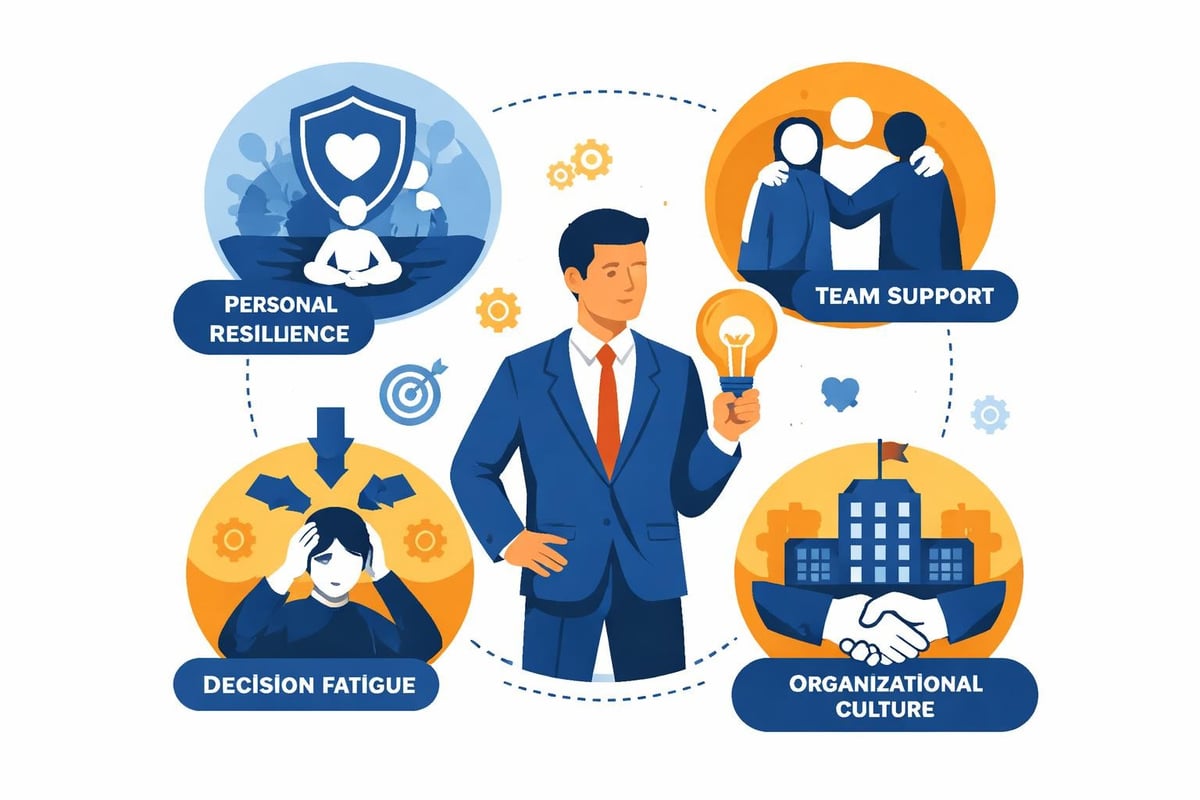
Leaders and managers require specialised stress management training that addresses their unique responsibilities. Beyond managing their own stress, they must recognise signs of team burnout, create psychologically safe environments, and model healthy stress responses for their direct reports.
Programmes focused on leadership and management development increasingly incorporate stress management components that equip leaders with both personal resilience skills and team support strategies. This dual focus creates cascading effects throughout organisational hierarchies.
Senior leaders particularly benefit from training that addresses decision fatigue, strategic uncertainty, and the isolation that often accompanies executive roles. These programmes typically include peer discussion components where leaders can share challenges and strategies in confidential settings.
Integration with Broader Wellbeing and Performance Initiatives
Stress management training delivers maximum value when integrated with complementary professional development programmes rather than existing as an isolated intervention. Organisations building comprehensive employee development strategies can create synergies across multiple training domains.
Connecting Stress Management with Performance Optimisation
High performers often resist stress management training, viewing it as remedial rather than enhancement-focused. Reframing stress management as performance optimisation shifts this perception whilst delivering identical skill development. Programmes like building high-performance habits demonstrate this integrated approach effectively.
When participants understand that stress management techniques directly improve focus, decision quality, and sustained energy levels, engagement increases substantially. Morning routines, energy management, and recovery protocols all represent stress management practices packaged within performance frameworks.
The connection between stress and time management particularly resonates with achievement-oriented professionals. Training on mastering your most valuable asset: time naturally incorporates stress reduction strategies whilst maintaining focus on productivity outcomes.
Building Sustainable Workplace Habits
Lasting behaviour change requires more than one-off training sessions. The most effective stress management course includes follow-up components, accountability structures, and habit formation support that extend beyond initial instruction.
Courses focusing on building lasting workplace habits provide frameworks for transforming stress management techniques into automatic responses rather than conscious efforts. This habit integration ensures techniques remain accessible during high-pressure moments when cognitive resources are limited.
Micro-learning reinforcement through brief weekly refreshers, peer accountability partnerships, and progress tracking mechanisms all contribute to sustained implementation. Research on managing distractions and focus demonstrates how environmental design and routine optimisation support stress management goals.
Delivery Formats and Learning Modalities
The format through which stress management training is delivered significantly impacts both participation rates and outcome effectiveness. Organisations must consider various factors when selecting delivery modalities, including workforce distribution, scheduling constraints, and learning preferences.
Instructor-Led Versus Self-Paced Learning
Live instruction offers distinct advantages for stress management training, particularly around skill practice, immediate feedback, and peer learning opportunities. Instructor-led training creates space for participants to ask questions specific to their circumstances and receive personalised guidance on technique refinement.
The facilitated discussion component of live training proves especially valuable for stress management topics. Participants often feel relieved discovering that colleagues experience similar challenges, reducing isolation whilst building informal support networks. Skilled facilitators can adapt content in real-time based on group needs and energy levels.
Self-paced formats like those offered through the University of Central Florida’s certificate programme provide flexibility that suits diverse schedules and learning speeds. These approaches work well for geographically distributed teams or organisations with shift workers who cannot attend synchronous sessions.
Virtual and Hybrid Training Considerations
Remote delivery has evolved significantly since 2020, with sophisticated facilitation techniques that maintain engagement despite physical distance. Virtual stress management training can incorporate breakout room practices, real-time polls, and digital collaboration tools that enhance rather than diminish the learning experience.
My Training Network's online courses demonstrate how virtual delivery can maintain the interactivity and personalisation that characterise effective stress management training. Participants appreciate avoiding commute stress whilst accessing quality instruction from expert facilitators.
Hybrid formats combining initial live instruction with ongoing virtual check-ins represent an emerging best practice. This approach provides the relationship-building benefits of in-person connection whilst offering sustained support through convenient virtual touchpoints.
| Format | Best Suited For | Key Advantages | Considerations |
|---|---|---|---|
| In-Person Workshop | Cohort-based teams | Maximum interaction and practice time | Scheduling complexity |
| Virtual Live Session | Distributed workforce | Accessibility and convenience | Technology requirements |
| Self-Paced Online | Individual learners | Ultimate flexibility | Requires self-motivation |
| Hybrid Blended | Large organisations | Balances benefits across modalities | Coordination demands |
Measuring Impact and Return on Investment
Organisations investing in stress management training rightfully expect measurable outcomes that justify resource allocation. Establishing clear metrics before programme delivery enables accurate assessment of training effectiveness and organisational impact.
Quantitative Performance Indicators
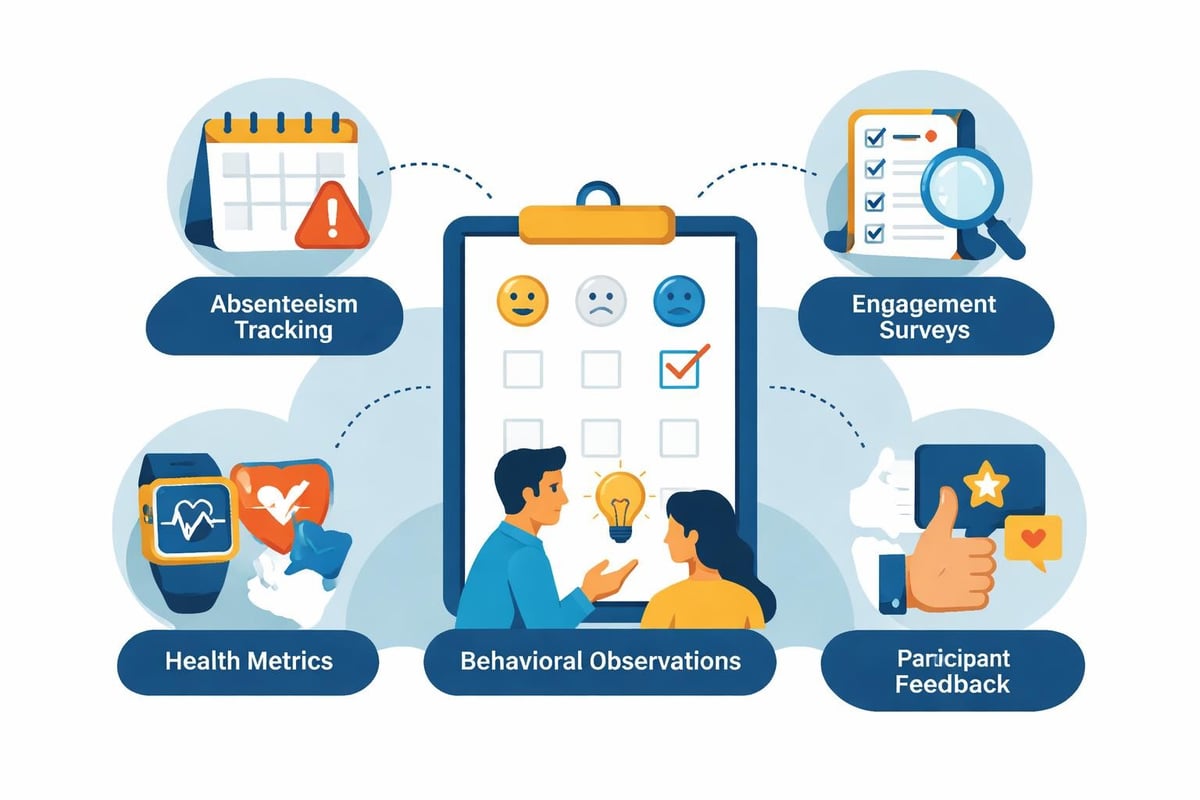
Several concrete metrics demonstrate stress management course effectiveness. Absenteeism rates often show measurable improvement within three to six months following training implementation. Organisations can compare sick day usage, particularly stress-related absences, before and after training interventions.
Employee engagement survey scores, particularly questions addressing work-life balance, support availability, and overall wellbeing, provide additional quantitative evidence. Tracking these metrics longitudinally reveals whether training creates sustained improvements or temporary bumps.
Health insurance claims data, though requiring careful privacy considerations, can indicate whether training reduces stress-related medical visits and prescriptions. Some organisations also monitor workplace safety incidents, as stress frequently contributes to reduced situational awareness and accident rates.
Qualitative Feedback and Behavioural Observations
Numbers tell part of the story, but qualitative data reveals how stress management training transforms daily workplace experiences. Structured feedback collection through post-training surveys, focus groups, and one-on-one interviews captures participant perspectives on skill application and perceived value.
Managers observing their teams often notice subtle shifts in how employees handle pressure, resolve conflicts, and support one another during challenging periods. These behavioural changes, whilst harder to quantify precisely, represent the cultural transformation that effective stress management course delivery catalyses.
Participant testimonials highlighting specific situations where newly learned techniques proved valuable provide compelling evidence of practical application. Stories of employees successfully navigating previously overwhelming scenarios demonstrate training's real-world impact.
Addressing Common Implementation Challenges
Even well-designed stress management programmes encounter obstacles during rollout and adoption. Anticipating these challenges and developing mitigation strategies increases the likelihood of successful implementation and sustained participation.
Overcoming Stigma and Resistance
Some employees view stress management training as implied criticism of their coping abilities or resilience. Others fear that acknowledging stress might affect performance reviews or advancement opportunities. These concerns, whether founded or not, create participation barriers that organisations must address directly.
Leadership modelling represents the most powerful antidote to stigma. When senior executives participate visibly in stress management training and openly discuss their own stress management practices, permission spreads throughout organisational levels. Framing training as performance enhancement rather than deficit correction also reduces resistance.
Confidential enrollment processes and anonymous feedback mechanisms help employees feel safe engaging with content without fear of professional repercussions. Emphasising that stress management skills benefit everyone regardless of current stress levels normalises participation.
Ensuring Sustained Practice Beyond Initial Training
The gap between knowing stress management techniques and consistently applying them represents perhaps the most significant implementation challenge. Many participants leave training sessions enthusiastic yet struggle to maintain new practices when returning to demanding work environments.
Scheduled follow-up sessions create accountability whilst refreshing skills that might otherwise fade. Some organisations establish stress management practice groups where employees gather briefly each week to practice techniques together and share application experiences.
Integrating stress management practices into existing routines-team meetings opening with brief breathing exercises, calendar blocks designated for recovery, or digital reminders prompting technique application-embeds new behaviours within established structures. Resources from Health Safety Courses offer practical workplace integration strategies.
Selecting the Right Training Provider and Programme
The stress management training market offers countless options ranging from brief webinars to multi-month certification programmes. Organisations must evaluate providers carefully to ensure training quality, relevance, and alignment with specific organisational needs.
Provider Credentials and Expertise
Quality stress management instruction requires facilitators with both theoretical knowledge and practical experience applying techniques across professional contexts. Look for trainers holding relevant credentials in psychology, counselling, coaching, or related fields who also understand workplace dynamics intimately.
Providers offering customisation demonstrate commitment to addressing specific organisational challenges rather than delivering generic content. The ability to incorporate company-specific scenarios, industry examples, and existing cultural elements into training design significantly enhances relevance and application rates.
References from similar organisations provide valuable insight into provider effectiveness. Speaking directly with past clients about participant engagement, measurable outcomes, and post-training support reveals whether providers deliver on promises.
Programme Scope and Depth
Consider whether your organisation needs introductory awareness training or comprehensive skill development when evaluating programme options. Brief lunch-and-learn sessions serve different purposes than multi-day intensive workshops, and neither approach is inherently superior.
For organisations just beginning wellbeing initiatives, foundational programmes like the Public Administration Institute’s resources provide accessible entry points. Companies with established wellbeing cultures might seek advanced training that builds upon previous learning.
The comprehensiveness of Harvard Health Publishing’s stress management offerings demonstrates how quality programmes address multiple dimensions of stress simultaneously rather than focusing narrowly on single techniques.
Cost Considerations and Value Assessment
Training investment decisions require balancing cost against expected outcomes and organisational priorities. The least expensive option rarely delivers optimal results, yet premium pricing doesn't automatically guarantee superior quality.
Consider total cost including facilitator fees, participant time away from work, materials, venue expenses, and any ongoing support components. Compare these investments against the potential savings from reduced absenteeism, improved retention, and enhanced productivity.
Volume considerations matter for larger organisations. Providers offering instructor-led training to multiple cohorts often provide better per-participant pricing whilst ensuring consistent quality across groups. Some organisations train internal facilitators to deliver ongoing sessions after initial external instruction.
Building a Comprehensive Stress Management Strategy
A single stress management course, regardless of quality, cannot address all organisational wellbeing needs. Effective stress management requires systematic approaches that integrate training with broader cultural, structural, and policy interventions.
Environmental and Structural Stress Reduction
Even the most skilled individuals struggle to manage stress within fundamentally unhealthy work environments. Organisations must examine workload distribution, decision-making processes, communication patterns, and resource availability alongside training interventions.
Structural changes like realistic deadline setting, appropriate staffing levels, and clear role definitions often reduce stress more effectively than individual coping techniques. Training complements these systemic improvements by equipping employees to navigate remaining challenges.
Policy reviews addressing overtime expectations, email boundaries, and vacation utilisation send powerful messages about organisational commitment to sustainable performance. When stress management training aligns with supportive policies, participants perceive genuine institutional support rather than performative gestures.
Creating Multi-Level Support Systems
Comprehensive stress management strategies address individual, team, and organisational levels simultaneously. Individual training builds personal capacity, team-based interventions strengthen collective resilience, and organisational initiatives create enabling environments.
Peer support networks emerging from shared training experiences provide ongoing reinforcement that extends beyond formal programme boundaries. Encouraging participants to form accountability partnerships or practice groups maintains skill development momentum.
Leadership training on recognising team stress signals and responding appropriately creates safety nets that catch emerging problems before they escalate. When managers understand their role in stress prevention and possess skills to support struggling employees, systemic resilience increases substantially.
Continuous Improvement Through Feedback Loops
Stress management needs evolve as organisational contexts shift, requiring ongoing assessment and programme refinement. Regular pulse surveys capturing current stressor profiles inform training content updates and new intervention development.
Tracking which techniques participants find most valuable versus least applicable guides future curriculum decisions. Some organisations discover that certain populations respond better to particular approaches, enabling targeted programme customisation.
Annual reviews of stress management initiatives against organisational health metrics reveal whether current approaches remain effective or require adjustment. This continuous improvement mindset ensures stress management strategies stay relevant and impactful over time.
Future Trends in Workplace Stress Management Training
The stress management training field continues evolving rapidly as research advances understanding of stress mechanisms and effective interventions. Staying informed about emerging approaches helps organisations maintain cutting-edge wellbeing initiatives.
Technology-Enhanced Stress Management
Wearable devices tracking physiological stress markers enable personalised intervention timing and effectiveness assessment. Some programmes now integrate heart rate variability monitoring, sleep quality data, and activity patterns into customised stress management protocols.
Virtual reality applications create safe practice environments where participants can rehearse stress management techniques during simulated high-pressure scenarios. These immersive experiences accelerate skill development whilst providing measurable competency assessments.
Artificial intelligence-powered coaching platforms offer between-session support, answering questions and suggesting techniques based on reported circumstances. Whilst not replacing human facilitators, these tools extend training impact through continuous availability.
Integration with Broader Wellbeing Ecosystems
Progressive organisations recognise stress management as one component within holistic wellbeing frameworks addressing physical health, financial wellness, social connection, and purpose alignment. Training increasingly connects these dimensions rather than treating stress in isolation.
Programmes linking stress management with nutrition, sleep optimisation, and movement practices acknowledge the interconnected nature of wellbeing factors. Teaching participants how exercise influences stress resilience or how sleep deprivation amplifies stress reactivity creates comprehensive understanding.
The convergence of stress management with emotional intelligence training reflects growing recognition that many workplace stressors stem from relationship challenges and communication breakdowns. Integrated approaches address both stress symptoms and root causes simultaneously.
Preventative and Resilience-Focused Approaches
Traditional stress management often emphasises coping with existing stress rather than preventing its accumulation. Emerging programmes increasingly focus on building proactive resilience that prevents stress from reaching problematic levels.
Training on boundary setting, sustainable pacing, and energy management teaches participants to structure their work rhythms in inherently less stressful ways. Courses like rise above burnout: tools for a healthier work-life exemplify this preventative orientation.
Resilience training helps employees develop psychological flexibility that enables them to adapt to challenges without experiencing chronic stress responses. This capacity-building approach creates long-term benefits that extend across diverse stressors rather than addressing specific situations in isolation.
Investing in a comprehensive stress management course represents one of the most impactful decisions organisations can make for their workforce's wellbeing and performance in 2026. The evidence clearly demonstrates that structured training in stress management techniques delivers measurable improvements across productivity, retention, engagement, and overall organisational health. Whether your team needs foundational awareness or advanced resilience-building skills, My Training Network offers customisable stress management programmes delivered by expert instructors across Canada and virtually worldwide. Our comprehensive approach ensures your organisation develops sustainable stress management capabilities that support both immediate relief and long-term cultural transformation.

