

Effective training and communication form the cornerstone of successful organisations in today's rapidly evolving business landscape. When these two elements work in tandem, they create environments where employees thrive, teams collaborate seamlessly, and companies achieve their strategic objectives. Understanding how to integrate comprehensive training programmes with robust communication strategies is essential for organisations seeking to maintain competitive advantage, foster innovation, and build resilient workforces capable of navigating complex challenges.
The Foundation of Organisational Success
Training and communication are not isolated functions within an organisation-they are deeply interconnected processes that reinforce one another. When training programmes incorporate strong communication principles, learners retain information more effectively and apply new skills with greater confidence. Conversely, when communication channels throughout an organisation are clear and consistent, training initiatives gain traction and produce measurable results.
Research demonstrates that structured training interventions significantly improve communication competencies across diverse professional contexts. Communication skills training has been shown to enhance competencies including communication competence, self-efficacy, and empathy across various settings and populations.
The relationship between these two elements creates a multiplier effect. Strong communication amplifies the impact of training by ensuring that learning objectives are clearly understood, expectations are properly set, and feedback loops are established. Meanwhile, well-designed training programmes equip employees with the communication tools they need to collaborate effectively, resolve conflicts constructively, and contribute meaningfully to organisational goals.
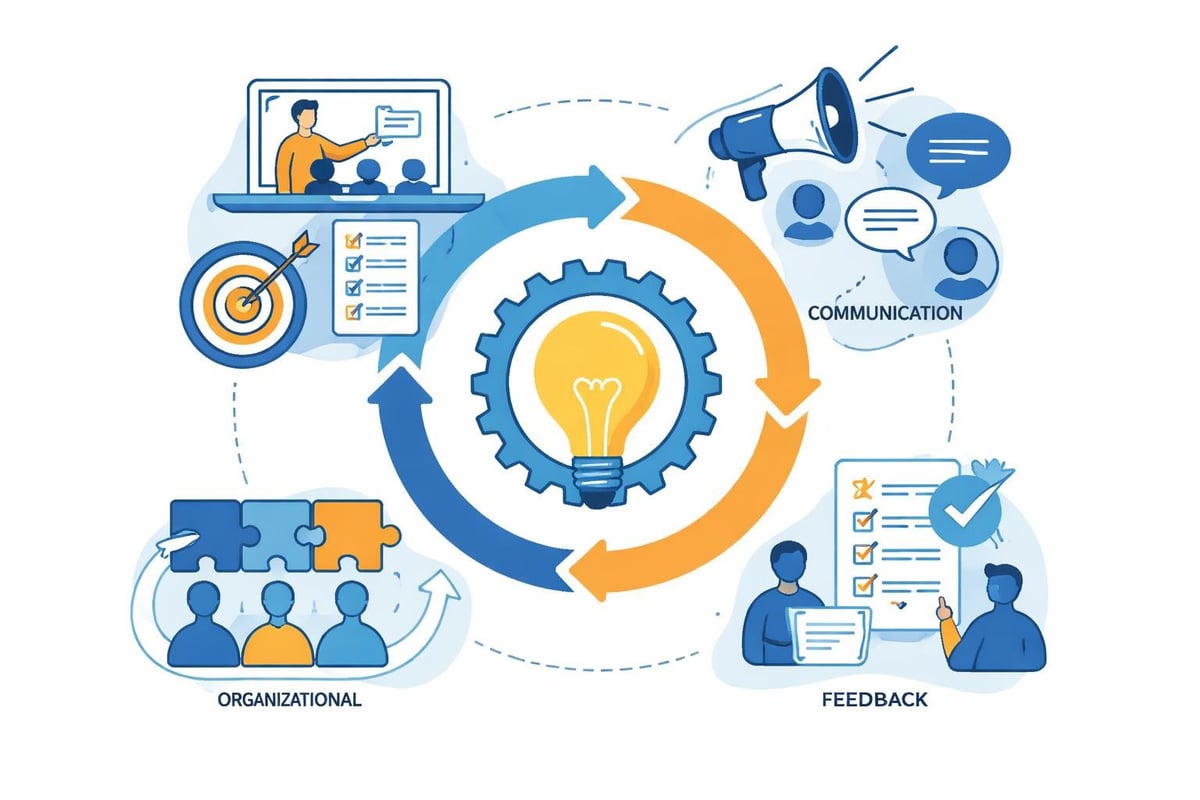
Building Effective Training Frameworks
Successful training frameworks require careful attention to communication at every stage of development and delivery. From initial needs assessment through to post-training evaluation, clear communication ensures that training initiatives address genuine business challenges and produce tangible outcomes.
Needs Assessment and Stakeholder Engagement
Before designing any training programme, organisations must engage in thorough needs assessment that involves multiple stakeholders. This process requires:
- Executive leadership to articulate strategic priorities and resource commitments
- Managers and supervisors to identify skill gaps and performance challenges
- Employees to share their learning preferences and development aspirations
- Subject matter experts to validate content accuracy and relevance
This collaborative approach ensures that training initiatives align with organisational objectives whilst meeting the practical needs of learners. My Training Network works closely with Canadian organisations to conduct comprehensive needs assessments that inform customised training solutions.
Designing Communication-Centric Training
Training programmes that prioritise communication skills deliver broader benefits than technical training alone. Whether developing clear workplace communication capabilities or enhancing active listening skills, communication-focused training creates ripple effects throughout organisations.
| Training Component | Communication Element | Organisational Impact |
|---|---|---|
| Learning Objectives | Clear, measurable outcomes | Aligned expectations |
| Content Delivery | Interactive, engaging methods | Enhanced retention |
| Practice Opportunities | Role-playing, simulation | Skill application |
| Feedback Mechanisms | Constructive, timely input | Continuous improvement |
Studies in healthcare settings have demonstrated the long-term effectiveness of structured communication training. Research examining communication skills training for oncologists showed sustained improvements in communication behaviors and attitudes over a twelve-month period, highlighting how well-designed programmes create lasting change.
Communication Strategies That Support Learning
Effective training and communication strategies extend far beyond the classroom or virtual learning environment. Organisations must create ecosystems where learning is reinforced through consistent, supportive communication across all channels.
Pre-Training Communication
Setting the stage for successful training begins weeks before the first session. Effective pre-training communication includes:
- Clear programme descriptions that outline objectives, expectations, and outcomes
- Logistical information covering schedules, locations, technology requirements
- Pre-work assignments that activate prior knowledge and build anticipation
- Manager briefings that equip supervisors to support their team members
- Cultural framing that positions learning as organisational priority
This preparatory communication transforms training from an isolated event into an integrated organisational initiative. When employees understand why they are participating in training and how it connects to broader business goals, engagement and motivation increase substantially.
During Training: Facilitating Meaningful Exchange
The training environment itself must model excellent communication practices. Skilled facilitators create psychological safety, encourage questions, and foster peer-to-peer learning. Emotionally intelligent workplace communication training helps participants develop the awareness and skills needed to navigate complex interpersonal dynamics.
Interactive training methodologies that emphasise communication include:
- Small group discussions that encourage diverse perspectives
- Case study analysis that applies concepts to realistic scenarios
- Peer feedback sessions that develop evaluation and coaching skills
- Reflection exercises that deepen personal insight
These approaches recognise that learning is fundamentally a communicative process. Knowledge is not simply transferred from instructor to learner; it is co-created through dialogue, questioning, and collaborative problem-solving.
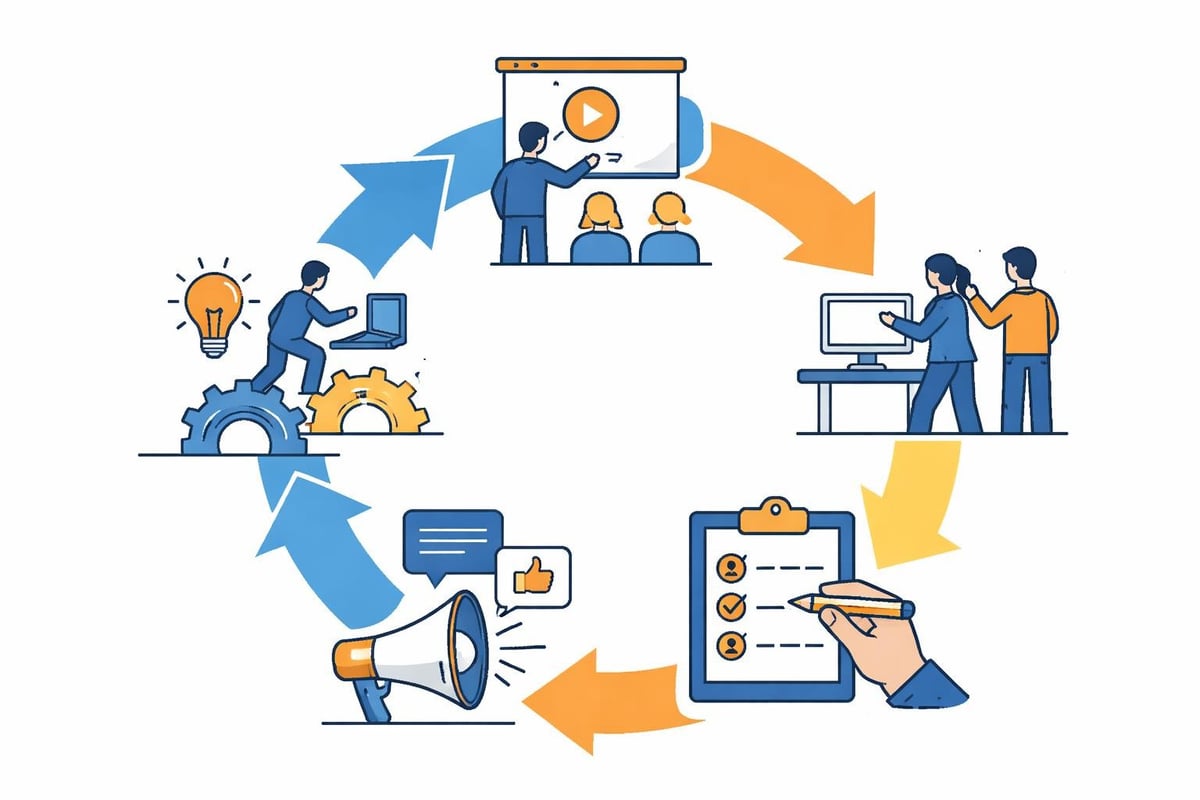
Measuring Impact and Communicating Results
Training and communication effectiveness can only be improved through systematic measurement and transparent reporting. Organisations that invest in training must also invest in robust evaluation frameworks that capture both quantitative and qualitative outcomes.
Multi-Level Evaluation Approaches
Comprehensive evaluation examines training impact at multiple levels:
| Evaluation Level | Focus Area | Communication Methods |
|---|---|---|
| Reaction | Learner satisfaction | Post-session surveys, verbal feedback |
| Learning | Knowledge acquisition | Assessments, quizzes, demonstrations |
| Behavior | On-the-job application | Observation, 360-degree feedback |
| Results | Business impact | Performance metrics, ROI analysis |
Systematic reviews of communication training efficacy in specialised fields such as oncology have demonstrated moderate effects on communication behavior and attitudes, underscoring the importance of rigorous evaluation methodologies.
Communicating Training Outcomes
Sharing evaluation results serves multiple purposes. It demonstrates accountability, celebrates success, identifies improvement opportunities, and builds support for future training investments. Effective communication of training outcomes involves:
- Executive dashboards that present high-level metrics and strategic insights
- Manager reports that highlight team-specific results and development needs
- Learner certificates that recognise achievement and encourage continued growth
- Organisational communications that showcase success stories and best practices
When training results are communicated transparently throughout the organisation, learning becomes visible and valued. This visibility reinforces the importance of continuous development and encourages broader participation in future training initiatives.
Specialised Training and Communication Applications
Different professional contexts require tailored approaches to training and communication. What works in one industry or function may require significant adaptation for another setting.
Healthcare and Human Services
Healthcare professionals face unique communication challenges when interacting with patients, families, and interdisciplinary teams. Communication skills training programmes for healthcare providers in chronic care settings highlight universal principles whilst offering adaptable strategies for diverse conditions.
Similarly, training interventions for staff working with individuals with profound intellectual and multiple disabilities emphasise the importance of specialised communication techniques that respect individual needs and capabilities.
Technical and Software Development Environments
Even highly technical fields benefit from enhanced communication capabilities. Corporate training in the software engineering industry increasingly recognises that technical expertise alone is insufficient-developers must also communicate effectively with stakeholders, document their work clearly, and collaborate across distributed teams.
Technical training programmes that incorporate communication components help bridge the gap between specialised knowledge and practical business application. Courses covering data fluency and performance metrics exemplify this integrated approach.
Leadership and Management Development
Leaders and managers serve as critical communication nodes within organisations. Their ability to articulate vision, provide feedback, facilitate difficult conversations, and inspire commitment directly impacts team performance and organisational culture.
Comprehensive leadership development programmes address multiple dimensions of communication:
- Strategic communication for casting vision and aligning teams
- Interpersonal communication for building relationships and trust
- Difficult conversations for addressing performance issues constructively
- Change communication for guiding teams through transitions
Building communication confidence and developing effective strategies for tough talks are essential capabilities for leaders at all organisational levels.

Emerging Technologies and Training Delivery
The landscape of training and communication continues to evolve as organisations adopt new technologies and delivery modalities. Virtual training, augmented reality, and artificial intelligence are reshaping how learning occurs and how communication flows within organisations.
Virtual and Hybrid Learning Environments
The shift toward remote and hybrid work has transformed training delivery. Virtual training platforms offer unprecedented flexibility and accessibility whilst presenting unique communication challenges. Successful virtual training requires:
- Enhanced visual communication through well-designed slides and screen sharing
- Intentional interaction design that compensates for reduced physical presence
- Technical proficiency from both facilitators and participants
- Clear protocols for engagement, questions, and collaboration
Virtual training environments demand greater communication discipline. Without the natural feedback of physical presence, facilitators must actively solicit input, monitor engagement cues, and create structured opportunities for participation.
Augmented Reality and Immersive Learning
Augmented reality applications in corporate training represent an exciting frontier for experiential learning. These technologies enable learners to practice complex skills in safe, simulated environments whilst receiving real-time feedback.
Immersive training experiences create powerful learning moments by engaging multiple senses and enabling hands-on practice. However, they also require sophisticated communication strategies to contextualise learning, debrief experiences, and translate simulation insights into workplace application.
Artificial Intelligence and Personalised Learning
Artificial intelligence is increasingly being integrated into training programmes to personalise learning pathways, provide adaptive feedback, and identify skill gaps. Understanding responsible AI use in the workplace is becoming essential for organisations implementing these technologies.
AI-enhanced training platforms can analyse learner performance, recommend relevant resources, and facilitate peer connections based on learning needs and interests. These capabilities enable more targeted, efficient training whilst creating new communication channels between learners, facilitators, and organisational leaders.
Creating Sustainable Learning Cultures
Training and communication initiatives achieve their greatest impact when embedded within broader organisational cultures that value continuous learning and open dialogue. Creating these cultures requires sustained commitment from leadership and intentional design of systems, processes, and norms.
Leadership Commitment and Modeling
Leaders set the tone for organisational learning culture through their actions and priorities. When executives participate in training, share their own development goals, and communicate openly about challenges and failures, they create psychological safety for others to do likewise.
Leadership behaviors that reinforce learning cultures include:
- Allocating dedicated time and resources for employee development
- Participating visibly in training programmes alongside team members
- Sharing lessons learned from leadership development experiences
- Recognising and rewarding continuous learning and skill application
- Incorporating learning objectives into performance management systems
Knowledge Sharing and Peer Learning
Formal training programmes provide essential foundations, but much workplace learning occurs through informal knowledge sharing and peer collaboration. Organisations can facilitate this informal learning by creating:
- Communities of practice that bring together employees with shared interests
- Mentoring programmes that connect experienced and developing professionals
- Internal knowledge repositories that capture and organise organisational wisdom
- Cross-functional projects that expose employees to diverse perspectives
Communication training for mentors in academic medicine emphasises the critical role of communication in effective mentoring relationships-principles that apply equally in corporate contexts.
Feedback Systems and Continuous Improvement
Organisations committed to learning excellence establish robust feedback systems that enable continuous refinement of training programmes and communication practices. These systems gather input from multiple sources:
- Learner feedback on training content, delivery, and relevance
- Manager observations of post-training behavior change and application
- Performance data linking training participation to business outcomes
- Trainer reflections on programme effectiveness and improvement opportunities
When feedback is systematically collected, analysed, and acted upon, training and communication practices evolve to meet changing organisational needs. This commitment to evidence-based improvement distinguishes organisations that achieve sustainable results from those where training remains a compliance exercise.
Integrating Training Across Employee Lifecycle
Strategic organisations recognise that training and communication needs vary across the employee lifecycle. From onboarding through to succession planning, each stage presents unique learning opportunities and communication requirements.
Onboarding and Early Integration
New employee onboarding sets the foundation for long-term success. Effective onboarding programmes combine structured training on systems and processes with ongoing communication support that helps newcomers navigate organisational culture and build relationships.
Comprehensive onboarding addresses:
- Role-specific technical skills through job shadowing and guided practice
- Organisational knowledge covering history, values, and strategic priorities
- Communication norms explaining how decisions are made and information flows
- Relationship building facilitating connections with colleagues and mentors
Mid-Career Development and Skill Expansion
As employees progress in their careers, their training needs shift toward leadership development, specialised expertise, and cross-functional collaboration. Courses addressing influencing others in the workplace and mastering project management help mid-career professionals expand their capabilities and prepare for greater responsibility.
Communication at this career stage focuses on:
- Career pathway discussions exploring advancement opportunities and development needs
- Skill gap identification through performance reviews and competency assessments
- Stretch assignments that challenge employees and accelerate growth
- Executive visibility creating opportunities to demonstrate capabilities to senior leaders
Leadership Transition and Succession
Preparing employees for leadership roles requires intensive training and communication support. Leadership transition programmes address both technical aspects of new roles and emotional dimensions of identity change.
Effective succession planning combines formal training with structured communication touchpoints:
| Transition Phase | Training Focus | Communication Approach |
|---|---|---|
| Preparation | Leadership competencies | Career conversations |
| Announcement | Role expectations | Stakeholder briefings |
| First 90 Days | Quick wins, relationship building | Frequent check-ins |
| Integration | Strategic thinking, culture shaping | 360-degree feedback |
Cross-Cultural Communication in Global Training
Organisations operating across geographical boundaries must navigate cultural differences in communication styles, learning preferences, and workplace norms. Training programmes designed for culturally diverse audiences require thoughtful adaptation and inclusive facilitation approaches.
Cultural Dimensions Affecting Learning
Cultural factors influence how employees engage with training content and interact during learning experiences. Key considerations include:
- Power distance affecting comfort with questioning authority or challenging ideas
- Individualism versus collectivism shaping preferences for competition or collaboration
- Communication directness influencing feedback styles and conflict approaches
- Time orientation affecting punctuality expectations and planning horizons
Indigenous cultural awareness training exemplifies how organisations can build cultural competence and create more inclusive workplaces through targeted learning initiatives.
Designing Culturally Responsive Training
Culturally responsive training design involves more than translation. It requires deep consideration of cultural values, learning traditions, and communication preferences. Effective approaches include:
- Incorporating diverse examples and case studies that reflect learner backgrounds
- Offering multiple participation modalities to accommodate different comfort levels
- Partnering with local facilitators who understand cultural nuances
- Building in time for relationship development before diving into content
- Providing materials in multiple languages where appropriate
Organisations that successfully integrate training and communication create competitive advantages that extend far beyond individual skill development. By building systems where learning is continuous, communication is transparent, and development is valued, companies position themselves to adapt quickly, innovate confidently, and engage employees meaningfully. Whether your organisation needs to strengthen leadership capabilities, enhance technical expertise, or build communication confidence across teams, My Training Network delivers customisable, instructor-led training solutions designed to produce measurable results. With expert trainers and over 150 courses available across Canada and virtually worldwide, we help organisations transform training investments into lasting performance improvements.

