

Unlock your true potential in 2026 by staying ahead with the latest training and consulting strategies. The professional world is evolving rapidly, and those who adapt will lead the way.
This comprehensive guide is designed to empower both individuals and organisations. Discover how to elevate your skills through cutting-edge training and consulting, positioning yourself for measurable success.
Inside, you will explore the newest trends, essential skills, practical training strategies, and actionable consulting best practices. Each step is crafted to help you future-proof your career or business.
Now is the time to invest in training and consulting. Take action, embrace innovation, and build a roadmap for continuous growth in an ever-changing landscape.
The Evolving Landscape of Training and Consulting in 2026
The landscape of training and consulting is undergoing rapid transformation as organisations and professionals prepare for 2026. New technologies, evolving workforce needs, and shifting business priorities are reshaping how learning and advisory services are delivered.
Key Industry Trends and Innovations
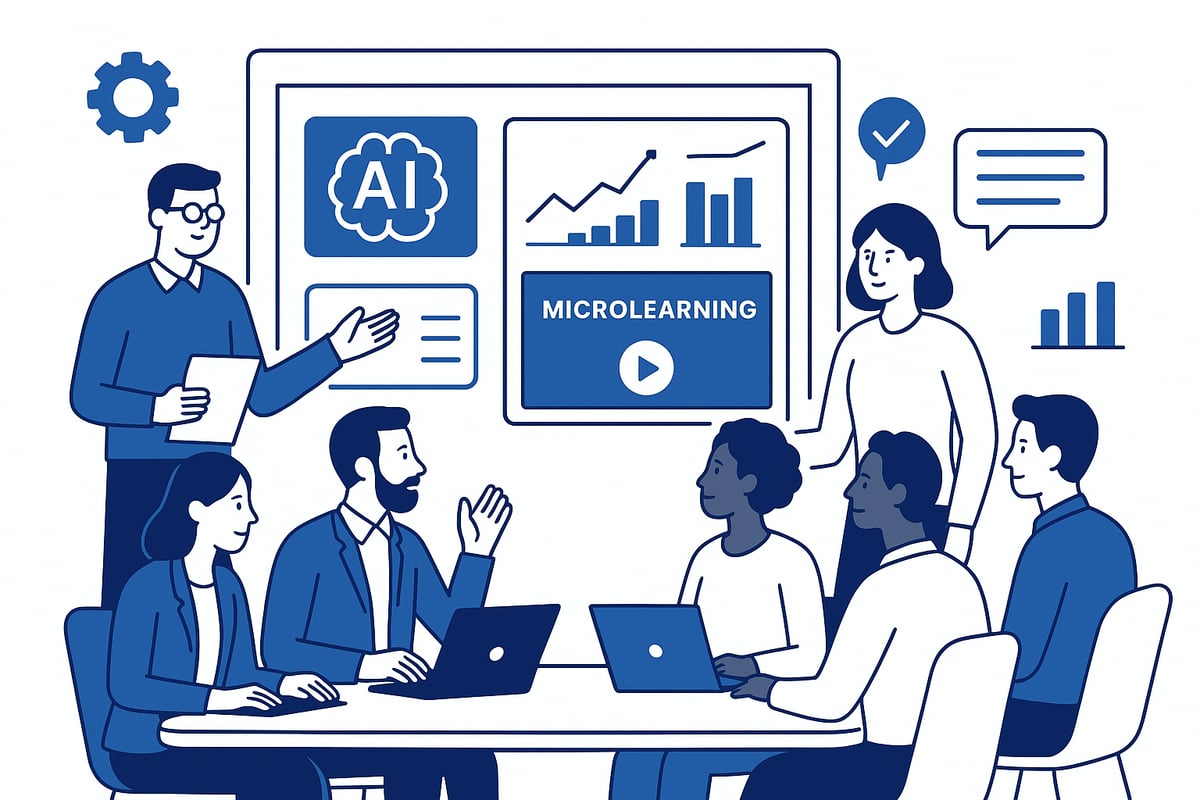
In 2026, training and consulting are defined by adaptability and innovation. Hybrid and remote learning models now dominate, offering flexibility to learners and clients. Virtual instructor-led training is on the rise, blending the benefits of live interaction with online convenience.
AI and adaptive learning platforms are revolutionising training and consulting by delivering highly personalised experiences. These technologies assess learner progress in real time and adjust content for optimal engagement. Microlearning—short, focused bursts of content—meets the demand for just-in-time skill acquisition and fits seamlessly into busy schedules.
Organisations increasingly value soft skills, leadership, and digital literacy. As a result, training and consulting programmes now integrate modules on communication, adaptability, and critical thinking, alongside technical expertise. Data analytics plays a critical role in measuring the effectiveness of these initiatives, allowing for continuous improvement.
Consulting is pivotal in driving digital transformation and managing change. Many Fortune 500 companies have adopted AI-driven learning platforms, using consultants to guide implementation and ensure alignment with business goals. The market reflects this momentum; according to recent projections, the tech consulting market is expected to surpass $400 billion in revenue by 2026.
Consider these key trends shaping the sector:
| Trend | Description | Impact in 2026 |
|---|---|---|
| Hybrid/Remote Learning | Flexible, location-independent delivery | Increased accessibility |
| AI & Adaptive Tech | Personalised training at scale | Higher engagement |
| Microlearning | Bite-sized, on-demand learning | Faster skill acquisition |
| Data Analytics | Measurement of training effectiveness | Improved ROI |
| Soft Skills Focus | Leadership, communication, and adaptability | Stronger workforce capability |
A striking statistic: 75% of organisations plan to increase investment in digital training and consulting by 2026 (LinkedIn Workplace Learning Report).
Challenges and Opportunities for Professionals and Organisations
Despite these advances, training and consulting professionals face several challenges. Rapid technological change and evolving workforce expectations can be difficult to navigate. Organisations often struggle to keep pace with emerging skills, particularly in fields like AI, cloud computing, and cybersecurity.
Addressing these skills gaps is essential for long-term success. Training and consulting experts play a crucial role in helping businesses identify needs and implement effective upskilling strategies. Leveraging external consultancy can accelerate organisational learning, especially in industries where change is constant.
Opportunities abound for those who embrace these shifts. Companies with robust training and consulting programmes are better positioned to attract, retain, and develop top talent. According to ATD Research, organisations investing in comprehensive training report 24% higher profit margins compared to their peers.
To thrive, professionals must cultivate both technical and soft skills. They should also remain agile, ready to adapt to new technologies and business models. By proactively engaging with innovative training and consulting methods, individuals and organisations can future-proof their success in 2026 and beyond.
Essential Skills to Succeed in 2026
To thrive in the evolving world of training and consulting, professionals must focus on developing a balanced mix of technical and interpersonal skills. As the workplace transforms, the right skill set will allow individuals and organisations to adapt, lead, and succeed.
Core Technical and Soft Skills in Demand
The landscape of training and consulting in 2026 demands a strong blend of digital expertise and human-centric abilities. Technical proficiency remains vital, but soft skills are increasingly valued as organisations navigate hybrid environments.
Key skills shaping the future:
| Skill Category | Examples | Importance in 2026 |
|---|---|---|
| Digital Skills | Data analysis, cloud, cybersecurity | Foundation for digital transformation |
| Soft Skills | Communication, adaptability, critical thinking, emotional intelligence | Essential for collaboration and leadership |
| Leadership & Management | Hybrid team management, coaching | Driving team performance and engagement |
| Consulting Skills | Problem-solving, project management, stakeholder engagement | Delivering client value and strategic advice |
The ability to interpret data, manage virtual teams, and foster a culture of innovation is paramount. For example, a global tech firm recently upskilled its teams to integrate AI solutions, resulting in improved productivity and faster decision-making.
Consultants are also expected to master advanced communication and analytical skills. For an in-depth look at these evolving requirements, see Key Skills Every Consultant Should Master in 2026.
Staying competitive in training and consulting means actively identifying gaps and embracing continuous improvement.
Strategies for Continuous Skill Development
A commitment to lifelong learning is essential for anyone invested in training and consulting. The pace of change requires both individuals and organisations to adopt structured approaches to skill growth.
Effective strategies include:
- Regular self-assessment and feedback to identify development needs.
- Enrolling in online courses, certifications, and interactive workshops for up-to-date knowledge.
- Engaging in peer learning, mentoring, and coaching for practical insights.
- Creating personal learning plans aligned with career objectives in training and consulting.
Blended learning formats are increasingly popular, with 60% of employees expressing a preference for a mix of online and face-to-face training. This approach supports flexibility and caters to diverse learning styles.
Organisations can further support growth by encouraging knowledge sharing and providing access to high-quality resources. By investing in continuous development, both professionals and businesses position themselves for long-term success in training and consulting.
Step-by-Step Guide to Building an Effective Training Plan
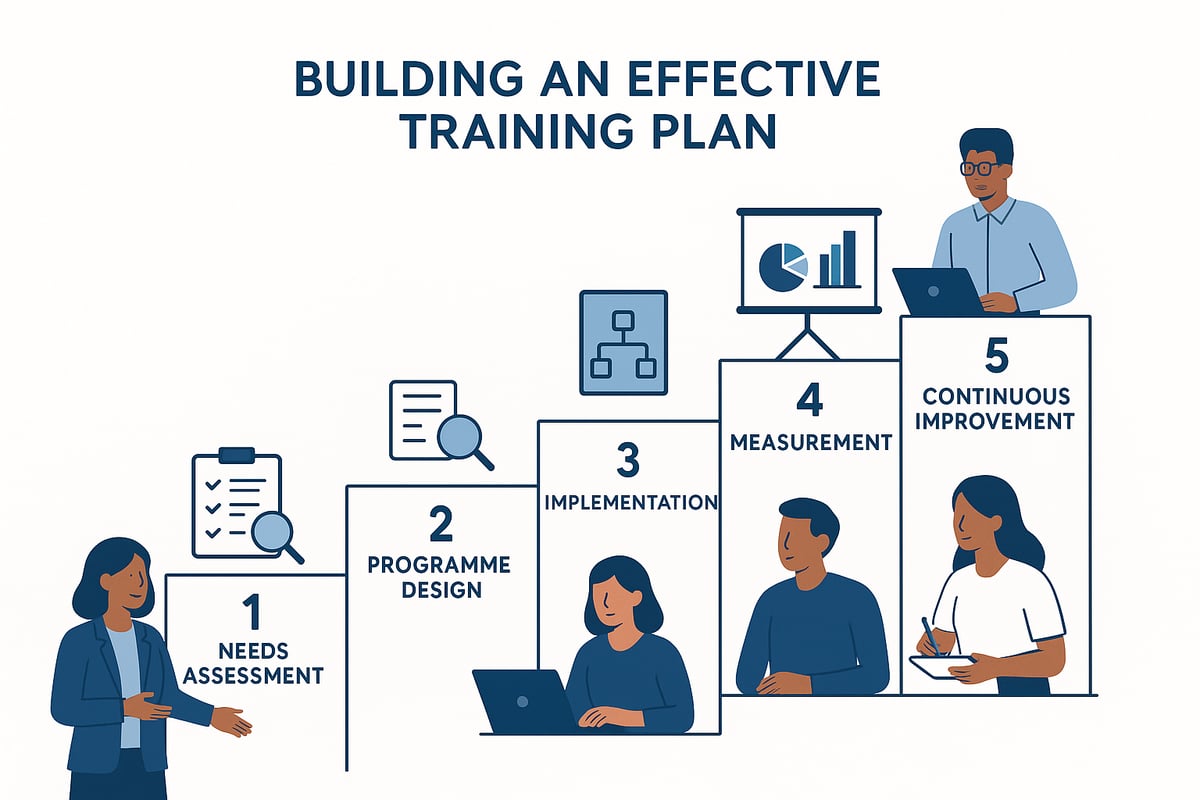
Building a robust training and consulting strategy is crucial for success in 2026. A well-structured plan bridges skills gaps, drives engagement, and supports growth. Follow this step-by-step guide to create an impactful training and consulting programme that delivers measurable results for both individuals and organisations.
Step 1: Assess Organisational and Individual Needs
The first step in a successful training and consulting plan is a thorough assessment of both organisational and individual needs. This ensures that resources are directed where they will have the greatest impact.
Begin by conducting a comprehensive skills gap analysis. Use methods such as employee surveys, performance reviews, and interviews to identify current capabilities and areas needing development. Analytics tools can help pinpoint priority skills, especially those linked to strategic goals.
Align training and consulting objectives with your organisation’s mission and business strategy. For example, if digital transformation is a priority, assess the current level of digital literacy and readiness for change among your teams.
Consider using a simple table to map out skills gaps:
| Skill Area | Current Level | Desired Level | Gap |
|---|---|---|---|
| Data Analysis | Intermediate | Advanced | Medium |
| Leadership | Basic | Advanced | High |
| Project Management | Intermediate | Advanced | Medium |
By systematically assessing needs, you lay the foundation for a targeted and effective training and consulting initiative.
Step 2: Design Customised Training Programmes
Once needs are identified, the next step is to design bespoke training and consulting programmes. Choose learning content and delivery methods that match your audience and objectives.
Consider a blend of in-person, virtual, and microlearning formats to accommodate diverse learning preferences. Interactive modules, simulations, and case studies foster engagement and retention. For leadership development, you might explore Leadership and Management Courses to access specialised resources.
It is important to tailor content to address both technical and soft skills. Incorporate real-world scenarios and role-playing exercises to make learning relevant and practical.
For example, a mid-sized company might develop a leadership programme specifically for mid-level managers, combining online modules with live workshops and peer coaching. This approach ensures the training and consulting process is both flexible and targeted.
Customisation maximises relevance and boosts motivation, setting the stage for successful implementation.
Step 3: Implement Training Initiatives
With programmes designed, effective implementation is critical to the success of your training and consulting efforts. Plan carefully to ensure high engagement and accessibility for all participants.
Schedule sessions at times that minimise disruption and maximise participation. Use expert trainers and facilitators who can adapt content delivery to different learning styles. Incorporate interactive elements such as group discussions, polls, and hands-on activities.
Accessibility and inclusivity must be prioritised. Provide materials in multiple formats and offer support for learners with different needs. Ensure that all employees, regardless of location or background, can participate fully in the training and consulting process.
A clear communication plan helps set expectations and keeps everyone informed. Ongoing support and follow-up opportunities further enhance the effectiveness of implementation.
Step 4: Measure and Optimise Training Effectiveness
Measuring the impact of your training and consulting initiatives is essential for continuous improvement. Collect both quantitative and qualitative feedback from participants after each session.
Track learning outcomes through assessments, quizzes, and performance metrics. Use analytics to identify trends, strengths, and areas needing further development. For example, an organisation might see improved employee retention rates after introducing post-training assessments and follow-up coaching.
Regularly review and refine programmes based on this data. Adjust content, format, or delivery methods as needed to better meet evolving needs. Set clear KPIs such as knowledge gain, behavioural change, and business impact to evaluate success.
A commitment to measurement ensures that your training and consulting investments deliver real value and support strategic goals.
Step 5: Foster a Culture of Continuous Improvement
The final step is to embed continuous improvement into your training and consulting strategy. Encourage knowledge sharing and peer coaching across teams to reinforce learning and foster collaboration.
Recognise and reward individuals who demonstrate commitment to skill development. This could include public acknowledgement, professional development opportunities, or incentives. Companies with a strong learning culture are 92 percent more likely to innovate, according to Deloitte Insights.
Promote open communication and feedback to identify new opportunities for growth. Invest in platforms and resources that make ongoing learning accessible and engaging for everyone.
By cultivating a learning-focused environment, organisations ensure their training and consulting initiatives remain dynamic and impactful, preparing teams for future challenges.
Consulting Best Practices: Maximising Impact and Value
In the world of training and consulting, maximising value from expert guidance is crucial for sustainable growth. As organisations evolve, the right consulting approach can be the catalyst for meaningful transformation, driving both immediate results and long-term capability.
The Role of Consultants in Organisational Growth
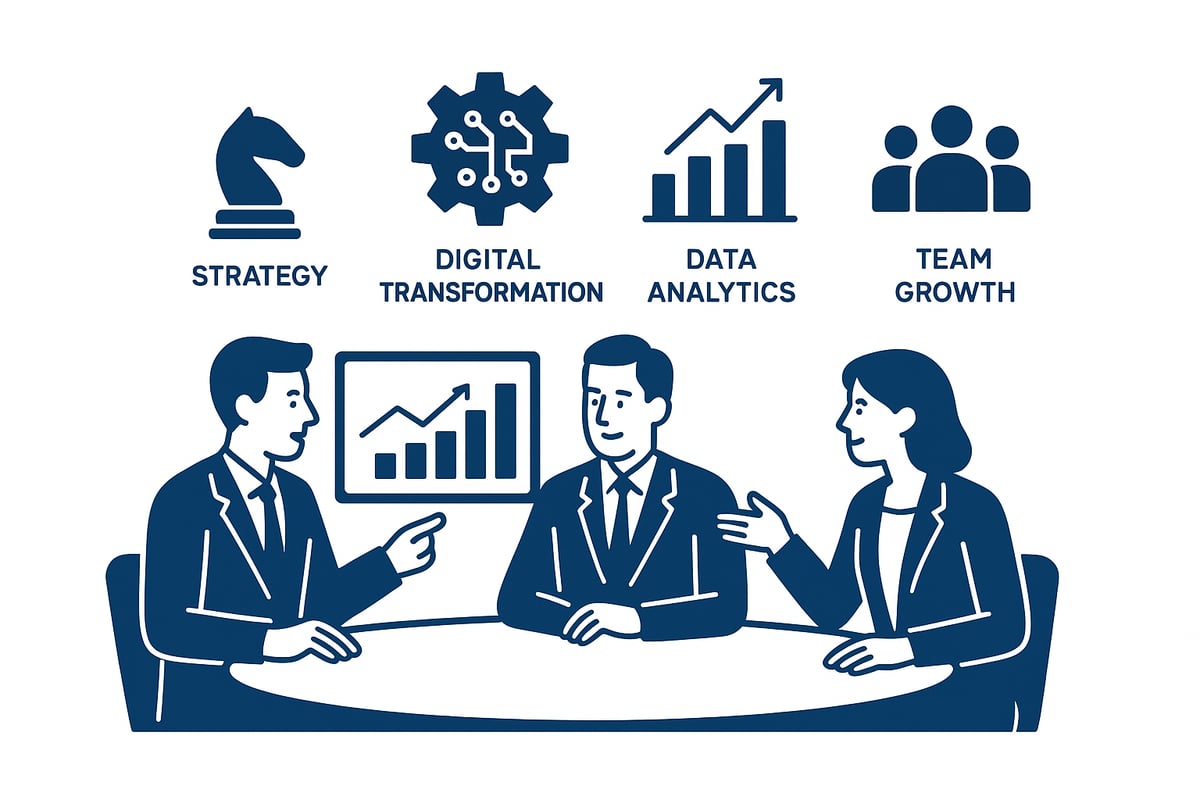
Consultants play a pivotal role in shaping the future of organisations through strategic expertise and hands-on support. Within training and consulting, their influence extends to areas such as digital transformation, operational excellence, and cultural change.
Effective consultants help align diverse stakeholder groups, ensuring everyone moves towards common objectives. By providing tailored advice, they unlock organisational agility and resilience. For example, a consultant-led project introducing AI-powered learning platforms resulted in a 30 percent productivity increase, demonstrating the tangible benefits of expert intervention.
In 2026, the demand for consultants who can bridge the gap between technical innovation and human factors will continue to rise. Their ability to guide organisations through complex transitions highlights the synergy between training and consulting, making them essential partners in sustainable growth.
Best Practices for Engaging with Consultants
To achieve maximum impact from training and consulting, organisations must adopt a structured and collaborative approach when working with consultants. Start by defining clear goals and measurable outcomes. This ensures every engagement is aligned with broader business objectives.
Selecting consultants with industry-specific knowledge is vital. Look for a proven track record in areas such as digital transformation or change management. Building a partnership based on trust and open communication fosters innovation and long-term success.
Consider leveraging modern solutions, such as Change Management with AI, to enhance consulting outcomes in rapidly evolving environments. According to Consultancy.org, 80 percent of organisations report higher ROI from customised consulting engagements. This underscores the importance of tailored strategies and the integration of advanced technologies within training and consulting.
A summary of best practices:
| Best Practice | Benefit |
|---|---|
| Define clear objectives | Measurable results |
| Select industry experts | Relevant, actionable insights |
| Foster collaboration | Sustainable change |
| Integrate AI solutions | Accelerated transformation |
Measuring Consulting Success
Evaluating the effectiveness of training and consulting initiatives requires a robust measurement framework. Establish key performance indicators (KPIs) at the outset, such as productivity gains, employee engagement, or project completion rates.
Regularly gather feedback from all stakeholders. This ensures that the consulting process remains transparent and responsive to evolving needs. Performance benchmarks and post-engagement assessments provide objective metrics for continuous improvement.
Embrace iterative consulting cycles, where outcomes are reviewed and strategies are refined. This approach ensures that training and consulting efforts deliver ongoing value, supporting innovation and adaptability as business landscapes shift.
By focusing on clear metrics and stakeholder involvement, organisations can confidently measure the true impact of their consulting investments.
Tools, Resources, and Platforms for Training and Consulting Success
In 2026, harnessing the right tools and resources is essential for maximising your training and consulting outcomes. The sheer variety of platforms, networks, and technologies available can feel overwhelming, but a strategic approach will ensure you make informed choices that align with your goals.
Leading Learning Management Systems (LMS) and Platforms
Choosing a robust LMS is foundational for any training and consulting strategy. Top platforms for 2026 include Moodle, SAP SuccessFactors, and Cornerstone OnDemand, each offering unique strengths for diverse organisational needs.
| LMS Platform | AI Integration | Mobile Compatibility | Analytics Dashboard |
|---|---|---|---|
| Moodle | Yes | Yes | Yes |
| SAP SuccessFactors | Yes | Yes | Yes |
| Cornerstone OnDemand | Yes | Yes | Yes |
These systems provide AI-driven personalisation, intuitive interfaces, and data-rich reporting. According to the 2026 Training Industry Statistics, 68% of organisations cite LMS usability as a critical factor for adoption, reinforcing the importance of selecting a platform that fits your training and consulting objectives.
Online Course Providers and Certification Programmes
Online learning platforms are central to continuous development in training and consulting. Providers like Coursera, LinkedIn Learning, and Udemy offer a wide range of courses, from technical skills to leadership essentials.
Many of these platforms partner with top universities and industry leaders, ensuring content remains current and relevant. Popular certifications in digital transformation, project management, and people development are highly sought after in the training and consulting field. Leveraging these resources accelerates upskilling and keeps your knowledge competitive.
Resource Hubs and Professional Networks
Access to vibrant communities and up-to-date resources can significantly enhance training and consulting success. Industry associations, online forums, and peer networks offer templates, toolkits, and best practice guides tailored to evolving needs.
For those focused on workplace culture and ongoing people development, exploring dedicated categories like Workplace Culture and People Development can provide targeted support. Engaging with these networks fosters collaboration and keeps you informed about new trends and innovations in training and consulting.
Evaluating and Selecting the Right Tools
Selecting the right tools for training and consulting requires careful consideration. Prioritise platforms that offer scalability, customisation, and an excellent user experience, along with responsive support.
Key evaluation criteria include:
- Integration with existing systems
- Flexibility for hybrid or remote learning
- Data security and compliance
- Ongoing updates and customer service
By aligning your choices with organisational needs and future objectives, you ensure that your training and consulting initiatives remain agile and effective in the face of industry change.
Future-Proofing Your Career or Organisation: Actionable Next Steps
Adapting to change is no longer optional. If you want to stay competitive, you must take proactive steps to future-proof your career or organisation. The right training and consulting approach gives you the edge to navigate 2026’s evolving landscape.
Start by setting clear, measurable goals for upskilling and reskilling. Use the SMART framework to ensure objectives are specific, measurable, achievable, relevant, and time-bound. Allocate dedicated time and resources for development, making learning an ongoing priority rather than a one-off event. For those focusing on consulting or leadership roles, consider building essential project management skills through targeted courses, such as Project Management Essentials.
Stay ahead by actively seeking out emerging opportunities in training and consulting. Monitor industry trends, such as the integration of AI and evolving operating models, to anticipate skill requirements before they become mainstream. Regularly consult resources like HR Trends in Consulting for 2026 to keep your strategies aligned with the future of work.
Successful organisations foster a culture of continuous learning, embracing both digital and human-centric approaches. For example, a leading UK firm recently launched a company-wide upskilling initiative, using microlearning modules and peer coaching to close critical skill gaps. This investment in training and consulting led to improved staff retention and greater adaptability in the face of rapid change.
Overcoming resistance to change is crucial. Engage stakeholders early, communicate the benefits of training and consulting, and secure leadership support. Address concerns with transparency and encourage feedback to foster buy-in across all levels of the business.
Now is the time to take action. Map out your development journey, leverage available resources, and commit to regular progress reviews. By embracing a strategic approach to training and consulting, you empower yourself and your organisation to thrive in 2026 and beyond.

