

Training and professional development represents one of the most strategic investments organisations can make in their workforce. In today's rapidly evolving business landscape, companies that prioritise continuous learning consistently outperform competitors, retain top talent, and adapt more effectively to market disruptions. Yet many organisations struggle to design programmes that deliver measurable results whilst simultaneously engaging employees and aligning with strategic objectives. Understanding the fundamental principles, implementation strategies, and emerging trends in training and professional development has become essential for business leaders seeking sustainable competitive advantage.
The Strategic Foundation of Workplace Learning
Organisations across Canada are recognising that training and professional development extends far beyond basic compliance training or occasional workshops. Successful programmes integrate multiple learning methodologies, address diverse skill gaps, and create pathways for sustained employee growth.
Building a Comprehensive Development Framework
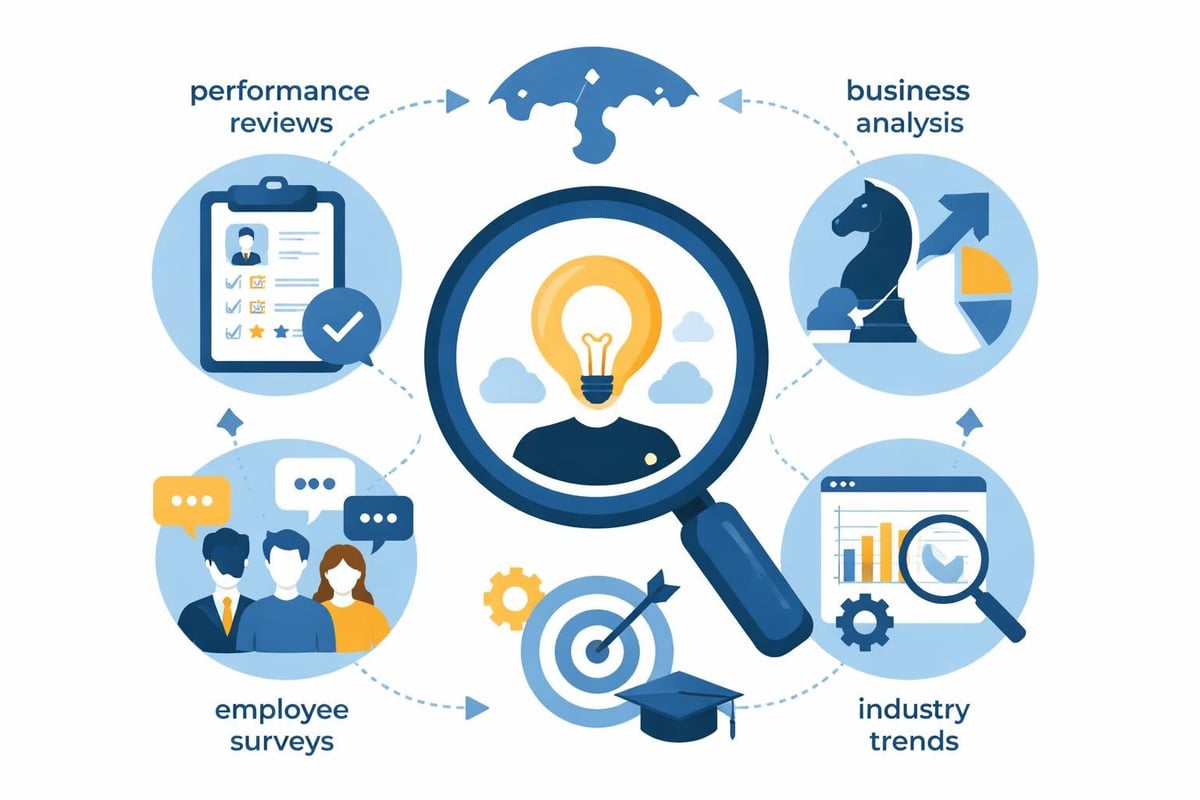
Effective frameworks begin with thorough needs assessment. Leaders must identify current capability gaps, anticipate future skill requirements, and understand individual employee aspirations. This alignment ensures that training workshops deliver tangible value rather than simply checking boxes.
Key components of robust frameworks include:
- Clear learning objectives tied to business outcomes
- Multiple delivery formats accommodating different learning styles
- Regular assessment and feedback mechanisms
- Leadership support and participation
- Accessible resources for ongoing skill reinforcement
The most successful organisations treat development as an ongoing journey rather than isolated events. According to professional development research, continuous learning cultures demonstrate 30-50% higher employee engagement scores compared to organisations with limited development opportunities.
Aligning Learning With Organisational Goals
Strategic alignment transforms training from an expense into an investment. Programmes must directly support business objectives whether improving customer satisfaction, accelerating digital transformation, or developing future leaders.
| Business Objective | Training Focus | Expected Outcome |
|---|---|---|
| Revenue Growth | Sales skills, negotiation techniques | Increased conversion rates |
| Digital Innovation | Technical workshops, AI literacy | Faster technology adoption |
| Employee Retention | Career development, leadership pathways | Reduced turnover costs |
| Customer Excellence | Service quality, communication skills | Higher satisfaction scores |
When development initiatives connect clearly to strategic priorities, securing executive support and budget allocation becomes significantly easier. Organisations can demonstrate return on investment through improved performance metrics, reduced error rates, and enhanced productivity.
Designing High-Impact Learning Experiences
The effectiveness of training and professional development depends heavily on programme design. Well-structured learning experiences incorporate adult learning principles, practical application opportunities, and appropriate challenge levels.
Selecting Optimal Delivery Methods
Different learning objectives require different approaches. Technical skills often benefit from hands-on practice, whilst leadership development typically demands reflection, coaching, and experiential learning.
Instructor-led training remains highly effective for complex topics requiring interaction, discussion, and immediate feedback. Expert facilitators adapt content in real-time, address specific questions, and create accountability through group dynamics.
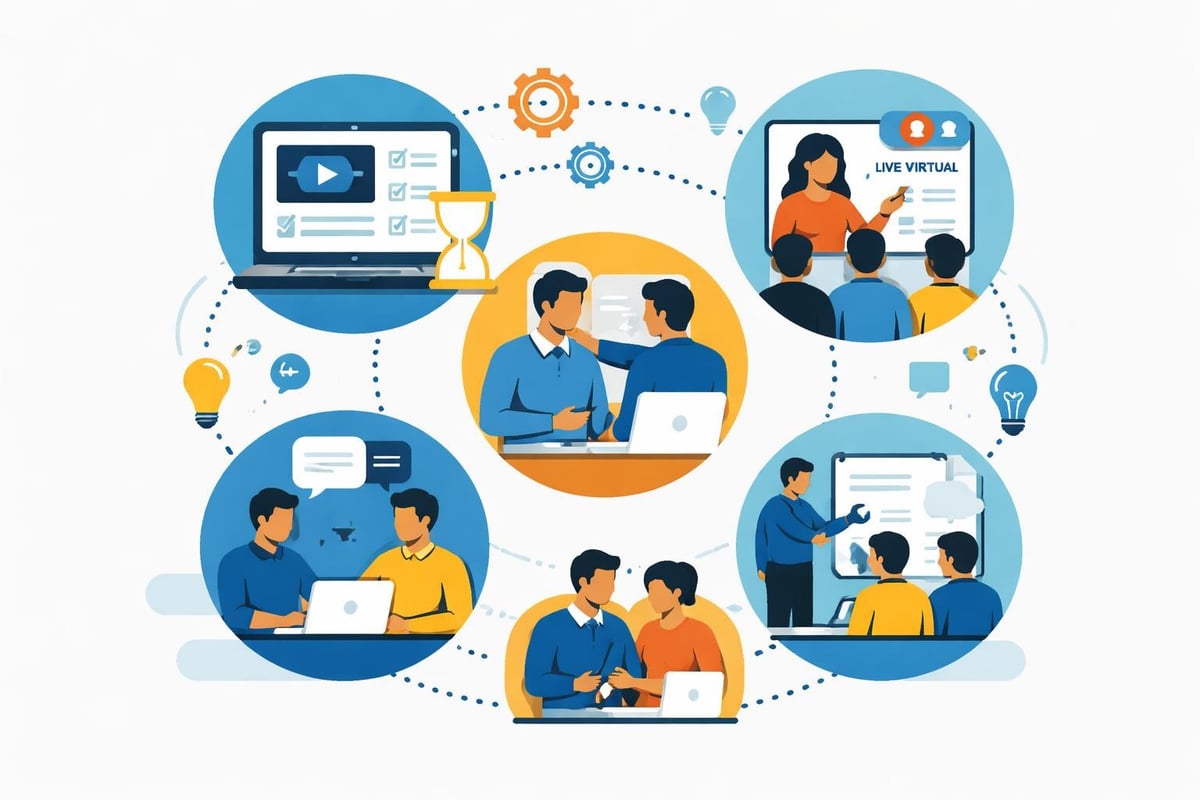
Blended learning combines multiple modalities, offering flexibility whilst maintaining engagement. Pre-work modules establish foundational knowledge, live sessions enable collaborative problem-solving, and post-training reinforcement activities ensure long-term retention.
For organisations seeking structured guidance, the CDC’s quality training standards provide excellent frameworks for evaluating programme design and delivery effectiveness.
Incorporating Adult Learning Principles
Adults learn differently than children, requiring practical relevance, autonomy, and respect for existing experience. Successful programmes acknowledge participants' expertise whilst introducing new perspectives and capabilities.
Effective facilitators create psychologically safe environments where learners feel comfortable taking risks, asking questions, and admitting knowledge gaps. This openness accelerates skill acquisition and promotes genuine behavioural change.
Essential adult learning considerations:
- Establish clear relevance to current job responsibilities
- Provide opportunities for self-directed exploration
- Build upon existing knowledge and experience
- Enable immediate practical application
- Offer choices in learning pathways and pace
The most memorable learning experiences connect emotionally, challenge assumptions, and provide actionable tools participants can implement immediately upon returning to their roles.
Implementing Effective Development Programmes
Even brilliantly designed programmes fail without proper implementation. Successful execution requires careful planning, stakeholder engagement, and attention to logistical details.
Securing Leadership Buy-In
Executive support transforms training and professional development from optional activities into organisational priorities. Leaders who visibly participate in learning, discuss development in team meetings, and allocate resources signal genuine commitment.
Gaining this support requires presenting clear business cases demonstrating projected returns. Quantify expected improvements in productivity, quality, employee retention, or customer satisfaction. Compare programme costs against potential gains, highlighting both financial and strategic benefits.
When senior leaders actively champion learning initiatives, participation rates increase dramatically and employees take development opportunities more seriously. This creates momentum that sustains programmes beyond initial implementation.

Creating Supportive Learning Environments
Physical and cultural environments significantly impact learning effectiveness. Comfortable training spaces, appropriate technology, and minimised distractions enable focus and engagement.
Equally important is the organisational culture surrounding development. When managers allow time for learning, encourage knowledge sharing, and reward skill application, employees invest more fully in their growth.
Environmental factors that enhance learning:
- Dedicated training spaces free from workplace interruptions
- Technology supporting collaborative activities and resource access
- Scheduling that respects work-life balance and operational demands
- Managers who reinforce training concepts in daily operations
- Recognition systems acknowledging skill development achievements
Many organisations partner with specialists like professional CV writers to help employees articulate and showcase newly acquired competencies, reinforcing the value of continuous development.
Measuring Impact and Demonstrating Value
Training and professional development programmes must demonstrate tangible results to justify continued investment. Comprehensive evaluation extends beyond participant satisfaction to measure behavioural change and business impact.
Establishing Meaningful Metrics
Different stakeholders require different evidence of programme effectiveness. Executives focus on business outcomes, managers seek behavioural improvements, and employees value personal growth and career advancement.
| Evaluation Level | Measurement Focus | Example Metrics |
|---|---|---|
| Reaction | Participant satisfaction | Post-session ratings, feedback comments |
| Learning | Knowledge acquisition | Pre/post assessments, skill demonstrations |
| Behaviour | On-the-job application | Manager observations, performance reviews |
| Results | Business impact | Productivity increases, error reduction, revenue growth |
The CPD Authority’s guidelines on content quality emphasise measuring not just participation but actual competency development and professional practice improvement.
Effective measurement begins during programme design by establishing baseline performance and defining success criteria. This enables accurate tracking of improvement and attribution of results to specific learning interventions.
Gathering and Analysing Feedback
Continuous feedback loops drive programme refinement. Immediate post-training surveys capture initial reactions whilst delayed assessments measure long-term retention and application.
Valuable feedback sources include:
- Participant evaluations immediately following sessions
- Manager assessments of behavioural changes 30-90 days post-training
- Performance metric comparisons before and after development
- Focus groups exploring barriers to skill application
- Business outcome tracking aligned with programme objectives
Organisations committed to excellence regularly review feedback, identify improvement opportunities, and adapt programmes accordingly. This iterative approach ensures training and professional development remains relevant amidst changing business conditions.
Addressing Diverse Development Needs
Effective programmes accommodate varying experience levels, learning preferences, and career aspirations. One-size-fits-all approaches typically satisfy no one whilst customised pathways engage diverse populations.
Tailoring Content for Different Audiences
New employees require foundational skills and organisational knowledge. Mid-career professionals seek advanced techniques and specialisation. Senior leaders need strategic thinking capabilities and executive presence. Programmes must address these distinct requirements whilst maintaining quality and coherence.
Emotional intelligence training benefits every organisational level but requires different emphasis. Frontline staff focus on self-awareness and relationship management, whilst executives explore strategic applications in change leadership and stakeholder engagement.
Technical roles demand ongoing capability updates as tools and methodologies evolve. Project management professionals need exposure to emerging frameworks, whilst customer service teams benefit from enhanced communication skills and conflict resolution techniques.
Supporting Career Progression
Training and professional development becomes most powerful when integrated into clear career pathways. Employees who understand how skill development connects to advancement opportunities demonstrate higher engagement and programme completion rates.
Successful organisations map competencies required for each role level, identify development activities building those capabilities, and provide transparent progression criteria. This clarity motivates self-directed learning and helps individuals take ownership of their growth.
For professionals exploring international opportunities, resources like SBUB Group Ltd. demonstrate how educational advancement opens doors globally, reinforcing the long-term value of continuous skill development.
Leveraging Technology in Modern Learning
Digital tools have transformed training and professional development delivery, enabling personalisation, scalability, and data-driven insights previously impossible with traditional methods.
Selecting Appropriate Learning Technologies
Learning management systems track participation, house resources, and facilitate assessment. Video conferencing platforms enable virtual instructor-led sessions reaching geographically dispersed teams. Microlearning applications deliver bite-sized content fitting busy schedules.
The key is matching technology to learning objectives rather than adopting tools simply because they're available. Complex interpersonal skills like difficult conversations or conflict resolution still benefit enormously from live facilitation despite technological capabilities.
Technology selection criteria:
- Alignment with learning objectives and content types
- User experience quality and accessibility features
- Integration capabilities with existing systems
- Scalability to accommodate organisational growth
- Data analytics supporting continuous improvement
Resources such as NYU’s professional development databases showcase the breadth of digital learning resources available, from technical skills to leadership development.
Balancing Digital and Human Interaction
Whilst technology enables efficiency and flexibility, human connection remains central to meaningful development. The most effective programmes blend digital convenience with interpersonal engagement.
Virtual training succeeds when facilitators create interactive experiences through breakout discussions, collaborative activities, and real-time problem-solving. Simply broadcasting content fails to engage learners or produce lasting behavioural change.
Hybrid approaches offer compelling advantages: self-paced digital modules establish foundational knowledge, live sessions enable practice and feedback, and ongoing coaching supports application in real work contexts.
Fostering Continuous Learning Cultures
Sustainable training and professional development extends beyond formal programmes to embedded learning cultures where growth becomes part of daily work.
Building Knowledge-Sharing Practices
Organisations rich in tacit knowledge often struggle to capture and transfer expertise. Structured knowledge-sharing practices multiply the value of individual development by distributing insights across teams.
Effective knowledge-sharing mechanisms:
- Communities of practice connecting specialists across departments
- Mentoring programmes pairing experienced and developing employees
- Internal presentations showcasing project learnings
- Documentation systems capturing best practices and lessons learned
- Cross-functional rotations exposing employees to diverse perspectives
When employees regularly share what they're learning, organisations benefit from accelerated capability building and reduced knowledge loss during transitions or departures.
Encouraging Self-Directed Development
Whilst structured programmes provide foundational capabilities, self-directed learning drives sustained growth. Employees who take ownership of their development consistently outperform those relying solely on assigned training.
Supporting self-direction requires providing resources, time, and encouragement. Learning libraries, conference attendance budgets, and dedicated development time signal organisational commitment to continuous growth.
The Library of Congress professional development resources exemplify how quality learning materials can support self-directed exploration across diverse topics and skill levels.
Navigating Common Implementation Challenges
Even well-designed training and professional development programmes encounter obstacles. Anticipating common challenges enables proactive mitigation rather than reactive problem-solving.
Overcoming Time Constraints
Employees and managers frequently cite lack of time as the primary barrier to development participation. Operational demands often take precedence over learning activities, particularly during busy periods.
Addressing this challenge requires demonstrating that development saves time long-term through improved efficiency, reduced errors, and enhanced capability. Scheduling programmes during slower periods, offering flexible timing options, and keeping sessions focused and action-oriented increases participation.
Time management strategies:
- Microlearning modules requiring 15-20 minutes rather than full days
- Just-in-time training aligned with immediate application needs
- Asynchronous options enabling learning at individual convenience
- Executive messaging emphasising development as priority work
- Integration of learning into regular team meetings and workflows
Many professionals also benefit from time management training itself, learning to prioritise development amidst competing demands.
Ensuring Knowledge Transfer
Training attendance doesn't guarantee workplace application. Without deliberate transfer strategies, participants often revert to familiar behaviours despite new knowledge.
Effective transfer requires pre-training preparation, post-training reinforcement, and manager support. Before sessions, participants identify specific application opportunities. Afterwards, they create action plans, receive coaching, and report progress.
Manager involvement proves critical. When supervisors discuss training content, observe application attempts, and provide constructive feedback, new skills become embedded in daily practice.
Emerging Trends Shaping Future Development
Training and professional development continues evolving as technology advances, workplace dynamics shift, and employee expectations change. Forward-thinking organisations monitor trends and adapt programmes accordingly.
Artificial Intelligence in Learning
AI applications are transforming personalised learning, content curation, and skill gap analysis. Adaptive learning platforms adjust difficulty based on individual performance whilst predictive analytics identify employees likely to benefit from specific development interventions.
AI literacy training itself has become essential as these technologies reshape every industry. Understanding AI capabilities, limitations, and ethical considerations now constitutes core professional competency across roles.
However, technology complements rather than replaces human expertise. Expert trainers provide context, facilitate complex discussions, and adapt dynamically to learner needs in ways current AI cannot replicate.
Focus on Wellbeing and Resilience
Organisations increasingly recognise that employee wellbeing directly impacts performance, retention, and organisational culture. Development programmes now regularly incorporate mental health awareness, stress management, and resilience building.
These topics prove particularly relevant given ongoing workplace changes, hybrid work arrangements, and accelerating business pace. Employees equipped with wellbeing skills demonstrate greater adaptability, sustained performance, and reduced burnout risk.
Skills-Based Talent Management
Progressive organisations are shifting from role-based to skills-based talent strategies. Rather than rigid job descriptions, they map required capabilities and develop employees across broader skill portfolios.
This approach increases organisational agility, enables more dynamic career pathways, and better prepares workforces for evolving business needs. Training and professional development becomes central to building these fluid skill ecosystems rather than preparing individuals for narrow, static positions.
Creating Inclusive Development Opportunities
Equity in training and professional development access ensures all employees can reach their potential regardless of background, identity, or circumstances.
Removing Participation Barriers
Traditional programmes often inadvertently exclude certain populations. Evening sessions disadvantage caregivers, travel requirements limit accessibility for employees with disabilities, and English-only content excludes non-native speakers.
Inclusive design considers diverse needs from programme inception. Offering multiple session times, providing virtual participation options, ensuring venue accessibility, and translating materials expands reach whilst demonstrating organisational commitment to equity.
Inclusive programme elements:
- Flexible scheduling accommodating different responsibilities
- Hybrid delivery enabling participation regardless of location
- Captioning and translation services supporting language diversity
- Financial support for external certifications and conferences
- Mentoring programmes connecting underrepresented employees with sponsors
Diversity, equity, and inclusion training helps organisations identify and address systemic barriers whilst building cultural competence across teams.
Customising for Individual Learning Needs
Employees process information differently, requiring varied approaches to maximise learning effectiveness. Visual learners benefit from diagrams and demonstrations, auditory learners from discussions and explanations, and kinaesthetic learners from hands-on practice.
Incorporating multiple modalities within programmes ensures all participants can engage effectively. Pre-reading accommodates reflective learners, interactive activities support collaborative learners, and individual exercises enable independent processing.
Effective training and professional development creates competitive advantage through enhanced capabilities, stronger engagement, and organisational agility amidst constant change. By implementing strategic programmes that align with business objectives, accommodate diverse learning needs, and demonstrate measurable impact, organisations position themselves for sustained success. My Training Network delivers customised, instructor-led training solutions across Canada and globally, partnering with organisations to build high-performing teams through over 150 expert-facilitated courses covering leadership, technical skills, and essential workplace competencies.

