

In 2026, the world of training custom is transforming at an unprecedented pace, driven by the demand for personalisation and measurable results. Individuals and organisations can no longer rely on generic approaches if they want to achieve peak performance and true engagement.
This article explores why mastering training custom is now essential. Discover how training has evolved, the measurable benefits of personalisation, step-by-step strategies for building your own custom programme, and the latest technologies powering this revolution. Real-world examples and actionable tips will help you unlock the full potential of custom training and drive success in your own environment.
The Evolution of Personalised Training
The landscape of training custom solutions has transformed dramatically, reflecting the broader changes in how people learn, work, and perform. Gone are the days when a single, standardised programme fit all needs. In 2026, personalisation stands at the centre of effective development, driven by both technological innovation and evolving expectations.
The Shift from Generic to Customised Programmes
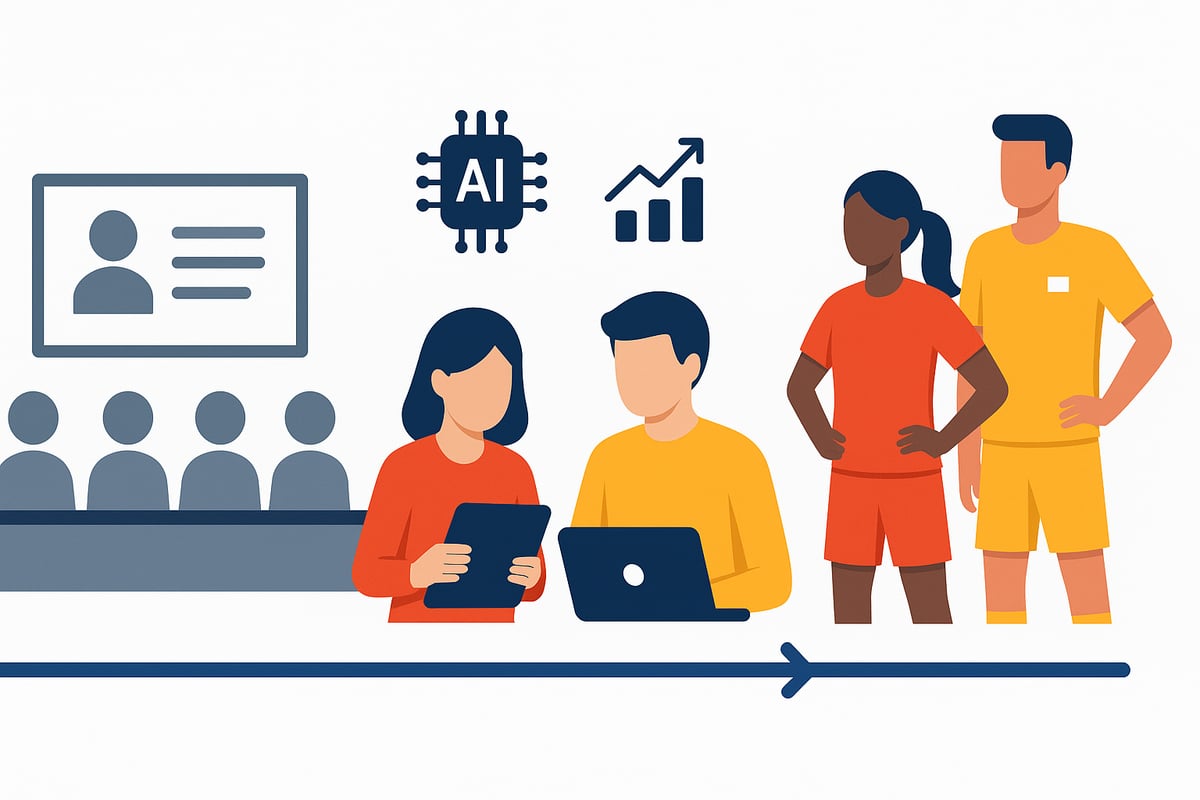
Historically, training custom approaches revolved around a uniform syllabus delivered to every participant, regardless of their specific background or goals. This model often left learners disengaged, as the content failed to address unique needs. The rise of digital platforms and robust data analytics has changed this paradigm, making tailored learning paths not only possible but expected.
Today, organisations and sports teams alike are embracing individualisation. For example, Decathlon and Y1 Custom have witnessed a surge in demand for unique team kits and training wear, paralleling the move towards bespoke learning experiences. Teams now select apparel tailored to specific fits, from men’s and women’s cuts to junior options, reflecting a wider trend of inclusivity in training custom solutions.
Remote and hybrid work have also played a pivotal role. Distributed teams require flexible, on-demand learning that adapts to varied schedules and locations. This shift is particularly evident in corporate sectors, where learning and development (L&D) strategies have evolved to prioritise agility and relevance.
Generational changes further fuel this evolution. Younger learners expect interactive, digital-first experiences, while seasoned professionals seek content that aligns with their expertise and goals. According to industry research, 80% of organisations now prioritise personalised L&D strategies to boost engagement and results.
In both sports and business, the impact is clear. Custom team kits foster unity and pride, while tailored training modules in the workplace drive higher retention and faster skill acquisition. Platforms like Online training courses overview offer a glimpse into the variety and depth of options now available, illustrating the widespread adoption of training custom programmes.
Drivers of Change in 2026
Several powerful forces are shaping the future of training custom solutions. Artificial intelligence (AI) and machine learning top the list, enabling content to be dynamically adapted to each learner’s progress and preferences. Predictive analytics identify skill gaps early, allowing interventions before performance suffers.
The demand for inclusivity and accessibility continues to rise. Modern programmes offer choices for every demographic, from men’s and women’s fits to junior sizes, ensuring everyone benefits from personalisation. Interactive design tools, such as 3D kit designers and user-driven content builders, empower individuals to shape their own learning journeys or apparel.
Adoption rates for custom training platforms are climbing steadily. Organisations value the scalability and efficiency these systems bring, as well as the robust analytics for ongoing improvement. Feedback loops, powered by real-time data, ensure that content and delivery methods stay aligned with evolving needs.
Continuous improvement is now embedded in the process. Analytics dashboards track engagement, completion, and outcomes, enabling rapid iteration. In 2026, the expectation is clear: training custom strategies must be agile, data-driven, and responsive to the unique requirements of every learner or athlete.
Benefits of Custom Training Solutions
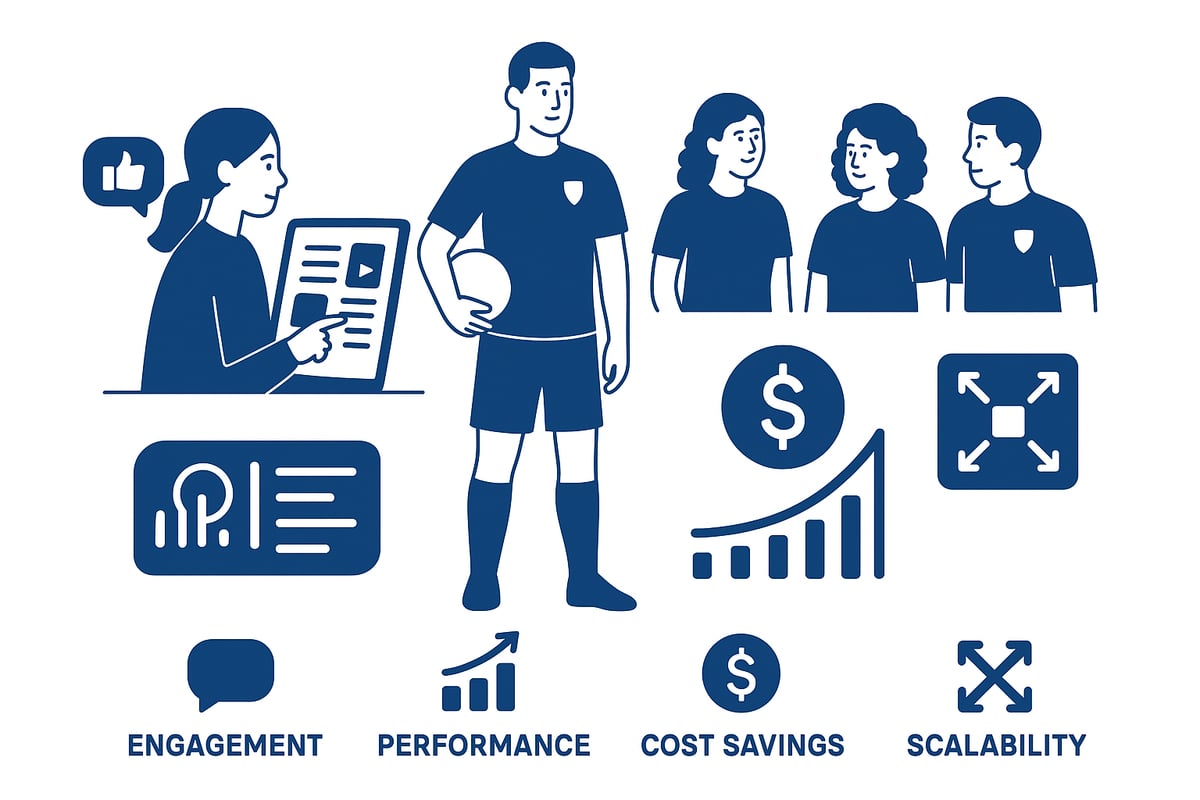
Personalisation is transforming the way individuals and organisations approach development. Embracing a training custom strategy yields significant advantages, from higher engagement to tangible performance gains.
Improved Engagement and Retention
A training custom approach directly addresses the unique needs of each learner or athlete. This personal relevance leads to increased engagement, as individuals feel valued and invested in their own progress.
Retention rates also improve when participants see clear connections between content and their goals. In both sports and corporate settings, tailored programmes keep people motivated and less likely to drop out.
Enhanced Performance and Motivation
Customised training content accelerates skill acquisition. By focusing on the right areas, learners and teams reach their targets faster.
Motivation grows when training custom solutions align with personal ambitions or team objectives. When participants see their input reflected in the process, their commitment intensifies, driving better outcomes.
Cost-Effectiveness and Scalability
Investing in training custom solutions reduces wasted resources on irrelevant materials. Organisations can allocate budgets more efficiently, focusing only on what delivers measurable impact.
These solutions scale easily, whether for a small sports club or a multinational business. As teams grow, custom programmes adapt, maintaining quality and consistency across all levels.
Real-World Results and Social Proof
The impact of training custom approaches is clear in real-world scenarios. Sports teams using custom kits report up to a 30% boost in team morale, according to Decathlon reviews.
Customer testimonials often highlight seamless ordering and five-star experiences. In the corporate world, customer service training courses tailored to organisational needs deliver higher satisfaction and improved results.
Overcoming Initial Challenges
While adopting a training custom approach can present setup complexities, these are manageable with the right support. Clear guidance, robust size guides, and responsive customer service help smooth the transition.
Organisations that invest effort early find the long-term rewards far outweigh any initial hurdles. Continuous feedback and analytics ensure ongoing improvement and sustained success.
Step-by-Step Guide to Building Your Custom Training Programme in 2026
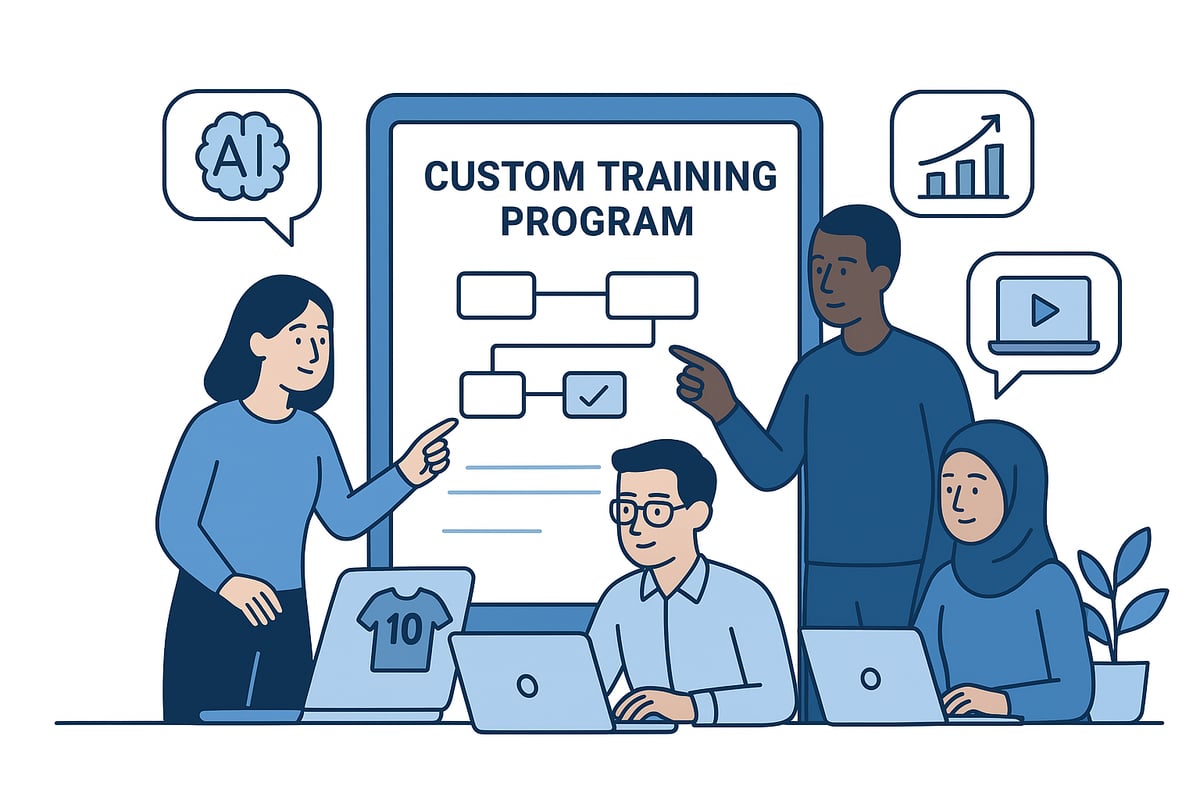
Building a successful training custom programme in 2026 requires a structured approach that balances personalisation, technology, and measurable outcomes. Follow these seven steps to ensure your training custom initiatives deliver real value, whether for sports teams, corporate groups, or individual learners.
Step 1: Assess Organisational or Individual Needs
Every effective training custom journey begins with a thorough needs assessment. Start by gathering data through surveys, skills assessments, and performance reviews. These tools reveal current strengths and highlight areas needing development.
Use analytics platforms to interpret this data, prioritising the competencies most critical to your goals. For sports teams, this might mean reviewing size guides and past kit order feedback to ensure players receive the best fit, both physically and developmentally. In corporate settings, analyse job performance data to identify knowledge gaps.
Consider the unique context of your group. Are you supporting remote workers, developing junior athletes, or upskilling senior staff? Each group will require a different training custom path. By collecting and analysing this information, you lay a solid foundation for a relevant and impactful programme.
Step 2: Define Clear Learning Objectives and Outcomes
Once needs are identified, set precise learning objectives for your training custom initiative. These objectives should follow the SMART framework: Specific, Measurable, Achievable, Relevant, and Time-bound. Clarity at this stage ensures that everyone understands the programme’s direction.
Link objectives to real-world outcomes. For sports clubs, this could involve aligning training with competition dates or targeting improvements in teamwork. For organisations, connect objectives to business KPIs or project milestones.
Make each objective personal and relevant. When learners see the direct impact of their training custom journey on their roles or ambitions, motivation naturally increases. This clarity streamlines the entire process and sets the stage for measurable success.
Step 3: Select and Customise Content
With objectives defined, curate or develop training custom content suited to your audience. Choose from existing resources or create bespoke modules that reflect your team’s unique requirements. Interactive design tools, like 3D kit designers or virtual classrooms, allow you to visualise and tailor content or apparel before launching.
Inclusivity is vital. Offer options for men’s, women’s, and junior fits or adapt learning materials for different styles and backgrounds. This ensures every participant feels valued and engaged.
For those seeking expert assistance, explore Building custom training programmes to access professional support in designing and delivering tailored content. By combining customisation with professional input, you maximise training custom effectiveness.
Step 4: Integrate Technology and Tools
Technology is the engine of modern training custom strategies. Select platforms that enable AI-driven personalisation, adapting content to each learner’s pace and needs. Mobile apps, VR/AR environments, and gamified modules boost engagement and retention.
In sports, virtual kit builders streamline the design and ordering process, while digital training portals centralise resources and feedback. Corporate teams benefit from integrated dashboards that track learner progress and suggest relevant modules.
Prioritise tools that are intuitive and accessible. Ensure compatibility with various devices and support inclusivity for all users. By leveraging advanced technology, you future-proof your training custom programme and enhance participant satisfaction.
Step 5: Implement and Communicate
A successful rollout hinges on clear communication and pilot testing. Launch your training custom programme with a select group to gather initial feedback. This allows you to address issues before scaling up.
Establish open channels—such as team meetings, newsletters, or chat platforms—to keep everyone informed and engaged. In sports, seamless kit ordering and transparent updates reduce confusion and foster trust. In organisations, regular check-ins ensure alignment with goals.
Encourage participants to share experiences and suggestions. Early feedback is invaluable for refining your training custom approach and building buy-in across the team.
Step 6: Monitor Progress and Iterate
Continuous improvement is a hallmark of effective training custom programmes. Use analytics dashboards to track engagement, completion rates, and performance improvements. Collect both quantitative data and qualitative feedback.
Review results regularly, adjusting content or methods based on what works best. For example, organisations can use tools like Google Analytics to monitor the effectiveness of each module or sports clubs can analyse feedback on kit fit and comfort.
By making data-driven adjustments, you ensure your training custom initiative remains relevant and impactful. This iterative approach helps address challenges early and keeps the programme aligned with evolving needs.
Step 7: Scale and Sustain
After refining your approach, expand your training custom programme organisation-wide. Share best practices and lessons learned through communities of practice or peer learning groups. Foster a culture where continuous learning and improvement are valued.
Consider referral schemes or ambassador programmes to encourage wider adoption. In sports, community engagement around custom kits builds pride and unity. In corporate settings, scaling successful pilots ensures consistent development across teams.
Sustain momentum by regularly updating content, recognising progress, and maintaining open communication. A thriving training custom culture supports long-term growth and adaptability.
Technologies Powering Personalised Training in 2026
In 2026, the landscape of training custom solutions is being redefined by a wave of innovative technologies. These breakthroughs ensure that learning and development strategies are more adaptive, interactive, and secure than ever before. Let us explore the key technologies that are transforming how individuals and organisations approach training custom programmes.

AI and Machine Learning
AI and machine learning are at the core of the training custom revolution in 2026. These technologies drive adaptive learning platforms that tailor content in real time, ensuring each user receives material that matches their skills, pace, and goals.
With predictive analytics, organisations can identify at-risk learners and intervene early, maximising training outcomes. AI also enables the creation of intelligent feedback loops, allowing for continuous improvement of training custom modules. For a deeper dive into how AI shapes personalisation, see AI’s Role in Personalized Training.
Interactive Design Tools
The rise of interactive design tools has brought a new dimension to training custom solutions. 3D kit designers allow teams to visualise and personalise their gear before ordering, while virtual classroom environments enable immersive and engaging learning experiences.
Key features include:
- Real-time customisation previews
- Drag-and-drop module builders
- Collaborative editing for teams
These tools empower users to co-create content and products, making training custom programmes more relevant and motivating for diverse audiences.
Wearables and IoT
Wearables and IoT devices have become integral to training custom strategies. Smartwatches, fitness bands, and connected sensors now track performance metrics, provide instant feedback, and adjust training plans based on real-time data.
Benefits of integrating wearables include:
- Personalised feedback on progress
- Data-driven recommendations for improvement
- Seamless synchronisation with training custom platforms
This approach transforms passive learning into an active, responsive journey for each participant.
Mobile and Microlearning
Mobile technology and microlearning have made training custom programmes more accessible and flexible. Learners can access bite-sized modules anywhere, fitting training into their daily routines.
Features supporting this trend:
- Push notifications for reminders
- Gamified challenges to boost engagement
- Offline access for uninterrupted learning
By leveraging mobile and microlearning, organisations can ensure training custom content is always at learners’ fingertips, enhancing retention and motivation.
Data Security and Privacy
With the rise of personalisation, data privacy has become a top concern for training custom initiatives. Organisations must comply with regulations such as GDPR, ensuring user consent and robust data protection measures.
Best practices include:
- Transparent cookie and data usage policies
- Encrypted data storage and transfer
- Regular audits for compliance
Prioritising security builds trust and supports the long-term success of training custom programmes in a data-driven world.
Real-World Examples and Case Studies
Personal stories and measurable outcomes speak volumes. The following real-world examples demonstrate how training custom solutions are transforming performance in sports, business, and education.
Sports Teams: Unity Through Customisation
Sports teams across the UK are embracing training custom kits to build identity and boost morale. Clubs using Decathlon and Y1 Custom report that personalised training wear not only fits better but also fosters a sense of belonging among athletes.
One rugby club adopted bespoke kits with tailored sizing for men, women, and juniors. Coaches noticed a visible uplift in team spirit. Players felt more valued, leading to improved attendance and stronger match performances. According to Decathlon reviews, teams using training custom apparel experienced a 30 percent rise in morale.
Corporate Success Stories
Organisations are leveraging training custom programmes to increase engagement and return on investment. By shifting from generic e-learning to AI-powered, personalised modules, companies see higher completion rates and better skill retention.
For example, a financial services firm introduced a tailored learning platform for new hires. Employees selected modules aligned with their roles and goals, resulting in a 40 percent increase in course completion. The global move towards personalisation is also reflected in broader trends, as highlighted by the Global Personal Training Market Growth, which shows a surge in demand for online, app-based, and custom training.
Educational Institutions Embracing Personalisation
Schools and universities are adopting training custom strategies to support diverse learning needs. A secondary school in London revamped its science curriculum by allowing students to choose project topics and learning formats. The result was a 25 percent reduction in time needed to achieve learning objectives.
Tailored feedback and adaptive assessments ensured that each pupil progressed at their own pace. Teachers observed increased motivation and confidence, particularly among students who previously struggled with standardised methods.
Real Testimonials and Measurable Results
First-hand accounts reinforce the impact of training custom solutions. One club manager shared, “Great communications and seamless ordering process made our kit rollout stress-free.” Corporate clients echo similar sentiments, praising the relevance and flexibility of custom training modules.
Quantitative Impact Table
| Sector | Outcome | Improvement |
|---|---|---|
| Sports | Team morale (Decathlon) | +30% |
| Corporate | Course completion rates | +40% |
| Education | Training time reduction | -25% |
These results highlight how training custom approaches deliver tangible benefits, from boosted morale to measurable performance gains.
Overcoming Common Challenges in Custom Training
Customising training programmes in 2026 brings immense potential, but it also introduces a new set of hurdles. As more organisations embrace the training custom approach, navigating these challenges is crucial to ensure long-term success and return on investment.
Managing Complexity and Ensuring Quality
One of the most common challenges in a training custom initiative is managing the sheer variety of options available. From different content modules to varied kit designs, the risk of inconsistency rises as personalisation increases. Organisations must develop robust processes to maintain quality across all personalised modules.
A practical approach involves centralising content approval and using clear templates for both digital training and physical products. Regular audits and peer reviews help ensure standards are met. In the sports sector, referencing size guides and collecting user feedback on fit can dramatically reduce errors and improve satisfaction.
Handling Logistics and Overcoming Resistance
Logistics can become complex when scaling a training custom solution. Minimum order quantities, sizing accuracy, and timely delivery all require careful coordination. For apparel, using precise size charts and responsive customer support can resolve many fit and delivery issues before they escalate.
Resistance to change is another frequent obstacle. Staff and learners may feel overwhelmed by new systems or sceptical about the benefits of customisation. Addressing these concerns starts with clear communication, pilot programmes, and involving users in the design process. Investing in AI-driven change management training can further smooth the transition by equipping teams with the right mindset and tools.
Leveraging Feedback and Analytics for Continuous Improvement
The most successful training custom strategies are built on continuous feedback and data-driven refinement. Analytics dashboards enable organisations to track engagement, completion rates, and satisfaction scores in real time. This data not only highlights what is working but also pinpoints areas for improvement.
Implementing feedback loops, such as post-training surveys and support channels, ensures that user voices are heard and acted upon. In the world of custom sportswear, quick responses to sizing or design issues can foster loyalty and trust. In corporate settings, platforms that support AI-powered strategies to personalize corporate training help streamline adaptation and maintain high-quality outcomes.
Tips for Balancing Personalisation with Scale and Cost
Striking the right balance between personalisation and efficiency is key. Start small with pilot projects, then scale what works. Standardise processes where possible, but allow flexibility for user-driven choices. Use analytics to prioritise high-impact customisations and eliminate wasteful efforts.
Table: Common Challenges vs Solutions
| Challenge | Solution |
|---|---|
| Complexity of options | Centralised templates, clear approval processes |
| Quality assurance | Audits, peer reviews, size guides |
| Logistics and fit | Detailed size charts, responsive customer support |
| Resistance to change | Communication, pilot programmes, change management |
| Scaling efficiently | Analytics, phased rollout, prioritised customisation |
By proactively addressing these obstacles, any organisation or team can unlock the full value of a training custom programme—delivering relevance, engagement, and results at scale.
Future Trends in Custom Training for 2026 and Beyond
The future of training custom solutions is rapidly evolving, driven by technological innovation and shifting learner expectations. In 2026, hyper-personalisation will take centre stage, with AI and machine learning adjusting content in real time to meet each individual's needs.
Key trends shaping the next wave of training custom approaches include:
- Hyper-personalisation: AI-driven platforms will tailor every aspect of the learning journey. Real-time adjustments ensure that content always matches the learner's progress and preferences.
- Sustainability and ethics: Custom training solutions will increasingly focus on responsible sourcing, from eco-friendly materials in physical kits to ethical data handling in digital environments.
- Social and collaborative learning: Enhanced community features and peer-to-peer engagement will make training custom experiences more interactive and motivating.
- Wellbeing integration: Mental health and wellbeing programmes will become part of the core offering, fully customisable to support diverse needs.
- Advanced analytics: Predictive insights will empower organisations to identify trends and proactively support learners.
The adoption of AI-driven content is accelerating, as seen in AI Chatbots in Cognitive Training, which explores how chatbots can personalise and enhance cognitive development. These advancements are set to redefine what training custom means for both individuals and organisations.
By 2028, forecasts suggest that more than 90 percent of organisations will implement some form of training custom solution. Staying ahead of these trends will be crucial for anyone looking to boost engagement, performance, and long-term success.

