

Effective management doesn't happen by accident. Organizations that invest in structured training in management see measurable improvements in team performance, employee engagement, and business outcomes. As we navigate the complexities of modern workplaces in 2026, the demand for skilled managers who can lead with confidence, adapt to change, and drive results has never been higher. Whether you're developing first-time supervisors or refining the capabilities of senior leaders, a well-designed management training program serves as the foundation for sustainable organizational success.
Why Management Training Matters More Than Ever
The landscape of leadership has shifted dramatically over the past few years. Remote work, hybrid teams, and evolving employee expectations have created new challenges that require managers to develop skills far beyond traditional supervision. Training in management addresses these challenges head-on by equipping leaders with practical tools they can apply immediately.
Research consistently demonstrates that organizations with strong management development programs outperform their competitors. Management training programs transform leaders in eight distinct ways, including building confidence in decision-making and expanding strategic thinking capabilities. These transformations don't occur through osmosis-they require deliberate, structured learning experiences.
Key benefits of comprehensive management training include:
- Enhanced team productivity and morale
- Reduced employee turnover and associated costs
- Improved communication across all organizational levels
- Stronger strategic alignment with business objectives
- Greater adaptability to market changes and disruptions
The most successful organizations recognize that management capability directly correlates with bottom-line performance. When managers receive proper training, they make better decisions, resolve conflicts more effectively, and create environments where employees thrive.

Core Competencies Every Management Training Program Should Address
Not all training in management delivers equal value. The most impactful programs focus on competencies that address real-world challenges managers face daily. Rather than theoretical frameworks that gather dust, effective training emphasizes practical application and measurable skill development.
Leadership and Decision-Making Skills
Strong managers must make decisions with incomplete information whilst balancing competing priorities. Training programs should incorporate structured decision-making frameworks that help leaders evaluate options systematically and choose appropriate courses of action under pressure.
Decision-making training should cover:
- Risk assessment and mitigation strategies
- Data-driven analysis techniques
- Stakeholder impact evaluation
- Ethical considerations in leadership choices
- Crisis decision-making protocols
Beyond frameworks, managers benefit from scenario-based exercises that simulate the complexity of real decisions. These experiences build confidence and create muscle memory that proves invaluable when facing actual challenges.
Communication and Interpersonal Effectiveness
Perhaps no skill matters more for managers than communication. Emotionally intelligent workplace communication enables leaders to convey expectations clearly, provide constructive feedback, and navigate difficult conversations with professionalism.
| Communication Skill | Business Impact | Training Approach |
|---|---|---|
| Active listening | Improved employee engagement | Role-play exercises, feedback loops |
| Conflict resolution | Reduced workplace tension | Mediation simulations, case studies |
| Presentation skills | Stronger stakeholder buy-in | Video review, peer coaching |
| Written communication | Clearer documentation | Business writing workshops |
Managers who communicate effectively create clarity, build trust, and inspire teams to achieve ambitious goals. Training in these areas pays dividends across every aspect of organizational performance.
Performance Management and Team Development
Training in management must equip leaders to optimize team performance through effective goal-setting, feedback, and development planning. This includes understanding how to implement best management practices such as engaging employees and setting clear expectations.
Performance management training covers the complete cycle from establishing objectives through conducting evaluations and creating development plans. Managers learn to differentiate between coaching conversations and formal reviews, provide feedback that motivates rather than demoralizes, and identify growth opportunities for team members.
The most effective programs also address team dynamics and collective performance. Leaders discover how to build psychological safety, leverage diverse strengths, and create cultures of continuous improvement. Leading teams with trust and safety forms the foundation for high-performing groups.
Designing Effective Management Training Programs
Creating training in management that delivers measurable results requires thoughtful design aligned with organizational needs and learner characteristics. Best practices for designing effective training courses for managers emphasize understanding your audience and incorporating real-world scenarios throughout the learning experience.
Understanding Your Audience and Context
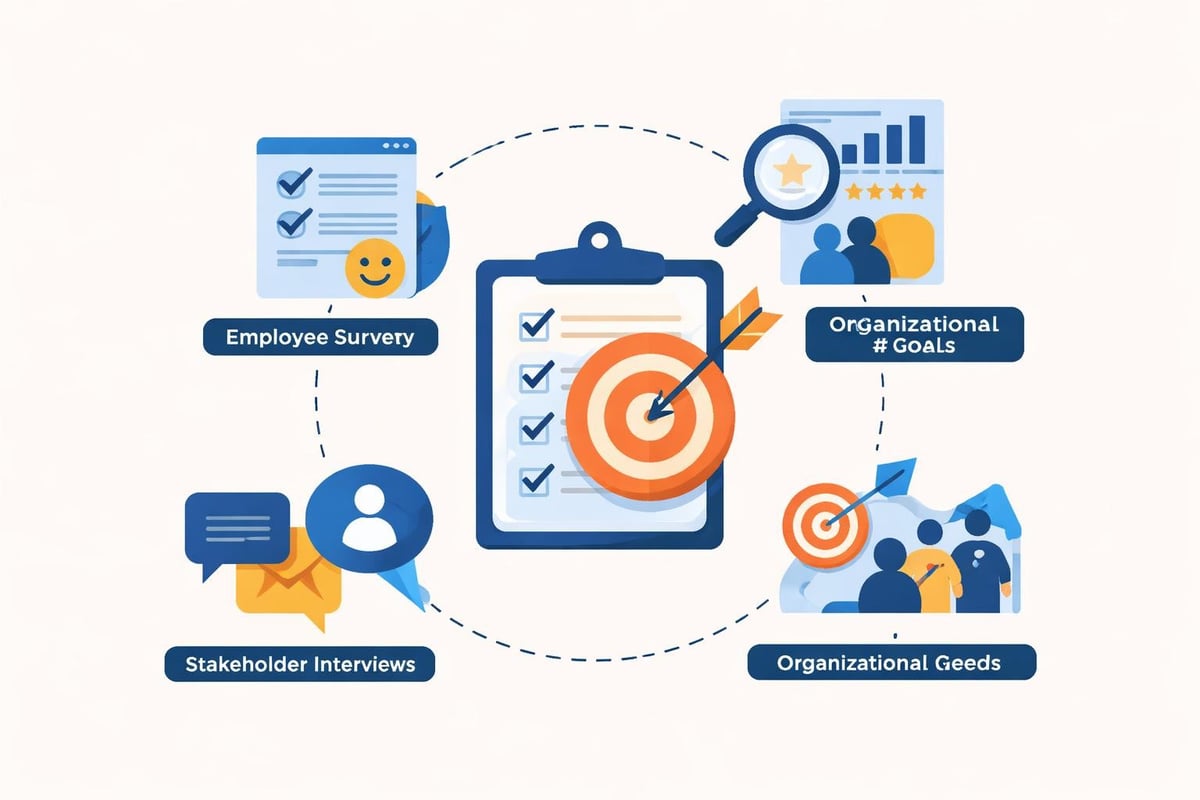
Before developing curriculum, conduct thorough needs assessments to identify specific skill gaps and organizational challenges. What keeps your managers awake at night? Where do performance issues consistently emerge? These insights shape relevant, targeted training that addresses actual problems rather than generic topics.
Consider the experience levels within your management population. First-time supervisors require foundational skills, whilst senior leaders benefit from advanced strategic content. Segment your offerings accordingly to maximize relevance and engagement.
Audience analysis should examine:
- Current skill levels and knowledge gaps
- Industry-specific challenges and regulatory requirements
- Organizational culture and leadership style preferences
- Available time and resources for training participation
- Preferred learning modalities and accessibility needs
Balancing Theory and Practical Application
Whilst foundational concepts matter, training in management must prioritize practical application. Incorporate case studies drawn from your industry, role-playing exercises that simulate common scenarios, and action planning components that require participants to apply learning immediately.
The most effective programs follow a rhythm of teach, practice, apply, reflect. Introduce a concept, allow managers to practice in a safe environment, challenge them to apply it in their work, then create space for reflection and refinement. This cycle embeds learning far more effectively than passive lecture formats.
Measuring Training Effectiveness
Organizations must evaluate whether training in management delivers value. Measuring management training programs using the Kirkpatrick 4 Levels of Evaluation model provides a comprehensive framework for assessing impact from immediate reactions through long-term behavioral change and business results.
| Evaluation Level | What It Measures | Assessment Method |
|---|---|---|
| Reaction | Participant satisfaction | Post-session surveys, Net Promoter Score |
| Learning | Knowledge and skill acquisition | Pre/post assessments, demonstrations |
| Behavior | On-the-job application | 360-degree feedback, observation, manager reports |
| Results | Business impact | Performance metrics, retention rates, productivity data |
Begin with clear success criteria before training commences. What specific behaviors should change? Which metrics should improve? Establishing these benchmarks enables meaningful evaluation and continuous program enhancement.
Delivery Methods and Learning Formats
The format of training in management significantly influences its effectiveness and accessibility. In 2026, organizations have more delivery options than ever, each with distinct advantages for different learning objectives and populations.
Instructor-Led Training
Despite technological advances, instructor-led workshops remain highly effective for management development. The dynamic interaction between expert trainers and participants creates rich learning environments where managers can ask questions, share experiences, and receive personalized feedback.
Instructor-led sessions excel at building interpersonal skills, facilitating discussions on complex topics, and creating peer networks. Participants benefit from the collective wisdom in the room whilst developing relationships that extend beyond the training event.
My Training Network specializes in delivering high-impact instructor-led training across Canada and virtually worldwide, bringing expert facilitators directly to your teams.
Virtual and Hybrid Learning
Virtual training has evolved far beyond basic webinars. Interactive platforms now enable breakout discussions, collaborative exercises, and engaging multimedia experiences that rival in-person sessions. Virtual delivery removes geographical barriers whilst reducing costs and time away from work.
Hybrid approaches combine the best of both worlds-virtual modules for knowledge transfer paired with in-person sessions for skill practice and relationship building. This flexibility accommodates diverse learning preferences and organizational constraints.
Microlearning and Just-in-Time Resources
Busy managers appreciate bite-sized learning they can consume when needed. Microlearning modules addressing specific challenges-conducting performance reviews, delegating effectively, managing conflict-provide on-demand support that complements comprehensive programs.
These resources work particularly well as reinforcement tools following initial training. Short videos, job aids, and quick reference guides help managers apply what they've learned when facing real situations.
Advanced Topics for Experienced Managers
As managers progress in their careers, training in management should evolve to address more sophisticated leadership challenges. Advanced programs explore strategic thinking, organizational change, and executive presence.
Strategic Leadership and Organizational Impact
Senior managers must think beyond their immediate teams to consider broader organizational implications. Training should develop skills in strategic planning and performance monitoring, competitive analysis, and resource allocation across competing priorities.
Strategic leadership training helps managers:
- Align team objectives with organizational strategy
- Identify and capitalize on emerging opportunities
- Build sustainable competitive advantages
- Navigate organizational politics constructively
- Influence decision-makers at all levels
These capabilities distinguish managers who merely maintain operations from leaders who drive transformation and growth.
Change Management and Resilience
In volatile business environments, managing change effectively separates successful organizations from those that struggle. Training in management should prepare leaders to guide teams through transitions whilst maintaining morale and productivity.
Resilient leadership under pressure enables managers to remain calm, make sound decisions, and support employees during uncertainty. This resilience stems from both mindset and practical skills in change communication, stakeholder management, and adaptive planning.
Emotional Intelligence and Self-Awareness
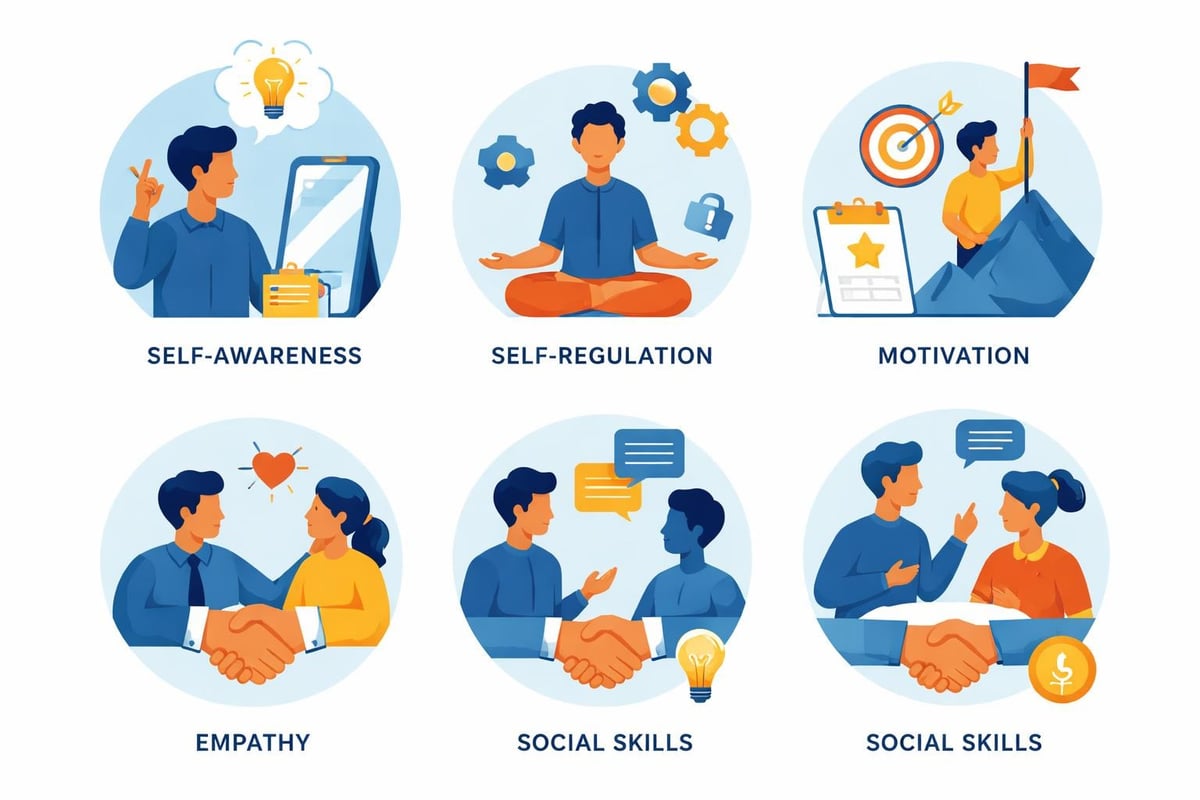
The most effective leaders possess high emotional intelligence-the ability to recognize and manage their own emotions whilst understanding and influencing others' feelings. Adopting emotional intelligence in the workplace enhances virtually every aspect of management effectiveness.
Components of emotional intelligence training include:
- Self-awareness and personal triggers
- Emotional regulation under stress
- Empathy and perspective-taking
- Social skills and relationship management
- Motivation and inspiring others
These competencies prove particularly valuable when managing diverse teams, navigating conflicts, and leading through challenging circumstances.
Sustaining Management Development Beyond Initial Training
One-off training events rarely create lasting change. Organizations committed to developing strong managers implement comprehensive development systems that extend well beyond single workshops. Management development encompasses informal learning activities and ongoing assessment that reinforce and expand initial training.
Creating Continuous Learning Cultures
Embed management development into organizational DNA by establishing expectations for ongoing growth. Regular learning conversations, access to diverse resources, and recognition for demonstrated skill improvement signal that development matters.
Encourage managers to maintain development practices such as reflective journaling, peer learning groups, and action learning projects. These activities keep skills sharp and provide opportunities to practice in low-risk environments.
Coaching and Mentoring Programs
Pair training in management with structured coaching relationships that provide personalized guidance and accountability. Coaches help managers translate classroom learning into workplace application whilst addressing individual challenges and aspirations.
Mentoring programs connect less experienced managers with seasoned leaders who share insights, provide perspective, and offer career guidance. These relationships accelerate development by providing wisdom that formal training cannot replicate.
Performance Support and Reinforcement
Bridge the gap between knowing and doing through performance support tools that prompt application of learned skills. Checklists for common management tasks, decision trees for handling specific situations, and templates for documentation ensure managers have resources when facing actual challenges.
Schedule reinforcement sessions weeks or months after initial training to review concepts, share application experiences, and address obstacles. This follow-through dramatically increases the likelihood that training produces lasting behavioral change.
Building Manager Capability in Specialized Areas
Beyond core competencies, many organizations require training in management focused on specialized knowledge or skills relevant to their industry or strategic priorities.
Technical Management Skills
In technical fields, managers often rise through ranks based on expertise rather than leadership capability. These leaders need training that honors their technical knowledge whilst building people management skills. Programs should address the transition from individual contributor to manager of technical teams.
Technical management training might cover project management methodologies, resource allocation, technical mentoring, and balancing hands-on work with leadership responsibilities.
Diversity, Inclusion, and Cultural Competence
Modern managers must lead diverse teams effectively whilst creating inclusive environments where all employees contribute fully. Indigenous cultural awareness at work and similar programs build cultural competence essential for today's workplace.
Training in these areas addresses unconscious bias, inclusive communication, equitable decision-making, and creating belonging. Organizations that prioritize this development see improved innovation, employee satisfaction, and market responsiveness.
Well-being and Sustainable Performance
Manager behavior significantly influences team well-being. Training in management should equip leaders to recognize signs of burnout, have supportive conversations about mental health, and create sustainable performance expectations.
Programs addressing mental health awareness and psychological safety prepare managers to support employee well-being whilst maintaining productivity. This capability has become essential as workplace stress reaches concerning levels across industries.
Return on Investment From Management Training
Organizations rightly expect training in management to deliver measurable returns. When designed and executed effectively, management development produces substantial value across multiple dimensions.
Financial returns manifest through reduced turnover costs, improved productivity, faster project completion, and enhanced innovation. Quality management reduces errors, customer complaints, and operational inefficiencies that drain resources.
Non-financial benefits include:
- Stronger employer brand and talent attraction
- Enhanced employee engagement and discretionary effort
- Improved customer satisfaction and loyalty
- Greater organizational agility and adaptability
- Reduced workplace conflict and associated disruption
Quantifying these benefits requires establishing baseline metrics before training and tracking changes over time. Organizations that measure rigorously consistently find that quality management development delivers returns far exceeding investment costs.
Investing in comprehensive training in management creates competitive advantage by building leadership capability throughout your organization. The strategies, competencies, and best practices outlined above provide a roadmap for developing programs that transform managers into effective leaders who drive sustainable results. My Training Network delivers customizable training solutions that address your specific management development needs through expert instructor-led sessions across Canada and worldwide. Contact us today to discuss how our extensive course catalogue can strengthen your management team's capabilities.

