

Are you ready to unlock your potential as a leading educator? The path to becoming a sought-after instructor begins with choosing the right training instructor course. As demand grows for qualified trainers across the UK, now is the perfect time to embrace a rewarding teaching career that makes a real difference.
This guide provides a clear, step-by-step roadmap for aspiring instructors. You will discover how to select the best training instructor course, meet entry requirements, master essential teaching skills, and build a successful career in 2026 and beyond.
Whether you are new to teaching or looking to advance your expertise, follow this comprehensive guide to turn your passion for helping others into lasting professional success.
Understanding Training Instructor Courses
Unlocking a rewarding teaching career starts with understanding what a training instructor course involves. These programmes equip you with essential skills to deliver high-quality training in your chosen field. Whether you are interested in fitness, health and safety, first aid, or business, the right course can set the foundation for long-term success.

What is a Training Instructor Course?
A training instructor course is a structured programme designed to prepare individuals to teach, assess, and support learners across various sectors. These courses focus on developing effective teaching techniques, understanding assessment methods, and ensuring compliance with industry standards.
Instructor courses are available in areas such as fitness, health and safety, first aid, business, and many more. For example, Nuco’s First Aid Instructor Course is accredited and multi-disciplinary, enabling participants to deliver certified first aid instruction to groups or workplaces.
It's important to distinguish between the roles: instructors lead classes and deliver content, assessors evaluate learners’ competence, while vocational trainers often combine both responsibilities. The main learning outcomes of a training instructor course include lesson planning, classroom management, and understanding regulatory frameworks.
Many programmes, such as the Train the Trainer Program, are regulated by bodies like Ofqual or SQA, which ensures quality and recognition. Courses can be completed in person or through distance learning, offering flexibility for busy professionals.
Who Should Consider Becoming a Training Instructor?
A training instructor course is suitable for a wide range of individuals. Professionals looking to advance their careers, subject matter experts eager to share their knowledge, and those seeking a career change often find these courses appealing.
Motivations for enrolling can include a passion for teaching, the desire for career progression, or the aim to diversify income streams. Typical backgrounds include fitness professionals, healthcare workers, and business managers. For instance, a circuit training instructor may add a teaching qualification to expand their services.
Data shows there are over 4,500 active instructors in the UK, highlighting the growing demand for qualified trainers. Whether you are new to teaching or already have experience, a training instructor course provides the foundation to succeed in education and training.
Types of Instructor Courses Available
Training instructor courses come in many varieties to suit different interests and career paths. Subject-specific options include First Aid, Health and Safety, Mental Health, Fitness, and Food Safety. Each subject area may offer beginner (Level 3) and advanced (Level 4 or 5) qualifications.
You can choose between CPD workshops for skill refreshment and full qualification courses for recognised certification. For example, a five-day advanced instructor course offers in-depth training, while a two-day requalification focuses on maintaining existing credentials.
Delivery formats include online, blended, and classroom-based learning. Selecting the right course depends on your career objectives and the requirements of your chosen sector. Investing in the appropriate training instructor course helps ensure you meet industry standards and achieve your professional goals.
Entry Requirements and Preparing for Your Instructor Journey
Before starting a training instructor course, understanding the entry requirements and preparation steps is crucial. This ensures you select the right path and set yourself up for long-term teaching success.
Prerequisites and Eligibility Criteria
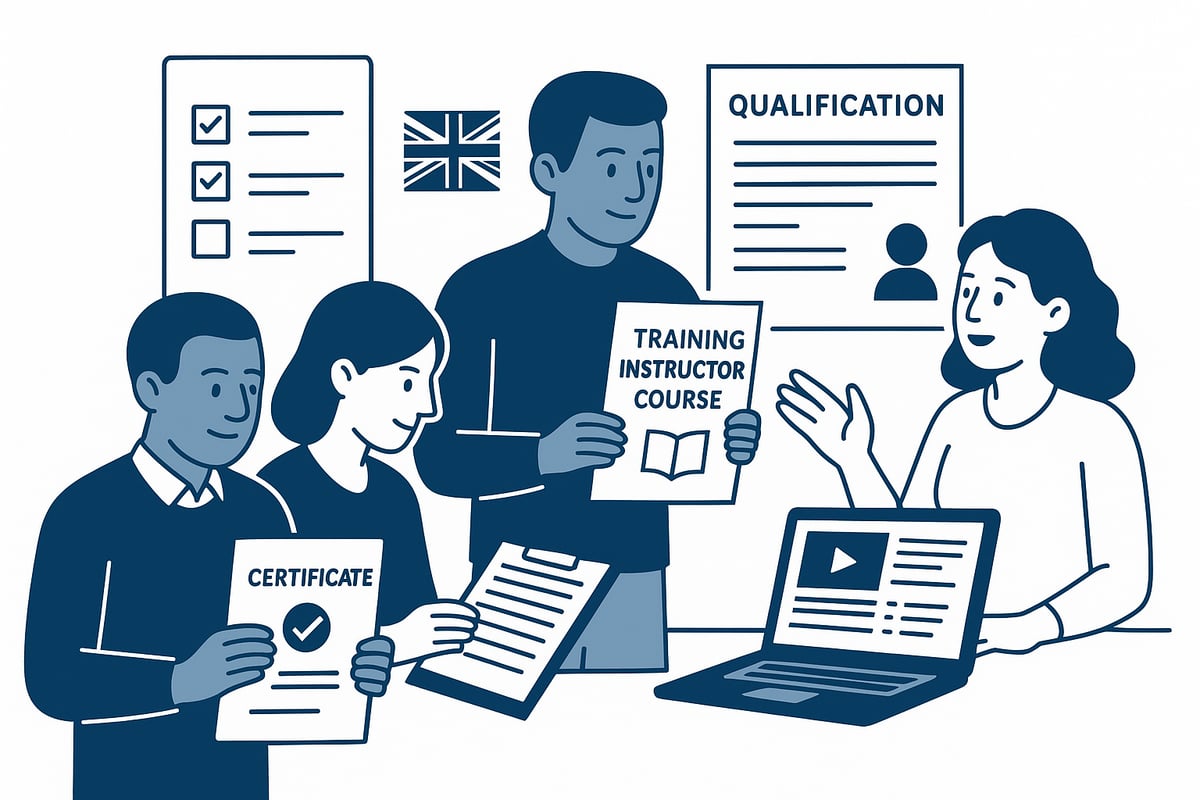
Most training instructor course providers set clear prerequisites to ensure candidates are ready for the demands of teaching. Typically, you will need a relevant qualification in your chosen subject, often at Level 2 or Level 3. For example, those aiming to teach first aid are usually expected to hold a current first aid certificate and have practical experience.
Age requirements often start at 18, and a good standard of English is essential, as you will need to communicate complex ideas clearly. Some courses, like the Level 3 Award in Education & Training, do not require previous teaching experience, making them accessible to those new to instruction. However, sector-specific courses, such as health and safety or fitness, may demand prior industry experience or membership in professional bodies.
Preparation is not just about meeting the minimum criteria. It also involves gathering evidence of your qualifications and considering your readiness to manage groups, plan lessons, and assess learners. Data from leading providers shows that many training instructor course candidates come from backgrounds in healthcare, business, or fitness. Ensuring you meet all prerequisites increases your chance of success and helps you comply with industry standards.
How to Choose the Right Instructor Course
Selecting the best training instructor course for your goals involves several key factors. Accreditation is vital. Look for courses regulated by Ofqual, SQA, or other recognised bodies. Accredited programmes ensure your qualification is respected and accepted by employers. Consider the curriculum and learning outcomes. Does the course content align with your teaching ambitions and sector requirements?
Flexibility is another important consideration. Many providers offer full-time, part-time, and distance learning options to fit around your lifestyle. Reputation matters too. Check reviews on platforms like Trustpilot or Google, and seek feedback from past trainees. For those planning ahead, reviewing official Teacher Training Application Deadlines can help you prepare your application on time and avoid missing key dates.
Cost and funding options vary. Some courses may offer payment plans or access to bursaries. Investing in a high-quality training instructor course pays dividends for your future, providing not just a certificate but the skills and confidence to excel as an educator. Take time to weigh your options and choose a pathway that supports your long-term career growth.
What to Expect: Structure and Content of Instructor Courses
Embarking on a training instructor course is an exciting step towards a rewarding career in teaching. Understanding the structure, content, and support offered is essential for maximising your learning experience and ensuring your success as an instructor.

Core Curriculum and Teaching Methods
A typical training instructor course is carefully structured to develop your teaching skills and subject expertise. The curriculum covers essential modules such as lesson planning, effective delivery, learner assessment, and providing constructive feedback. You will learn how to design engaging sessions, adapt to various learning styles, and use a range of teaching aids, from interactive PowerPoints to hands-on equipment like CPR manikins.
Blended learning is now a standard feature in most courses, combining in-person workshops with online study. This approach offers flexibility and allows you to practise both classroom and virtual delivery methods. For example, a first aid training instructor course might include scenario-based exercises where you demonstrate CPR techniques in front of peers, then reflect on your performance using digital feedback tools.
Modern teaching techniques are emphasised, such as active learning, scenario-based instruction, and the integration of technology. For a comprehensive understanding of instructor-led delivery formats, you can refer to the Instructor-Led Training Overview. This resource highlights the key elements of effective face-to-face and virtual teaching, which are embedded within the structure of most accredited courses.
The typical duration for a training instructor course ranges from five to ten days, including a mix of lectures, group activities, and independent assignments. This balanced approach ensures that both practical and theoretical competencies are developed.
Example Table: Common Modules in a Training Instructor Course
| Module | Focus Area |
|---|---|
| Lesson Planning | Session structure |
| Delivery Techniques | Presentation skills |
| Assessment Methods | Evaluating learners |
| Feedback & Reflection | Continuous improvement |
Assessment and Qualification Process
Assessment is a core component of any training instructor course, designed to verify your teaching competence. Most courses use a blend of practical demonstrations, written assignments, and portfolio work. For instance, you may be asked to deliver a micro-teach session, where you instruct your peers on a specific topic, followed by a reflective self-assessment.
Continuous assessment is common, with tutors providing feedback throughout the course. This ensures you can track your progress and make improvements in real time. End-of-course evaluations, such as written tests or final practical assessments, are also typical in regulated courses.
Support systems are robust, with access to online tutor portals for submitting assignments and receiving feedback. Peer review is often encouraged, allowing you to learn from others and build confidence in your delivery. Certification is awarded after successful completion of all assessment elements, with qualifications regulated by bodies such as Ofqual or SQA.
Many sectors require periodic renewal of instructor certificates, which typically remain valid for one to three years. This process ensures that your skills and knowledge remain current and aligned with industry standards.
Support and Resources for Trainees
A high-quality training instructor course provides extensive support and resources to facilitate your learning journey. Trainees gain access to comprehensive training manuals, instructional videos, and digital resource libraries. Many providers offer 24/7 access to online platforms, so you can study at your own pace and revisit materials as needed.
Ongoing tutor support is a key feature, available via email, phone, or dedicated online portals. This guidance helps you navigate challenges, clarify concepts, and stay motivated throughout the course. Peer learning opportunities, such as group discussions and collaborative assignments, foster a supportive learning environment and enable you to network with fellow instructors.
Start-up kits, including essential teaching aids and ready-made lesson plans, are often provided to help you deliver your first sessions with confidence. Resource shops allow you to purchase additional materials tailored to your chosen sector, whether it is first aid, fitness, or business.
The combination of structured support and quality resources significantly enhances your chances of success in a training instructor course. It also builds your confidence as you transition from trainee to qualified instructor.
Delivering Training: From Classroom to Virtual Environments
Adapting your delivery style is essential for success in any training instructor course. Whether you are teaching face-to-face or online, the right approach ensures your learners stay engaged and achieve their goals. Let’s explore how training methods are evolving, which skills you need, and how to maintain compliance and quality in every setting.

In-Person vs. Online Instructor Training
Today’s training instructor course options span traditional classrooms, blended formats, and fully online environments. In-person training offers immediate feedback, hands-on practice, and the chance to build rapport directly with learners. For example, practical workshops allow instructors to demonstrate skills such as CPR or health and safety procedures, which are best learned through direct interaction.
Blended learning combines these strengths with the flexibility of digital tools. You might attend live webinars, complete assignments online, and join classroom sessions for practical elements. This approach appeals to busy professionals and those balancing teaching with other commitments.
Online-only training instructor course formats have grown in popularity since the pandemic. These courses use video conferencing, interactive modules, and digital assessments to replicate the classroom experience. To succeed, you will need a reliable internet connection, a suitable device, and basic digital literacy. The trend towards blended learning is creating more accessible routes for aspiring instructors across the UK.
Essential Skills for Effective Training Delivery
Delivering effective training requires more than subject knowledge. A successful training instructor course will help you develop a toolkit of essential skills, including:
- Clear communication and confident presentation
- Strong classroom management and learner engagement
- Adaptability to different learning styles and abilities
- Effective use of visual aids, interactive tools, and scenario-based activities
Scenario-based learning is particularly valuable in fields like first aid, where realistic practice builds confidence. Many instructor courses now include practical assessments and micro-teach sessions to build these skills.
Continuous skill development is vital. Consider exploring a Train the Trainer Course Overview to further enhance your delivery techniques and ensure you stay up to date with the latest methods. Investing in your delivery skills not only improves learner outcomes but also sets you apart in a competitive field.
Ensuring Compliance and Quality Standards
Every training instructor course must align with regulatory and sector standards to maintain quality and credibility. Understanding the requirements of bodies such as Ofqual or SQA is crucial. Accredited courses ensure that you meet the latest health and safety, safeguarding, and data protection guidelines.
Quality assurance comes from regular feedback, peer reviews, and ongoing CPD. Many providers conduct audits and require instructors to renew their qualifications periodically. By following best practices, you not only protect your learners but also uphold your professional reputation.
High standards in your training instructor course delivery will lead to better results for your learners and greater satisfaction in your teaching role. Staying compliant and striving for excellence are the cornerstones of a successful instructor career.
Certification, Accreditation, and Career Progression
Achieving certification through a training instructor course marks a pivotal milestone in your journey as an educator. This stage confirms your readiness to deliver high-quality training, opens doors to new career opportunities, and lays the foundation for future growth.
Gaining Your Instructor Qualification
The path to becoming a certified instructor begins with enrolling on a regulated training instructor course. These programmes typically involve a blend of coursework, practical teaching assessments, and a verification process to ensure all learning outcomes are met.
During your training instructor course, you will complete modules such as lesson planning, delivery, and assessment, culminating in both practical demonstrations and written assignments. For example, candidates pursuing the Level 3 Award in Education and Training are often assessed through micro-teach sessions and a portfolio of evidence.
Once you have successfully passed all elements, you will receive an Ofqual or SQA regulated certificate. The timeframe for achieving certification varies, with most courses taking between 5 and 10 days of study, followed by assessment periods.
It is important to note that instructor certificates typically remain valid for 1 to 3 years, depending on the sector. Renewal and requalification are essential to keep your skills current and compliant with industry standards. This ongoing process ensures you always meet the expectations set for a modern training instructor course.
| Sector | Certificate Validity | Renewal Requirement |
|---|---|---|
| First Aid | 3 years | Requalification course |
| Health & Safety | 1-3 years | Refresher/CPD |
| Fitness | 1-2 years | Annual CPD |
| Mental Health | 1-3 years | Refresher or CPD |
Accredited qualifications not only demonstrate your competence but also enhance your employability and credibility within your chosen field.
Career Opportunities After Qualification
Completing a training instructor course unlocks a variety of career pathways. Qualified instructors can find roles with training providers, join corporate learning and development teams, or work as freelancers delivering open courses. In the UK alone, over 4,500 instructors run open courses, highlighting the strong demand for skilled trainers.
High-growth sectors such as health & safety, fitness, and mental health are particularly in need of certified instructors. In addition to traditional employment, many professionals use their new credentials to diversify their income, launch their own training businesses, or specialise in advanced roles like assessors or internal quality assurers.
With a training instructor course, you also gain access to ongoing professional development options. Staying current is crucial, so many instructors take advantage of Professional Development Assistance to maintain their qualifications and expand their expertise.
Career progression is not limited to one track. As you gain experience and additional certifications, you can move into senior instructor positions, develop sector-specific expertise, or even contribute to curriculum design and quality assurance. This flexibility ensures your career remains dynamic and rewarding.
Every step you take after your initial qualification helps solidify your reputation and opens further opportunities within the training sector.
Building a Successful Instructor Career in 2026 and Beyond
Becoming a respected instructor goes beyond completing a training instructor course. It requires commitment, proactive career management, and a focus on continuous growth. In this section, discover how to establish your reputation, stay at the forefront of your field, and overcome the common challenges faced by new instructors.
Establishing Yourself as a Respected Instructor
After completing your training instructor course, building a strong professional reputation is essential. Start by developing a personal brand that reflects your teaching values, expertise, and reliability. Consistency in your approach and communication helps learners and employers trust your capabilities.
Networking is another key strategy. Join instructor communities, attend CPD events, and connect with peers both online and in person. Sharing experiences and collaborating with others not only enhances your skills but also increases your visibility within the sector.
Leverage social proof to stand out. Collect testimonials from learners, request endorsements from employers, and showcase case studies of your success. These elements can be featured on your professional website or social media platforms, helping you attract more opportunities. Consider joining instructor directories and course finders to further increase your exposure.
Proactive marketing is vital. Build a professional website, maintain active social media profiles, and seek partnerships with training providers or local businesses. These actions will help you reach a wider audience and establish yourself as a go-to expert in your field.
Staying Current: CPD and Lifelong Learning
To maintain your edge as an instructor, ongoing professional development is crucial. CPD workshops, refresher courses, and new qualifications ensure your knowledge and skills remain up to date. Many sectors, including fitness and health & safety, require annual CPD for instructors.
Explore sector-specific development opportunities, such as the Technical Skills Development Courses, to expand your expertise and adapt to changing industry demands. Staying informed about legislative and technological changes is equally important. For instance, upcoming Mountaineering Instructor Course Changes in 2026 demonstrate how course structures evolve to meet new standards.
Regularly attending CPD events not only advances your skills but also helps you stay connected with trends and best practices. Lifelong learning is a hallmark of successful instructors, ensuring your training instructor course remains relevant and your teaching methods remain effective.
Overcoming Common Challenges as a New Instructor
Starting your journey after a training instructor course can be daunting. Many new instructors experience nerves when delivering sessions or managing diverse learner groups. Building confidence comes with practice, preparation, and seeking feedback from experienced colleagues.
Difficult learners and classroom management can present challenges. Approach these situations with patience, adaptability, and clear communication. Time management is another common hurdle, especially when balancing course administration with teaching duties.
Support is available through lead instructors, online communities, and training provider resources. Engage with these networks to share experiences and seek advice. Remember, challenges are part of every instructor’s growth. Prioritise self-care, set boundaries, and maintain a healthy work-life balance to avoid burnout and sustain long-term success in your teaching career.

