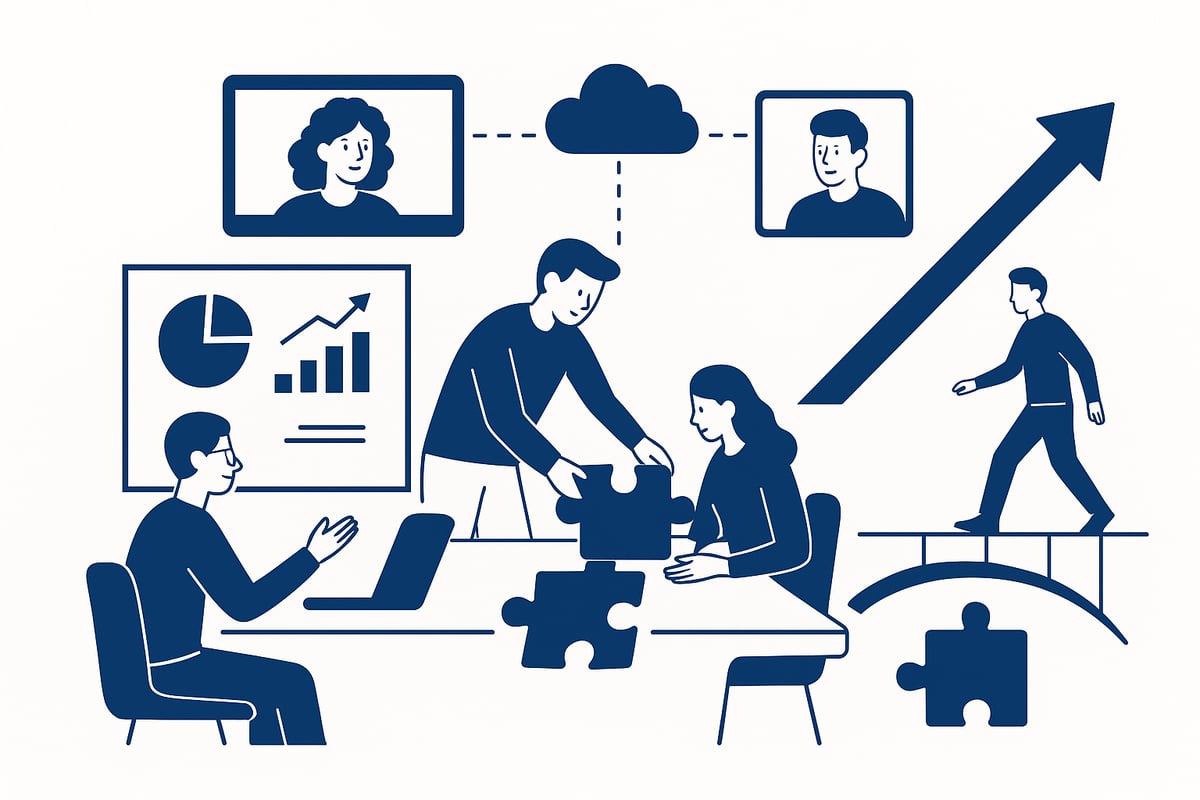
Workplace learning is evolving rapidly as we approach 2026. New technologies, hybrid teams, and shifting employee expectations are transforming how organisations approach training the team. Leaders and HR professionals now face rising pressure to adapt, ensuring employees are engaged, productive, and prepared for future challenges.
To remain competitive, it is crucial to embrace forward-thinking strategies that keep teams skilled, adaptable, and collaborative. In this article, we reveal seven essential approaches for training the team effectively in 2026, empowering you to drive lasting success.
The Evolving Landscape of Team Training in 2026
The workplace is undergoing a profound transformation as we approach 2026. Organisations are rethinking how they approach training the team, responding to a rapidly shifting environment shaped by technology, new working models, and changing workforce needs.
Digital transformation is at the heart of this evolution. With the mainstream adoption of remote and hybrid work, training the team now requires flexible digital solutions that connect employees across different locations and time zones. Continuous learning is no longer optional; it is an expectation, with employees seeking opportunities to upskill regularly and adapt quickly to new tools and processes.
Employee expectations have shifted significantly. Individuals want training the team to be more personalised, aligning with their unique learning preferences and career ambitions. Flexibility in when, where, and how learning takes place is highly valued. Career growth is a priority, with employees actively seeking development pathways that support both their current role and future aspirations.
Technology-driven methods are redefining training the team. AI-powered learning platforms can deliver personalised content and recommendations, adjusting to each team member’s progress. Microlearning—short, focused bursts of information—improves retention and engagement. Virtual collaboration tools enable real-time interaction and group exercises, making learning more dynamic and inclusive.
Research from Deloitte and LinkedIn highlights the increasing importance of team-based organisational structures and robust learning cultures. Companies that invest in training the team using modern, collaborative models report higher productivity and stronger alignment with business goals. The data suggests that fostering a culture of ongoing learning is now a key differentiator in talent retention and overall performance.
However, the journey is not without challenges. Skills gaps are widening due to the rapid pace of change, and disengagement can occur if training the team is not relevant or accessible. Inclusive training approaches are vital to ensure that all team members, regardless of background or location, have equal opportunities for growth. Some forward-thinking organisations are meeting this challenge by expanding their team building course topics to include digital collaboration, emotional intelligence, and cross-functional skills.
The impact of effective training the team is clear. Businesses see measurable gains in productivity, improved employee retention, and enhanced employer branding. These positive outcomes make the case for investing in innovative, future-oriented training strategies.
As the landscape continues to evolve, leaders and HR professionals must remain agile and open to new methods for training the team. Embracing these trends and addressing challenges directly will be essential for building skilled, adaptable, and engaged teams in 2026 and beyond.
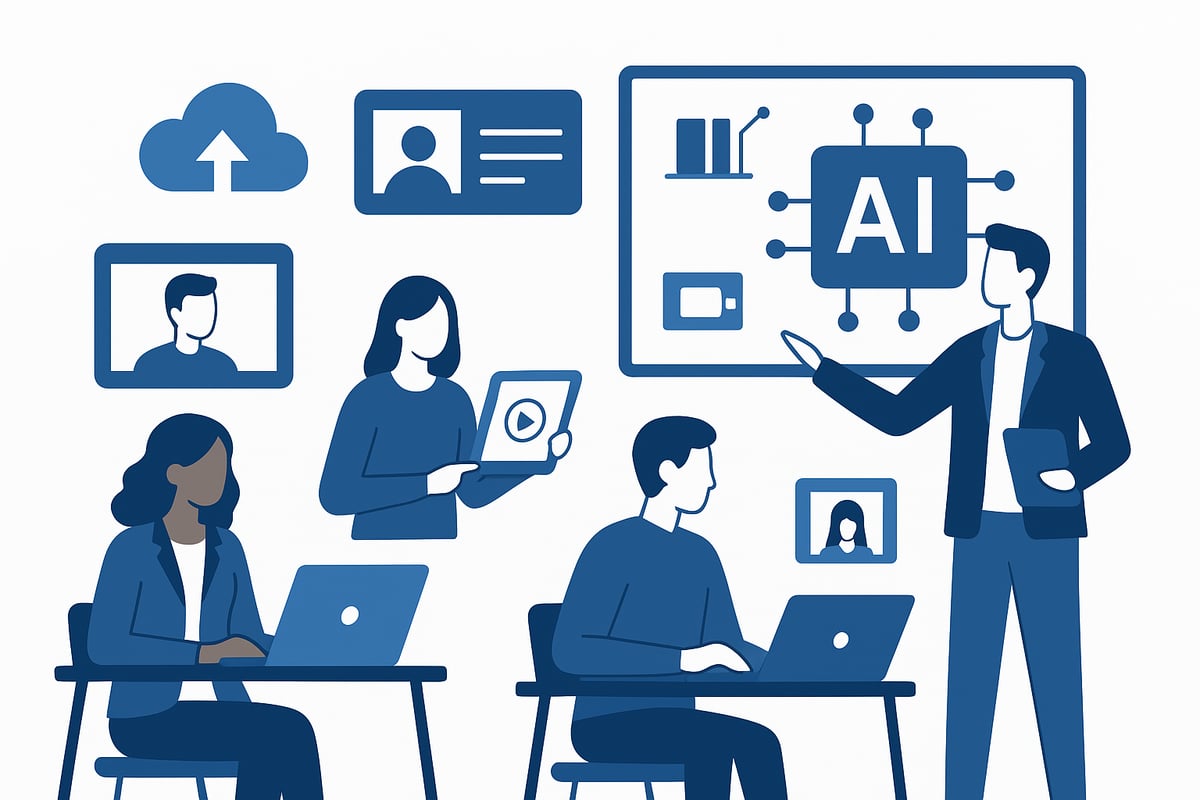
7 Essential Strategies for Training the Team in 2026
As the future of work unfolds, leaders face new challenges and opportunities in training the team. The strategies outlined below are designed to help organisations keep pace with rapid change, equipping teams with the skills, motivation, and adaptability required for 2026 and beyond.
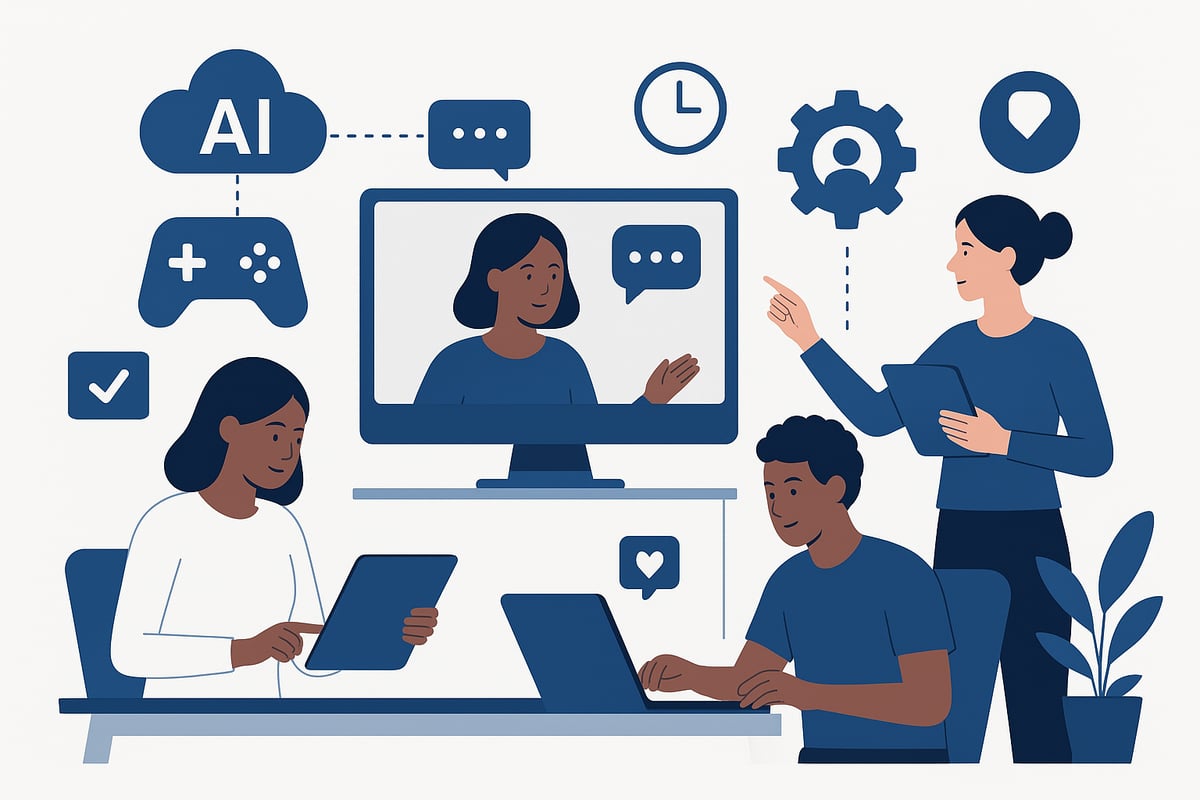
1. Prioritise Personalised Learning Pathways
No two employees learn in exactly the same way. Recognising individual differences is foundational when training the team. In 2026, personalisation is not a luxury but a necessity for engagement and retention.
Adaptive learning technologies are transforming how organisations approach training the team. These platforms analyse each employee’s current skills, role requirements, and career aspirations, then recommend tailored modules. For instance, AI-driven systems use algorithms to create bespoke development journeys, ensuring content remains relevant and challenging.
Kolb’s four learning styles—converging, diverging, assimilating, and accommodating—demonstrate that people process information uniquely. Incorporating pre-training assessments helps pinpoint these preferences, allowing for modular course selection and flexible learning schedules.
Research shows that 58 percent of employees prefer to learn at their own pace, underscoring the need for adaptability. By offering on-demand resources, organisations empower individuals to fit training the team into their own routines.
A practical example comes from a technology firm that implemented an AI-based platform. The system recommends new skill modules based on progress, ensuring every team member advances at a comfortable pace.
Personalised learning pathways not only improve knowledge retention but also increase motivation. According to recent findings, personalised learning pathways enhance engagement, making this strategy essential for future-ready teams.
2. Foster a Culture of Continuous Feedback and Growth
Traditional one-off training sessions are no longer enough. For training the team to succeed, organisations must foster a culture where development is continuous and feedback is routine.
Regular, constructive feedback is at the heart of ongoing improvement. Digital platforms now support instant feedback, allowing managers and peers to share insights in real time. Pulse surveys and peer reviews give everyone a voice, ensuring feedback loops are robust and inclusive.
Coaching and mentorship have grown in importance. Monthly development check-ins help employees reflect on progress and set new goals. Peer mentoring circles offer a safe space for sharing challenges and celebrating wins, deepening engagement and trust across the team.
Studies indicate that organisations with a culture of continuous learning enjoy retention rates that are 30 to 50 percent higher than those relying on static training. This culture ensures that training the team is not a box-ticking exercise but a dynamic, evolving process.
A leading retailer, for example, introduced monthly check-ins and peer mentoring circles. The result was a marked increase in employee satisfaction and a stronger sense of belonging.
To build a sustainable growth culture, organisations should invest in digital feedback tools, encourage open dialogue, and make regular coaching a core part of training the team.
3. Embrace Microlearning and Bite-Sized Content
In a fast-paced world, attention spans are short and learning time is at a premium. Microlearning addresses this challenge by breaking information into manageable, focused bursts.
Microlearning delivers content in formats such as short videos, interactive quizzes, podcasts, and scenario-based exercises. By embedding these activities into daily workflows, teams can integrate learning without disrupting productivity. Just-in-time learning allows employees to access information exactly when they need it, supporting immediate application.
Retention rates soar when information is delivered in bite-sized pieces. Research consistently shows that employees are more likely to remember and use knowledge gained through microlearning than through lengthy, traditional courses.
Let’s look at a practical example. Customer service teams often need to master new product features quickly. Five-minute microlearning modules offer targeted instruction, allowing staff to stay up to date without stepping away from customers for extended periods.
A recent study also found that microlearning boosts retention and real-world application. This makes it a cornerstone for training the team in 2026, especially when combined with mobile-friendly platforms and push notifications.
To maximise results, organisations should curate a library of microlearning assets, encourage daily engagement, and measure outcomes to ensure training the team stays relevant and effective.
4. Leverage Gamification and Social Learning
Motivation is a powerful driver of success when training the team. Gamification uses elements such as points, badges, and leaderboards to make learning more engaging and rewarding.
By introducing healthy competition, teams become more invested in their development. For example, sales teams often run friendly knowledge competitions, offering rewards for top performers. This not only boosts engagement but also reinforces key information in a memorable way.
Social learning amplifies these effects. Collaborative projects, discussion forums, and skills swaps create a shared learning environment. Employees learn from each other’s experiences, broaden their perspectives, and build stronger relationships.
Research suggests that 48 percent of employees prefer learning through peer collaboration. When organisations combine gamification with social learning, they foster a sense of community and encourage knowledge sharing.
A practical example is a sales department that uses a gamified platform for product training. Leaderboards track progress, and team members celebrate each other’s achievements. This approach strengthens team cohesion and keeps training the team both fun and impactful.
Gamification and social learning not only drive participation but also embed a culture of continuous improvement across the organisation.
5. Integrate Scenario-Based and Experiential Learning
The most effective training the team experiences are rooted in real-world application. Scenario-based and experiential learning immerse employees in practical challenges that mirror their daily work.
Simulations, role-plays, and live projects give team members the chance to practise critical skills in a safe environment. This hands-on approach builds confidence, sharpens problem-solving abilities, and enhances decision-making.
Structured debriefs are essential. After each scenario, teams discuss what worked, what didn’t, and how to improve. Reflection sessions help cement lessons learned and encourage a growth mindset.
Leadership development is a prime example. Teams might participate in workshops where they practise difficult conversations, receive feedback, and refine their approach. These experiences prepare leaders for complex, high-stakes situations.
Scenario-based learning is adaptable to both in-person and virtual environments. Digital tools now allow for interactive simulations, making training the team accessible regardless of location.
By prioritising experiential methods, organisations ensure their teams can apply new skills immediately, bridging the gap between theory and practice.
6. Promote Cross-Functional Collaboration and Job Shadowing
Today’s business challenges rarely fit neatly within departmental boundaries. Training the team must therefore encourage collaboration across functions and roles.
Structured job shadowing programmes allow employees to learn directly from colleagues in other departments. Cross-team projects and innovation labs provide opportunities for diverse groups to tackle complex problems together. These experiences foster empathy, broaden skill sets, and build a holistic understanding of the business.
For example, marketing and sales teams might collaborate on mapping the customer journey. This not only deepens knowledge but also strengthens relationships and breaks down organisational silos.
Studies reveal that cross-functional initiatives improve group cohesion and member satisfaction. When training the team includes these collaborative elements, it prepares employees to adapt to changing business needs and work effectively with a wide range of stakeholders.
Organisations should design rotation programmes, facilitate regular interdepartmental meetings, and celebrate shared successes. This approach ensures training the team is comprehensive, inclusive, and future-proof.
7. Measure Impact and Continuously Optimise Training Programmes
To ensure investment in training the team delivers results, organisations must measure and refine their programmes continuously.
Setting clear objectives and KPIs is the first step. Learning analytics, surveys, and performance metrics provide valuable insights into progress and effectiveness. Cloud-based learning management systems (LMS) allow organisations to track participation, assess outcomes, and identify areas for improvement.
Collecting feedback from participants is crucial. Regular input helps refine content, adjust delivery methods, and keep training the team aligned with evolving business goals.
For example, a company might use its LMS to monitor course completion rates and post-training performance. If certain modules show lower engagement, leaders can update or replace them, ensuring the programme remains relevant.
The business case for optimisation is clear. Research from SHRM indicates that companies lose billions each year due to inadequate training. By embracing a data-driven approach, organisations can demonstrate ROI, support employee growth, and make training the team a continuous, strategic advantage.
Building an Inclusive and Engaged Learning Culture
Creating a truly inclusive and engaged learning culture is now a cornerstone of training the team for future success. As workforces become more diverse and distributed, leaders must ensure every employee feels empowered to learn, contribute, and grow. An inclusive approach to training the team not only supports skill development, but also builds a sense of belonging and shared purpose.

Making Training the Team Accessible and Relevant
Accessibility is fundamental when training the team. Programmes must be designed so everyone, regardless of background, location, or ability, can participate fully. This means offering closed-captioned videos, providing content in multiple languages, and allowing flexible schedules for different time zones or personal commitments.
A growing number of organisations are adopting inclusive practices such as digital accessibility tools and custom learning pathways. For example, integrating Diversity, Equity, and Inclusion Training ensures that training the team addresses unconscious bias, cultural awareness, and equitable opportunities for all.
| Inclusive Practice | Impact on Training the Team |
|---|---|
| Closed-captioned videos | Greater accessibility |
| Multilingual content | Broader participation |
| Flexible participation | Higher engagement |
| DEI-focused modules | Enhanced sense of belonging |
Encouraging Psychological Safety and Informal Learning
Psychological safety is essential for training the team to thrive. Employees must feel comfortable experimenting, asking questions, and learning from mistakes without fear of judgement. Leaders can foster this environment by encouraging open dialogue and modelling vulnerability.
Informal learning is equally vital. Peer mentoring, knowledge sharing sessions, and digital communities all support continuous development. In fact, research shows that informal learning accounts for up to 75% of workplace learning, making it a powerful complement to formal training the team initiatives.
Teams that embrace informal learning benefit from rapid knowledge transfer and stronger internal networks. Activities like shadowing peers or participating in online discussion forums make learning part of everyday work life.
Recognising Achievements and Leadership’s Role
Recognising and celebrating learning achievements is a proven way to boost morale and engagement when training the team. Simple gestures such as digital badges, shout-outs in team meetings, or a learning leaderboard can make a significant difference.
Leadership plays a crucial role in shaping a culture of development. When leaders actively participate in training the team, share their own learning journeys, and champion inclusive practices, they set a standard for others to follow.
An inclusive learning culture also enhances employer branding, talent attraction, and retention. Organisations known for prioritising training the team and employee growth are better positioned to compete for top talent and adapt to future challenges.
Overcoming Challenges and Future-Proofing Team Training
As organisations look ahead to 2026, training the team comes with a host of challenges. Budget constraints, remote engagement issues, resistance to change, and evolving technology demands can all hinder progress. These obstacles can disrupt learning momentum and impact overall team performance.
To address these hurdles, leaders should consider blended learning models, which combine digital and in-person experiences. Leveraging low-cost online resources and implementing phased rollouts can make training the team more accessible and sustainable. Aligning learning initiatives with broader business goals ensures every effort supports organisational growth. For practical ideas on effective approaches, explore Employee Development Strategies.
Leadership buy-in is essential for training the team to succeed long-term. Staying agile and responsive to shifting trends keeps teams competitive. Continuous assessment and adaptation help future-proof skills, ensuring teams are ready for whatever lies ahead.