

Organizations across Canada are increasingly recognizing that creating truly inclusive workplaces requires more than good intentions. Unconscious biases-the automatic mental shortcuts we all develop-can significantly impact hiring decisions, promotion processes, team dynamics, and overall organizational culture. While these biases operate below our conscious awareness, their effects are measurable and consequential. Professional unconscious bias training has emerged as a critical tool for organizations committed to building diverse, equitable, and high-performing teams where every employee can contribute their best work.
Understanding Unconscious Bias in the Workplace
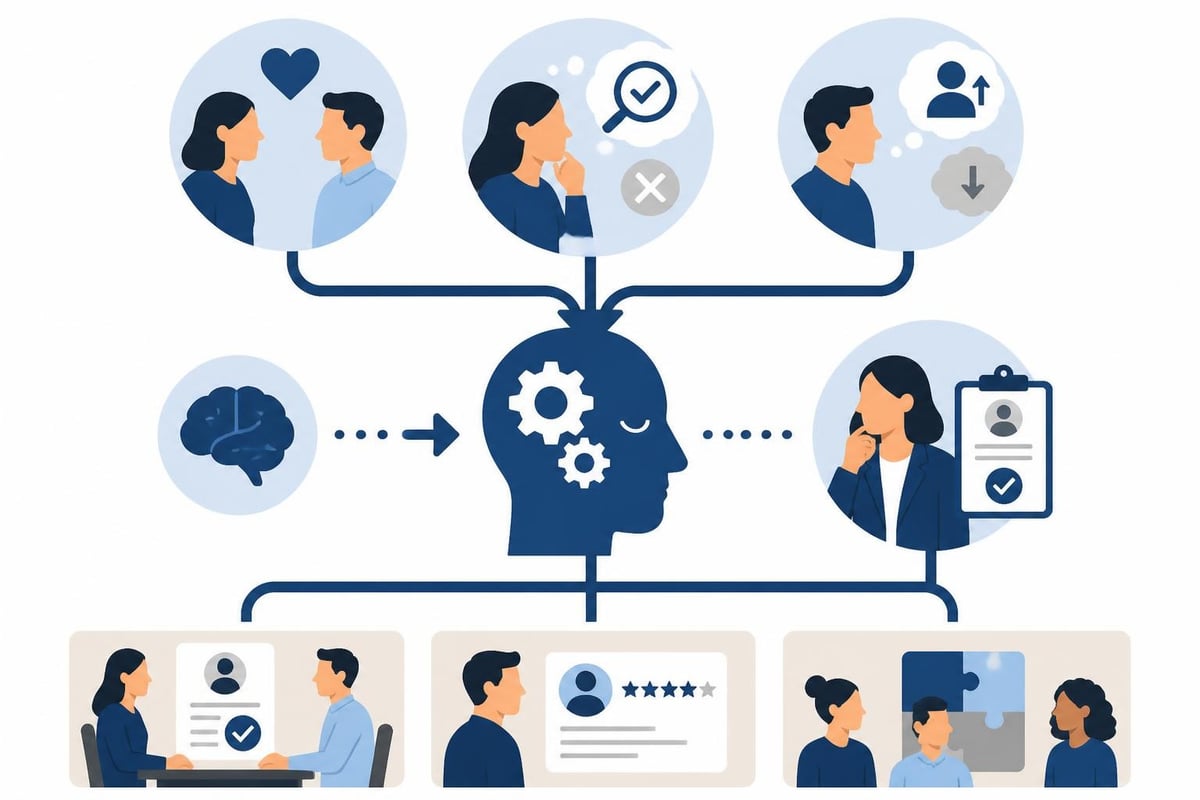
Unconscious bias refers to the automatic, mental associations and stereotypes that influence our judgments and behaviours without our awareness. These biases develop throughout our lives, shaped by our experiences, cultural contexts, and the information we consume. In professional settings, they can manifest in countless ways-from the candidate we instinctively "feel" would be a good culture fit to the team member whose ideas we unconsciously value more than others.
Common types of workplace bias include:
- Affinity bias: Gravitating toward people who share our backgrounds, interests, or experiences
- Confirmation bias: Seeking information that confirms our existing beliefs while ignoring contradictory evidence
- Attribution bias: Judging our own successes as skill-based while attributing others' successes to luck
- Halo effect: Allowing one positive trait to influence our overall perception of someone
- Horns effect: Letting one negative trait overshadow someone's other qualities
Research demonstrates that everyone harbours unconscious biases, regardless of their conscious commitment to fairness and equality. The challenge isn't eliminating these biases entirely-that's neurologically impossible-but rather becoming aware of them and implementing strategies to prevent them from driving our decisions.
The Business Case for Unconscious Bias Training
Forward-thinking organizations invest in unconscious bias training not just for ethical reasons, but because it delivers tangible business outcomes. When teams learn to recognize and mitigate their biases, decision-making improves across the board. According to research on effective unconscious bias training strategies, programs that focus on behaviour management and progress tracking achieve measurable organizational change.
Key business benefits include:
- Enhanced talent acquisition: Reduced bias in hiring processes leads to more diverse candidate pools and better hiring decisions
- Improved employee retention: Inclusive environments where all employees feel valued experience lower turnover rates
- Increased innovation: Diverse teams with psychological safety generate more creative solutions
- Better customer understanding: Teams reflecting diverse perspectives better serve diverse customer bases
- Risk mitigation: Proactive bias awareness reduces discrimination complaints and legal exposure
| Business Metric | Impact of Bias Training | Measurement Timeline |
|---|---|---|
| Hiring diversity | 15-30% increase in underrepresented candidates | 6-12 months |
| Employee engagement | 10-20% improvement in inclusion scores | 3-6 months |
| Innovation output | 25-35% more ideas from diverse teams | 12-18 months |
| Turnover reduction | 5-15% decrease in voluntary departures | 12-24 months |
Organizations that integrate unconscious bias training into their broader leadership development initiatives create cultures where awareness becomes embedded in daily practices rather than remaining a one-time event.
Designing Effective Unconscious Bias Training Programs
Not all unconscious bias training delivers equal results. The most effective programs share several critical characteristics that distinguish them from awareness-only approaches that may actually backfire by creating resentment or false confidence.
Evidence-Based Content and Delivery
Successful programs ground their content in psychological research rather than anecdotal examples alone. They explain the neuroscience behind automatic thinking, helping participants understand that biases aren't character flaws but natural cognitive processes requiring active management. Studies examining unconscious bias training implementation emphasize the importance of aligning training content with institutional goals and measuring participant engagement throughout the process.
Interactive elements prove far more effective than passive lectures. Role-playing exercises, case study analyses, and small group discussions help participants recognize bias patterns in realistic scenarios. When learners actively engage with the material rather than simply receiving information, retention and application increase significantly.
Moving Beyond Awareness to Action
Awareness alone doesn't change behaviour. The most impactful unconscious bias training programs teach specific, practical strategies participants can implement immediately. These might include structured interview protocols that reduce subjective assessments, anonymous resume review processes, or decision-making frameworks that slow down automatic thinking.
Actionable bias interruption strategies include:
- Implementing structured evaluation criteria before reviewing candidates or performance
- Seeking contrary evidence when forming impressions or making decisions
- Expanding networks intentionally to include people with different backgrounds and perspectives
- Using objective data to supplement gut feelings and first impressions
- Building in accountability through diverse hiring panels and decision review processes
- Creating decision delays that allow time for reflection before finalizing important choices
Organizations benefit when they pair training with systemic changes. For instance, combining unconscious bias training with reforms to hiring processes, performance management systems, and promotion criteria creates reinforcing mechanisms that support new behaviours.
Measuring Training Effectiveness and ROI
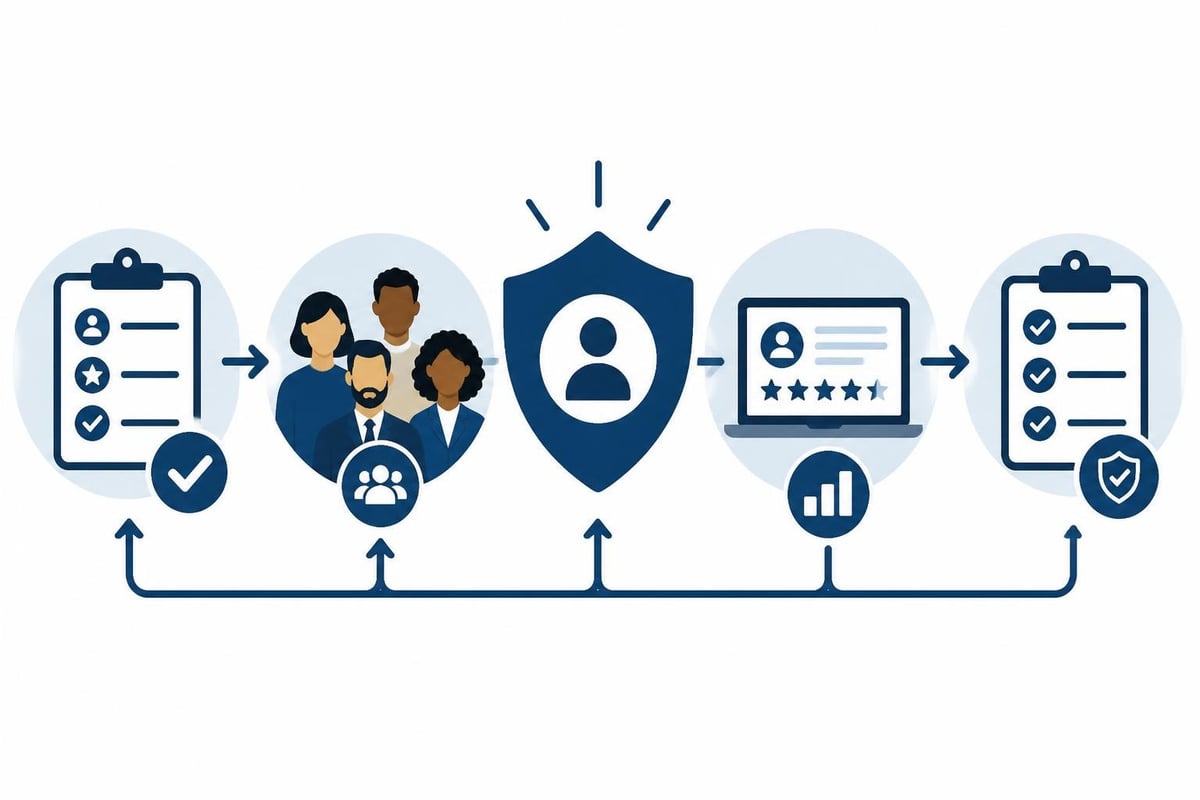
Sophisticated organizations approach unconscious bias training as they would any significant investment-with clear objectives, baseline measurements, and ongoing evaluation. However, questions about whether unconscious bias training works often arise because many programs lack rigorous assessment frameworks.
Establishing Meaningful Metrics
Effective measurement begins before training occurs. Organizations should establish baseline data on diversity metrics, employee engagement scores, promotion patterns, and other relevant indicators. Post-training assessment then compares these metrics at regular intervals-30 days, 90 days, six months, and annually.
Multi-level evaluation framework:
| Evaluation Level | What to Measure | Assessment Method | Timeline |
|---|---|---|---|
| Reaction | Participant satisfaction and engagement | Post-session surveys | Immediate |
| Learning | Knowledge acquisition and comprehension | Pre/post assessments | Day 1 and Day 30 |
| Behaviour | Application of strategies in daily work | 360 feedback, observation | 90-180 days |
| Results | Organizational diversity and inclusion metrics | HR analytics, engagement surveys | 6-24 months |
The challenge with unconscious bias training lies in isolating its effects from other variables influencing organizational culture. Nevertheless, organizations can track meaningful indicators such as diversity in candidate shortlists, demographic patterns in promotions, employee resource group participation, and inclusion scores in engagement surveys.
Addressing Common Concerns and Skepticism
Evidence examining unconscious bias training effectiveness reveals mixed results, largely because program quality and implementation approaches vary dramatically. Poorly designed training-especially mandatory programs that make participants feel attacked or lectured-can actually increase resistance and defensiveness.
Successful programs acknowledge this research openly and position training as skill development rather than moral correction. They emphasize that recognizing bias demonstrates intelligence and self-awareness, not ethical failure. This framing reduces defensiveness and increases openness to learning.
Implementing Unconscious Bias Training in Canadian Organizations
Canadian organizations face unique considerations when implementing unconscious bias training, including federal and provincial equity legislation, multicultural workforce dynamics, and Indigenous reconciliation commitments. Training programs should acknowledge these contexts while maintaining relevance across diverse industries and organizational sizes.
Customization for Organizational Context
Generic, off-the-shelf unconscious bias training rarely delivers optimal results. The most effective programs customize content to reflect participants' actual decision-making contexts. For example, training for healthcare professionals might focus on diagnostic biases and patient care disparities, while programs for leadership teams might emphasize succession planning and talent development equity.
Industry-specific examples help participants see bias operating in familiar situations, increasing both credibility and application. A technology company's training might explore bias in code review feedback, while a financial services firm might examine lending decision patterns. This specificity transforms abstract concepts into concrete, actionable insights.
Frequency and Reinforcement Strategies
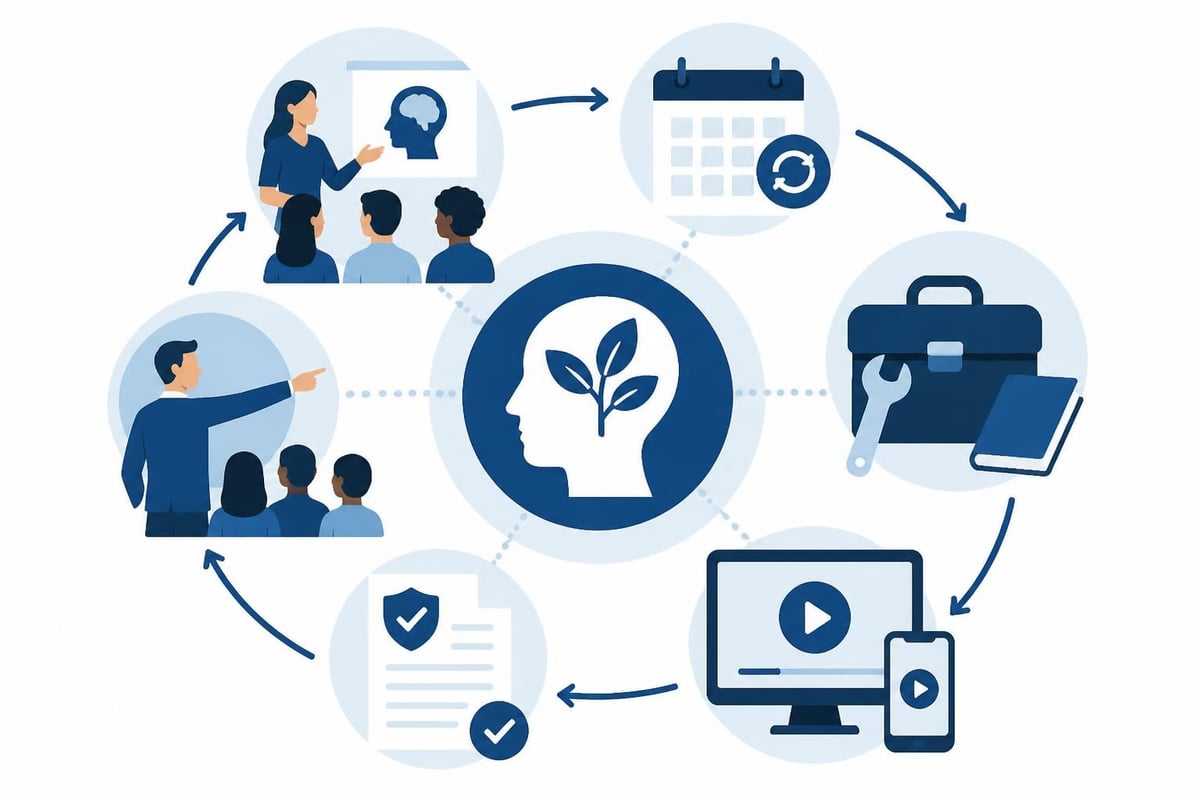
Research indicates that single-session unconscious bias training produces minimal lasting impact. Studies on implicit bias training design and delivery identify gaps in training approaches, particularly around sustainability and reinforcement mechanisms. Behaviour change requires ongoing reinforcement through multiple touchpoints.
Effective reinforcement approaches include:
- Quarterly refresher sessions that build on foundational concepts with new scenarios
- Manager toolkits providing conversation guides for team discussions
- Integration with existing training such as communication skills development
- Digital learning supplements offering microlearning modules and bias interruption reminders
- Leadership modeling where executives openly discuss their own bias awareness journeys
- Policy alignment ensuring organizational systems support bias reduction efforts
Organizations achieve better outcomes when unconscious bias training becomes part of a comprehensive inclusion strategy rather than standing alone as an isolated initiative.
Integrating Unconscious Bias Training with Broader Development
Unconscious bias training delivers maximum value when integrated thoughtfully with other professional development initiatives. Organizations can create synergies by connecting bias awareness to communication skills, emotional intelligence, decision-making frameworks, and team collaboration.
Connections to Leadership Development
Leaders carry disproportionate responsibility for creating inclusive environments because their biases affect more people through hiring, promotion, resource allocation, and team culture decisions. Incorporating unconscious bias content into leadership and management training ensures that developing leaders build awareness alongside other critical capabilities.
Advanced leadership programs might explore how bias intersects with strategic thinking, change management, and organizational development. For instance, leaders learning about adapting to workplace change benefit from understanding how bias can cause them to resist valuable input from unexpected sources or favour familiar approaches over innovative alternatives.
Building Inclusive Communication Skills
Communication patterns often reveal unconscious biases-interrupting certain speakers more frequently, dismissing ideas from particular sources, or using language that excludes or marginalizes groups. Training that combines bias awareness with communication skill development creates powerful opportunities for behavioural change.
Participants might practice inclusive meeting facilitation techniques, learn to recognize and interrupt biased language patterns, or develop skills for giving feedback that separates behaviour from assumptions. These practical communication applications make bias awareness tangible and actionable in daily interactions.
Supporting Team Dynamics and Collaboration
Team effectiveness suffers when unconscious biases create unequal participation, influence patterns, or psychological safety. Team building initiatives that incorporate bias awareness help groups surface and address dynamics that might otherwise remain invisible and destructive.
High-performing teams develop shared awareness of bias patterns and establish norms that counteract them. For example, teams might adopt structured brainstorming protocols that ensure all voices contribute before evaluating ideas, or implement round-robin discussion formats that prevent dominant voices from overwhelming others.
Virtual and Hybrid Unconscious Bias Training
The shift toward remote and hybrid work environments has transformed how organizations deliver unconscious bias training. Virtual delivery offers both challenges and opportunities that require thoughtful instructional design and facilitation approaches.
Leveraging Technology for Engagement
Effective virtual unconscious bias training uses breakout rooms for small group discussions, polls for real-time engagement assessment, and collaborative documents for group exercises. Interactive elements combat the passivity that can plague virtual sessions, keeping participants mentally engaged throughout the program.
Asynchronous components complement synchronous sessions effectively. Research on asynchronous unconscious bias courses demonstrates that participants engage deeply with self-paced content when it includes reflection exercises and opportunities to share insights. Organizations might assign pre-work that establishes foundational concepts, allowing live sessions to focus on application, discussion, and skill practice.
Effective virtual training elements:
- Pre-session assessments that measure baseline awareness and establish learning objectives
- Interactive case studies adapted for virtual breakout room analysis
- Real-time polls revealing group patterns and generating discussion topics
- Role-play exercises using video functionality and structured debriefs
- Digital action planning tools participants complete and revisit over time
- Post-session resources including articles, videos, and reflection prompts
Maintaining Psychological Safety Remotely
Discussing bias requires psychological safety-participants must feel comfortable acknowledging their own biases and exploring sensitive topics without fear of judgment or repercussion. Creating this safety in virtual environments demands deliberate facilitation strategies.
Skilled facilitators establish clear discussion norms, model vulnerability by sharing their own bias awareness experiences, and intervene quickly if participants demonstrate defensiveness or dismissiveness. Small breakout groups often feel safer than large plenary sessions for initial explorations of sensitive topics.
Selecting the Right Training Partner
Organizations investing in unconscious bias training face important decisions about program design, delivery format, and training partnerships. The quality of the training provider significantly influences program outcomes and organizational impact.
Evaluating Provider Expertise and Approach
Strong training providers demonstrate deep knowledge of both bias psychology and adult learning principles. They customize content rather than delivering identical programs to every client, ask substantive questions about organizational context and goals, and provide evidence of their programs' effectiveness through client outcomes and participant feedback.
Organizations should inquire about facilitator qualifications, content sources, and measurement approaches. Providers who rely solely on inspirational storytelling without grounding content in research or providing practical strategies rarely deliver sustainable behaviour change. Similarly, programs that shame or blame participants typically create resistance rather than openness.
Aligning Training with Organizational Culture
The most effective unconscious bias training aligns with existing organizational values and culture while gently challenging areas needing development. Providers who take time to understand an organization's current state, aspirations, and challenges deliver more relevant and impactful programs than those offering purely standardized content.
For organizations seeking comprehensive training solutions, partnering with providers offering diverse course catalogues allows for integrated development pathways that connect bias awareness to related capabilities. This approach creates reinforcing learning experiences rather than isolated events that participants quickly forget.
Creating more inclusive, equitable workplaces requires ongoing commitment, systemic change, and skill development at all organizational levels. Unconscious bias training serves as a powerful catalyst when designed thoughtfully, delivered expertly, and reinforced consistently. My Training Network specializes in delivering high-impact, instructor-led training customized to your organization's unique context and goals. With expert facilitators across Canada and virtual delivery capabilities worldwide, we help organizations build the awareness and skills needed to create workplaces where everyone can thrive. Connect with My Training Network today to explore how our customizable unconscious bias training programs can support your inclusion and equity objectives.

