

The digital landscape is changing rapidly, and by 2026, virtual workshops have become essential for effective online collaboration across industries. As organisations and professionals embrace remote-first models, mastering virtual workshops is now a critical skill for success.
This guide empowers you with proven strategies, innovative tools, and best practices needed to drive impactful collaboration in any setting. We will explore the evolution of virtual workshops, the latest technologies, step-by-step planning, facilitation techniques, engagement strategies, and the future trends shaping online teamwork.
Are you ready to transform your approach and elevate your virtual collaboration game? Let’s begin.
The Evolution of Virtual Workshops: From Necessity to Innovation
The landscape of virtual workshops has transformed dramatically over the past few years. What started as a necessity during the global shift to remote work has now become an engine of innovation and collaboration across industries. As organisations adapted, virtual workshops evolved from emergency solutions to strategic tools for engagement and productivity.
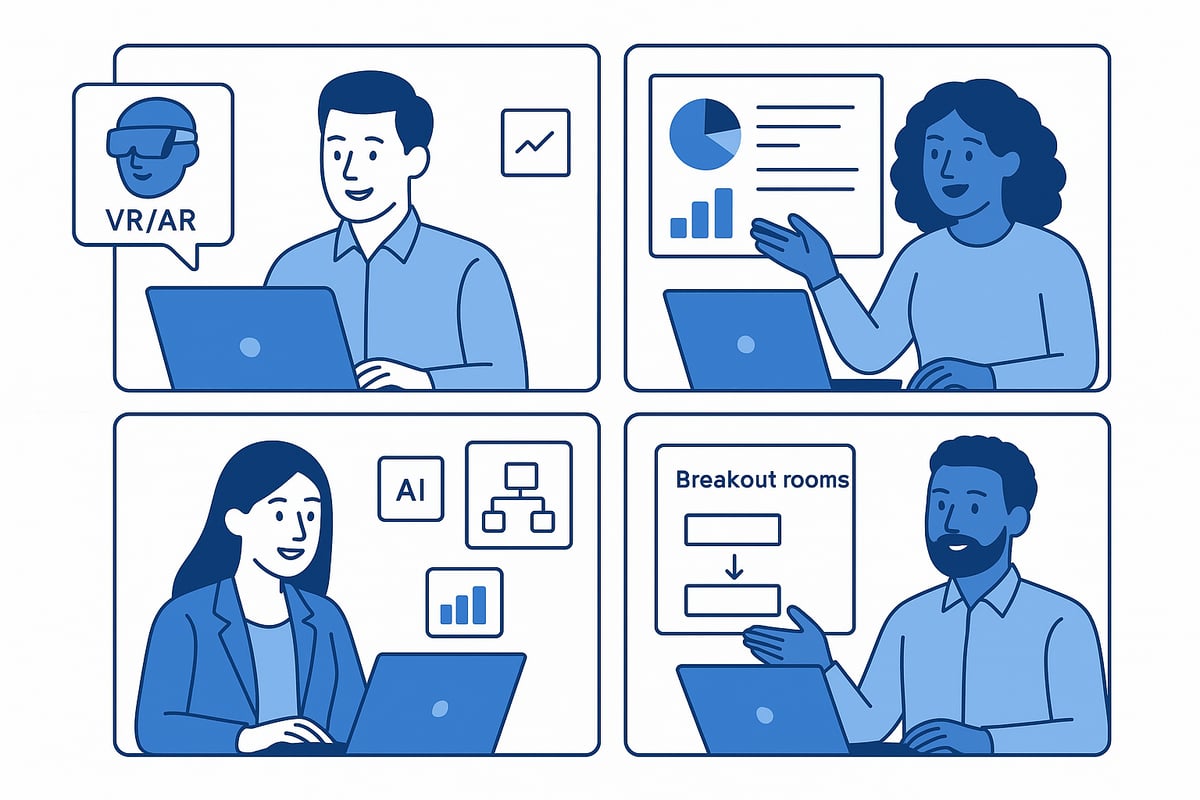
The Rise of Virtual Collaboration
The rapid adoption of remote work in 2020 marked a turning point for virtual workshops. Initially, these sessions were a response to global disruption, but by 2026, they have become the backbone of effective collaboration. Global remote teams now rely on virtual workshops for everything from brainstorming to project delivery. According to Virtual workshop adoption statistics, 70% of professionals participated in virtual workshops by mid-2025. Leading sectors include technology, education, and consulting, setting benchmarks for others to follow.
Key Milestones in Virtual Workshop Development
The evolution of virtual workshops is marked by several key milestones. Early on, teams adopted video conferencing and cloud-based tools to maintain momentum. By 2024, AI-powered platforms such as Miro AI began to automate agenda creation and follow-up. The integration of immersive technologies like AR and VR has made hands-on collaboration possible, with virtual workshops now supporting design sprints and prototyping sessions in fully digital environments.
Benefits Driving Adoption
Organisations have embraced virtual workshops for their clear advantages. Notable benefits include:
- Cost savings by reducing travel and venue expenses
- Greater inclusivity, allowing participation from geographically dispersed teams
- Enhanced data capture and analytics that inform future decision-making
These factors have contributed to the widespread adoption and long-term viability of virtual workshops.
Challenges Overcome
The journey to effective virtual workshops was not without obstacles. Early challenges included Zoom fatigue and digital disengagement, which threatened productivity and morale. To address these issues, platforms introduced interactive features, gamification elements, and asynchronous participation options. These solutions revitalised engagement and made virtual workshops more dynamic and accessible.
The 2026 Virtual Workshop Landscape
By 2026, virtual workshops have entered a new era. Hybrid models are now standard, blending in-person and online elements for flexibility. The rise of specialist facilitators and digital workshop designers reflects the growing demand for expertly crafted experiences. Case studies from the corporate and creative sectors highlight how virtual workshops drive innovation, foster team building, and spark meaningful collaboration across boundaries.
Essential Technologies and Tools for Virtual Workshops in 2026
Staying ahead in 2026 means using the right technologies to create seamless virtual workshops. The landscape is more advanced, with tools designed for collaboration, automation, security, and inclusion. Let us explore the essential platforms and features shaping the future of virtual workshops.

Core Platforms and Features
The backbone of modern virtual workshops rests on robust platforms. Leading names include Miro, Microsoft Teams, and Zoom, each offering real-time collaboration, whiteboarding, breakout rooms, polls, and built-in analytics. These platforms support everything from brainstorming to project delivery.
When planning virtual workshops, it is crucial to compare platforms based on your team's needs. Must-have features include seamless sharing, interactive boards, and reliable connectivity. For a deeper dive into platform selection and execution, see these Practical project management tools.
AI and Automation Enhancements
Artificial intelligence is transforming virtual workshops by automating routine tasks. AI-driven agenda setting, time management, and note-taking are now standard. Automated action item tracking ensures nothing falls through the cracks, while sentiment analysis helps facilitators gauge engagement in real time.
Miro’s AI Innovation Workspace is a standout, streamlining preparation and follow-up. These technologies free facilitators to focus on meaningful interaction, making virtual workshops more productive and insightful.
Immersive and Interactive Technologies
Immersive tech is redefining how people experience virtual workshops. VR and AR make hands-on collaboration possible, even when participants are continents apart. Interactive templates, such as design sprints or brainstorming kits, foster creativity and efficiency.
Recent surveys show that by 2025, 42 percent of enterprise virtual workshops included immersive elements. This trend is making sessions more engaging and impactful, encouraging higher participation and better outcomes.
Security and Privacy Considerations
Security is non-negotiable for virtual workshops, especially when handling sensitive data. Platforms now offer secure guest invitations, advanced permission settings, and strict GDPR compliance. Integration with enterprise calendars and single sign-on ensures smooth and safe access for all participants.
Organisations should review security policies regularly. Strong privacy controls build trust and protect both company and participant interests, making virtual workshops safer for everyone.
Accessibility and Inclusivity Tools
Accessibility is at the heart of effective virtual workshops. Real-time translation, closed captioning, and adaptive interfaces ensure everyone can participate fully. Many platforms provide templates and community resources tailored for diverse learning styles.
By focusing on inclusivity, facilitators break down barriers and make virtual workshops welcoming spaces for global teams. This approach helps unlock the full potential of every participant.
Step-by-Step Guide to Planning a Successful Virtual Workshop
Planning virtual workshops in 2026 demands a strategic, participant-centred approach. Each step in this process builds towards delivering engaging, productive, and measurable outcomes for your team or organisation. Here, we break down the essential stages to ensure your next virtual workshop is both impactful and memorable.

Step 1: Define Objectives and Outcomes
Every successful virtual workshop starts with clear, measurable objectives. Begin by aligning your workshop goals with business priorities or learning outcomes. Ask yourself: What do participants need to achieve? Are you aiming for innovative ideas, team alignment, or concrete decisions?
Set specific success criteria for your virtual workshops. For example, a product design sprint might target three viable prototypes by the session’s end. Defining outcomes upfront not only guides your planning but also sets participant expectations. This clarity ensures all activities align with your overarching purpose.
Step 2: Choose the Right Tools and Platforms
Selecting the best technology for your virtual workshops is crucial. Assess your participants’ needs, technical abilities, and the intended workshop format. Compare platforms such as Miro for collaborative canvases, Microsoft Teams for integrated communication, and Zoom for robust breakout rooms.
Consider the following features when evaluating platforms:
| Feature | Miro | Teams | Zoom |
|---|---|---|---|
| Real-time Collaboration | Yes | Yes | Yes |
| Breakout Rooms | Yes | Yes | Yes |
| Whiteboarding | Advanced | Basic | Basic |
| Analytics | Advanced | Moderate | Moderate |
Prioritise accessibility, security, and ease of use to maximise engagement in your virtual workshops.
Step 3: Curate Engaging Content and Activities
Content is the heart of effective virtual workshops. Select or customise interactive templates, such as those found in Miroverse or Crafty Hen kits, to structure your session. Build in icebreakers, polls, and creative exercises to spark participation and creativity.
Incorporate multimedia elements, including videos and interactive boards, to cater to different learning styles. For teams focused on collaboration and cohesion, consider an Effective team building workshop to boost engagement and teamwork. Well-chosen activities transform virtual workshops into dynamic, results-driven experiences.
Step 4: Prepare Participants and Materials
Preparation is vital to a seamless experience in virtual workshops. Send detailed invitations, including clear logistics, session objectives, and access instructions. If participants are new to your chosen platform, offer onboarding resources or short tutorial videos.
Provide digital or physical materials ahead of time. For example, distribute digital templates or arrange for physical craft kits if your workshop involves hands-on activities. This proactive approach ensures everyone arrives ready to participate fully and confidently in your virtual workshops.
Step 5: Facilitate with Impact
Effective facilitation is the engine driving virtual workshops. Assign clear roles, such as facilitator, timekeeper, and note-taker, to maintain structure and flow. Use features like “Bring Everyone to Me” or live feedback tools to keep focus and energy high.
Monitor engagement using cursor tracking or polls. Encourage active participation through direct prompts and regular check-ins. By fostering a collaborative atmosphere, you’ll help participants feel valued and invested in the success of your virtual workshops.
Step 6: Capture Results and Follow Up
Documenting outcomes is essential for lasting impact in virtual workshops. Leverage automated note-taking and action item tracking tools to ensure nothing is missed. Analyse engagement data and workshop analytics to measure success against your objectives.
Share summaries, resources, or recordings promptly after the session. Schedule follow-up meetings or distribute additional learning materials as needed. This commitment to follow-up ensures that the insights and actions generated in your virtual workshops translate into real-world progress.
Proven Facilitation Techniques for Maximum Engagement
Facilitation in virtual workshops is both an art and a science. To achieve maximum engagement, leaders must blend structure with creativity, ensuring every participant feels included and motivated. The following proven techniques empower facilitators to transform virtual workshops into dynamic, productive experiences.

Creating an Inclusive and Collaborative Environment
Inclusivity is at the core of effective virtual workshops. Establish ground rules for respectful dialogue and encourage participants to share ideas openly. Use visual aids, such as templates and diagrams, to support different learning preferences.
Encourage active involvement by inviting everyone to turn on their cameras and contribute to discussions. Incorporating essential presentation techniques can help facilitators present content clearly and keep energy levels high. By fostering a welcoming space, you ensure that all voices are heard and valued within your virtual workshops.
Icebreakers and Energizers
Starting virtual workshops with icebreakers or energisers sets a positive tone. Quick activities like polls, word clouds, or creative games help participants relax and connect.
For example, team building sessions inspired by Crafty Hen’s virtual craft workshops use hands-on tasks to break the ice. By integrating fun elements, facilitators reduce barriers and boost morale. These activities can transform virtual workshops from routine meetings into memorable, engaging experiences.
Managing Group Dynamics Remotely
Managing group dynamics in virtual workshops requires intentional structure. Use breakout rooms for small group discussions to encourage deeper engagement. Rotate facilitators or speakers to keep the energy high and maintain interest.
Track participation using analytics tools and prompt quieter members to share their thoughts. This approach ensures balanced contributions and prevents any single voice from dominating. With thoughtful facilitation, virtual workshops become collaborative spaces where diverse ideas flourish.
Tools to Sustain Attention and Participation
Keeping attention high in virtual workshops means leveraging interactive features. Use cursor tracking, live reactions, and voting tools to make sessions lively. Features like “Bring Everyone to Me” help refocus participants during key moments.
Timers and structured agendas keep discussions on track and prevent overruns. By integrating these tools, facilitators can maintain momentum and ensure every participant remains engaged throughout the virtual workshops.
Handling Challenges and Disruptions
Even the best-planned virtual workshops face challenges. Technical issues, distractions, or disengagement can disrupt flow. Prepare by setting up real-time support channels and having backup plans in place.
Address disengagement with direct prompts or by switching activities. Structured facilitation, including clear roles and contingency strategies, helps keep virtual workshops running smoothly and ensures consistent engagement, even when obstacles arise.
Measuring Engagement and Success
To measure the impact of virtual workshops, use post-session surveys and analytics tools. Track metrics such as participation rates, idea generation, and completion of action items.
Feedback loops allow facilitators to refine their approach over time. By analysing outcomes, organisations can identify strengths and areas for improvement, ensuring that each round of virtual workshops becomes more effective and engaging than the last.
Strategies for Boosting Engagement and Collaboration Online
Creating engaging and collaborative virtual workshops in 2026 requires more than just the right technology. To truly connect participants, facilitators must blend interactivity, personalisation, and thoughtful design. Here are proven strategies to boost participation and drive meaningful outcomes in your virtual workshops.
Designing for Interactivity
Interactivity lies at the heart of successful virtual workshops. Incorporate live polls, quizzes, and collaborative boards to keep participants actively involved. Platforms like Miro offer voting and timer features that support real-time decision-making and spark group discussion.
Gamification techniques can further increase engagement. Consider using points, leaderboards, and rewards to motivate contributions. For example, awarding badges for creative ideas or timely feedback can transform routine activities into friendly competitions.
Interactive elements not only help maintain attention but also encourage participants to share insights. By designing virtual workshops with hands-on activities and dynamic tools, you create an environment where everyone feels empowered to contribute.
Personalising the Experience
Personalisation is essential for making virtual workshops feel relevant and engaging. Customise templates and activities to reflect your team’s culture, goals, and interests. Allowing participants to help shape the agenda or contribute content fosters a sense of ownership.
Branded materials, such as custom backgrounds or logos, can reinforce team identity. Collaborative projects, like group brainstorming boards or creative workshops, encourage deeper involvement. For example, virtual bunting workshops give teams a shared goal and a tangible outcome.
By tailoring virtual workshops to participants’ needs and preferences, facilitators create a more inclusive and motivating experience for everyone involved.
Fostering Connection and Team Spirit
Building authentic connections in virtual workshops is vital for long-term engagement. Start with regular check-ins and social moments, such as icebreaker games or virtual coffee breaks. These informal interactions help participants feel comfortable and valued.
Facilitators can use networking sessions or breakout rooms to encourage conversation and relationship-building. According to industry reports, teams that include informal moments in virtual workshops see up to 25 percent higher satisfaction rates.
For more strategies on enhancing virtual collaboration and engagement, consider Improving team collaboration with EI and DiSC, which explores emotional intelligence techniques and team dynamics.
Addressing Remote Fatigue
Remote fatigue can undermine even the best virtual workshops if not addressed proactively. Schedule shorter, focused sessions and include regular breaks to maintain energy levels. Rotating activities and formats, such as switching between presentations, discussions, and creative tasks, also keeps things fresh.
Encourage asynchronous participation, allowing team members to contribute ideas or feedback outside of live sessions. This flexibility supports different working styles and helps prevent burnout. By prioritising well-being, facilitators ensure that virtual workshops remain productive and enjoyable.
Leveraging Analytics for Continuous Improvement
Data-driven insights are transforming how organisations run virtual workshops. Use platform analytics to track participation rates, engagement levels, and idea generation. Feedback surveys offer valuable perspectives for refining content and facilitation style.
Regularly review workshop data to identify what works and where improvements are needed. AI-powered tools can streamline this process, offering real-time recommendations and tracking progress toward outcomes. For more on AI’s impact, explore AI integration in virtual collaboration, which highlights the latest advancements in collaborative technology.
By embracing analytics, teams can iterate on their approach, share success stories, and develop best practices that keep virtual workshops effective and engaging.
The Future of Virtual Workshops: Trends and Predictions for 2026 and Beyond
The future of virtual workshops is rapidly unfolding, with new trends and technologies redefining how organisations collaborate. In 2026 and beyond, professionals will experience a landscape shaped by hybrid models, advanced AI, immersive experiences, and a greater focus on accessibility. Let us explore what lies ahead for virtual workshops and how teams can prepare to stay ahead of the curve.
Rise of Hybrid Collaboration Models
Hybrid collaboration is becoming the new norm for virtual workshops. Teams blend in-person and online participation, using smart meeting rooms that connect remote and onsite members seamlessly.
Organisations now invest in integrated tech stacks that support both physical and digital interactions. This approach gives teams the flexibility to choose the best format for each project, improving attendance and engagement.
AI-Driven Personalisation and Facilitation
AI is transforming how virtual workshops are managed and facilitated. Predictive agendas, adaptive content, and real-time coaching help facilitators tailor sessions to participants' needs.
Automated follow-up and learning pathways ensure that every attendee receives relevant next steps. Recent research highlights AI’s role in team productivity, showcasing how AI agents enhance collaboration and outcomes in virtual workshops.
Immersive and Experiential Learning
Immersive technologies are revolutionising virtual workshops. AR and VR are now used for design sprints, prototyping, and hands-on training, making sessions more engaging and interactive.
Workshops increasingly leverage generative AI to enhance collaborative experiences in mixed reality, as seen in Generative AI in mixed reality collaboration. These innovations help participants develop skills in realistic, dynamic environments.
Enhanced Measurement and ROI Tracking
Measuring the impact of virtual workshops is more precise than ever. Advanced analytics tools track engagement, idea generation, and business outcomes in real time.
Integration with learning management and HR systems allows organisations to assess ROI, making it easier to justify investments in new workshop formats and technologies.
Expanding Accessibility and Global Reach
Accessibility is a top priority for future virtual workshops. Multilingual support, adaptive interfaces, and closed captioning ensure that sessions are inclusive for all participants.
These features open the door for global teams to collaborate without barriers, making it easier for organisations to tap into diverse perspectives and expertise.
Evolving Roles: The Digital Workshop Designer
As virtual workshops grow in complexity, new roles are emerging. Digital workshop designers, specialist facilitators, and experience producers are now essential for crafting engaging online sessions.
These professionals bring expertise in tech fluency, online engagement, and instructional design, ensuring that every workshop delivers measurable value.
Key Takeaways for Future-Ready Teams
To thrive in this evolving landscape, teams must commit to continuous learning and adaptation. Mastery of virtual workshops provides a competitive edge, enabling organisations to innovate and collaborate with confidence.
Investing in new skills, embracing advanced technologies, and fostering a culture of inclusion will be crucial for long-term success in virtual workshops.

