

Effective communication forms the foundation of every successful organization, yet many businesses struggle with misunderstandings, conflicts, and inefficiencies that stem from poor communication practices. In 2026, as hybrid work environments continue to evolve and teams become increasingly diverse, the need for structured workplace communication training has never been more critical. Organizations across Canada are investing in comprehensive training programs to equip their employees with the essential skills needed to communicate clearly, collaborate effectively, and navigate complex workplace dynamics with confidence.
The Business Case for Communication Skills Development
Organizations that prioritize communication training experience measurable improvements across multiple performance indicators. Research demonstrates that structured communication skills development leads to enhanced employee engagement, reduced conflict, and improved overall productivity.
The financial impact of poor communication cannot be overstated. Companies lose an estimated 62.4 million working hours annually due to miscommunication, translating to billions in lost revenue. By contrast, businesses that implement effective workplace communication strategies report stronger team cohesion and faster project completion times.
Quantifiable Benefits of Training Investment
| Benefit Area | Improvement Range | Impact Timeline |
|---|---|---|
| Employee Productivity | 20-25% increase | 3-6 months |
| Conflict Resolution Time | 30-40% reduction | 2-4 months |
| Employee Retention | 15-20% improvement | 6-12 months |
| Project Completion Speed | 25-35% faster | 4-8 months |
Workplace communication training addresses fundamental challenges that organizations face daily. When employees understand how to articulate ideas clearly, listen actively, and provide constructive feedback, the entire operational framework becomes more efficient.

Core Components of Effective Training Programs
A comprehensive workplace communication training curriculum encompasses several critical elements that work together to transform how teams interact. The most effective programs combine theoretical foundations with practical application opportunities.
Active listening techniques form the cornerstone of any communication training initiative. Participants learn to focus completely on speakers, ask clarifying questions, and provide meaningful feedback. This skill alone can reduce workplace misunderstandings significantly.
Essential Training Modules
- Verbal Communication Mastery: Crafting clear messages, appropriate tone selection, and articulating complex ideas simply
- Non-Verbal Awareness: Understanding body language, facial expressions, and spatial dynamics in professional settings
- Written Communication Excellence: Email etiquette, report writing, and documentation best practices
- Digital Communication Protocols: Managing virtual meetings, messaging platforms, and asynchronous collaboration
- Conflict Navigation: Addressing disagreements constructively and facilitating difficult conversations
Organizations seeking comprehensive communication courses benefit from customized content that addresses their specific industry challenges and team dynamics.
The integration of behavioral psychology principles enhances training effectiveness. A randomized controlled trial on communication skills training showed that programs incorporating cognitive behavioral therapy principles produced significant improvements in workers' communication behaviors and overall workplace satisfaction.
Tailoring Training to Different Organizational Levels
Different roles within organizations require distinct communication competencies. Workplace communication training must be adapted to meet the specific needs of various employee levels and responsibilities.
Frontline employees need training focused on customer interactions, team collaboration, and upward communication with supervisors. These programs emphasize clarity, empathy, and problem-solving communication.
Middle management requires more sophisticated training that includes coaching conversations, performance feedback delivery, and cross-departmental coordination. These leaders benefit from leadership-focused communication development that prepares them to inspire and guide their teams effectively.
Communication Needs by Organizational Level
| Level | Primary Focus | Key Skills |
|---|---|---|
| Executive | Strategic messaging, stakeholder management | Vision articulation, crisis communication |
| Management | Team coordination, feedback delivery | Coaching, conflict mediation, delegation |
| Supervisors | Daily operations, task clarification | Clear instructions, active listening |
| Individual Contributors | Peer collaboration, client interaction | Clarity, responsiveness, professionalism |
Senior executives benefit from training that addresses board presentations, change management communication, and external stakeholder engagement. The communication challenges at this level involve distilling complex strategic concepts into compelling narratives that drive organizational alignment.
Delivery Methods That Maximize Learning Retention
The format and delivery method of workplace communication training significantly impacts how well participants absorb and apply new skills. In 2026, organizations have access to diverse training modalities that can be mixed to create optimal learning experiences.
Instructor-led training remains the gold standard for communication skill development. Live instruction allows for immediate feedback, role-playing exercises, and dynamic group discussions that accelerate learning.
Comparing Training Delivery Approaches
In-person workshops provide immersive experiences where participants practice communication techniques in real-time. These sessions foster peer learning and create safe environments for trying new approaches without workplace consequences.
- Maximum interaction and engagement opportunities
- Immediate instructor feedback and course correction
- Strong networking and team-building benefits
- Higher initial investment but superior retention rates
Virtual training sessions offer flexibility and accessibility while maintaining interactive elements. Organizations with distributed teams across Canada particularly value this approach for maintaining consistent training standards regardless of location.
- Reduced travel costs and time commitments
- Ability to record sessions for future reference
- Easy incorporation of digital collaboration tools
- Requires strong facilitation to maintain engagement
Blended learning programs combine self-paced online modules with live practice sessions. This approach allows participants to absorb theoretical content independently while reserving instructor time for skill application and personalized coaching.
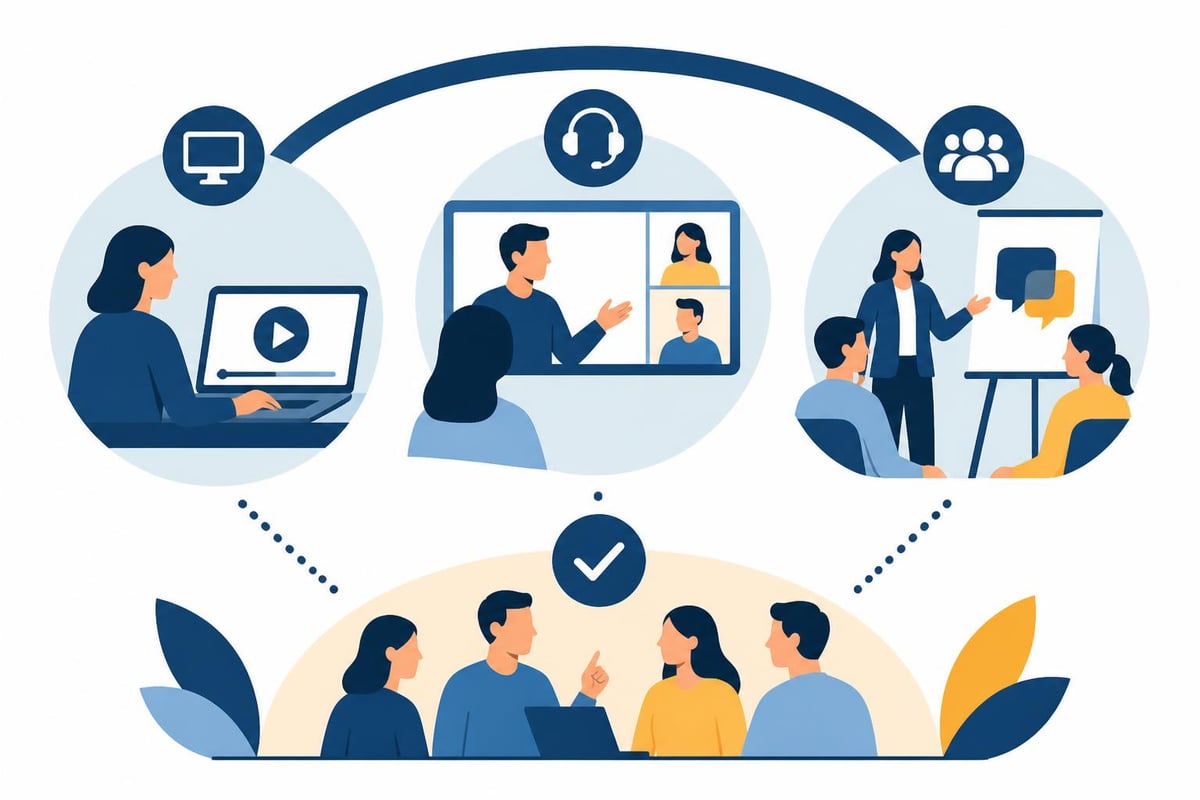
Recent developments in artificial intelligence have introduced new training possibilities. A study on AI-assisted conversational training explored how managers can practice difficult conversations through adaptive simulations, suggesting promising applications for supplementing traditional workplace communication training methods.
Measuring Training Effectiveness and ROI
Organizations investing in workplace communication training rightfully expect measurable returns. Establishing clear metrics before program launch enables accurate assessment of training impact and guides continuous improvement efforts.
Pre-training assessments establish baseline communication competencies across the organization. These evaluations might include 360-degree feedback surveys, communication style inventories, and skills assessments that identify specific development areas.
Key Performance Indicators for Communication Training
- Employee survey scores measuring perceived communication quality
- Conflict resolution metrics tracking frequency and resolution time
- Project success rates correlating with team communication effectiveness
- Customer satisfaction scores reflecting improved external communication
- Employee retention rates indicating improved workplace relationships
Post-training evaluation should occur at multiple intervals. Immediate post-session surveys capture initial reactions and knowledge gains, while 30-day and 90-day follow-ups assess behavioral changes and skill application in actual work contexts.
Observation and coaching provide qualitative data about how employees apply new communication techniques. Managers trained to recognize effective communication behaviors can offer reinforcement and guidance that strengthens training outcomes.
Organizations implementing company training programs should establish feedback loops that inform future training iterations. This continuous improvement approach ensures training remains relevant as organizational needs evolve.
Addressing Common Communication Challenges
Workplace communication training must tackle the specific obstacles that prevent effective information exchange within organizations. Understanding these common challenges allows trainers to design targeted interventions.
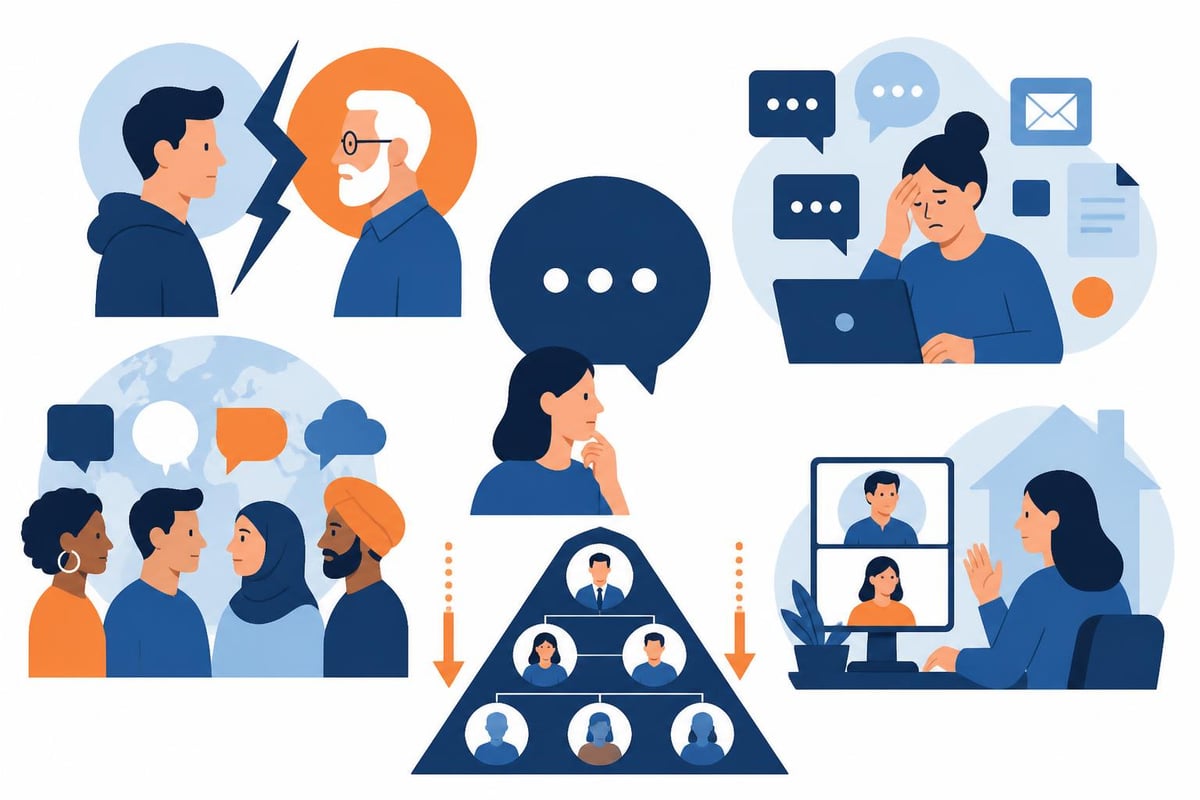
Generational differences create communication gaps as workplaces now span five generations with distinct communication preferences. Training programs that build awareness of these differences and teach adaptability help bridge generational divides.
Prevalent Workplace Communication Barriers
Information overload overwhelms employees in our hyper-connected environment. Workplace communication training teaches prioritization, concise messaging, and appropriate channel selection to cut through digital noise.
- Email management and response protocols
- Meeting necessity evaluation frameworks
- Asynchronous versus synchronous communication decisions
- Information hierarchy and escalation paths
Cultural and linguistic diversity enriches organizations but can create misunderstandings. Training that addresses cross-cultural communication nuances, idiomatic expressions, and inclusive language practices prevents unintentional offenses and builds stronger multicultural teams.
Remote and hybrid work dynamics have transformed communication requirements. Teams need explicit training on virtual meeting etiquette, digital collaboration tools, and maintaining connection across physical distances. Tips for workplace communication training emphasize informal communication practices like virtual coffee chats that strengthen remote team bonds.
Hierarchical barriers prevent upward information flow in some organizations. Training that empowers employees to share ideas with leadership and teaches managers to create psychologically safe environments improves organizational intelligence and innovation.
Integrating Technology Into Communication Training
Modern workplace communication training increasingly incorporates technology both as a training tool and as a subject of instruction. In 2026, proficiency with digital communication platforms is as essential as traditional face-to-face communication skills.
Collaboration platform training ensures teams maximize tools like Microsoft Teams, Slack, and project management software. Employees learn channel organization, notification management, and appropriate use cases for different communication features.
The rise of digital marketing and web-based communication has created new professional communication contexts. Organizations working with digital communication specialists understand how external communications through websites and social media require distinct skills from internal workplace communication.
Technology-Enhanced Learning Methods
| Technology | Training Application | Primary Benefit |
|---|---|---|
| Video Analysis | Self-review of recorded presentations | Increased self-awareness |
| Simulation Software | Practice difficult conversations safely | Risk-free skill development |
| Mobile Learning Apps | Micro-lessons and just-in-time resources | Continuous reinforcement |
| Virtual Reality | Immersive scenario-based practice | Enhanced engagement |
Communication analytics tools provide data-driven insights into team communication patterns. Some organizations use these platforms to identify communication breakdowns and target training interventions more precisely.
Training must also address the balance between digital and human communication. While technology enables efficiency, workplace communication training should emphasize when face-to-face or voice conversations better serve relationship-building and complex problem-solving.
Building a Sustainable Communication Culture
Workplace communication training delivers maximum value when supported by organizational systems that reinforce learned behaviors. One-time training events rarely create lasting change without cultural support structures.
Leadership modeling proves essential for embedding new communication practices. When executives and managers consistently demonstrate trained behaviors, employees recognize these skills as genuinely valued rather than merely taught.
Creating Long-Term Communication Excellence
Ongoing reinforcement programs extend training impact beyond initial workshops. These might include monthly communication challenges, peer coaching partnerships, or refresher sessions that revisit key concepts and introduce advanced techniques.
Organizations benefit from establishing communication standards and guidelines that codify expectations. These resources might address email response timeframes, meeting protocols, feedback delivery frameworks, and escalation procedures.
Recognition systems that celebrate communication excellence encourage continued skill application. Highlighting employees who demonstrate exceptional listening, clarity, or conflict resolution motivates others to prioritize these competencies.
Integration with performance management processes ensures communication skills factor into evaluations and development plans. When advancement opportunities connect to demonstrated communication competence, employees invest more seriously in skill development.
The most successful organizations view workplace communication training as an ongoing journey rather than a destination. They allocate budgets for continuous learning, stay current with communication techniques, and adapt their approaches as workforce composition and business needs evolve.
Customizing Training for Industry-Specific Needs
Different industries face unique communication challenges that generic workplace communication training programs may not adequately address. Customization ensures training content resonates with participants and applies directly to their daily work.
Healthcare organizations require training that addresses patient communication, interdisciplinary team coordination, and high-stakes conversations about sensitive topics. Communication failures in healthcare settings can have serious consequences, making specialized training critical.
Technical and engineering teams benefit from training that helps translate complex technical concepts for non-technical stakeholders. These professionals often possess deep expertise but struggle to communicate their knowledge accessibly.
Customer-facing roles need specialized training in empathy, de-escalation, and problem-solving communication. Customer service excellence programs address the unique pressures of maintaining professionalism while managing frustrated or demanding clients.
Public sector employees navigate distinct communication challenges including transparency requirements, diverse stakeholder groups, and political sensitivities. Municipal customer service training addresses these specific contexts.
Financial services, legal professions, manufacturing, and education each present distinct communication requirements. Working with professional training providers who understand industry nuances ensures training addresses real workplace scenarios rather than generic case studies.
Implementing Training Across Canadian Organizations
Canadian businesses face particular considerations when implementing workplace communication training. Geographic dispersion, bilingual requirements in some regions, and cultural diversity shape training design and delivery.
Regional accessibility matters for organizations with offices across multiple provinces. Virtual delivery options ensure consistent training access whether teams are based in urban centers or remote locations. Companies can provide corporate training in Calgary, corporate training in Ottawa, or any Canadian location through flexible delivery models.
Bilingual communication training addresses the realities of operating in Canada's official bilingual environment. Programs may need to teach communication strategies for multilingual workplaces or provide training content in both English and French.
Implementation Best Practices
Stakeholder engagement throughout the training development process ensures programs address actual needs. Soliciting input from employees at all levels reveals communication pain points that training should prioritize.
- Conduct communication audits to identify specific challenges
- Form advisory groups representing different departments and levels
- Pilot programs with small groups before full rollout
- Gather continuous feedback for program refinement
Scheduling considerations impact participation and learning transfer. Organizations must balance business continuity with providing adequate time for skill development. Some companies dedicate regular professional development days specifically for communication training.
Budget allocation for workplace communication training should account for initial program costs plus ongoing reinforcement activities. Professional development assistance options may help organizations maximize training investments.
Creating implementation timelines that allow for gradual rollout prevents overwhelming participants while building momentum. Starting with leadership levels, then cascading to management and individual contributors ensures consistent messaging and modeling from the top down.
Workplace communication training represents one of the most impactful investments organizations can make in their human capital, delivering returns through improved productivity, reduced conflicts, and stronger team cohesion. As Canadian businesses navigate increasingly complex communication landscapes in 2026, structured training programs provide employees with essential skills for professional success. My Training Network delivers customized, instructor-led workplace communication training to organizations across Canada, combining expert facilitators with proven methodologies that create lasting behavioral change and measurable business results.

