

Organizations face unprecedented challenges in today's fast-paced business environment. Economic uncertainty, technological disruption, and evolving workforce expectations create constant pressure on employees and leadership teams alike. Building resilience within your workforce isn't just beneficial-it's essential for long-term success. Workplace resilience training equips employees with practical tools to navigate stress, adapt to change, and maintain high performance even during difficult times. This specialized training transforms how teams respond to adversity and positions organizations for sustainable growth.
Understanding Workplace Resilience and Its Business Impact
Workplace resilience represents an employee's capacity to recover quickly from difficulties, adapt to change, and maintain productivity under pressure. Unlike simple stress management, resilience encompasses emotional intelligence, cognitive flexibility, and behavioural adaptation strategies that create lasting change.
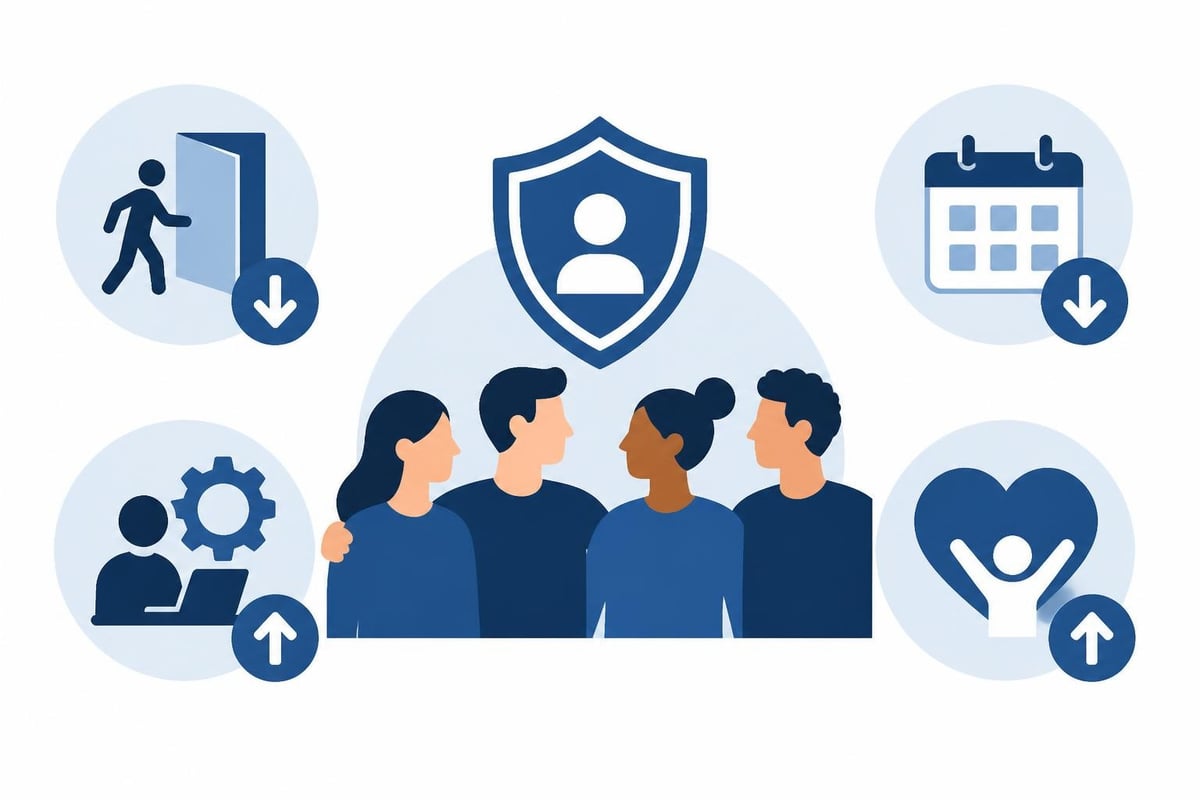
Research from organizational resilience training programs demonstrates measurable improvements in employee well-being, job satisfaction, and performance outcomes. Organizations investing in these initiatives report reduced absenteeism, lower turnover rates, and stronger team cohesion.
The Financial Case for Resilience Training
Canadian businesses lose billions annually to stress-related absenteeism and reduced productivity. Consider these compelling statistics:
- Mental health issues cost Canadian employers approximately $6 billion per year in lost productivity
- Resilient employees demonstrate 32% higher engagement levels compared to their peers
- Organizations with formal resilience programs report 18% lower turnover rates
- Teams trained in resilience techniques complete projects 23% faster during high-pressure periods
Workplace resilience training delivers quantifiable returns that extend beyond individual well-being to impact organizational performance directly. The investment in employee development translates to stronger business results across multiple metrics.
Core Components of Effective Resilience Programs
Comprehensive workplace resilience training addresses multiple dimensions of employee capability. The most successful programs integrate psychological skills, practical tools, and organizational support structures.
Emotional Regulation and Stress Management
Employees learn to recognize stress triggers, manage emotional responses, and maintain composure during challenging situations. Techniques include mindfulness practices, cognitive reframing, and physiological regulation methods. The APA Knowledge Center provides evidence-based psychological strategies that support these training components.
Participants develop personalized stress management toolkits containing multiple techniques they can deploy in various situations. This customization ensures individuals find methods that align with their preferences and work contexts.
Cognitive Flexibility and Problem-Solving
Resilient employees think creatively when facing obstacles. Training modules focus on developing multiple perspectives, challenging assumptions, and generating innovative solutions under pressure.
Key cognitive skills developed include:
- Reframing negative situations to identify opportunities
- Breaking complex problems into manageable components
- Evaluating multiple solutions before committing to action
- Learning from setbacks rather than dwelling on failures
- Adapting strategies based on changing circumstances
Building Strong Support Networks
Professional relationships serve as critical buffers during difficult times. Workplace resilience training emphasizes the importance of cultivating supportive connections across the organization.
Employees learn to:
- Identify and leverage existing support networks
- Build new professional relationships strategically
- Offer support to colleagues effectively
- Communicate needs clearly during stressful periods
- Create reciprocal support systems that benefit all participants
Implementing Resilience Training Across Your Organization
Successful implementation requires careful planning, executive sponsorship, and integration with existing development initiatives. Organizations that treat resilience training as a strategic priority achieve superior results compared to those offering it as an optional benefit.
Assessment and Customization
Before launching training, conduct a thorough assessment of your organization's specific needs and challenges. Survey employees about stress sources, examine performance data, and identify departments experiencing the highest turnover or engagement issues.
| Assessment Area | Data Sources | Key Questions |
|---|---|---|
| Stress Levels | Employee surveys, exit interviews | What situations cause greatest stress? |
| Performance Impact | Productivity metrics, quality data | How does stress affect output? |
| Support Gaps | Manager feedback, HR records | Where do employees lack resources? |
| Cultural Factors | Engagement scores, culture surveys | Does workplace culture support resilience? |
This diagnostic phase ensures workplace resilience training addresses actual organizational challenges rather than generic stress management concepts. Customization dramatically improves participant engagement and practical application.
Selecting the Right Training Format
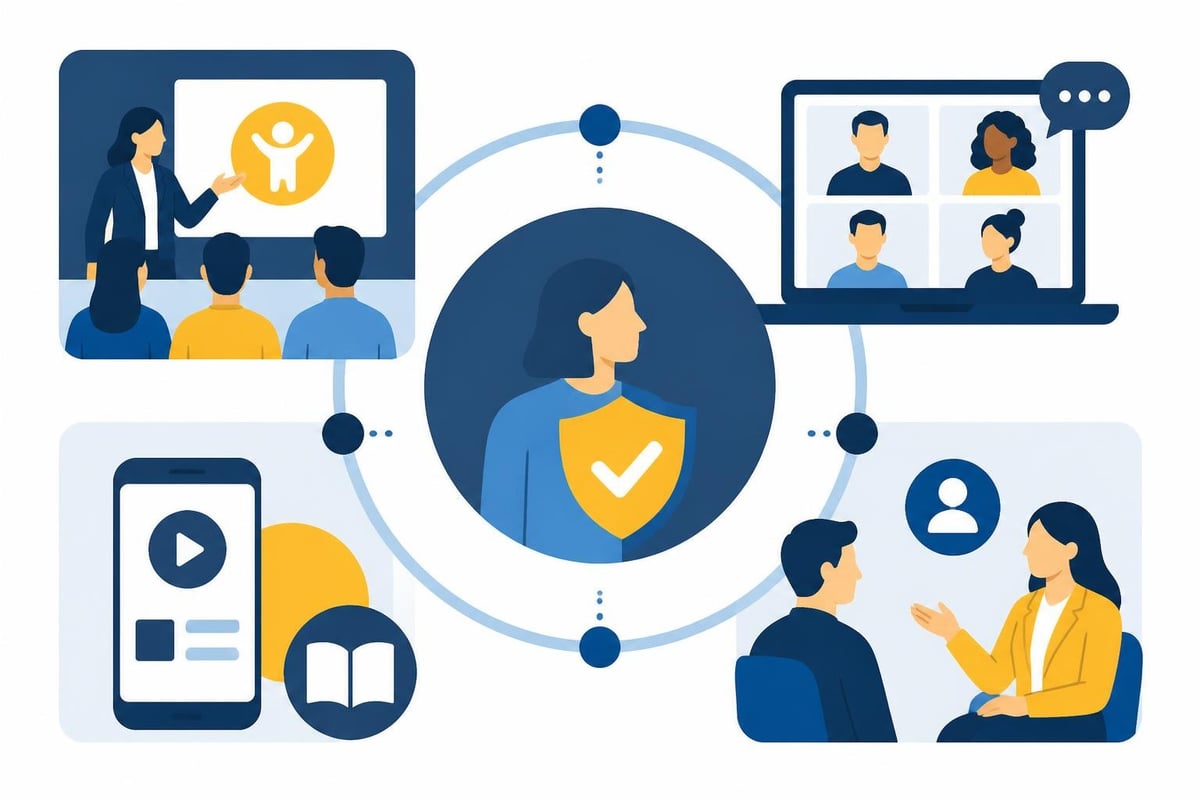
Different delivery methods suit different organizational contexts and learning objectives. Consider blending multiple formats for maximum impact:
Instructor-Led Workshops provide interactive experiences where participants practice resilience techniques in real-time. These sessions create peer learning opportunities and allow trainers to address specific questions and scenarios.
Virtual Training offers flexibility for distributed teams while maintaining interactive elements through breakout discussions, polls, and collaborative exercises. Organizations with remote workers benefit from this accessible approach.
Microlearning Modules deliver focused content in 10-15 minute segments that employees can complete between meetings. This format supports ongoing skill development and just-in-time learning when facing specific challenges.
Coaching and Mentoring complement formal training by providing personalized guidance. One-on-one sessions help employees apply resilience techniques to their unique situations and overcome specific obstacles.
Creating a Supportive Organizational Environment
Training alone cannot build resilience if workplace culture undermines employee well-being. Leadership must champion resilience as an organizational value and model resilient behaviours themselves.
Organizations should examine policies, practices, and norms that may inadvertently increase stress or discourage resilience. Initiatives focused on building positive work culture demonstrate how environmental factors significantly influence training effectiveness.
Essential environmental supports include:
- Reasonable workload expectations and resource allocation
- Clear communication during organizational changes
- Recognition programs that celebrate resilience and adaptation
- Flexible work arrangements that accommodate diverse needs
- Leadership accessibility and genuine concern for employee well-being
Measuring Training Effectiveness and ROI
Organizations need concrete evidence that workplace resilience training delivers value. Establish measurement frameworks before launching programs to track progress and demonstrate impact.
Quantitative Metrics
Track numerical indicators that reflect resilience levels and business outcomes. These data points provide objective evidence of program effectiveness:
| Metric Category | Specific Measures | Target Improvement |
|---|---|---|
| Engagement | Pulse survey scores, participation rates | 15-20% increase |
| Retention | Voluntary turnover rate, tenure averages | 10-15% decrease |
| Productivity | Project completion rates, output quality | 12-18% increase |
| Well-being | Absenteeism, health claims, stress indicators | 20-25% improvement |
Qualitative Indicators
Numbers tell part of the story, but qualitative feedback provides deeper insights into how training changes employee experiences and capabilities.
Gather feedback through focus groups, individual interviews, and open-ended survey questions. Ask participants to describe specific situations where they applied resilience techniques and the outcomes they achieved.
Manager observations offer valuable perspectives on behavioural changes and team dynamics improvements. Supervisors can identify whether trained employees demonstrate greater composure, more effective problem-solving, or improved collaboration during stressful periods.
Advanced Resilience Training Strategies
Organizations seeking competitive advantage through workforce development should consider these advanced approaches that extend beyond fundamental resilience skills.
Resilience for Leaders and Executives
Leadership roles carry unique pressures requiring specialized resilience capabilities. Executive training addresses decision-making under uncertainty, managing team morale during crises, and maintaining strategic focus despite disruptions.
Leaders learn to model resilience behaviours that cascade throughout their organizations. Their visible application of resilience techniques normalizes these practices and creates psychological safety for team members to develop similar capabilities.
Industry-Specific Resilience Applications
Different sectors face distinct challenges requiring tailored resilience strategies. Healthcare professionals need techniques for managing emotional exhaustion and compassion fatigue. Technology workers require methods for handling rapid change and continuous learning demands. Financial services employees benefit from resilience skills that support decision-making under regulatory pressure and market volatility.
For organizations in growth phases, resilience training intersects with strategic planning and resource allocation. Companies working with partners like MoonshotNX to navigate fundraising and investor relations often benefit from resilience training that helps teams manage the uncertainty and pressure inherent in capital-raising activities.
Building Team-Level Resilience
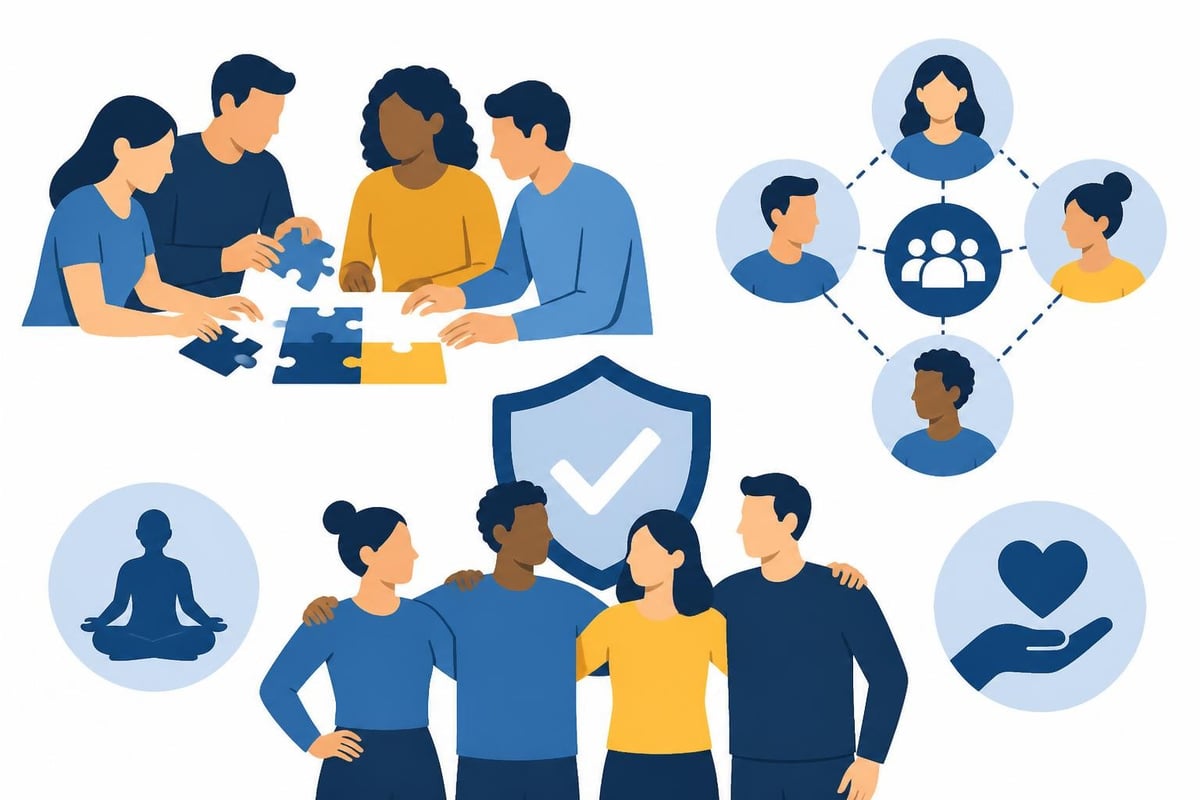
While individual resilience matters, collective team resilience creates synergistic effects that amplify organizational capacity. Team-focused training develops shared language, coordinated support systems, and collaborative problem-solving approaches.
Team resilience training includes:
- Establishing clear communication protocols during high-stress situations
- Creating team agreements about support and accountability
- Developing collective stress recognition and intervention strategies
- Building trust through vulnerability and mutual support exercises
- Practicing coordinated responses to simulated challenges
Integration with Broader Development Initiatives
Workplace resilience training achieves maximum impact when integrated with comprehensive employee development strategies rather than implemented as an isolated program. Resilience skills enhance and reinforce capabilities developed through other training initiatives.
Connecting Resilience to Leadership Development
Leadership training naturally incorporates resilience as leaders face constant pressure, ambiguity, and high-stakes decisions. Combining these topics creates powerful synergies where resilience techniques support leadership effectiveness and vice versa.
Emerging leaders benefit from resilience training early in their development journey. These foundational skills prevent burnout and enable sustained performance as responsibilities increase. Senior leaders applying resilience principles model healthy approaches to pressure and inspire similar behaviours throughout their teams.
Resilience and Change Management
Organizational change initiatives succeed or fail based on employee capacity to adapt. Workplace resilience training prepares teams psychologically and practically for transformation processes.
Before announcing major changes, equip employees with resilience skills that help them process uncertainty, manage transition stress, and maintain productivity during disruption. This proactive approach prevents resistance and accelerates adoption of new systems, processes, or structures.
Supporting Technical Skills Development
Even technical training benefits from resilience components. Learning new software, systems, or methodologies can frustrate employees and trigger stress responses. Resilience techniques help learners persist through initial difficulties, maintain confidence despite mistakes, and approach technical challenges with growth mindsets.
At My Training Network, we recognize that resilience underpins success across all training domains and can integrate these skills throughout your development curriculum.
Special Considerations for Canadian Organizations
Organizations operating within Canada face unique contextual factors that influence workplace resilience training design and delivery. Understanding these elements ensures programs resonate with Canadian employees and address region-specific challenges.
Cultural Diversity and Inclusion
Canada's multicultural workforce brings diverse perspectives on stress, support-seeking, and resilience. Training must acknowledge cultural differences in emotional expression, help-seeking behaviours, and coping strategies.
Design programs that:
- Present multiple resilience approaches respecting various cultural backgrounds
- Create psychologically safe environments where all employees feel comfortable participating
- Use examples and case studies reflecting Canadian workplace diversity
- Offer materials in multiple languages where appropriate
- Train facilitators in cultural competence and inclusive teaching methods
Seasonal and Geographic Factors
Canadian climate variations affect employee well-being and stress levels. Winter months in many regions bring reduced daylight, extreme weather, and seasonal affective challenges. Remote communities face additional isolation factors.
Workplace resilience training should address these environmental stressors and provide relevant coping strategies. Techniques might include light therapy awareness, outdoor activity planning, virtual connection methods, and seasonal mood management approaches.
Regulatory and Workplace Safety Contexts
Canadian workplace health and safety regulations increasingly recognize psychological health as essential. Resilience training aligns with duty of care requirements and demonstrates organizational commitment to comprehensive employee wellness.
Programs should reference relevant provincial and federal guidelines, positioning resilience development within broader occupational health frameworks. This contextualization helps executives understand training as compliance support rather than optional benefit.
Sustaining Resilience Beyond Initial Training
The most significant challenge isn't teaching resilience skills-it's ensuring employees continue applying these techniques long after formal training concludes. Sustainable resilience requires ongoing reinforcement, practice opportunities, and organizational support.
Creating Practice Opportunities
Skills deteriorate without regular application. Design workplace experiences that encourage resilience practice in low-stakes situations, building capability that transfers to high-pressure moments.
Reinforcement strategies include:
- Monthly team discussions where members share resilience successes and challenges
- Quarterly refresher sessions focusing on specific resilience dimensions
- Digital platforms providing just-in-time resilience resources and reminders
- Peer coaching partnerships for mutual accountability and support
- Recognition programs highlighting resilience demonstrations
Manager Enablement
Front-line managers significantly influence whether employees sustain resilience practices. Equip supervisors to recognize resilience applications, provide positive reinforcement, and model techniques themselves.
Manager training should cover coaching conversations about resilience, identifying employees struggling with stress, and creating team environments that support well-being. When managers actively champion resilience, employees perceive these skills as valued and career-relevant rather than peripheral to their work.
Continuous Improvement Cycles
Review program effectiveness regularly and adapt based on feedback and results. Workplace stressors evolve as business conditions change, requiring corresponding updates to training content and support resources.
| Review Cycle | Activities | Frequency |
|---|---|---|
| Participant Feedback | Post-training surveys, focus groups | After each session |
| Outcome Assessment | Metric analysis, manager input | Quarterly |
| Content Updates | Material revision, new technique integration | Semi-annually |
| Strategic Alignment | Organizational priorities review | Annually |
Workplace resilience training represents a strategic investment that strengthens your organization's most valuable asset-your people. By developing employee capacity to navigate stress, adapt to change, and maintain performance under pressure, you create competitive advantages that compound over time. My Training Network delivers customized, instructor-led workplace resilience training designed specifically for Canadian organizations seeking measurable improvements in employee well-being and business performance. With over 150 courses and expert trainers across the country, we're ready to build resilience capabilities throughout your workforce-contact My Training Network today to design a program that addresses your unique organizational challenges and development goals.

