

Organizations across Canada face mounting pressure to create environments where every employee feels valued, heard, and protected. Recent data shows that respect at work has returned to record lows, signaling an urgent need for intentional intervention. Workplace respect training has emerged as a critical tool for addressing these challenges, providing employees and leaders with frameworks to navigate complex interpersonal dynamics while maintaining professional boundaries. This structured approach to building respectful cultures goes beyond simple compliance, creating lasting behavioural change that transforms how teams collaborate and communicate.
Why Workplace Respect Training Matters in 2026
The modern workplace has evolved dramatically over the past decade. Remote teams, hybrid arrangements, and increasingly diverse workforces have introduced new complexities to professional relationships. Workplace respect training addresses these challenges by establishing clear expectations and providing practical skills for respectful interaction across various contexts.
The Business Case for Respectful Environments
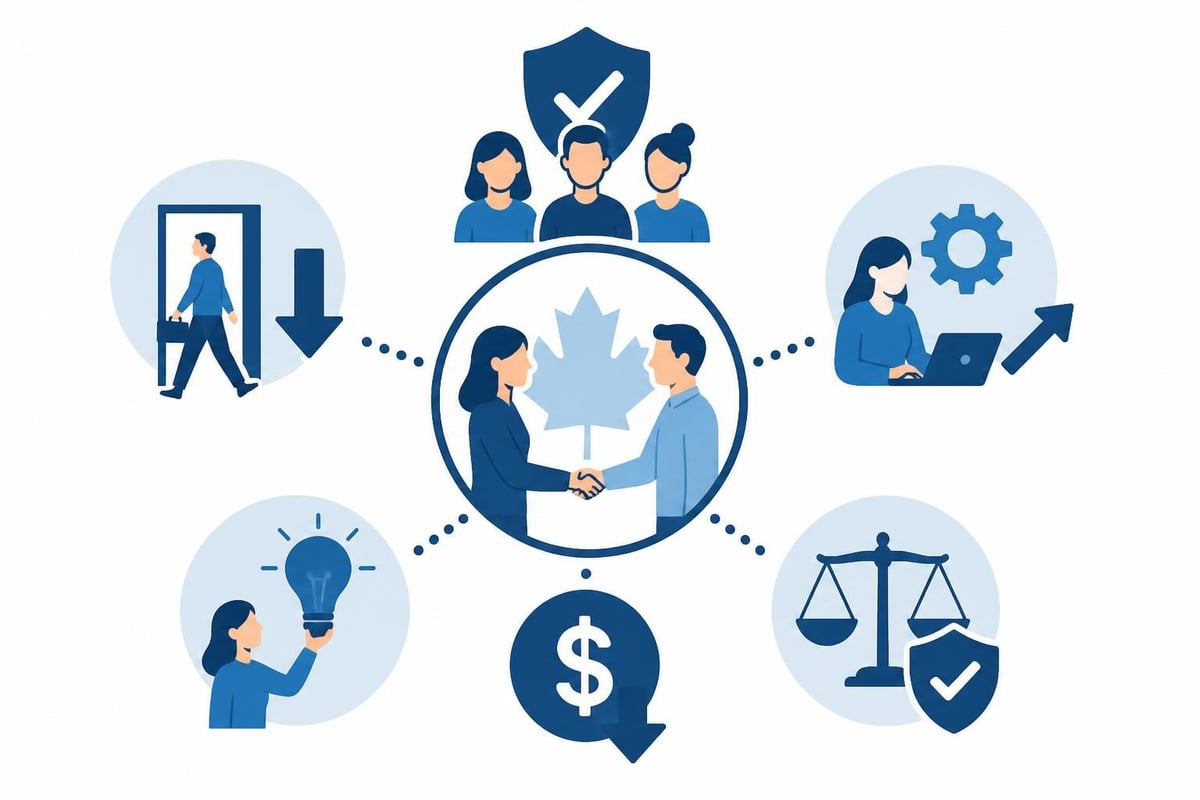
Organizations that invest in creating respectful workplaces see measurable returns across multiple dimensions:
- Reduced turnover costs: Employees who feel respected are 56% less likely to seek new employment
- Enhanced productivity: Teams with high mutual respect complete projects 33% faster
- Improved innovation: Psychological safety enables employees to share ideas without fear
- Lower legal exposure: Proactive training reduces harassment complaints and litigation risk
- Stronger employer brand: Respectful cultures attract top talent in competitive markets
The financial implications extend beyond these direct benefits. When organizations fail to address respect issues, they face expenses related to absenteeism, reduced engagement, damaged reputation, and potential regulatory penalties.
Regulatory and Compliance Drivers
Canadian employers operate under provincial and federal regulations that mandate respectful workplace practices. Human rights legislation, occupational health and safety requirements, and anti-harassment laws create legal obligations that workplace respect training helps fulfill. The EEOC’s harassment prevention and respectful workplaces training framework demonstrates international recognition of these training requirements.
Beyond basic compliance, forward-thinking organizations recognize that meeting minimum legal standards represents only the foundation of workplace culture. True respect requires ongoing commitment, skill development, and leadership modeling that extends far beyond mandatory sessions.
Core Components of Effective Training Programs
Workplace respect training encompasses multiple dimensions of professional behaviour, each requiring specific attention and skill development. Programs that achieve lasting impact integrate theoretical knowledge with practical application through diverse learning methodologies.
Understanding Microaggressions and Unconscious Bias
Many respectful workplace violations occur through subtle behaviours rather than overt misconduct. Microaggressions-brief, commonplace indignities that communicate hostile or derogatory messages-accumulate over time to create hostile environments. Effective training helps participants recognize these patterns in themselves and others.
Unconscious bias training forms a critical component of respect education. Participants learn how cognitive shortcuts influence decision-making, from hiring and promotion to daily interactions and project assignments. This awareness creates opportunities for intentional intervention before biases manifest as disrespectful behaviour.
| Training Focus | Learning Objectives | Practical Applications |
|---|---|---|
| Microaggressions | Identify subtle exclusionary behaviours | Interrupt patterns, redirect conversations |
| Unconscious Bias | Recognize automatic assumptions | Implement structured decision processes |
| Active Inclusion | Create belonging for all team members | Design inclusive meetings and projects |
| Psychological Safety | Build environments for authentic expression | Encourage diverse perspectives without fear |
Communication Skills for Respectful Dialogue
Professional communication forms the bedrock of respectful workplaces. Training programs should develop specific competencies that enable productive conversations even during disagreement or conflict. Communication skills training provides participants with frameworks for expressing concerns, offering feedback, and navigating difficult topics without causing harm.
Key communication elements include:
- Active listening techniques that demonstrate genuine interest in others' perspectives
- Non-violent communication methods that express needs without blame or judgment
- Conflict resolution strategies that address issues while preserving relationships
- Cultural competence awareness for navigating diverse communication styles
- Digital communication etiquette for respectful remote and hybrid interactions
These skills require practice and refinement over time. Single-session training provides introduction, but organizations achieve best results through ongoing development opportunities and reinforcement.
Implementing Workplace Respect Training Across Your Organization
Successful implementation requires strategic planning that considers organizational culture, existing challenges, and desired outcomes. A comprehensive approach integrates multiple delivery methods and touches all levels of the organizational hierarchy.
Leadership-Focused Training Components
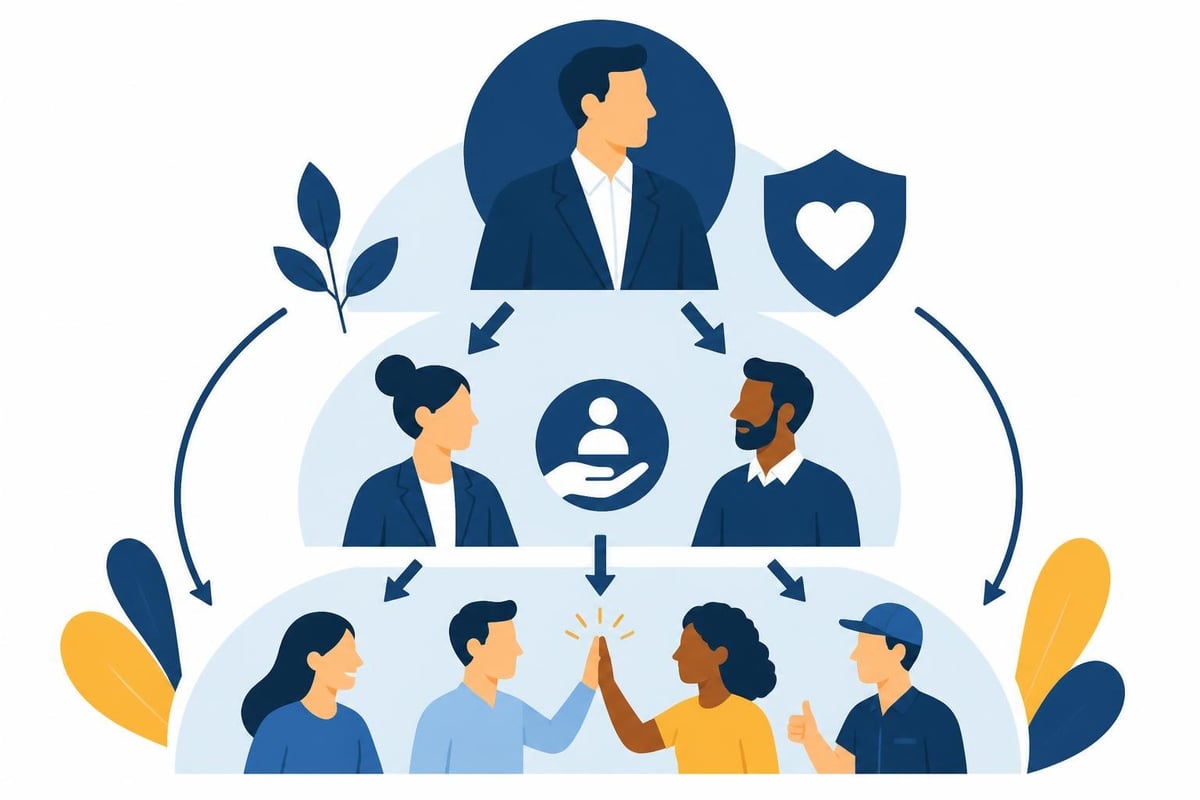
Leaders set the tone for organizational culture through their daily behaviours and decisions. Specialized workplace respect training for managers and executives addresses their unique responsibilities and challenges. Leadership training programs should emphasize modeling respectful behaviour, addressing concerns promptly, and holding team members accountable for cultural standards.
Senior leaders require different content than frontline supervisors. Executives focus on systemic culture creation, policy development, and resource allocation. Middle managers need practical tools for coaching employees, conducting difficult conversations, and reinforcing expectations during everyday interactions.
Customization for Industry-Specific Challenges
Different industries face unique respect challenges that require tailored approaches. Healthcare organizations navigate patient interactions alongside internal team dynamics. Manufacturing environments address safety communications and shift-work relationships. Professional services firms manage client interactions while building internal culture.
The University of Calgary’s respect in the workplace initiative demonstrates how academic institutions adapt general principles to their specific context. Organizations partnering with instructor-led training providers can customize content to address industry-specific scenarios and challenges.
Virtual and hybrid workplaces present particular challenges that require specialized attention. Remote employees may feel disconnected from organizational culture, while hybrid teams navigate different levels of access and visibility. Training must address these realities through specific strategies for digital communication, virtual team building, and equitable treatment across work arrangements.
Measuring Training Effectiveness and Cultural Change
Organizations investing in workplace respect training require methods to assess program impact and identify areas for improvement. Evaluation strategies should examine both immediate learning outcomes and longer-term behavioural change.
Short-Term Assessment Metrics
Immediate post-training assessments measure knowledge acquisition and participant satisfaction. These metrics provide useful feedback about training quality and content relevance:
- Pre- and post-training knowledge assessments demonstrate learning gains
- Participant satisfaction surveys identify strengths and improvement opportunities
- Skills demonstration exercises reveal practical application capabilities
- Facilitator observations document engagement and understanding patterns
While these measures confirm that learning occurred, they cannot predict whether participants will apply new skills in workplace situations. Organizations need additional metrics to evaluate actual behavioural change.
Long-Term Cultural Indicators
Sustainable cultural transformation requires monitoring over extended periods. The following indicators help organizations track progress toward more respectful workplaces:
| Metric Category | Specific Measures | Assessment Frequency |
|---|---|---|
| Employee Experience | Engagement scores, respect survey ratings | Quarterly |
| Behavioural Incidents | Complaint volume, resolution timeframes | Monthly |
| Team Dynamics | Collaboration scores, psychological safety ratings | Semi-annually |
| Business Outcomes | Turnover rates, productivity metrics | Quarterly |
| Leadership Actions | Coaching conversations, policy enforcement | Ongoing |
Organizations should establish baseline measurements before implementing workplace respect training, enabling accurate progress tracking. The United Nations’ United to Respect initiative provides frameworks that international organizations use to measure cultural transformation over time.
Addressing Resistance and Building Buy-In
Not all employees embrace workplace respect training with enthusiasm. Some view it as unnecessary, others as threatening to authentic expression. Understanding and addressing these concerns increases program effectiveness and cultural adoption.
Common Sources of Resistance
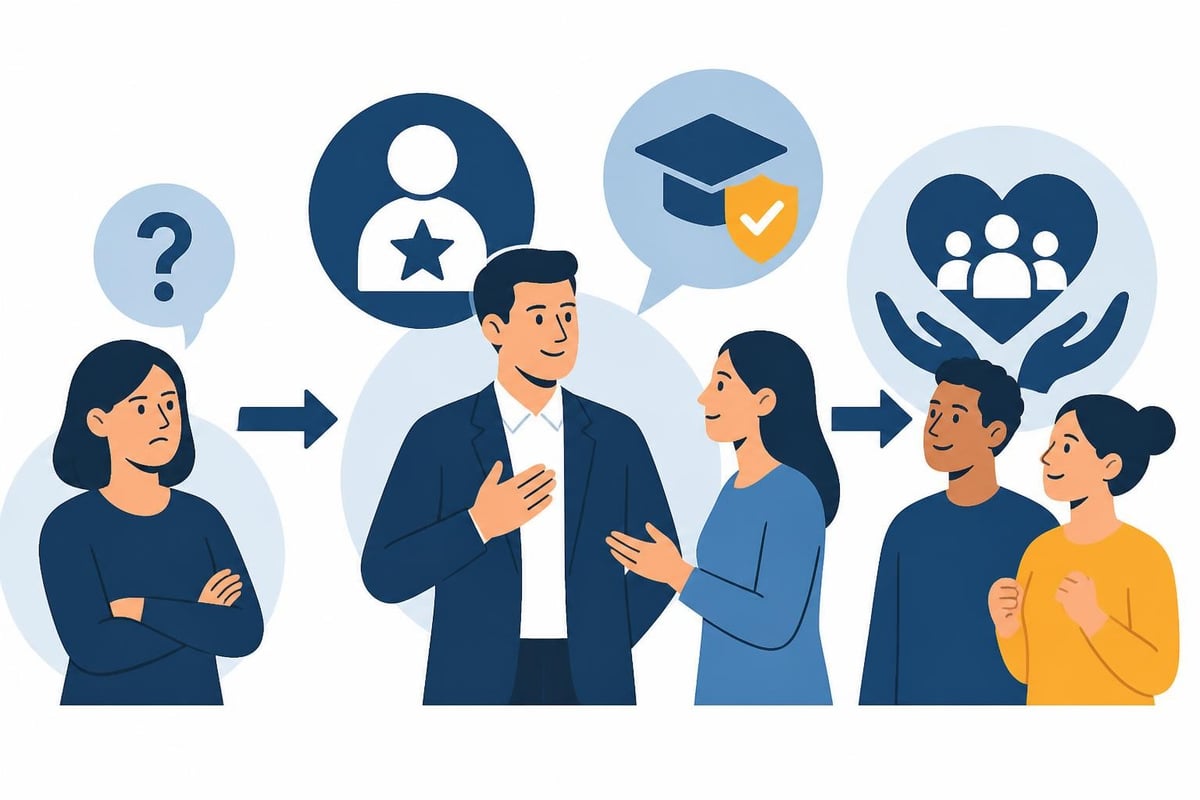
Employees resist respect training for various reasons. Some perceive it as political correctness that limits free expression. Others believe they already behave respectfully and resent mandatory participation. Still others fear making mistakes and facing consequences for unintentional offenses.
Leaders who dismiss training importance create permission structures for organizational resistance. When executives skip sessions or make dismissive comments, employees conclude that respect initiatives lack genuine organizational commitment. This undermines even well-designed programs.
Effective change management addresses resistance through transparent communication about training rationale, executive participation and endorsement, opportunities for questions and concerns, and clear connections to organizational values. When employees understand why respect matters and see leadership commitment, resistance typically diminishes.
Creating Sustainable Cultural Change
Workplace respect training represents one element of broader cultural transformation. Organizations achieve lasting change by integrating respect principles throughout systems and processes. This includes:
- Recruitment and onboarding that emphasizes cultural expectations from day one
- Performance management that evaluates respectful behaviour alongside technical competencies
- Promotion decisions that reward cultural champions and exclude toxic high performers
- Policy enforcement that applies consequences consistently regardless of position
- Recognition programs that celebrate employees who exemplify respectful behaviour
Team-building training reinforces respect principles through practical collaboration exercises. When respect becomes integral to how work gets done rather than an isolated training topic, cultural integration deepens.
Specialized Training for High-Risk Situations
Certain workplace situations create elevated risk for respect violations. Organizations should provide targeted training for employees who regularly encounter these scenarios.
Managing Difficult Conversations
Performance feedback, conflict mediation, and disciplinary discussions test even experienced professionals' respect skills. Specialized training helps managers navigate these conversations while maintaining dignity for all parties. Techniques include:
- Separating behaviour from identity when addressing performance issues
- Using specific examples rather than generalizations or character judgments
- Allowing space for employee perspective before drawing conclusions
- Focusing on future improvement rather than past blame
- Following up to ensure relationships remain intact after difficult discussions
Organizations in sectors with high customer interaction face unique challenges when clients behave disrespectfully toward employees. Training should equip staff to set boundaries, de-escalate situations, and access support when facing abusive behaviour.
Cross-Cultural and International Teams
Global organizations navigate respect across cultural contexts where norms vary significantly. What constitutes respectful communication in one culture may seem indirect or even disrespectful in another. Training for international teams addresses these complexities through cultural intelligence development.
Platforms like Fuchsjobs connect organizations with diverse talent pools across borders, increasing the importance of cross-cultural respect competencies. As Canadian organizations increasingly employ international team members, this training dimension grows more critical.
Technology and Innovation in Respect Training
The training landscape has evolved beyond traditional classroom sessions. Organizations now leverage multiple delivery methods and technologies to enhance learning experiences and maximize reach.
Blended Learning Approaches
Modern workplace respect training often combines synchronous and asynchronous elements. Participants complete online modules covering foundational concepts at their own pace, then attend facilitated sessions for discussion, practice, and skill development. This blended approach maximizes efficiency while preserving valuable group interaction.
Virtual reality simulations create safe spaces for practicing difficult conversations and experiencing perspective-taking exercises. Participants navigate scenarios involving microaggressions, conflict escalation, or bias without risking real workplace relationships. This experiential learning accelerates skill development beyond what traditional methods achieve.
Microlearning delivers brief, focused content addressing specific respect topics through mobile-accessible formats. Three-minute videos, interactive scenarios, and reflection prompts keep concepts fresh between formal training sessions. This approach supports continuous learning rather than one-time events.
Educational institutions like Istituto Formativo Aladia demonstrate how flexible, personalized learning approaches accommodate diverse schedules and learning preferences-principles equally applicable to corporate workplace respect training.
Building Internal Training Capacity
While many organizations partner with external providers for initial program development and delivery, some choose to build internal training capacity over time. This approach offers advantages and challenges worth considering.
Developing Internal Facilitators
Organizations can designate and train internal employees to deliver workplace respect training to their colleagues. This approach creates several benefits:
- Facilitators understand organizational culture and specific challenges
- Training becomes more accessible and sustainable long-term
- Internal champions model commitment to respect principles
- Cost per session decreases after initial facilitator development investment
However, internal facilitation also presents challenges. Employees may feel less comfortable discussing sensitive topics with colleagues. Internal facilitators may lack expertise that external specialists bring. Power dynamics can complicate conversations when managers facilitate for their own teams.
Organizations pursuing this path should invest in comprehensive facilitator training, establish clear guidelines for escalating serious concerns, and maintain relationships with external experts for complex situations. Western University’s civility and respect resources provide frameworks that internal teams can adapt for their contexts.
Partnering with Specialized Training Providers
External training partners bring expertise, objectivity, and fresh perspectives that internal teams cannot always provide. Specialized providers stay current on research, legal developments, and best practices across industries. They offer credibility that helps overcome skepticism and resistance.
When selecting training partners, organizations should evaluate facilitator qualifications, customization capabilities, participant engagement approaches, and measurement methodologies. The best providers combine subject matter expertise with adult learning principles and practical business understanding.
Building a culture of workplace respect requires sustained commitment, strategic investment, and practical skill development across all organizational levels. Organizations that approach this work systematically-through comprehensive training, leadership accountability, and cultural integration-create environments where all employees can contribute their best work. My Training Network partners with organizations across Canada to deliver customized workplace respect training that addresses your specific challenges and culture. With expert facilitators and proven methodologies, we help transform knowledge into lasting behavioural change that strengthens your team and protects your organization.

